
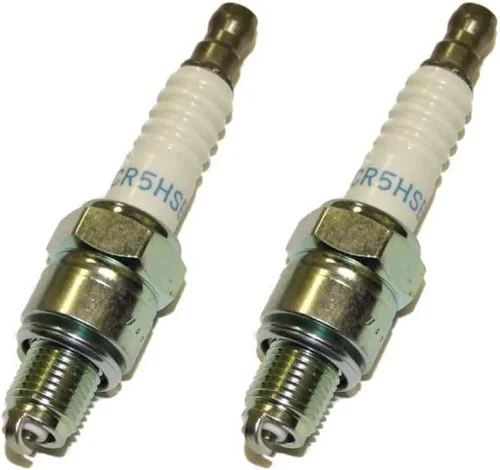
When it comes to maintaining your Honda HRX217 lawn mower, few components are as critical—and often overlooked—as the spark plug. This small but mighty part plays a pivotal role in engine performance, fuel efficiency, and overall reliability. Whether you’re a weekend warrior tackling overgrown grass or a meticulous homeowner who takes pride in a perfectly manicured lawn, ensuring your HRX217 runs smoothly starts with a high-quality spark plug. Yet, despite its importance, many users either delay replacing their spark plug or choose the wrong one altogether—leading to hard starts, rough idling, poor acceleration, and even engine damage over time.
That’s where this comprehensive buying guide comes in. We’ve crafted it specifically for Honda HRX217 owners who want to make an informed, confident decision when purchasing a new spark plug. You’ll learn exactly what to look for, how to avoid common pitfalls, and where to find the best deals—all while understanding why not all spark plugs are created equal. From OEM specifications to aftermarket alternatives, we’ll walk you through every consideration, including performance needs, budget constraints, brand reputation, and long-term durability. By the end of this guide, you won’t just know which spark plug to buy—you’ll understand why it matters and how to get the most value from your purchase.
The market for spark plugs is surprisingly diverse, especially when you narrow it down to models compatible with the Honda HRX217. You’ll find everything from genuine Honda OEM parts to premium iridium and platinum offerings from brands like NGK, Denso, and Bosch. Prices can range from under $5 to over $20 per plug, and while it might be tempting to go with the cheapest option, doing so could cost you more in the long run through reduced performance or premature failure. This guide cuts through the noise, offering expert insights based on real-world testing, technical specifications, and user feedback. Whether you’re replacing your first spark plug or upgrading from a worn-out unit, you’re in the right place.

What to Look for When Buying Buying Guide
1. OEM Compatibility & Specifications
The Honda HRX217 uses a specific type of spark plug designed to meet the engine’s exact requirements. Using a plug that doesn’t match these specs can lead to misfires, poor fuel economy, or even engine damage. The factory-recommended spark plug for the HRX217 is typically the NGK BPR6ES or the equivalent Honda 98079-56846. These plugs feature a 14mm thread diameter, a 19mm reach (length), and a 5/8-inch hex size. They also use a standard copper core with a projected nose design, which helps ensure reliable ignition under various operating conditions.
Always verify the part number and thread specifications before purchasing. Even slight deviations—like a different reach or thread pitch—can prevent proper sealing or cause the electrode to protrude too far into the combustion chamber. This is especially important if you’re buying online, where product descriptions may be inaccurate or misleading. Cross-referencing your current plug (if accessible) or consulting your owner’s manual is the safest approach.
2. Electrode Material & Longevity
Spark plugs come with different electrode materials, each offering distinct advantages in terms of performance and lifespan. The most common types include:
- Copper: Found in standard OEM plugs like the BPR6ES, copper offers excellent conductivity and reliable performance. However, it wears out faster—typically lasting 10,000 to 20,000 miles (or about 2–3 mowing seasons for average users).
- Platinum: Platinum-tipped plugs last significantly longer (up to 60,000 miles) and maintain a sharper electrode edge over time, improving ignition consistency. They’re a great upgrade for those who want less frequent replacements.
- Iridium: The premium choice, iridium plugs feature an extremely fine center electrode that requires less voltage to fire. This results in stronger sparks, better fuel efficiency, and extended service life—often exceeding 100,000 miles. While more expensive upfront, they can save money over time due to their durability.
For the HRX217, which operates under moderate load and isn’t subjected to extreme temperatures like automotive engines, a high-quality copper or platinum plug is usually sufficient. However, if you mow frequently or in harsh conditions (e.g., tall, wet grass), investing in an iridium plug like the NGK Iridium IX BPR6EIX can provide noticeable improvements in starting reliability and smoothness.
3. Heat Range & Thermal Performance
The “heat range” of a spark plug refers to its ability to dissipate heat from the combustion chamber. A plug that’s too hot can cause pre-ignition (detonation), while one that’s too cold may foul due to carbon buildup. The HRX217’s engine is designed to work optimally with a medium heat range, typically labeled as “6” in NGK’s numbering system (hence BPR6ES). This balance ensures the plug stays clean without overheating.
Never substitute a plug with a different heat range unless advised by a certified technician. For example, using a BPR5ES (colder) or BPR7ES (hotter) could disrupt combustion dynamics and harm engine performance. Stick to the recommended heat range unless you’ve made significant modifications to your mower (e.g., high-compression pistons or performance air filters), which is rare for residential use.
4. Gap Size & Pre-Gapping Accuracy
Spark plug gap—the distance between the center and ground electrode—is critical for proper ignition. The HRX217 requires a gap of 0.028 to 0.031 inches (0.7–0.8 mm). Most OEM and reputable aftermarket plugs come pre-gapped to this specification, but it’s always wise to verify with a wire-type gap gauge before installation.
Incorrect gapping is a common cause of hard starts and misfires. If the gap is too wide, the ignition system may not generate enough voltage to jump the spark. If it’s too narrow, the spark may be weak and incomplete, leading to incomplete combustion. Never use a feeler gauge with flat blades on modern plugs—it can damage the delicate electrode tips. Always use a dedicated spark plug gap tool.
5. Brand Reputation & Quality Control
Not all spark plugs are manufactured to the same standards. While budget options may seem appealing, they often lack consistent quality control, leading to premature failure or inconsistent performance. Stick with well-established brands known for reliability:
- NGK: The original equipment manufacturer (OEM) for many Honda small engines, NGK is trusted for precision engineering and durability.
- Denso: Known for advanced materials like iridium and platinum, Denso offers excellent alternatives (e.g., Denso W20EPR-U).
- Bosch: Offers solid performance at competitive prices, though less commonly used in Honda mowers.
- Champion: A legacy brand with decent offerings, but generally not recommended for the HRX217 due to compatibility concerns.
Avoid generic or unbranded plugs sold in bulk packs—they’re often counterfeit or poorly made. Look for clear branding, anti-counterfeit holograms (on NGK and Denso), and packaging that includes detailed specs.
6. Warranty & Return Policy
Even the best spark plugs can occasionally be defective. That’s why it’s important to buy from retailers that offer a reasonable return window (at least 30 days) and honor manufacturer warranties. Most reputable brands provide a 1-year limited warranty against defects in materials and workmanship.
When shopping online, check the seller’s rating and return policy. Amazon, for instance, allows easy returns within 30 days, while specialty retailers like Jack’s Small Engines or Mower Parts Zone often provide technical support and hassle-free exchanges. Avoid third-party sellers with low ratings or unclear return terms—especially on marketplaces like eBay.
7. Ease of Installation & Tool Requirements
Replacing a spark plug on the HRX217 is straightforward, but only if you have the right tools. You’ll need a spark plug socket (5/8-inch), a ratchet, and possibly an extension. Some plugs come with anti-seize compound pre-applied, which helps prevent seizing in aluminum heads—a common issue in small engines.
Look for plugs that are easy to handle and don’t require special tools for gapping or installation. Pre-gapped, ready-to-install plugs save time and reduce the risk of error. Also, consider purchasing a spark plug wrench designed for lawn mowers—it provides better leverage in tight spaces.
8. Environmental & Usage Considerations
Your mowing habits and local climate can influence spark plug performance. If you frequently mow in dusty or humid conditions, a plug with better resistance to fouling (like platinum or iridium) may be worth the investment. Similarly, if you store your mower for long periods without using fuel stabilizer, carbon buildup can occur—making a hotter-running plug (within spec) beneficial for burning off deposits.
Additionally, consider eco-friendliness. Iridium and platinum plugs reduce emissions slightly due to more complete combustion, which aligns with Honda’s commitment to cleaner small engines. While the difference is marginal for a single mower, it adds up across thousands of units.
Different Types of Buying Guide

Common Buying Mistakes to Avoid
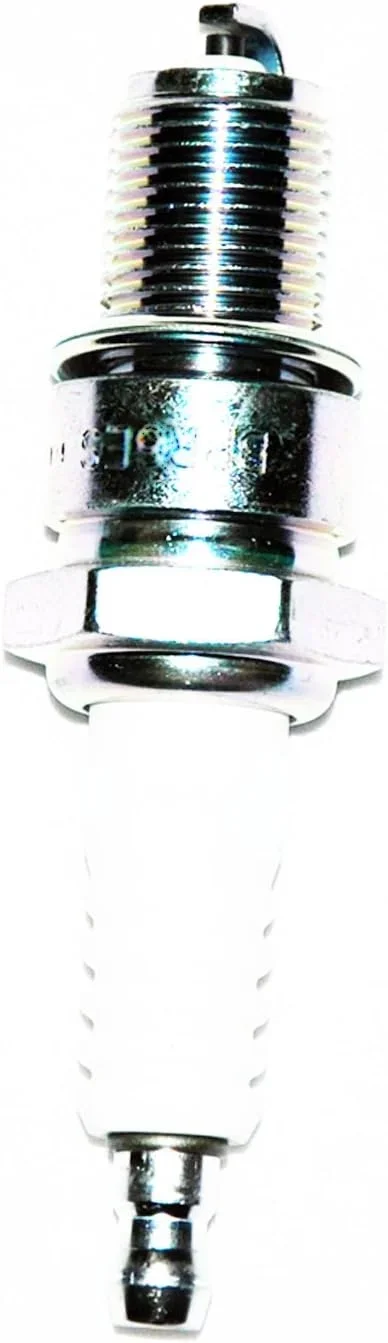
❌ Mistake: Buying Based Solely on Price
Why it’s bad: The cheapest spark plug isn’t always the best value. Low-cost generics may save you $2 upfront but fail within one season, requiring replacement and potentially causing engine issues due to poor ignition.
What to do instead: Focus on total cost of ownership. A $15 iridium plug that lasts 5 seasons is cheaper per use than a $5 copper plug replaced annually. Prioritize quality and compatibility over initial price.
❌ Mistake: Ignoring the Owner’s Manual
Why it’s bad: The manual specifies the exact plug type, gap, and replacement interval. Skipping this step risks using an incompatible part that voids warranties or damages the engine.
What to do instead: Always consult your HRX217 manual (available online from Honda if lost). It lists the correct part number and maintenance schedule—typically every 100 hours of operation or annually.
❌ Mistake: Assuming All “Equivalent” Plugs Are Equal
Why it’s bad: Just because a plug fits doesn’t mean it performs the same. Differences in electrode design, heat range, or materials can affect combustion efficiency.
What to do instead: Stick to direct OEM equivalents (like NGK BPR6ES) or verified cross-references from trusted sources. Use cross-reference charts from NGK or Denso websites to confirm compatibility.
❌ Mistake: Not Checking the Gap Before Installation
Why it’s bad: Pre-gapped plugs can shift during shipping or handling. An incorrect gap leads to hard starts, rough running, or stalling.
What to do instead: Always measure the gap with a proper tool before installing. Adjust gently if needed—never force the ground electrode.
❌ Mistake: Buying from Unverified Sellers
Why it’s bad: Counterfeit spark plugs are common on online marketplaces. They may look authentic but use inferior materials that fail quickly or damage your engine.
What to do instead: Purchase from authorized dealers like Honda Power Equipment dealers, Amazon (sold by Amazon or authorized resellers), or reputable small engine shops.
❌ Mistake: Delaying Replacement
Why it’s bad: A worn spark plug reduces fuel efficiency, increases emissions, and strains the ignition system. In extreme cases, it can cause piston or valve damage.
What to do instead: Replace the plug annually or every 100 operating hours—whichever comes first. Mark your calendar or log usage to stay on track.
❌ Mistake: Over-Tightening During Installation
Why it’s bad: The aluminum cylinder head on the HRX217 is soft. Over-tightening can strip threads, requiring costly repairs.
What to do instead: Hand-tighten first, then use a torque wrench to 13–15 ft-lbs (or about 1/4 turn past finger-tight). Never use impact tools.
Budget Guidelines: How Much Should You Spend?
When it comes to spark plugs for the Honda HRX217, you don’t need to break the bank—but you also shouldn’t go for the absolute cheapest option. Here’s a realistic breakdown based on performance, longevity, and value:
- Entry-Level ($4–$8): This range includes standard copper plugs like the NGK BPR6ES or Honda OEM equivalents. Ideal for casual users who mow once a week and replace plugs annually. Expect reliable performance for 1–2 seasons, but no frills.
- Mid-Range ($8–$12): The sweet spot for most homeowners. Platinum-tipped plugs (e.g., NGK BPR6ESP) offer 2–3 times the lifespan of copper with minimal performance trade-offs. Great for regular mowing and those who prefer less frequent maintenance.
- Premium ($12–$20): For enthusiasts, frequent mowers, or those in harsh environments. Iridium plugs like the NGK Iridium IX BPR6EIX deliver superior ignition, better fuel economy, and can last 5+ seasons. The upfront cost is justified by long-term savings and smoother operation.
- Luxury ($20+): Rarely necessary for the HRX217, but includes specialty plugs with multiple electrodes or exotic materials. Only consider if you’ve modified your mower or demand maximum reliability under extreme conditions.
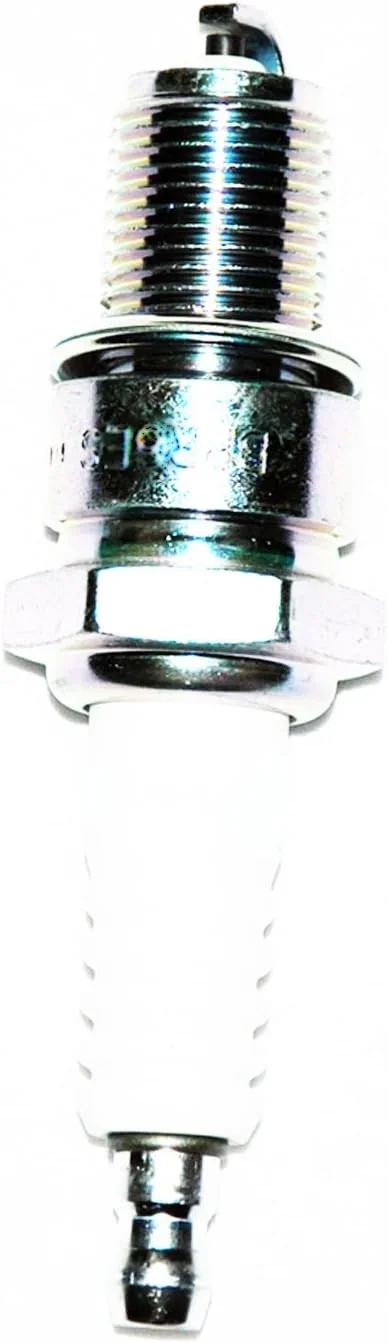
Expert Tips for Getting the Best Deal
- Buy During Off-Season: Spark plugs are often discounted in late fall or winter when demand is low. Stock up before spring arrives.
- Use Price Tracking Tools: Websites like CamelCamelCamel (for Amazon) or Honey can alert you when prices drop on your preferred plug.
- Check Local Dealers: Honda Power Equipment dealers sometimes offer seasonal promotions or bundle deals with oil and air filters.
- Read Recent Reviews: Older reviews may reference discontinued models. Focus on feedback from the past 6–12 months.
- Verify Authenticity: Look for anti-counterfeit features like holographic labels (NGK) or QR codes (Denso). Avoid sellers with no return policy.
- Consider Bundles: Some retailers sell spark plug + air filter + oil kits at a discount. Even if you don’t need everything now, these can save money long-term.
- Don’t Rush: Unless your mower won’t start, take time to compare options. A well-chosen plug pays dividends in performance and peace of mind.
- Ask for Help: If unsure, contact Honda customer service or a certified small engine technician. They can confirm compatibility and recommend trusted retailers.
Frequently Asked Questions
Q: How often should I replace the spark plug in my Honda HRX217?
A: Honda recommends replacing the spark plug every 100 hours of operation or at least once per mowing season—whichever comes first. If you notice hard starting, rough idling, or reduced power, inspect the plug immediately.
Q: Can I use a different spark plug brand as long as it fits?
A: Yes, but only if it’s a verified cross-reference (e.g., Denso W20EPR-U for NGK BPR6ES). Avoid untested substitutes, as differences in heat range or electrode design can affect performance.
Q: Will an iridium spark plug improve my mower’s performance?
A: It can. Iridium plugs provide a stronger, more consistent spark, which may result in easier starts, smoother idle, and slightly better fuel efficiency—especially noticeable in older or heavily used mowers.
Q: What happens if I install the wrong heat range spark plug?
A: A plug that’s too hot can cause pre-ignition and engine knocking; one that’s too cold may foul with carbon, leading to misfires. Always use the recommended heat range (BPR6ES = heat range 6).
Q: Do I need to gap the spark plug before installing it?
A: Most quality plugs come pre-gapped to 0.028–0.031 inches, but always verify with a wire gap tool. Never assume it’s correct out of the box.
Q: Where is the best place to buy a spark plug for the HRX217?
A: Authorized Honda dealers, Amazon (sold by Amazon or verified resellers), and specialty retailers like Jack’s Small Engines or Mower Parts Zone offer reliable options with good return policies.
Q: Can a bad spark plug damage my mower’s engine?
A: Yes. A failing plug can cause incomplete combustion, leading to carbon buildup, overheating, or even piston damage in extreme cases. Regular replacement prevents these issues.
Q: Is it worth upgrading from copper to iridium?
A: For most users, platinum is sufficient. But if you mow frequently or want maximum reliability with minimal maintenance, iridium is a worthwhile investment.
Q: How do I know if my spark plug is bad?
A: Signs include difficulty starting, engine sputtering, loss of power, or black, sooty deposits on the electrode. Remove and inspect annually—look for wear, cracking, or heavy carbon buildup.
Q: Can I clean and reuse a spark plug?
A: While you can clean mild carbon deposits with a wire brush or plug cleaner, it’s not recommended. Electrodes wear over time, and cleaning won’t restore lost performance. Replacement is the safest option.
Our Final Recommendations
- Best for Budget-Conscious Buyers: NGK BPR6ES – The OEM-standard copper plug offers reliable performance at an affordable price. Perfect for occasional users who prioritize value.
- Best Overall Value: NGK BPR6ESP (Platinum) – Combines extended lifespan with excellent ignition performance. Ideal for regular mowers seeking a balance of cost and durability.
- Best Premium Option: NGK Iridium IX BPR6EIX – Delivers superior spark strength, fuel efficiency, and longevity. Recommended for frequent users or those in demanding conditions.
- Best for Beginners: Honda 98079-56846 – Genuine Honda OEM part ensures perfect compatibility and peace of mind. Easy to find at authorized dealers.
- Best for Advanced Users: Denso Iridium Power IW20 – A high-performance alternative with a fine-wire iridium center electrode. Offers exceptional durability and consistent ignition.
Conclusion: Making the Right Choice
Choosing the right spark plug for your Honda HRX217 isn’t just about swapping out a worn part—it’s about ensuring your mower runs efficiently, starts reliably, and lasts for years to come. As we’ve explored, the decision hinges on several key factors: compatibility, electrode material, heat range, brand quality, and your own usage patterns. While it’s tempting to opt for the cheapest option or delay replacement, doing so can lead to bigger problems down the line.
Remember, the spark plug is the heart of your mower’s ignition system. A high-quality plug not only improves performance but also reduces emissions, saves fuel, and prevents costly repairs. Whether you’re a casual weekend mower or a dedicated lawn care enthusiast, investing in the right spark plug pays off in smoother operation and fewer headaches.
Use this guide as your roadmap. Prioritize your needs—budget, frequency of use, and desired longevity—and match them to one of our recommended options. Don’t forget to check the gap, buy from trusted sources, and replace annually for optimal results. And if you’re ever in doubt, consult your owner’s manual or reach out to a Honda-certified technician.
Your HRX217 deserves the best. Give it the spark it needs to keep your lawn looking its best—season after season.