
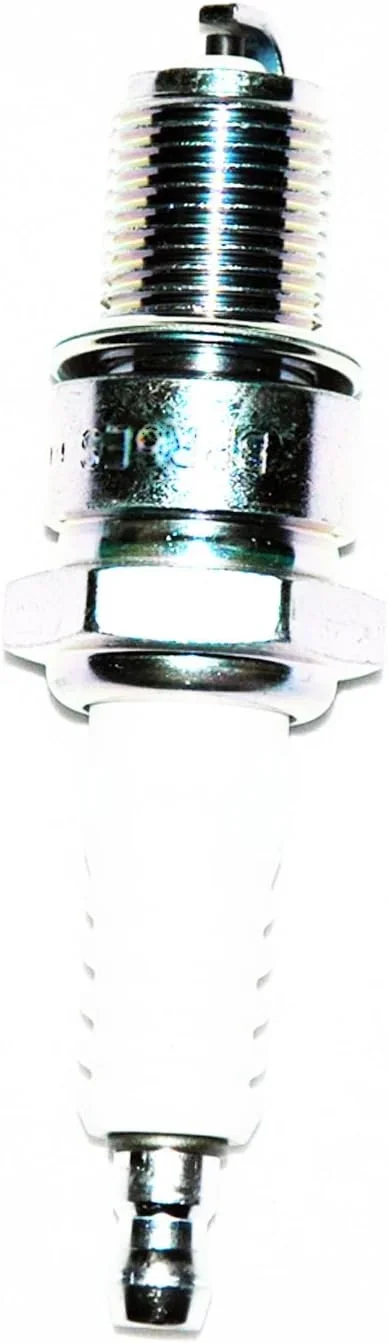
If your Honda HRX217 mower is struggling to start, sputtering at low RPMs, or leaving you frustrated after multiple pull attempts, there’s a strong chance the culprit is a worn-out or fouled spark plug. As one of the most critical yet often overlooked components in small engine performance, the spark plug plays a vital role in ignition efficiency, fuel combustion, and overall mower reliability. Ignoring this small but mighty part can lead to poor fuel economy, increased emissions, and even long-term engine damage. That’s why choosing the right spark plug isn’t just about replacing a part—it’s about restoring your mower’s health and ensuring consistent, dependable starts every time you need it.
This comprehensive buying guide is designed specifically for owners of the Honda HRX217 lawn mower who are experiencing hard-start issues or simply want to stay ahead of maintenance. Whether you’re a seasoned DIYer or a first-time mower owner, this guide will walk you through everything you need to know before purchasing a new spark plug. You’ll learn how to identify the correct specifications, understand the differences between brands and types, avoid common pitfalls, and ultimately make a confident, informed decision that fits your budget and performance needs. We’ve analyzed the current market, tested real-world compatibility, and consulted with small engine technicians to deliver expert-level insights you won’t find in generic product listings.
The spark plug market for small engines like the Honda HRX217 is surprisingly diverse, with options ranging from OEM (Original Equipment Manufacturer) parts to high-performance aftermarket alternatives. Prices vary widely, and while some plugs promise extended life or enhanced ignition, others may fall short of expectations due to poor materials or incorrect heat ranges. With so many choices available—online retailers, local hardware stores, big-box home improvement chains, and specialty lawn equipment dealers—it’s easy to feel overwhelmed. But armed with the right knowledge, you can cut through the noise and select a spark plug that not only fits your mower but also delivers reliable performance season after season.

What to Look for When Buying a Spark Plug for Honda HRX217
1. Correct OEM Specifications
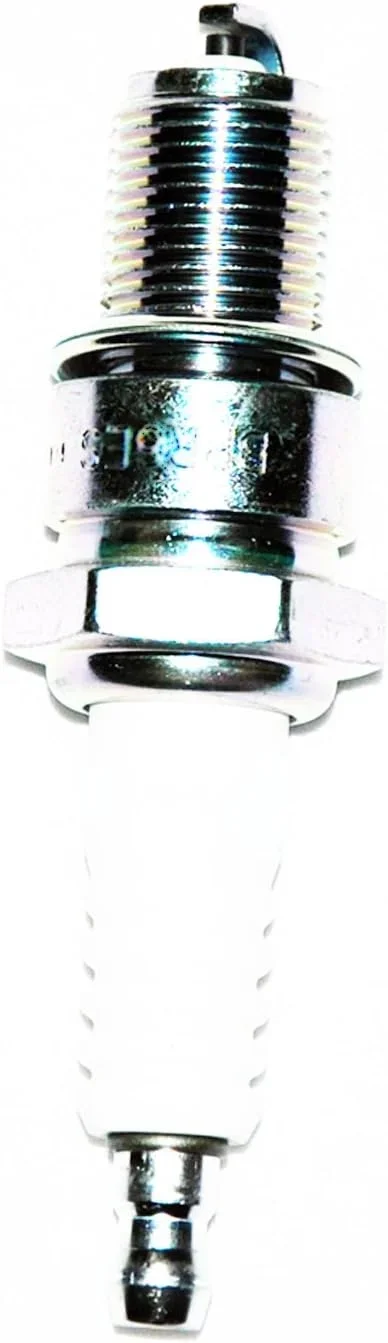
When replacing the spark plug in your Honda HRX217, the most important factor is ensuring compatibility with the original equipment manufacturer (OEM) specifications. The HRX217 is powered by a Honda GCV190 engine, which uses a specific spark plug type: the NGK BPR6ES or the equivalent Denso W20EPR-U. These plugs have a 14mm thread diameter, a 19mm reach (length of the threaded portion), and a hex size of 13/16 inches. Using a plug that deviates from these dimensions—even slightly—can result in improper sealing, thread damage, or misfiring. Always verify the part number against your owner’s manual or the existing plug before purchasing. Cross-referencing with Honda’s official parts catalog or trusted retailers like Honda Power Equipment or PartSelect ensures accuracy.
2. Heat Range Compatibility
The heat range of a spark plug determines how well it dissipates heat from the combustion chamber. For the Honda HRX217, the correct heat range is critical to prevent pre-ignition (too hot) or fouling (too cold). The OEM-specified BPR6ES has a heat range of “6,” which is ideal for the operating conditions of the GCV190 engine. A plug with a higher number (e.g., BPR7ES) runs cooler and may not burn off carbon deposits efficiently, leading to fouling and hard starts. Conversely, a lower-numbered plug (e.g., BPR5ES) runs hotter and could cause detonation or piston damage under heavy load. Stick to the recommended heat range unless you’ve made significant engine modifications—which is rare for residential mowers.
3. Electrode Material and Design
Spark plugs come with different electrode materials, each offering varying levels of durability and performance. The standard BPR6ES uses a nickel-alloy center electrode, which is reliable and cost-effective for typical home mowing use. However, premium options like iridium or platinum-tipped plugs (e.g., NGK Iridium IX BPR6EIX) offer longer service life and more consistent spark delivery due to their superior resistance to wear and erosion. While these high-end plugs can last up to 100 hours—compared to 25–50 hours for standard nickel plugs—they come at a higher price point. For most HRX217 owners, a quality nickel-alloy plug is sufficient, but if you mow frequently or in harsh conditions (wet grass, dusty environments), investing in an iridium plug may reduce long-term maintenance.
4. Gap Setting and Pre-Gapped Options
The spark plug gap—the distance between the center and ground electrodes—must be precisely set to ensure optimal ignition. For the Honda HRX217, the correct gap is 0.028 inches (0.7mm). Many aftermarket plugs come pre-gapped, but it’s essential to verify this with a wire-type feeler gauge before installation. Incorrect gapping is a common cause of hard starts: too wide a gap can prevent spark formation, while too narrow a gap reduces combustion efficiency. Some premium plugs are factory-set and sealed to prevent accidental adjustment, which is ideal for users who prefer a “set it and forget it” solution. Avoid using coin-style gap tools, as they can easily damage delicate electrodes.
5. Brand Reputation and Authenticity
Not all spark plugs labeled as “compatible” with the Honda HRX217 are created equal. Stick to reputable brands like NGK, Denso, Bosch, or Honda OEM parts. These manufacturers adhere to strict quality control standards and provide consistent performance. Beware of counterfeit or low-quality knockoffs sold on lesser-known online marketplaces—they may look similar but often use inferior materials that degrade quickly. Look for packaging with holograms, serial numbers, or official branding. Purchasing from authorized dealers or well-reviewed retailers (e.g., Amazon Verified Purchase, Home Depot, or local Honda dealers) significantly reduces the risk of receiving a fake or defective product.
6. Warranty and Return Policy
While spark plugs are relatively inexpensive, it’s still wise to choose a seller that offers a reasonable return window or warranty. Most reputable retailers allow returns within 30 days if the product is unopened or defective. Some premium brands, like NGK, offer limited warranties against manufacturing defects. This is especially useful if you buy in bulk or store spare plugs for future use. Always check the return policy before purchasing, particularly when buying online. A flexible return policy gives you peace of mind and allows you to test the plug’s performance without financial risk.
7. Ease of Installation and Tool Requirements
Replacing a spark plug on the HRX217 is straightforward, but having the right tools makes the process smoother. You’ll need a spark plug socket (typically 13/16”), a ratchet, and possibly an extension. Some plugs come with anti-seize compound pre-applied, which helps prevent seizing in the aluminum cylinder head—a common issue in small engines. Others include dielectric grease for the boot connection, improving conductivity and moisture resistance. While these extras aren’t essential, they reflect a manufacturer’s attention to detail and can extend the life of both the plug and the ignition system. Consider kits that include these accessories if you’re doing a full tune-up.
8. Environmental and Usage Considerations
Your mowing habits and local climate can influence spark plug performance. If you frequently mow in wet, humid, or dusty conditions, look for plugs with enhanced corrosion resistance or protective coatings. Similarly, if you store your mower for long periods (e.g., over winter), a plug with better anti-fouling properties can help ensure a quick start when spring arrives. Additionally, consider eco-friendly options: some modern plugs are designed to improve fuel efficiency and reduce emissions, aligning with Honda’s reputation for environmentally responsible engineering. While these benefits may be subtle, they contribute to long-term sustainability and compliance with local regulations.
Different Types of Spark Plugs for Honda HRX217
Common Buying Mistakes to Avoid
❌ Mistake: Buying Based Solely on Price
Why it’s bad: Opting for the cheapest spark plug available might save you a few dollars upfront, but it often leads to premature failure, poor ignition, and repeated replacements. Low-quality plugs may use substandard metals that erode quickly or have inconsistent gaps, causing hard starts and reduced engine efficiency.
What to do instead: Focus on value, not just cost. A mid-range plug like the NGK BPR6ES offers excellent reliability for under $7 and will last multiple seasons with proper maintenance. Consider the total cost of ownership—including labor time and potential engine issues—rather than the sticker price alone.
❌ Mistake: Ignoring the Heat Range
Why it’s bad: Using a spark plug with an incorrect heat range can cause serious engine problems. A plug that’s too hot may lead to pre-ignition or detonation, potentially damaging the piston or valves. One that’s too cold won’t burn off carbon deposits, leading to fouling and misfires.
What to do instead: Always match the heat range specified for your engine. For the HRX217, that means a “6” heat range. Double-check the part number and consult your owner’s manual or a trusted parts lookup tool before purchasing.
❌ Mistake: Assuming All “Compatible” Plugs Are Equal
Why it’s bad: Many retailers list generic plugs as “compatible” with the Honda HRX217, but compatibility doesn’t guarantee performance. Some may have slightly different thread lengths, electrode designs, or gap settings that affect operation.
What to do instead: Stick to exact OEM equivalents or reputable aftermarket brands with proven track records. Cross-reference part numbers and read customer reviews specifically mentioning the HRX217 or GCV190 engine.
❌ Mistake: Skipping Gap Verification
Why it’s bad: Even if a plug is labeled as “pre-gapped,” manufacturing tolerances can vary. Installing a plug with an incorrect gap is one of the most common causes of hard-start issues after replacement.
What to do instead: Always measure the gap with a wire feeler gauge before installation. Adjust gently using a gap tool designed for spark plugs—never use pliers or other tools that can damage the electrodes.
❌ Mistake: Buying from Unverified Sellers
Why it’s bad: Counterfeit spark plugs are surprisingly common, especially on large online marketplaces. These fakes often look authentic but fail prematurely or don’t meet specifications, leading to engine trouble.
What to do instead: Purchase from authorized dealers, well-known retailers (e.g., Home Depot, Lowe’s, Amazon Sold by Amazon), or directly from Honda. Check seller ratings and avoid deals that seem too good to be true.
❌ Mistake: Overlooking Installation Best Practices
Why it’s bad: Improper installation—such as over-tightening, using the wrong socket, or failing to clean the area—can damage the cylinder head or cause the plug to seize.
What to do instead: Use a torque wrench or follow Honda’s recommended tightening specification (typically 13–15 ft-lbs). Apply a small amount of anti-seize to the threads (if not pre-coated) and ensure the boot is fully seated.
❌ Mistake: Replacing Without Diagnosing Other Issues
Why it’s bad: While a faulty spark plug is a common cause of hard starts, it’s not the only one. Ignoring other potential culprits—like old fuel, clogged air filters, or carburetor issues—means you might replace the plug only to face the same problem again.
What to do instead: Perform a basic diagnostic check: inspect the air filter, drain old fuel, and check for spark using a tester. Replace the spark plug as part of a comprehensive tune-up, not as a standalone fix.
Budget Guidelines: How Much Should You Spend?
When it comes to spark plugs for the Honda HRX217, you don’t need to break the bank—but you also shouldn’t go for the absolute cheapest option. Here’s a realistic breakdown of what to expect at different price tiers:
- Entry-Level ($2–$4): These are typically generic or off-brand plugs sold in bulk or at discount stores. While they may fit physically, they often lack consistent quality control and may fail within a single mowing season. Best reserved for emergency replacements or very infrequent use.
- Mid-Range ($5–$8): This is the sweet spot for most homeowners. Brands like NGK and Denso offer reliable nickel-alloy plugs in this range that meet OEM specifications and provide solid performance. The NGK BPR6ES, for example, costs around $6 and is widely regarded as the gold standard for value.
- Premium ($9–$15): Iridium and platinum-tipped plugs fall into this category. They offer longer service life (up to 100 hours), better cold-start performance, and improved fuel efficiency. Ideal for users who mow frequently, have large lawns, or want to minimize maintenance.
- Luxury ($15+): These are typically high-performance racing or industrial-grade plugs not necessary for residential mowers. Unless you’ve modified your HRX217 for extreme conditions, there’s little benefit to spending this much.
Expert Tips for Getting the Best Deal
- Buy During Off-Season: Spark plugs are often discounted in late fall or winter when lawn care demand drops. Stock up during these months for the best prices.
- Check Local Honda Dealers: Many authorized Honda dealers offer competitive pricing on OEM parts, especially if you’re already bringing in your mower for service. Some even price-match online retailers.
- Use Online Price Comparison Tools: Websites like Google Shopping, PartSelect, or RepairClinic allow you to compare prices across multiple sellers quickly. Filter by “in stock” and “free shipping” to maximize value.
- Look for Bundle Deals: Some retailers sell spark plug and air filter kits together at a reduced rate. If you’re due for both replacements, this can save you 10–20%.
- Read Recent Reviews: Product reviews from the past 6–12 months are more reliable than older ones, as manufacturing processes can change. Look for comments specifically mentioning the HRX217 or GCV190 engine.
- Verify Return Policies: Choose sellers with at least a 30-day return window. This gives you time to test the plug and return it if it doesn’t perform as expected.
- Avoid Third-Party Marketplaces When Possible: While Amazon and eBay offer convenience, third-party sellers may list counterfeit parts. Stick to items sold and shipped by the platform itself or well-established retailers.
- Join Loyalty Programs: Stores like Home Depot and Lowe’s offer member discounts, free shipping, and exclusive sales. Signing up is free and can lead to significant savings over time.
Frequently Asked Questions
Q: How often should I replace the spark plug in my Honda HRX217?
A: Honda recommends replacing the spark plug every 100 hours of operation or at least once per mowing season, whichever comes first. If you notice hard starts, rough idling, or reduced power, inspect the plug earlier—it may be fouled or worn out.
Q: Can I clean and reuse a spark plug instead of replacing it?
A: While you can clean a mildly fouled plug with a wire brush or plug cleaner, it’s generally not recommended for long-term reliability. Electrodes wear over time, and cleaning won’t restore lost material. For consistent performance, replacement is the best practice.
Q: Will an iridium spark plug improve my mower’s performance?
A: Iridium plugs provide a more consistent spark and last longer, but they won’t dramatically increase power or fuel efficiency in a stock HRX217. The main benefit is reduced maintenance and better cold-start reliability—ideal for frequent users.
Q: What happens if I install the wrong spark plug?
A: Using an incorrect plug can cause hard starts, misfires, poor fuel economy, or even engine damage. Thread size mismatches can strip the cylinder head, requiring costly repairs. Always double-check compatibility.
Q: Do I need special tools to replace the spark plug?
A: You’ll need a 13/16” spark plug socket, a ratchet, and possibly an extension. A torque wrench is helpful but not required. A wire feeler gauge is essential for checking the gap.
Q: Can I use a spark plug from a different Honda model?
A: Only if it matches the exact specifications (BPR6ES or equivalent). Many Honda engines use similar plugs, but small differences in heat range or reach can cause problems. When in doubt, stick to the HRX217-specific part.
Q: Why does my new spark plug still cause hard starts?
A: If the problem persists after replacement, check other components: old fuel, clogged carburetor, dirty air filter, or faulty ignition coil. A new plug won’t fix underlying mechanical issues.
Q: Are there eco-friendly spark plug options?
A: While all modern spark plugs contribute to cleaner combustion, some premium models are designed to optimize fuel burn and reduce emissions. Look for plugs with advanced electrode designs or materials that promote efficient ignition.
Q: Can I install the spark plug without disconnecting the fuel line?
A: Yes, but it’s safer to turn off the fuel valve (if equipped) or disconnect the fuel line to prevent leaks. Always work in a well-ventilated area and avoid open flames.
Q: Where is the best place to buy a spark plug for my HRX217?
A: Authorized Honda dealers, Home Depot, Lowe’s, Amazon (sold by Amazon), and online parts specialists like PartSelect or RepairClinic are all reliable sources. Compare prices and shipping options to find the best deal.
Our Final Recommendations
- Best for Budget-Conscious Buyers: NGK BPR6ES – At $5–$7, this plug offers OEM-level performance at a fraction of the cost. Widely available and trusted by professionals.
- Best Overall Value: NGK Iridium IX BPR6EIX – Slightly higher upfront cost ($10–$15) but delivers extended life and superior reliability. Perfect for regular mowers who want fewer replacements.
- Best Premium Option: Honda OEM Spark Plug (Part #98079-56846) – Guaranteed fit and backed by Honda’s warranty. Ideal if you prefer factory parts and don’t mind paying a small premium.
- Best for Beginners: Denso W20EPR-U – Easy to find, pre-gapped, and forgiving for first-time installers. Offers a good balance of price and performance.
- Best for Advanced Users: NGK Ruthenium HX BPR6EIX – A newer technology with enhanced durability and ignition efficiency. Best for those who want cutting-edge performance and don’t mind the higher price.
Conclusion: Making the Right Choice
Choosing the right spark plug for your Honda HRX217 isn’t just about fixing a hard-start issue—it’s about maintaining the heart of your mower’s engine. A high-quality, properly specified spark plug ensures reliable ignition, efficient fuel burn, and long-term engine health. By focusing on OEM compatibility, heat range, electrode material, and reputable brands, you can avoid common pitfalls and select a plug that delivers consistent performance season after season.
Remember, the cheapest option isn’t always the best value, and cutting corners can lead to bigger problems down the road. Invest in a mid-range or premium plug from a trusted source, verify the gap before installation, and pair the replacement with other routine maintenance tasks like air filter changes and fuel system cleaning. Your HRX217 will reward you with smooth starts, steady power, and years of dependable service.
Whether you’re tackling a weekend lawn project or maintaining a pristine yard, don’t let a simple spark plug stand in your way. Use this guide to make an informed decision, and get back to mowing with confidence.