
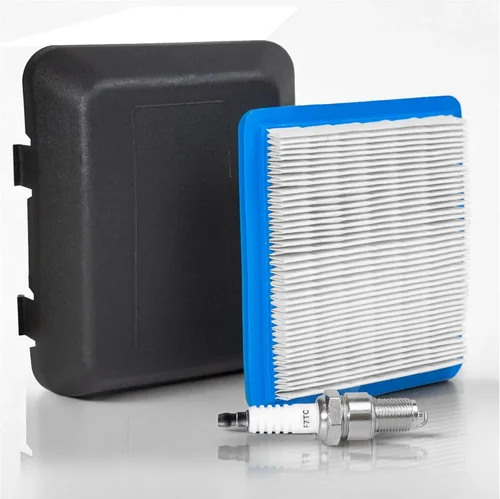
When your Honda GCV160 engine starts showing signs of trouble—especially the dreaded “no spark” condition—it’s easy to jump straight to ignition coils, spark plugs, or carburetors as the culprits. But what if the real issue starts much earlier in the combustion process? The air filter plays a surprisingly critical role in engine performance, fuel efficiency, and even spark reliability. A clogged, degraded, or improperly fitted air filter can restrict airflow so severely that the air-fuel mixture becomes too rich, leading to fouled spark plugs, poor combustion, and ultimately, a no-spark scenario due to wet-fouling or carbon buildup. That’s why choosing the right air filter for your GCV160 isn’t just about routine maintenance—it’s about preventing costly repairs and ensuring your lawn mower, pressure washer, or generator starts reliably every time.
This comprehensive buying guide is designed to cut through the noise and help you make an informed decision when selecting the best air filter for your Honda GCV160 engine. Whether you’re a weekend warrior maintaining your backyard equipment or a professional landscaper relying on consistent performance, understanding how air filtration impacts engine health is essential. In this guide, we’ll walk you through the key factors to consider—from material quality and fitment precision to brand reputation and budget considerations. We’ll also compare different types of air filters, highlight common mistakes to avoid, provide expert tips for getting the best value, and answer frequently asked questions based on real-world user experiences. By the end, you’ll have all the tools you need to choose a filter that not only fits your GCV160 but also enhances its longevity and performance.
The market for small engine air filters is crowded with options ranging from ultra-cheap generic replacements to premium OEM (Original Equipment Manufacturer) parts and high-performance aftermarket upgrades. While it might be tempting to grab the least expensive option at the local hardware store, doing so could cost you more in the long run through reduced engine life, increased fuel consumption, and repeated no-start issues. Conversely, overspending on unnecessary features won’t necessarily improve performance if the filter doesn’t match your usage patterns or environmental conditions. Our goal here is to help you strike the perfect balance between cost, quality, and functionality—so your GCV160 runs smoothly, starts easily, and delivers reliable spark under all conditions.
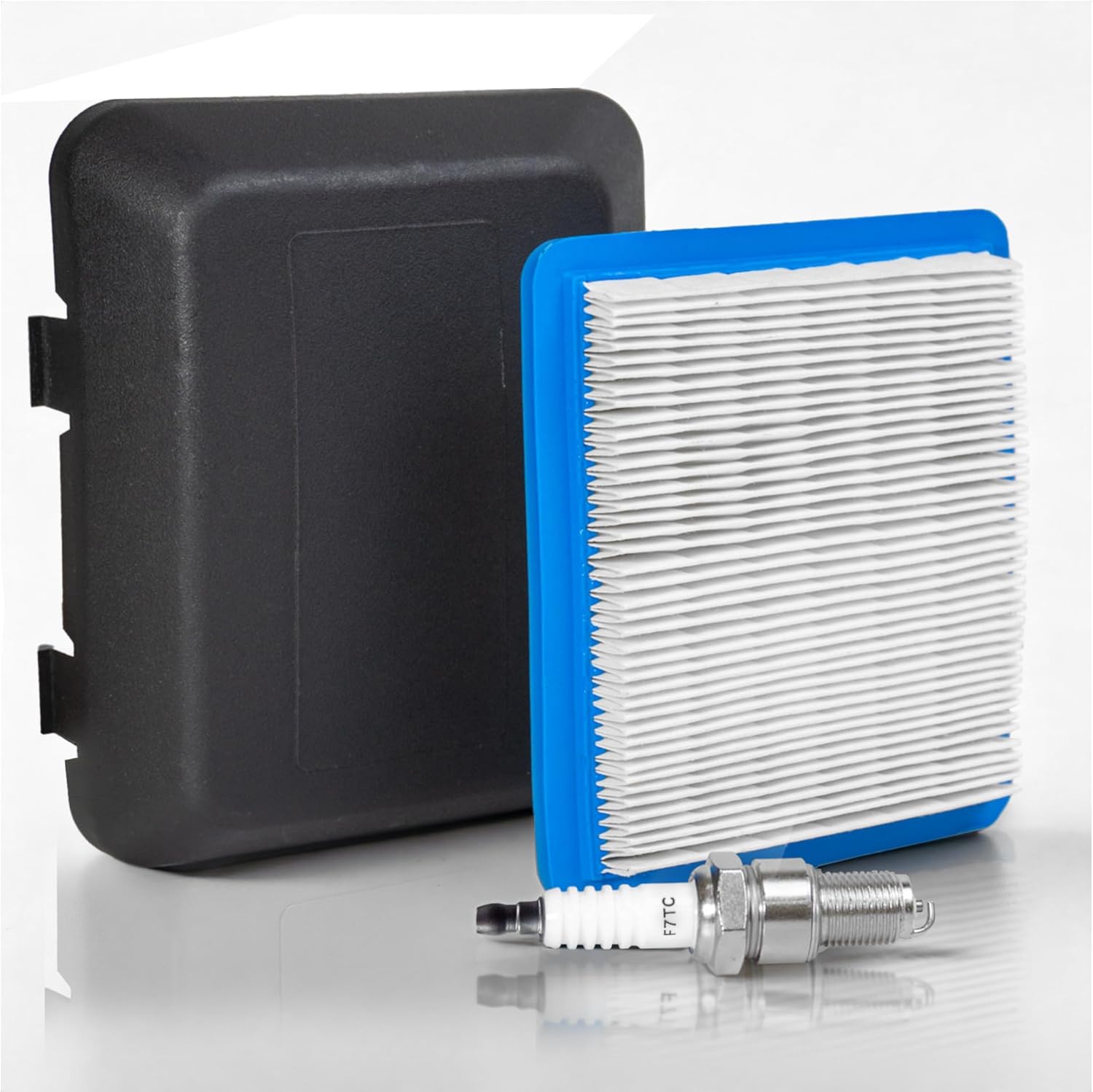
What to Look for When Buying Buying Guide
1. Compatibility & Fitment Precision
The single most important factor when selecting an air filter for your GCV160 is compatibility. Honda’s GCV160 engine uses a specific air filter housing design, and even minor deviations in dimensions can lead to poor sealing, unfiltered air bypassing the filter, or difficulty installing the cover. Always verify that the replacement filter matches the OEM part number—typically 17210-ZL8-013 or 17210-ZL8-023—or is explicitly listed as compatible with the GCV160. Generic filters labeled “fits Honda mowers” may not account for subtle differences between engine models (e.g., GCV160 vs. GCV190). A poorly fitting filter allows dirt and debris to enter the engine, accelerating wear on piston rings, cylinder walls, and valves—and can indirectly cause spark problems by contaminating the combustion chamber.
2. Filter Material & Construction
Air filters for small engines like the GCV160 typically come in two primary materials: paper (cellulose) and foam. OEM Honda filters are almost always high-density paper elements, which offer excellent filtration efficiency—capturing particles as small as 10 microns—while maintaining adequate airflow. Paper filters are ideal for dry, dusty environments where fine particulates are the main concern. Foam filters, often used in performance or off-road applications, are reusable and washable but generally provide less consistent filtration unless they’re oil-coated and maintained properly. For most residential GCV160 users, a premium paper filter is the safest bet. Look for filters with pleated designs, which increase surface area and extend service life without restricting airflow. Avoid ultra-thin or flimsy materials that can collapse under suction or tear during installation.
3. Filtration Efficiency vs. Airflow Balance
A common misconception is that “the tighter the filter, the better.” While high filtration efficiency protects your engine from abrasive particles, over-filtering can starve the engine of air, leading to a rich fuel mixture. This imbalance causes incomplete combustion, carbon buildup on spark plugs, and eventually, a no-spark condition due to fouling. The ideal GCV160 air filter strikes a balance: it must capture enough dirt to protect internal components while allowing sufficient airflow for optimal air-fuel ratio (typically around 14.7:1 for gasoline engines). Reputable manufacturers publish filtration ratings (e.g., 99% efficiency at 10 microns), but real-world performance matters more. User reviews often reveal whether a filter causes hard starting or loss of power—key indicators of airflow restriction.
4. Durability & Service Life
How often do you mow or run your equipment? If you use your GCV160-powered machine weekly during growing season, you’ll need a filter that lasts at least one full season without degrading. Cheap filters may warp, crack, or lose structural integrity after just a few months, especially in humid or high-heat conditions. Premium filters use reinforced frames, moisture-resistant adhesives, and UV-stable materials to withstand environmental stressors. Some aftermarket brands offer extended-life filters designed to go 2–3 seasons between changes, though this depends heavily on operating conditions. Always check the manufacturer’s recommended replacement interval—and don’t exceed it, even if the filter looks clean. Over time, microscopic pores can clog without visible signs, gradually reducing performance.
5. Brand Reputation & OEM vs. Aftermarket
Honda OEM filters are engineered to exact specifications and undergo rigorous testing for fit, flow, and filtration. They’re the gold standard—but they come at a premium (often $15–$25). However, several reputable aftermarket brands offer comparable quality at lower prices. Names like Briggs & Stratton (for compatible models), Stens, Oregon, and Maxpower have established track records in the small engine space. Avoid no-name brands sold in bulk packs on e-commerce sites; these often use substandard materials and inconsistent manufacturing. That said, don’t assume OEM is always better—some aftermarket filters actually outperform OEM in airflow tests while maintaining filtration standards. Read verified buyer reviews and look for brands that disclose material specs and testing data.
6. Ease of Maintenance & Replacement
Even the best air filter is useless if it’s a hassle to replace. The GCV160 uses a simple snap-on cover, so the filter should slide in smoothly without forcing. Some aftermarket filters come with alignment guides or pre-applied gaskets to ensure a tight seal. If you’re using a foam filter, consider whether you’re willing to commit to regular cleaning (every 10–20 hours of use) with mild soap and air-drying—or re-oiling if required. Paper filters are maintenance-free but must be replaced entirely. For users who prioritize convenience, a high-quality disposable paper filter is usually the best choice. Also, check if the filter comes with installation instructions or a compatibility chart—small details that reflect a manufacturer’s attention to user experience.
7. Environmental Conditions & Usage Patterns
Your local climate and how you use your equipment significantly influence filter selection. If you mow in dry, dusty fields or operate a pressure washer near construction sites, you’ll need a filter with higher dust-holding capacity. In contrast, humid or grassy environments may favor filters resistant to mold and moisture absorption. Similarly, if your GCV160 powers a backup generator used only during storms, a standard filter suffices—but frequent-use commercial operators might benefit from heavy-duty or high-flow variants. Matching the filter to your environment prevents premature clogging and ensures consistent engine performance year-round.
8. Warranty & Return Policy
While air filters are consumable parts, a solid warranty or return policy reflects confidence in product quality. Most reputable brands offer at least a 30-day return window, and some provide 6–12 month guarantees against defects. This is especially important when buying online, where you can’t inspect the filter beforehand. Check retailer policies too—Amazon, for instance, allows easy returns, while smaller e-commerce sites may charge restocking fees. If a filter fails to fit or causes performance issues within the first few uses, you should be able to swap it hassle-free.
Different Types of Buying Guide

Common Buying Mistakes to Avoid
❌ Mistake: Ignoring the OEM Part Number
Why it’s bad: Many buyers assume “Honda-compatible” means universal fit, but slight variations in filter depth or gasket design can cause air leaks. Unfiltered air entering the engine carries abrasive particles that wear down critical components, leading to poor compression and spark issues.
What to do instead: Always cross-reference the OEM number (17210-ZL8-013 or 023) with the replacement. Use Honda’s official parts lookup tool or trusted retailers like PartSelect or Jack’s Small Engines.
❌ Mistake: Choosing the Cheapest Option Available
Why it’s bad: Ultra-low-cost filters often use thin, low-density paper that tears easily or collapses under vacuum. This not only reduces filtration but can also send debris directly into the carburetor, causing fuel system clogs and spark plug fouling.
What to do instead: Spend a few extra dollars on a mid-tier aftermarket filter from a known brand. The long-term savings in engine longevity far outweigh the initial cost difference.
❌ Mistake: Overlooking Environmental Factors
Why it’s bad: Using a standard filter in a dusty construction site or sandy yard leads to rapid clogging. A restricted filter forces the engine to work harder, enriching the fuel mixture and increasing the risk of wet-fouled spark plugs—resulting in no spark.
What to do instead: Assess your operating environment. If dust is a major issue, consider a high-capacity paper filter or a pre-filter screen. In wet conditions, avoid foam filters unless they’re specifically treated for moisture resistance.
❌ Mistake: Assuming All “Reusable” Filters Are Better
Why it’s bad: Washable foam filters require meticulous maintenance. If not cleaned and re-oiled properly, they can restrict airflow or shed fibers into the engine. Many users skip maintenance, leading to performance degradation.
What to do instead: Only choose reusable filters if you’re committed to regular upkeep. For most homeowners, a high-quality disposable paper filter offers better reliability with zero maintenance.
❌ Mistake: Replacing Only When visibly Dirty
Why it’s bad: Air filters can lose efficiency long before they appear clogged. Microscopic pores become blocked, gradually reducing airflow and altering the air-fuel ratio. This silent degradation often manifests as hard starting or intermittent spark loss.
What to do instead: Follow the manufacturer’s replacement schedule (typically every 25–50 hours of operation or annually). Keep a maintenance log to track usage.
❌ Mistake: Buying Based Solely on Price or Packaging
Why it’s bad: Flashy packaging or “5-pack deals” can be misleading. Bulk packs often contain inferior filters with inconsistent quality control. You might save upfront but face repeated failures.
What to do instead: Prioritize verified customer reviews and brand transparency. Look for filters that specify material type, filtration rating, and compatibility details—not just bold claims like “premium” or “high performance.”
❌ Mistake: Neglecting the Air Filter Housing
Why it’s bad: Even the best filter won’t work if the housing is cracked, warped, or has a damaged gasket. Air can bypass the filter entirely, defeating its purpose and risking engine damage.
What to do instead: Inspect the housing each time you change the filter. Clean any debris, check for cracks, and ensure the cover seals tightly. Replace the housing if damaged—it’s a small cost compared to engine repair.
Budget Guidelines: How Much Should You Spend?
Entry-Level ($3–$7): This tier includes generic filters often sold in multi-packs. While tempting for budget-conscious buyers, these filters typically use low-grade materials with inconsistent pleating and weak frames. Expect shorter service life, potential fit issues, and higher risk of airflow restriction. Best reserved for emergency replacements or rarely used equipment.
Mid-Range ($8–$14): This is the sweet spot for most GCV160 owners. Filters in this range—from brands like Stens, Oregon, or Maxpower—offer OEM-comparable performance at 30–50% lower cost. They feature durable paper elements, precise fitment, and reliable filtration. Ideal for homeowners who mow weekly and want dependable performance without overspending.
Premium ($15–$25): This category includes genuine Honda OEM filters and top-tier aftermarket equivalents. You’re paying for guaranteed compatibility, rigorous quality control, and peace of mind. These filters are perfect for users who prioritize engine longevity, operate in harsh conditions, or rely on their equipment for income (e.g., landscapers).
Luxury ($25+): High-flow performance filters or specialty designs (e.g., dual-stage filtration) fall here. These are overkill for standard GCV160 applications unless you’ve modified your engine for increased output. For most users, the benefits don’t justify the cost—but enthusiasts or competitive users may appreciate the marginal gains in airflow and throttle response.

Expert Tips for Getting the Best Deal
- Buy during off-season sales: Retailers like Lowe’s, Home Depot, and Amazon often discount lawn equipment parts in late fall or winter. Stock up on filters when prices drop—they have a long shelf life if stored properly.
- Check local small engine shops: Independent dealers sometimes carry high-quality aftermarket filters at competitive prices and can offer personalized advice based on your region’s conditions.
- Subscribe to retailer newsletters: Many stores offer 10–15% off first orders or exclusive coupons for email subscribers. Combine these with seasonal promotions for maximum savings.
- Verify return policies before buying online: Ensure you can return the filter if it doesn’t fit. Some sellers charge restocking fees, so read the fine print.
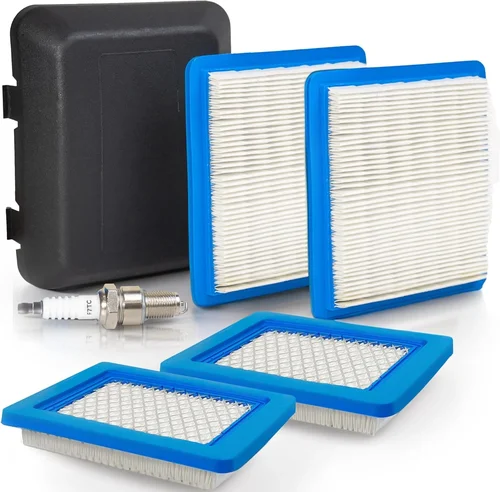
- Consider bundled maintenance kits: Some retailers sell air filter + spark plug + oil change kits at a discount. If you’re due for multiple services, this can save time and money.
- Don’t ignore user photos: On sites like Amazon or eBay, customer-uploaded images often show real-world fit and build quality better than product descriptions.
- Test fit before full installation: If possible, place the new filter in the housing without securing the cover to check alignment and clearance. This prevents damage from forcing a misaligned filter.

Frequently Asked Questions
Q: Can a dirty air filter really cause a no-spark condition?
A: Yes—indirectly. A severely clogged filter restricts airflow, creating a rich fuel mixture. This leads to incomplete combustion, carbon buildup on the spark plug, and eventually, wet-fouling that prevents spark generation. While the root cause is fuel-air imbalance, the air filter is often the starting point.
Q: How often should I replace the air filter on my GCV160?
A: Honda recommends inspecting the filter every 25 hours of operation and replacing it annually or when dirty. In dusty environments, check every 10–15 hours. Never wait until the engine runs poorly—prevention is key.
Q: Are aftermarket filters safe for my Honda engine?
A: Absolutely—if they’re from reputable brands and match OEM specs. Many aftermarket filters meet or exceed Honda’s standards. Avoid no-name generics, but trusted names like Stens or Oregon are excellent alternatives.
Q: Can I clean and reuse a paper air filter?
A: No. Paper filters are designed for single use. Attempting to clean them with compressed air or water damages the fibers and compromises filtration. Always replace paper filters.
Q: Will a high-flow filter improve my mower’s performance?
A: Not significantly on a stock GCV160. These engines are tuned for specific airflow rates. A high-flow filter may offer marginal gains only if other modifications (e.g., exhaust, carburetor) are made. For most users, it’s unnecessary.
Q: What’s the difference between part numbers 17210-ZL8-013 and 023?
A: Both fit the GCV160, but the 023 is a slightly updated version with minor material improvements. They’re generally interchangeable, but always confirm compatibility with your specific model year.
Q: My engine still won’t start after replacing the air filter. What now?
A: A new filter rules out airflow restriction, but no-spark issues can stem from faulty spark plugs, ignition coils, kill switches, or fuel problems. Test the spark plug first—if it’s wet or fouled, address the root cause (e.g., carburetor adjustment, choke misuse).
Q: Can I use a foam filter instead of paper on my GCV160?
A: Only if it’s specifically designed as a direct replacement. Standard foam filters lack the filtration precision of paper. If you switch, ensure it’s oil-coated (if required) and maintained regularly.
Q: Where’s the best place to buy a GCV160 air filter?
A: For OEM parts, try Honda Power Equipment dealers or authorized online retailers like PartSelect. For quality aftermarket options, Amazon, Jack’s Small Engines, or local lawn equipment stores are reliable sources.
Q: Does the air filter affect fuel efficiency?
A: Yes. A clean filter ensures optimal air-fuel mixture, improving combustion efficiency. A clogged filter can reduce fuel economy by 5–10% and increase emissions.
Our Final Recommendations
Best for Budget-Conscious Buyers: Stens 135-717 Air Filter – At under $10, this filter offers OEM-like fit and performance from a trusted brand. It’s pleated, durable, and widely praised for reliability in user reviews.
Best Overall Value: Oregon 36-028 Air Filter – Priced around $12, this filter combines high filtration efficiency, excellent airflow, and precise fitment. It’s a favorite among landscapers and homeowners alike.
Best Premium Option: Honda Genuine 17210-ZL8-023 – If you demand perfection and won’t compromise on quality, the OEM filter is unbeatable. Ideal for professionals or those who want guaranteed compatibility.
Best for Beginners: Maxpower 331610 Air Filter – Easy to install, clearly labeled, and includes a compatibility guide. Great for first-time DIYers who want a hassle-free experience.
Best for Advanced Users: K&N Small Engine Air Filter (if compatible) – While not always a direct fit, K&N offers high-flow reusable filters for modified GCV160s. Only recommended if you’re experienced with small engine tuning.
Conclusion: Making the Right Choice
Choosing the right air filter for your Honda GCV160 isn’t just about swapping out a part—it’s about safeguarding your engine’s health, preventing no-spark issues, and ensuring reliable performance season after season. As we’ve explored, the ideal filter balances compatibility, material quality, filtration efficiency, and value. While it’s tempting to cut corners, investing in a quality filter pays dividends in reduced maintenance, better fuel economy, and longer engine life.
Remember, your operating environment, usage frequency, and mechanical aptitude should guide your decision. Don’t let price alone dictate your choice—instead, prioritize fitment precision and brand reputation. And always pair your new filter with routine spark plug checks and carburetor maintenance to keep your GCV160 running at its best.
Whether you’re mowing your lawn, powering a generator, or tackling a landscaping job, the right air filter is a small component with a big impact. Use this guide to make a confident, informed purchase—and enjoy the peace of mind that comes with knowing your engine is protected. Your GCV160 will thank you with every reliable start.