

When it comes to maintaining the performance and longevity of your Honda GCV160 engine—commonly found in lawn mowers, pressure washers, and other small outdoor power equipment—few components are as critical as the air filter. Despite its modest size, the air filter plays a vital role in protecting the engine from dust, debris, and contaminants that can cause wear, reduce efficiency, and lead to costly repairs. Yet, many homeowners and DIY enthusiasts overlook this essential maintenance item, often replacing it with generic or incompatible filters that do more harm than good.
This comprehensive buying guide is designed to cut through the confusion and help you make an informed decision when selecting the best air filter for your GCV160 engine experiencing low power issues. Whether you’re troubleshooting a sluggish mower or simply performing routine maintenance, choosing the right air filter can restore performance, improve fuel efficiency, and extend the life of your engine. In this guide, we’ll walk you through everything you need to know—from understanding how air filters work and why they matter, to comparing different types, evaluating key features, and avoiding common pitfalls. You’ll also find expert tips, budget recommendations, and real-world insights to ensure you get the most value and reliability from your purchase.
The market for small engine air filters is surprisingly diverse, with options ranging from ultra-cheap paper filters to high-performance reusable foam and oiled cotton designs. However, not all filters are created equal—especially when it comes to compatibility with the Honda GCV160. This engine, known for its durability and efficiency, demands a filter that balances airflow, filtration efficiency, and durability. A clogged, ill-fitting, or low-quality filter can restrict airflow, causing the engine to run rich, lose power, overheat, or even fail prematurely. With so many options available online and in hardware stores, it’s easy to end up with a filter that doesn’t fit properly or doesn’t perform as advertised. That’s why this guide focuses specifically on the GCV160, providing tailored advice to help you choose a filter that not only fits but enhances your engine’s performance.

What to Look for When Buying Buying Guide
1. Compatibility with Honda GCV160
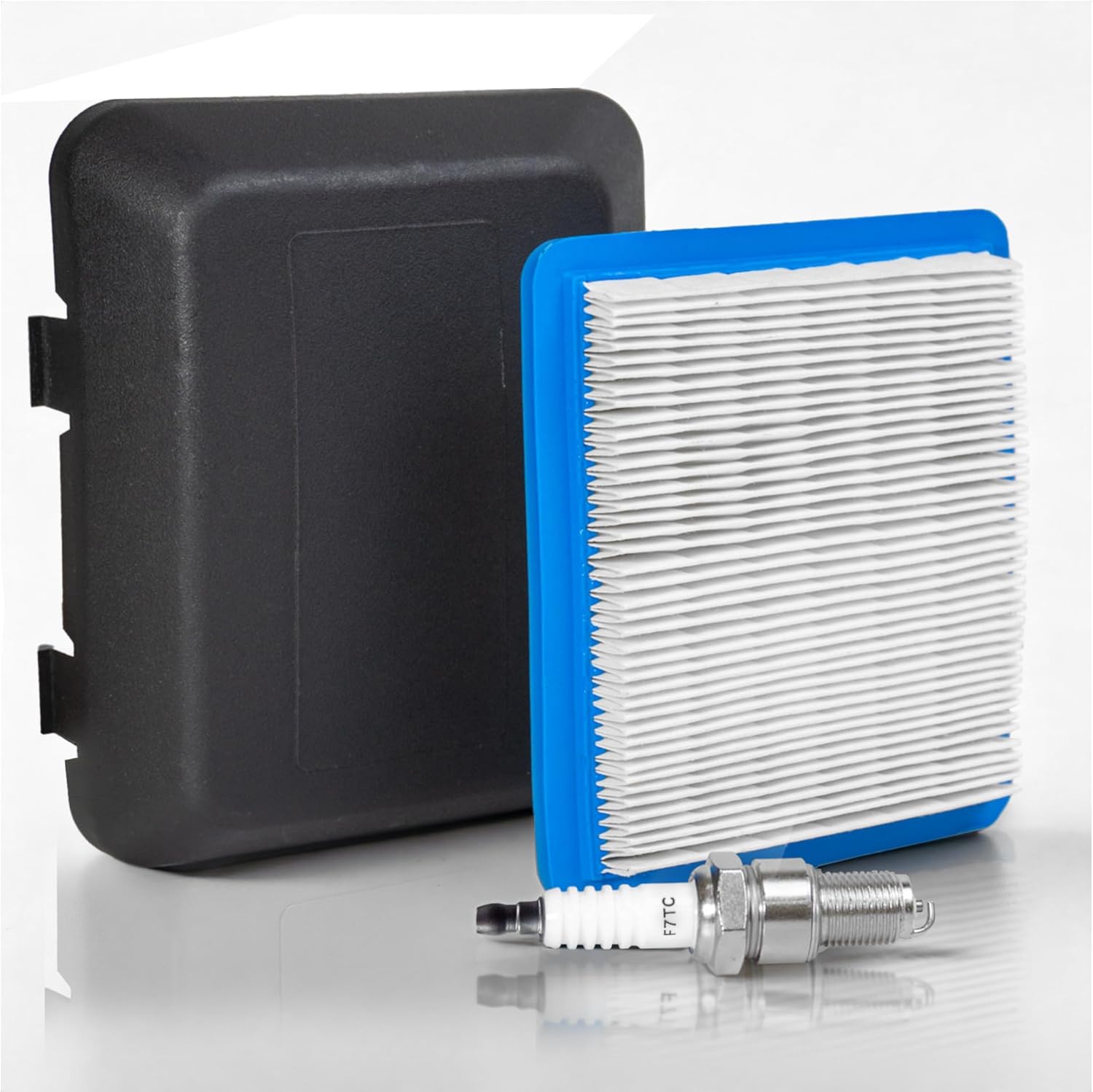
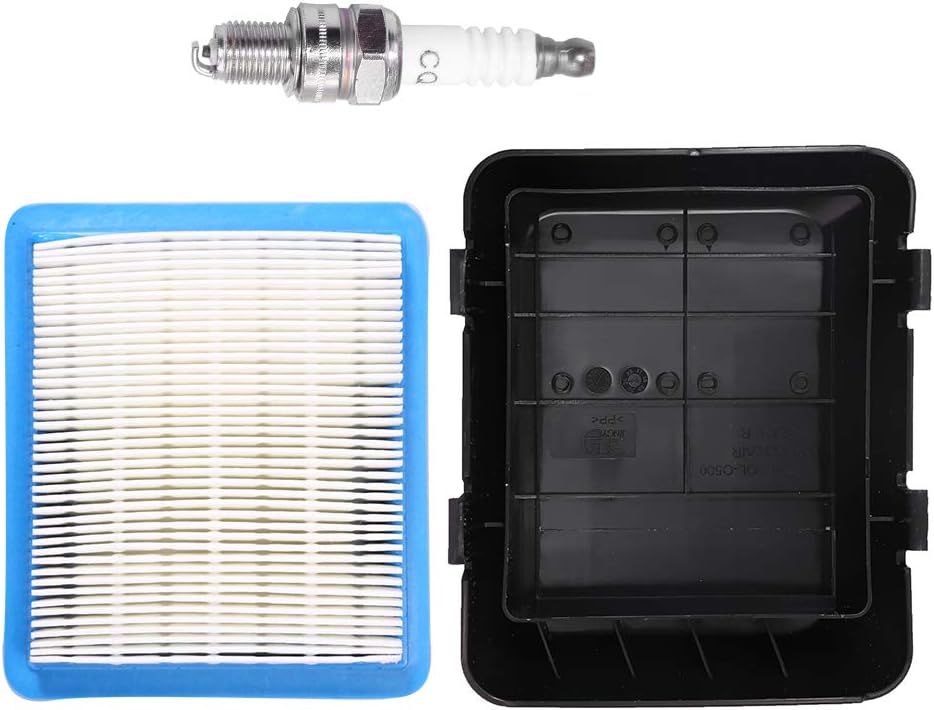
The most important factor when selecting an air filter for your GCV160 engine is compatibility. The GCV160 uses a specific air filter housing design, and filters must match both the dimensions and mounting style to function correctly. Using an incompatible filter can lead to poor sealing, allowing unfiltered air to bypass the filter and enter the engine. This not only reduces performance but can also cause internal damage over time. Always check the OEM (Original Equipment Manufacturer) part number—typically 17210-ZL8-003 or 17210-ZL8-013 for the GCV160—and ensure the replacement filter lists this number as compatible. Many aftermarket brands will specify compatibility with Honda GCV160, GCV190, and other models in the same family, but double-checking is essential.
2. Filtration Efficiency and Material Type
Air filters are made from various materials, each offering different levels of filtration and airflow. The three most common types are paper, foam, and oiled cotton (often used in high-flow performance filters). Paper filters are the standard OEM choice—they’re inexpensive, disposable, and offer excellent filtration for everyday use. However, they can clog quickly in dusty environments and must be replaced regularly. Foam filters, often used in off-road or high-dust applications, are reusable and can be cleaned and re-oiled, but they may not filter as finely as paper. Oiled cotton filters, like those from K&N, offer superior airflow and reusability but are typically overkill for a small engine like the GCV160 and may not fit without modification. For most users, a high-quality paper filter that matches OEM specifications offers the best balance of performance, protection, and cost.
3. Airflow and Engine Performance
A clogged or restrictive air filter is one of the most common causes of low power in small engines. When the filter becomes dirty, it restricts airflow to the carburetor, causing the engine to run rich (too much fuel, not enough air). This leads to poor combustion, reduced power, increased fuel consumption, and black smoke from the exhaust. A clean, properly designed filter ensures optimal air-to-fuel ratio, which is critical for peak performance. When shopping for a replacement, look for filters that maintain or improve upon the OEM airflow specifications. Some performance-oriented filters claim to increase airflow, but on a small engine like the GCV160, the gains are usually negligible and may compromise filtration if not designed correctly. Stick with reputable brands that prioritize balanced performance over exaggerated claims.
4. Build Quality and Durability
Not all air filters are built to the same standards. Cheap, off-brand filters often use inferior materials—thin paper media, weak frames, or poor sealing gaskets—that can degrade quickly or fail under normal use. A low-quality filter may tear during installation, allow dirt to bypass the media, or collapse under suction, all of which can damage your engine. Look for filters with sturdy plastic or rubber frames, tightly bonded media, and a snug fit in the housing. Reinforced edges and a durable seal are signs of a well-made filter. While you don’t need to spend a fortune, investing in a filter from a trusted brand ensures reliability and long-term protection for your engine.
5. Ease of Maintenance and Replacement
One of the advantages of the GCV160 engine is its user-friendly design, including easy access to the air filter. Most models feature a removable cover that allows quick inspection and replacement without tools. When choosing a filter, consider how easy it is to install and maintain. Some filters come with pre-applied gaskets or alignment tabs that make installation foolproof. Others may require additional steps, such as cleaning and re-oiling (in the case of reusable filters). For the average homeowner, a simple drop-in replacement that matches the OEM design is ideal. If you opt for a reusable filter, make sure you’re willing to commit to the maintenance routine—cleaning and re-oiling every 25 hours of use or seasonally, depending on conditions.
6. Brand Reputation and Reliability
With so many brands offering air filters for small engines, it’s important to choose one with a proven track record. Honda OEM filters are the gold standard—they’re designed specifically for your engine and undergo rigorous testing. However, they can be more expensive than aftermarket options. Reputable aftermarket brands like Briggs & Stratton, Stens, Oregon, and Kohler offer high-quality filters that meet or exceed OEM specifications at a lower price. Avoid no-name brands sold in bulk packs or on discount websites, as they often cut corners on materials and quality control. Reading customer reviews and checking for certifications (like ISO standards) can help you identify trustworthy manufacturers.
7. Warranty and Support
While air filters are consumable items, a good warranty can be a sign of confidence in the product’s quality. Some manufacturers offer limited warranties against defects in materials or workmanship, typically ranging from 90 days to one year. This is especially valuable if you purchase a reusable filter, which represents a larger upfront investment. Additionally, consider the availability of customer support—can you easily contact the manufacturer if you have questions or issues? Brands with strong support networks and clear return policies provide peace of mind, especially when buying online. Always keep your receipt and check the warranty terms before making a purchase.
8. Environmental Conditions and Usage Frequency
Your operating environment plays a significant role in determining the best air filter for your GCV160. If you mow in dry, dusty conditions—such as sandy soil or during drought—you’ll need a filter that can handle high particulate loads without clogging too quickly. In such cases, a filter with a larger surface area or multi-stage filtration (like a foam pre-filter over a paper element) may be beneficial. Conversely, if you use your equipment infrequently or in clean environments, a standard paper filter may suffice. Also consider how often you use your equipment: frequent users may benefit from reusable filters to reduce long-term costs, while occasional users may prefer the convenience of disposable filters. Matching the filter type to your usage pattern ensures optimal performance and value.
Different Types of Buying Guide
Common Buying Mistakes to Avoid

❌ Mistake: Buying the Cheapest Filter Available
Why it’s bad: Ultra-low-cost filters often use substandard materials that degrade quickly, tear easily, or fail to seal properly. This can allow dirt to enter the engine, causing accelerated wear and potential failure. The short-term savings are quickly outweighed by repair costs.
What to do instead: Invest in a mid-range filter from a reputable brand. The difference in price is minimal—often just a few dollars—but the improvement in quality and engine protection is significant.
❌ Mistake: Ignoring OEM Specifications
Why it’s bad: Using a filter that doesn’t match the OEM part number or dimensions can result in poor fitment, air leaks, or restricted airflow. Even small deviations can affect engine performance and void warranties.
What to do instead: Always verify compatibility using the Honda part number (17210-ZL8-003 or 17210-ZL8-013). Cross-reference with the manufacturer’s compatibility list before purchasing.
❌ Mistake: Overlooking Maintenance Requirements
Why it’s bad: Reusable filters require regular cleaning and re-oiling. Neglecting this maintenance can lead to clogged media, reduced airflow, and engine damage. Many users buy reusable filters for convenience but forget the upkeep.
What to do instead: If you choose a reusable filter, commit to the maintenance schedule. Set reminders or keep a log of service intervals. For low-maintenance needs, stick with disposable paper filters.
❌ Mistake: Assuming All Aftermarket Filters Are Equal
Why it’s bad: The aftermarket is flooded with low-quality imitations that mimic popular brands but use inferior materials. These filters may look similar but perform poorly and can damage your engine.
What to do instead: Stick to well-known brands with positive reviews and proven track records. Avoid filters sold in unmarked packaging or from unknown sellers.
❌ Mistake: Replacing Only When Obviously Dirty
Why it’s bad: Waiting until the filter is visibly clogged can already have caused engine damage. Restricted airflow reduces power and efficiency long before the filter appears dirty.
What to do instead: Follow the manufacturer’s recommended replacement interval—typically every 25 hours of use or annually. Inspect the filter regularly, especially in dusty conditions.
❌ Mistake: Modifying the Air Filter Housing
Why it’s bad: Drilling holes, removing covers, or installing non-standard filters to increase airflow can disrupt the engine’s air-fuel ratio and cause overheating or lean running conditions.
What to do instead: Use a properly designed filter that fits the OEM housing. If you need more airflow, consider a high-quality aftermarket filter designed for performance, not DIY modifications.
Budget Guidelines: How Much Should You Spend?
- Entry-Level ($5 – $10): This range includes basic paper filters from generic brands. While they may fit and function, quality can vary widely. Best for occasional users in clean environments who prioritize cost over longevity. Expect shorter lifespan and potential fit issues.
- Mid-Range ($10 – $18): The sweet spot for most buyers. Filters in this range come from reputable aftermarket brands (e.g., Stens, Oregon, Briggs & Stratton) and offer excellent value. They match OEM performance at a lower price and are widely available. Ideal for regular homeowners and light commercial use.
- Premium ($18 – $30): Includes OEM Honda filters and high-end aftermarket options with enhanced features like dual-stage filtration or improved media. These filters offer superior durability, exact fit, and often come with better warranties. Recommended for users who want maximum reliability and peace of mind.
- Luxury ($30+): Typically reusable oiled cotton filters from brands like K&N. While they offer excellent airflow and long-term savings, they are often over-engineered for the GCV160 and may require housing modifications. Best suited for enthusiasts or those operating in extreme conditions.

Expert Tips for Getting the Best Deal
- Buy in Bulk During Off-Season: Air filters are often discounted in winter when lawn care equipment is stored. Purchasing a 2- or 3-pack can save 15–20% compared to buying individually during peak season.
- Check Retailer Return Policies: Some online retailers offer free returns, which is helpful if the filter doesn’t fit. Avoid sellers with restocking fees or short return windows.
- Look for Bundle Deals: Many hardware stores and online retailers sell air filters as part of maintenance kits that include oil, spark plugs, and fuel stabilizer. These bundles often provide better value than buying items separately.
- Use Price Tracking Tools: Websites like Honey, CamelCamelCamel (for Amazon), or Google Shopping can alert you when prices drop on specific filters.
- Verify Seller Authenticity: When buying online, especially on marketplaces like Amazon or eBay, check that the seller is authorized or highly rated. Counterfeit filters are a growing problem.
- Consider Local Hardware Stores: While online shopping offers convenience, local stores often have knowledgeable staff who can help confirm compatibility and may price-match online deals.
- Keep Records: Note the date and hours of use when replacing your filter. This helps you track performance and plan future maintenance.
- Test Before Finalizing: After installation, run the engine and listen for unusual sounds or performance issues. A properly installed filter should restore smooth operation and power.
Frequently Asked Questions
Q: How often should I replace the air filter on my GCV160?
A: Honda recommends inspecting the air filter every 25 hours of operation and replacing it annually or when dirty. In dusty conditions, check it more frequently—every 10–15 hours. A clogged filter is a common cause of low power and hard starting.
Q: Can I clean a paper air filter instead of replacing it?
A: No. Paper filters are designed to be disposable. Attempting to clean them by tapping or blowing air can damage the media and reduce filtration efficiency. Always replace paper filters when dirty.
Q: Will a high-flow air filter increase horsepower on my GCV160?
A: Unlikely. The GCV160 is a small, fixed-geometry engine with limited airflow needs. High-flow filters may offer minimal gains but can compromise filtration if not properly designed. Stick with OEM-spec filters for balanced performance.
Q: Are aftermarket filters as good as Honda OEM?
A: Many reputable aftermarket brands (e.g., Stens, Oregon) produce filters that meet or exceed OEM standards. However, quality varies, so choose established brands with positive reviews. OEM filters guarantee perfect fit and performance.
Q: What are the signs of a bad air filter?
A: Common symptoms include reduced power, hard starting, black smoke from the exhaust, poor fuel economy, and rough idling. If your GCV160 is running sluggish, the air filter should be one of the first things you check.
Q: Can I use a foam filter in place of a paper one on my GCV160?
A: Only if it’s specifically designed as a direct replacement. Some foam filters are made to fit OEM housings, but generic foam inserts may not seal properly. Always ensure compatibility before switching types.
Q: Do I need to oil a reusable air filter?
A: Yes, if it’s an oiled cotton or foam filter. Follow the manufacturer’s instructions for cleaning and re-oiling. Over-oiling can cause rich running; under-oiling reduces filtration. Use only filter-specific oil.
Q: Where can I buy a genuine Honda air filter?
A: Genuine Honda filters are available at authorized dealers, Honda Power Equipment retailers, and online through sites like HondaLawnParts.com or Partzilla. Always verify the part number before purchasing.
Q: Is it safe to run the engine without an air filter?
A: Absolutely not. Running without a filter allows dirt and debris to enter the engine, causing rapid wear and potential catastrophic failure. Always replace a damaged filter immediately.
Q: Can a dirty air filter cause the engine to overheat?
A: Indirectly, yes. A clogged filter restricts airflow, leading to a rich fuel mixture and incomplete combustion. This can increase exhaust temperatures and cause the engine to run hotter than normal.
Our Final Recommendations
- Best for Budget-Conscious Buyers: Stens 135-734 Air Filter – A high-quality aftermarket filter that matches OEM specifications at a lower price. Durable, reliable, and widely available. Great value for regular homeowners.
- Best Overall Value: Oregon 36-028 Air Filter – Offers excellent filtration, precise fit, and long service life. Priced competitively and trusted by professionals and DIYers alike.
- Best Premium Option: Honda 17210-ZL8-003 Genuine Air Filter – The OEM choice for those who want guaranteed performance and compatibility. Ideal for warranty-sensitive users or those who demand the best.
- Best for Beginners: Briggs & Stratton 5412K Air Filter – Easy to install, affordable, and designed for small engines. Comes with clear instructions and is widely stocked at hardware stores.
- Best for Advanced Users: K&N E-4540 Air Filter – A reusable oiled cotton filter that offers superior airflow and long-term savings. Requires maintenance but ideal for enthusiasts or high-use applications. Note: Verify fitment before purchase.
Conclusion: Making the Right Choice
Choosing the right air filter for your Honda GCV160 engine is more than just a maintenance task—it’s an investment in performance, reliability, and longevity. A clean, properly fitting filter ensures optimal airflow, protects internal components, and restores lost power, especially in engines showing signs of low output. By understanding the key factors—compatibility, material type, build quality, and usage conditions—you can avoid common pitfalls and select a filter that meets your needs and budget.
Remember, the cheapest option isn’t always the best, and the most expensive isn’t always necessary. For most users, a mid-range filter from a reputable brand offers the ideal balance of cost, performance, and durability. Whether you’re a weekend warrior mowing your lawn or a professional maintaining multiple machines, taking the time to choose wisely will pay dividends in smoother operation, fewer repairs, and longer engine life.
Don’t wait until your engine starts sputtering or losing power. Proactive maintenance, including regular air filter inspection and replacement, is the simplest and most effective way to keep your GCV160 running at its best. Use this guide as your roadmap, follow the expert tips, and make a decision that supports both your equipment and your peace of mind. Your engine will thank you.