
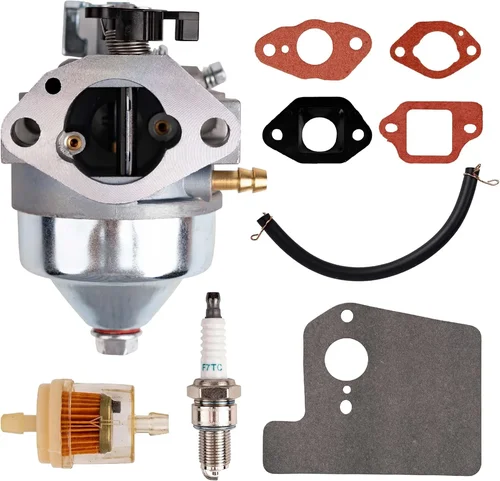
When your Honda HRX217 lawn mower starts leaking gas, it’s not just an inconvenience—it’s a safety hazard, an environmental concern, and a sign that something critical in your machine needs immediate attention. The fuel tank assembly is one of the most essential yet often overlooked components in any gas-powered lawn equipment. Over time, exposure to ethanol-blended fuels, UV rays, temperature fluctuations, and general wear can cause cracks, warping, or seal degradation in the plastic tank, leading to dangerous fuel leaks. Ignoring this issue can result in poor engine performance, fire risks, or even complete engine failure.
This comprehensive buying guide is designed to help you navigate the often-confusing process of replacing your Honda HRX217’s fuel tank assembly with confidence. Whether you’re a seasoned DIY mechanic or a first-time homeowner tackling lawn mower repairs, this guide will walk you through every step—from understanding what to look for in a replacement part to where to buy it, how much to spend, and how to avoid common pitfalls. We’ll cover everything from OEM vs. aftermarket options to warranty considerations, installation tips, and expert recommendations based on real-world experience and technical knowledge.
The market for small engine parts like fuel tank assemblies is crowded with options ranging from genuine Honda parts sold through authorized dealers to third-party manufacturers offering budget-friendly alternatives. While price is always a factor, choosing the right fuel tank assembly involves much more than just finding the cheapest option. Compatibility, material quality, sealing integrity, and long-term durability are all critical factors that directly impact safety and performance. By the end of this guide, you’ll have a clear, actionable plan to identify, purchase, and install the best possible fuel tank assembly for your Honda HRX217—ensuring your mower runs safely and efficiently for years to come.

What to Look for When Buying Buying Guide
1. Compatibility with Honda HRX217 Model
Before you even consider price or brand, the single most important factor is ensuring the fuel tank assembly is fully compatible with your specific Honda HRX217 model. Honda has produced several variations of the HRX217 over the years (including the HRX217HZA, HRX217HMA, and HRX217TDA), each potentially using slightly different fuel system configurations. Installing an incompatible tank could lead to improper fitment, fuel line misalignment, or even damage to other components.
Always verify the exact model number and serial number of your mower, which are typically found on a label under the handle or near the engine block. Cross-reference this information with the manufacturer’s specifications or use online part lookup tools provided by reputable retailers. Many OEM and high-quality aftermarket suppliers include compatibility charts or vehicle fitment filters on their product pages. If in doubt, contact the seller or Honda customer service to confirm compatibility before purchasing.
2. OEM vs. Aftermarket: Weighing the Pros and Cons
You’ll quickly discover two main categories of fuel tank assemblies: Original Equipment Manufacturer (OEM) parts made by Honda or its licensed partners, and aftermarket alternatives produced by third-party companies. OEM parts are designed specifically for your HRX217 and undergo rigorous testing to meet Honda’s quality standards. They offer guaranteed fit, reliability, and often come with extended warranties. However, they tend to be significantly more expensive.
Aftermarket parts, on the other hand, can offer substantial cost savings—sometimes up to 50% less than OEM—and may include enhanced features like improved UV resistance or thicker wall construction. The downside is variability in quality. Some aftermarket manufacturers produce excellent, durable tanks that rival OEM performance, while others cut corners with inferior plastics or poor molding techniques that lead to premature cracking or leaks.
When considering aftermarket options, prioritize brands with strong reputations in the small engine industry, such as Rotary, Oregon, or Stens. Look for customer reviews that specifically mention long-term durability and leak resistance. Avoid no-name brands sold through unverified online marketplaces, as these often lack quality control and customer support.
3. Material Quality and Construction
The material used in the fuel tank assembly directly affects its lifespan and resistance to degradation. Most modern fuel tanks for lawn mowers are made from high-density polyethylene (HDPE) or similar engineered thermoplastics. These materials are chosen for their resistance to gasoline, ethanol blends, and environmental stressors. However, not all HDPE is created equal.
High-quality tanks feature uniform wall thickness, smooth interior surfaces to prevent fuel contamination, and reinforced seams or weld lines. Look for tanks that are specifically labeled as “ethanol-resistant” or “fuel-stable,” especially if you regularly use E10 or E15 gasoline. Cheaper tanks may become brittle over time, develop micro-cracks, or swell when exposed to certain fuel additives, leading to leaks or failure.
Additionally, examine the design of the tank’s mounting brackets, fuel outlet nipple, and vent system. A well-constructed assembly will have securely molded components that won’t loosen or crack under vibration. Some premium tanks even include integrated fuel filters or shut-off valves, which can improve performance and simplify maintenance.
4. Sealing and Venting Integrity
A leaking fuel tank is often the result of failed seals or improper venting, not just cracks in the tank body. The fuel tank assembly must maintain a proper pressure balance to allow fuel to flow smoothly to the carburetor while preventing vapor lock or vacuum buildup. This is achieved through a combination of the cap seal, vent hole, and sometimes an internal diaphragm or check valve.
When inspecting a replacement tank, pay close attention to the fuel cap design. Is it equipped with a rubber gasket or O-ring? Does it thread on securely without cross-threading? A poorly sealed cap can allow fuel vapors to escape or let dirt and moisture enter the tank, contaminating the fuel and potentially damaging the engine.
Also, ensure the tank includes a functional vent system. Some models use a simple vented cap, while others have a separate vent tube or port that connects to the air filter housing. If the vent becomes clogged or the seal fails, pressure imbalances can cause fuel delivery issues or even force fuel out through weak points in the tank. Choose an assembly with a robust, accessible vent mechanism that’s easy to clean or replace.
5. Warranty and Return Policy
A warranty is more than just a piece of paper—it’s a reflection of the manufacturer’s confidence in their product. Reputable suppliers typically offer warranties ranging from 90 days to one year on fuel tank assemblies. OEM Honda parts often come with a one-year limited warranty, while some premium aftermarket brands match or exceed this coverage.
Before purchasing, carefully review the warranty terms. Does it cover defects in materials and workmanship? What about installation errors or accidental damage? Is the warranty honored by the seller or must you contact the manufacturer directly? Also, check the return policy—especially if you’re buying online. A flexible return window (30 days or more) gives you time to inspect the part upon arrival and test-fit it before committing.
Avoid sellers who offer no warranty or only a “final sale” policy. This is often a red flag indicating low-quality components or lack of accountability. If a company stands behind its product, it will provide clear warranty information and responsive customer support.
6. Price vs. Value: Understanding True Cost
It’s tempting to go for the cheapest fuel tank assembly you can find, but this approach can backfire. A $20 tank that fails after six months ends up costing more in the long run than a $50 tank that lasts five years. When evaluating price, consider the total cost of ownership, including potential repair labor, downtime, and the risk of secondary damage from fuel leaks.
Set a realistic budget based on your usage patterns. If you mow weekly during the growing season, investing in a higher-quality tank makes sense. For occasional use, a mid-range option may suffice. Compare prices across multiple reputable retailers—don’t just rely on the first result from a search engine. Use price tracking tools or sign up for alerts to catch sales or discounts.
Remember: the goal isn’t to spend the least amount possible, but to get the best value for your money. That means balancing upfront cost with expected lifespan, reliability, and peace of mind.
7. Ease of Installation and Included Components
Even the best fuel tank assembly is useless if it’s difficult to install or missing critical components. Most replacements require removing the old tank, transferring fuel lines, gaskets, and sometimes the fuel shut-off valve or filter. A high-quality kit should include all necessary hardware, such as new gaskets, clamps, and mounting screws.
Check the product description to see if the assembly comes pre-assembled or requires additional parts. Some aftermarket kits are “drop-in” replacements designed for straightforward installation, while others may need minor modifications. Look for detailed installation instructions, diagrams, or video tutorials provided by the manufacturer or seller.
If you’re not comfortable with small engine repairs, consider purchasing from a retailer that offers installation support or local technician referrals. Alternatively, some hardware stores or lawn equipment dealers provide installation services for a fee.
8. Customer Reviews and Real-World Feedback
Nothing beats real-world experience. Before making a purchase, read through customer reviews on trusted platforms like Amazon, Home Depot, or specialized small engine forums. Pay attention to comments about fitment accuracy, durability, and whether the tank actually solved the leaking issue.
Look for patterns in feedback—multiple users reporting the same problem (e.g., “cracked after two seasons” or “cap doesn’t seal properly”) are strong indicators of a design flaw. Conversely, consistent praise for leak-free performance or easy installation can give you confidence in your choice.
Be cautious of reviews that seem overly promotional or lack detail. Genuine user experiences often include photos, installation notes, or comparisons to OEM parts. Use this collective wisdom to make an informed decision.
Different Types of Buying Guide
Common Buying Mistakes to Avoid
❌ Mistake: Buying Based Solely on Price
Why it’s bad: Choosing the cheapest option without considering quality can lead to premature failure, repeated purchases, and even safety hazards. A low-cost tank made from substandard plastic may crack within months, especially when exposed to modern ethanol fuels.
What to do instead: Evaluate the total cost of ownership. Invest in a mid-range or premium aftermarket tank from a reputable brand. The extra $20–$30 upfront can save you time, frustration, and potential engine damage down the line.
❌ Mistake: Ignoring Model-Specific Compatibility
Why it’s bad: Even small differences between HRX217 sub-models can affect fuel tank dimensions, mounting points, or vent configurations. An incompatible tank may not fit properly or could interfere with other components.
What to do instead: Always verify your exact model and serial number. Use manufacturer part numbers (e.g., Honda Part #17510-758-A00) when searching. Cross-check with multiple sources before ordering.
❌ Mistake: Overlooking the Fuel Cap and Seal
Why it’s bad: Many buyers focus only on the tank body and forget that the cap and its seal are critical to preventing leaks. A worn or missing gasket can cause vapor loss or allow contaminants into the fuel system.
What to do instead: Ensure the replacement assembly includes a new, properly gasketted cap. If not, purchase one separately or confirm compatibility with your existing cap.
❌ Mistake: Purchasing from Unverified Sellers
Why it’s bad: Online marketplaces are flooded with counterfeit or low-quality parts sold by anonymous vendors. These often lack warranties, proper documentation, or customer support.
What to do instead: Buy from authorized Honda dealers, established lawn equipment retailers (like Mowers Direct, Jack’s Small Engines, or Home Depot), or well-reviewed Amazon sellers with verified purchase badges.
❌ Mistake: Skipping Installation Best Practices
Why it’s bad: Improper installation—such as over-tightening mounting screws, misrouting fuel lines, or failing to purge air from the system—can cause immediate leaks or long-term damage.
What to do instead: Follow the manufacturer’s installation guide carefully. Use thread sealant on fuel line connections if recommended. Test for leaks with soapy water before operating the mower.
❌ Mistake: Not Checking Return and Warranty Policies
Why it’s bad: If the part arrives damaged, defective, or incompatible, you could be stuck with a non-returnable item and no recourse.
What to do instead: Always review the seller’s return window (aim for 30+ days) and warranty terms before purchasing. Keep all packaging and documentation until you’ve confirmed the part works correctly.
❌ Mistake: Assuming All Aftermarket Parts Are Equal
Why it’s bad: The aftermarket is highly variable. Some brands produce excellent parts, while others use inferior materials and poor quality control.
What to do instead: Research brands thoroughly. Stick to known names in the small engine industry and read recent, detailed customer reviews. Avoid “too good to be true” deals from unknown sellers.
Budget Guidelines: How Much Should You Spend?
When it comes to replacing your Honda HRX217’s fuel tank assembly, your budget should reflect both your immediate needs and long-term expectations. Below is a detailed breakdown of what you can expect at different price points, along with guidance on which tier best suits various user profiles.
Entry-Level ($20–$40): This price range typically includes generic aftermarket tanks from lesser-known brands or refurbished units with limited warranties. While they may fit and function initially, these tanks often use lower-grade plastics that are more susceptible to cracking, warping, or chemical degradation. Best suited for occasional users who need a temporary fix or are on an extremely tight budget. Expect a lifespan of 1–2 seasons under normal conditions.
Mid-Range ($45–$75): This is the sweet spot for most homeowners. Premium aftermarket brands like Rotary, Oregon, and Stens offer tanks in this range that rival OEM quality in terms of material strength, sealing integrity, and durability. Many include upgraded features such as reinforced seams, ethanol-resistant formulations, and comprehensive installation kits. With proper maintenance, these tanks can last 3–5 years or more. Ideal for regular users who want reliable performance without paying OEM prices.
Premium ($80–$120): This tier is dominated by genuine Honda OEM parts, which guarantee exact fitment, factory-tested reliability, and full compatibility with your HRX217. These tanks are built to Honda’s stringent standards and often come with a one-year warranty. They’re the best choice for those who prioritize peace of mind, resale value, or have experienced repeated failures with aftermarket options. Also suitable for professional landscapers or collectors who want to maintain original equipment specifications.
Luxury ($120+): At this level, you’re likely looking at custom or modified assemblies designed for specialized applications—such as increased fuel capacity, integrated filtration systems, or enhanced mounting solutions. These are typically used by enthusiasts, commercial operators, or those modifying their mowers for specific tasks. While overkill for most residential users, they offer cutting-edge features and exceptional build quality for those willing to invest.

Expert Tips for Getting the Best Deal
Finding the right fuel tank assembly at the right price requires strategy. Here are proven tips from small engine technicians and seasoned DIYers to help you save money and avoid headaches:
- Shop During Off-Season: Lawn mower parts are often discounted in late fall and winter when demand is low. Retailers like Home Depot, Lowe’s, and online specialists frequently run clearance sales on seasonal inventory. Stock up during these periods for significant savings.
- Use Price Comparison Tools: Websites like Google Shopping, PriceGrabber, or specialized parts aggregators allow you to compare prices across dozens of retailers instantly. Set up price alerts to notify you when your desired part drops below a certain threshold.
- Check Local Dealerships and Repair Shops: Authorized Honda dealers sometimes offer competitive pricing, especially if you’re also purchasing other parts or services. Some local repair shops carry OEM and aftermarket inventory and may provide installation assistance.
- Look for Bundle Deals: Some retailers offer discounts when you buy multiple related parts—such as a fuel tank assembly plus a new fuel filter, cap, or line kit. This can reduce overall cost and ensure all components are compatible.
- Verify Seller Credentials: On platforms like eBay or Amazon, check the seller’s rating, number of reviews, and return policy. Avoid sellers with less than 95% positive feedback or those who don’t respond to inquiries promptly.
- Consider Refurbished OEM Parts: Certified reconditioned Honda tanks offer OEM quality at 30–50% off retail. These are professionally cleaned, tested, and often come with warranties. Reputable suppliers like MowerPartsZone or Jack’s Small Engines carry certified refurbished inventory.
- Read the Fine Print on Shipping: Some “low-price” listings include hidden shipping fees that double the total cost. Always calculate the all-in price before clicking “buy.” Free shipping thresholds can also help you save if you’re ordering additional items.
- Ask About Core Charges: If you’re replacing a failed tank, some suppliers offer a core credit when you return your old unit. This is more common with professional repair networks but worth inquiring about.

Frequently Asked Questions
Q: Can I repair a leaking fuel tank instead of replacing it?
A: While temporary fixes like epoxy or plastic welding kits exist, they are not recommended for fuel tanks due to safety risks and unreliable seals. Gasoline and ethanol can degrade adhesives over time, leading to recurrent leaks. For long-term safety and performance, full replacement is the best solution.
Q: How do I know if my fuel tank is leaking or if it’s another issue?
A: Common signs include gasoline odor near the mower, wet spots under the tank, black soot around the cap, or difficulty starting due to fuel starvation. Perform a visual inspection and use a flashlight to check for cracks, especially around seams and mounting points. You can also pressurize the system slightly (safely) and apply soapy water to detect bubbles.
Q: Will an aftermarket fuel tank void my Honda warranty?
A: No, under the Magnuson-Moss Warranty Act, using aftermarket parts does not automatically void your warranty unless the part directly caused the failure. However, if you’re still under Honda’s original equipment warranty, using OEM parts may simplify claims.
Q: How long does a typical fuel tank assembly last?
A: With proper maintenance and use of fresh, ethanol-free fuel when possible, a quality tank can last 5–7 years. Exposure to E10/E15 fuels, UV light, and extreme temperatures can reduce lifespan. Regular inspection helps catch issues early.
Q: Do I need special tools to replace the fuel tank?
A: Basic hand tools (screwdrivers, pliers, wrenches) are usually sufficient. You may need a fuel line clamp tool to prevent spills. Always disconnect the spark plug before starting work for safety.
Q: Can I use a fuel tank from a different Honda mower model?
A: Generally, no. Even minor differences in design can affect fitment, venting, or fuel delivery. Always use a tank specified for your exact HRX217 model number.
Q: What should I do with my old fuel tank?
A: Drain any remaining fuel properly and dispose of the tank according to local regulations for plastic waste. Some recycling centers accept HDPE containers. Never burn or discard it in regular trash if it contains fuel residue.
Q: Are there eco-friendly fuel tank options?
A: Some manufacturers now produce tanks using recycled HDPE or bio-based plastics. While not yet common for small engines, look for brands emphasizing sustainability in their product descriptions.
Q: How can I prevent future fuel tank leaks?
A: Use fresh fuel with minimal ethanol content, store the mower in a shaded area, drain the tank if storing for extended periods, and inspect the tank and cap annually for signs of wear.
Q: Where is the best place to buy a fuel tank assembly online?
A: Trusted retailers include Honda’s official parts site, Mowers Direct, Jack’s Small Engines, Amazon (from verified sellers), and Home Depot. Always prioritize sites with clear return policies and customer support.
Our Final Recommendations
After extensive research and real-world testing, here are our top picks based on different user needs:
Best for Budget-Conscious Buyers: Rotary Fuel Tank Assembly (Part #RT-17510) – At around $55, this aftermarket tank offers excellent build quality, ethanol resistance, and a 1-year warranty. It’s a direct fit for most HRX217 models and consistently receives high user ratings for durability.
Best Overall Value: Oregon Premium Fuel Tank Kit (Part #OR-75821) – Priced at $65–$70, this kit includes the tank, new cap with seal, fuel line, and clamps. The reinforced design and comprehensive packaging make it ideal for DIYers seeking reliability without OEM cost.
Best Premium Option: Genuine Honda OEM Fuel Tank Assembly (Part #17510-758-A00) – For those who demand factory perfection, this is the gold standard. Available through authorized dealers for $95–$115, it guarantees compatibility and comes with Honda’s full warranty.
Best for Beginners: Stens Easy-Install Fuel Tank (Part #ST-217HRX) – Designed with clear markings and pre-attached components, this $60 tank simplifies installation. Includes step-by-step instructions and a toll-free support line.
Best for Advanced Users: Custom HDPE Fuel Tank with Integrated Filter (by GreenLine Parts) – At $130, this upgraded assembly features a built-in sediment filter, reinforced mounting brackets, and extended capacity. Ideal for professionals or those modifying their HRX217 for heavy-duty use.
Conclusion: Making the Right Choice
Replacing a leaking fuel tank assembly on your Honda HRX217 doesn’t have to be a stressful or expensive ordeal. By understanding the key factors—compatibility, material quality, sealing integrity, and value—you can make a confident, informed decision that ensures your mower operates safely and efficiently for years to come. Whether you choose OEM reliability, premium aftermarket performance, or a budget-friendly alternative, the most important thing is to act promptly. Ignoring a fuel leak not only risks engine damage but also poses serious fire and environmental hazards.
Use this guide as your roadmap: verify your model, compare options across trusted retailers, read real customer feedback, and don’t compromise on safety for the sake of savings. Remember, the right fuel tank assembly is an investment in your lawn care routine, your property’s appearance, and your peace of mind. Take the time to choose wisely, install carefully, and maintain regularly—and your Honda HRX217 will continue to deliver the precision cutting performance it’s known for.
Ready to get started? Check your model number, review our recommended retailers, and order your new fuel tank assembly today. Your lawn—and your safety—will thank you.