
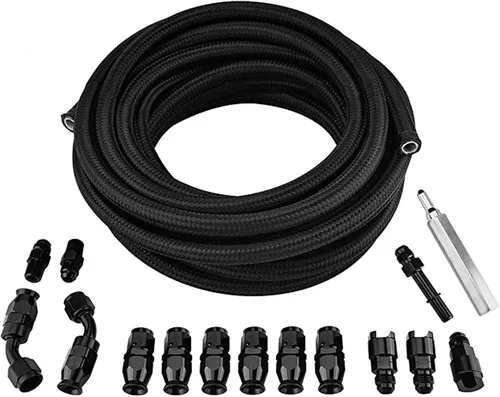
When your Honda HRX217 lawn mower starts sputtering, stalling, or refusing to start altogether, the culprit is often something small, overlooked, and surprisingly simple: the fuel line. Over time, these rubber or plastic tubes degrade from exposure to gasoline, heat, UV rays, and vibration—especially in a high-performance machine like the HRX217, which features Honda’s advanced MicroCut twin-blade system and powerful GCV engine. A cracked, brittle, or clogged fuel line can disrupt fuel flow, leading to poor engine performance, hard starts, or complete failure to run. Replacing it isn’t just a maintenance task—it’s essential for keeping your mower reliable, efficient, and safe.
That’s where a quality fuel line kit comes in. Unlike generic automotive fuel lines, kits designed specifically for small engines like those in the Honda HRX217 are engineered to withstand ethanol-blended fuels, resist kinking, and maintain flexibility under constant vibration. But with so many options on the market—from budget knockoffs to OEM-grade replacements—it’s easy to get overwhelmed. This guide cuts through the noise. Whether you’re a weekend warrior maintaining your suburban lawn or a seasoned landscaper relying on your HRX217 for daily use, you’ll learn exactly what to look for, where to buy, how much to spend, and how to avoid common pitfalls. We’ll walk you through performance specs, material quality, brand trust, and real-world user feedback so you can make a confident, informed decision.
The market for small engine fuel line kits has expanded significantly in recent years, driven by rising DIY culture and the longevity of premium mowers like the HRX217. You’ll find options ranging from $5 universal kits on Amazon to $30+ OEM Honda replacements sold through authorized dealers. Some include clamps and filters; others are bare tubing. Some are made of nitrile rubber; others use advanced fluoropolymer blends. The challenge isn’t finding a kit—it’s finding the right one for your needs, budget, and mechanical skill level. This guide will help you navigate that landscape with clarity, precision, and practical insight, ensuring your HRX217 runs smoothly season after season.

What to Look for When Buying Buying Guide
1. Compatibility with Honda HRX217 Specifications
Not all fuel lines are created equal—and not all are compatible with your Honda HRX217. The HRX217 uses a specific fuel system configuration with precise inner and outer diameter requirements (typically 1/8″ ID x 1/4″ OD), along with routing paths that accommodate its deck design and engine placement. Using an incompatible line can lead to leaks, improper fuel pressure, or difficulty routing through tight spaces. Always verify that the kit explicitly lists compatibility with the Honda HRX217 (model years 2010–present) or at minimum with Honda GCV190 engines. Check product descriptions, customer Q&As, and manufacturer documentation. OEM kits will always specify compatibility, while aftermarket options may require cross-referencing part numbers like Honda 17680-Z8B-861 (fuel line assembly) or 17680-Z8B-862 (fuel line B).
2. Material Quality & Chemical Resistance
The material of your fuel line determines its lifespan and reliability. Modern gasoline often contains up to 15% ethanol (E15), which accelerates degradation in low-quality rubber or PVC tubing. Look for fuel lines made from nitrile rubber (NBR), Viton®, or fluorinated ethylene propylene (FEP)—materials known for excellent resistance to ethanol, oil, heat, and ozone. Avoid cheap vinyl or standard rubber lines, which can swell, crack, or become brittle within months. High-quality kits will specify “ethanol-resistant” or “fuel-safe” materials in their descriptions. For example, Gates, Continental, and Dayco—brands trusted in automotive and small engine industries—use multi-layer constructions that prevent permeation and maintain flexibility. A durable fuel line won’t just last longer—it’ll also prevent dangerous fuel leaks that could pose fire risks or contaminate your lawn.
3. Kit Completeness & Included Components
A true “kit” should include more than just a length of tubing. At minimum, it should come with appropriately sized fuel line clamps (usually 5/16″ or 3/8″ worm-drive or spring clamps), and ideally a new fuel filter and shut-off valve if your HRX217 model uses one. Some premium kits even include installation tools, zip ties for routing, and detailed diagrams. Incomplete kits force you to source additional parts separately, increasing cost and complexity. For instance, Honda’s OEM fuel line kit (part #17680-Z8B-861) includes the main line, return line (if applicable), clamps, and grommet—everything needed for a factory-standard repair. Aftermarket kits vary widely: some are bare tubing only, while others bundle extras like primer bulb replacements or carburetor cleaning brushes. Assess your mechanical comfort level—if you’re a beginner, a comprehensive kit reduces the chance of missing a critical component.
4. Ease of Installation & Routing
The Honda HRX217’s compact engine bay and deck design mean fuel lines must be routed carefully around blades, belts, and frame components. A good kit accounts for this with pre-cut lengths or flexible yet kink-resistant tubing that bends smoothly without collapsing. Rigid or overly stiff lines can be impossible to route correctly, leading to strain at connection points or interference with moving parts. Look for kits that mention “easy routing,” “flexible design,” or include routing guides. Some aftermarket kits even color-code lines (e.g., red for supply, blue for return) to prevent mix-ups during installation. If you’re replacing both the main and return lines (common in models with a fuel pump), ensure the kit provides distinct lengths or markings. Poor routing not only makes installation frustrating but can also cause premature wear or fuel delivery issues down the line.
5. Brand Reputation & OEM vs. Aftermarket
Brand matters—especially when dealing with fuel systems. OEM (Original Equipment Manufacturer) parts from Honda guarantee exact fit, material quality, and performance matching your mower’s original specs. They’re tested rigorously and often come with a warranty. However, they’re typically more expensive. Aftermarket brands like Stens, Oregon, Rotary, and MaxPower offer viable alternatives at lower prices, but quality varies. Stick to brands with strong reputations in the outdoor power equipment (OPE) industry. Read reviews focusing on longevity, fitment accuracy, and customer service. Avoid unknown brands selling ultra-cheap kits with vague descriptions—these are often sourced from generic manufacturers and may fail quickly. A reputable aftermarket kit can save you 30–50% over OEM while still delivering reliable performance, provided you choose wisely.
6. Warranty & Return Policy
Even the best products can have defects or compatibility issues. A solid warranty (typically 1 year) and flexible return policy protect your investment. Honda OEM parts usually come with a 1-year limited warranty covering defects in materials and workmanship. Reputable aftermarket sellers like those on Amazon, eBay, or specialty OPE retailers often offer 30- to 90-day return windows. Check the seller’s return policy—not just the manufacturer’s—because some third-party vendors impose restocking fees or short return periods. If a kit arrives damaged, doesn’t fit, or fails within weeks, you want the option to exchange or refund without hassle. Additionally, some brands offer lifetime warranties on fuel lines, which is a strong indicator of confidence in their product’s durability.
7. Price vs. Value Proposition
It’s tempting to grab the cheapest kit available, but fuel line replacement is not an area to cut corners. A $5 kit might save money upfront but could cost you more in labor, frustration, or repeat failures. Conversely, spending $40 on an OEM kit may be overkill if a $15 aftermarket option meets all your needs. Evaluate the total value: included components, material quality, brand trust, and expected lifespan. For most homeowners, a mid-range aftermarket kit ($12–$20) from a known brand offers the best balance. Professionals or those who use their HRX217 heavily may justify the OEM premium for peace of mind. Always ask: “Will this last at least two mowing seasons without issues?” If the answer is uncertain, it’s not worth the risk.
8. User Reviews & Real-World Performance
Never underestimate the power of verified customer reviews. Look for feedback specifically mentioning the Honda HRX217 or GCV190 engine. Pay attention to comments about fitment accuracy, ease of installation, durability after several months, and whether the kit resolved starting or running issues. Watch out for red flags like “too short,” “clamps didn’t fit,” or “cracked after first use.” Platforms like Amazon, Home Depot, and Lowe’s allow filtering by “verified purchase,” which increases credibility. Also check YouTube for installation videos—seeing the kit in action on an actual HRX217 can reveal routing challenges or advantages not apparent in photos. Real users often spot issues that specs alone won’t reveal.
Different Types of Buying Guide
Common Buying Mistakes to Avoid
❌ Mistake: Assuming All Fuel Lines Are Interchangeable
Why it’s bad: Using a generic automotive fuel line or one sized for a different mower can result in incorrect inner diameter, leading to fuel starvation or overflow. The HRX217’s fuel system is precision-engineered, and even minor deviations can cause hard starts or engine damage.
What to do instead: Always confirm the inner and outer diameter match Honda’s specifications (typically 1/8″ ID). Cross-reference part numbers and read compatibility notes carefully.
❌ Mistake: Ignoring Ethanol Resistance
Why it’s bad: Standard rubber or PVC tubing deteriorates rapidly when exposed to ethanol-blended fuels, becoming brittle and cracking within one season. This leads to leaks, safety hazards, and repeated replacements.
What to do instead: Choose kits explicitly labeled “ethanol-resistant” or made from nitrile, Viton, or FEP materials. These withstand modern fuel formulations for years.
❌ Mistake: Buying Based Solely on Price
Why it’s bad: Ultra-cheap kits often use subpar materials and omit essential components like clamps or filters. You may end up spending more in the long run due to premature failure or additional purchases.
What to do instead: Evaluate the total value—components included, brand reputation, and expected lifespan. A $15 kit that lasts two seasons is better than a $7 kit that fails in three months.
❌ Mistake: Overlooking Routing Requirements
Why it’s bad: Rigid or incorrectly cut lines can kink, rub against sharp edges, or interfere with the blade brake clutch, causing fuel flow issues or mechanical damage.
What to do instead: Opt for flexible, kink-resistant tubing and ensure the kit provides adequate length for proper routing. Watch installation videos to understand path constraints.
❌ Mistake: Skipping the Fuel Filter
Why it’s bad: Reusing an old, clogged fuel filter reintroduces contaminants into the new line, negating the repair and potentially damaging the carburetor.
What to do instead: Always replace the fuel filter when changing the line. Most quality kits include one—if yours doesn’t, buy it separately (Honda part #16901-Z8B-861).
❌ Mistake: Not Checking Return Policies
Why it’s bad: If the kit doesn’t fit or arrives defective, a strict return policy could leave you stuck with unusable parts and wasted time.
What to do instead: Purchase from retailers with clear, customer-friendly return windows (e.g., Amazon, Home Depot). Avoid third-party sellers with “final sale” policies unless highly rated.
❌ Mistake: Installing Without Depressurizing the System
Why it’s bad: Fuel under pressure can spray when disconnecting lines, creating a fire hazard and making a mess. It also increases the risk of improper reconnection.
What to do instead: Always disconnect the spark plug wire and run the engine until it stalls to relieve fuel pressure before starting the replacement.
Budget Guidelines: How Much Should You Spend?
- Entry-Level ($5–$10): These are typically universal kits with basic rubber tubing and minimal accessories. Best for emergency fixes or very occasional use. Expect shorter lifespan (6–12 months) and potential fitment issues. Only consider if you’re experienced and can modify routing or source clamps separately.
- Mid-Range ($12–$22): This is the sweet spot for most homeowners. Kits from brands like Stens, Oregon, or Rotary offer ethanol-resistant materials, proper sizing, and often include clamps and filters. They balance cost, quality, and convenience, lasting 2–3 seasons with proper care.
- Premium ($23–$35): Includes OEM Honda kits and high-end aftermarket options with advanced materials (e.g., Viton-lined tubing) and comprehensive components. Ideal for professionals, frequent users, or those prioritizing long-term reliability and exact fit. Worth the investment if you rely on your HRX217 for daily mowing.
- Luxury ($35+): Rare for fuel line kits, but some specialty or eco-focused brands charge premium prices for biofuel compatibility or extended warranties. Only necessary if you use alternative fuels or operate in extreme conditions. For most, mid-range or premium suffices.

Expert Tips for Getting the Best Deal
- Buy During Off-Season: Late fall and winter are ideal times to purchase small engine parts. Retailers often discount overstock, and you’ll be ready for spring. Look for “end-of-season” sales at Home Depot, Lowe’s, or online OPE specialists.
- Compare Authorized Dealers vs. Online Marketplaces: Honda-authorized dealers guarantee OEM authenticity but may charge more. Online platforms like Amazon, eBay, or Jack’s Small Engines often offer competitive pricing and fast shipping—just verify seller ratings and return policies.
- Bundle with Other Maintenance Items: Many retailers offer discounts when you buy multiple parts together (e.g., air filter, spark plug, oil). Replacing the fuel line is a great time to refresh other consumables.
- Watch for Manufacturer Rebates: Occasionally, Honda or aftermarket brands run rebate promotions on maintenance kits. Sign up for newsletters from OPE retailers to stay informed.
- Check Local Repair Shops: Some small engine repair shops sell parts to DIYers at near-retail prices and can offer installation advice. They may also have leftover OEM kits at a discount.
- Read the Fine Print on “Lifetime” Warranties: Some brands advertise lifetime warranties but require registration, proof of purchase, and specific usage conditions. Understand the terms before relying on them.
- Test Fit Before Final Installation: Once you receive the kit, route the lines (without clamps) to ensure proper length and flexibility. This avoids frustration during actual installation.
- Keep Your Old Line as a Template: If replacing a non-kit line piecemeal, carefully measure and note the routing of the old line before removal. This helps ensure the new one matches exactly.

Frequently Asked Questions
Q: How often should I replace the fuel line on my Honda HRX217?
A: Honda recommends inspecting the fuel line annually and replacing it every 2–3 years or at the first sign of cracking, brittleness, or leaks. In high-ethanol fuel areas or with frequent use, annual replacement may be wise.
Q: Can I use automotive fuel line instead of a small engine kit?
A: Generally no. Automotive lines are not designed for the vibration, heat cycles, and ethanol exposure typical in lawn mowers. They may degrade faster and lack the correct inner diameter for proper fuel flow.
Q: Do I need special tools to replace the fuel line?
A: Basic hand tools suffice: needle-nose pliers, screwdrivers, and possibly a fuel line disconnect tool. No specialty equipment is required for the HRX217’s simple fuel system.
Q: Will a new fuel line fix my HRX217’s starting problems?
A: It can, especially if the old line is cracked or clogged. However, hard starting may also stem from a dirty carburetor, bad spark plug, or stale fuel. Always diagnose thoroughly before assuming the fuel line is the sole issue.
Q: Are aftermarket fuel line kits safe to use?
A: Yes, if they’re from reputable brands and specify compatibility with your model. Look for certifications like SAE J30 or ISO 7840, which indicate fuel-system safety standards.
Q: What’s the difference between a fuel line and a fuel hose?
A: In small engine contexts, the terms are often used interchangeably. However, “hose” may imply thicker, reinforced tubing, while “line” typically refers to smaller-diameter tubing. For the HRX217, “fuel line” is the correct term.
Q: Can I repair a cracked fuel line instead of replacing it?
A: Temporary fixes like fuel-resistant epoxy or hose menders exist but are not recommended for long-term use. They can fail unexpectedly and don’t address underlying material degradation. Full replacement is safer and more reliable.
Q: Where is the fuel line located on the HRX217?
A: The main fuel line runs from the fuel tank (under the handle) down to the carburetor on the engine. It passes through the deck and is secured with clips or grommets. The return line (if present) connects the primer bulb to the tank.
Q: Does the HRX217 have a fuel pump?
A: Most HRX217 models use a vacuum-operated fuel system with a primer bulb, not an electric pump. However, some variants may include a mechanical pump—check your owner’s manual or engine label.
Q: What happens if I install the fuel line backward?
A: On systems with a primer bulb, reversing the line can prevent proper priming or cause fuel to flow incorrectly. Always follow the original routing: tank → primer bulb → carburetor (or tank → carburetor directly if no primer).
Our Final Recommendations
- Best for Budget-Conscious Buyers: Stens 265-435 Fuel Line Kit – At around $14, this kit includes ethanol-resistant tubing, correct sizing for the HRX217, and durable clamps. Highly rated for fit and value.
- Best Overall Value: Oregon 52-118 Fuel Line Kit – Priced at $16–$18, it offers premium nitrile rubber, precise cut lengths, and a new fuel filter. A favorite among DIYers for its reliability and completeness.
- Best Premium Option: OEM Honda 17680-Z8B-861 Fuel Line Assembly – For those who demand factory perfection, this is the gold standard. Guaranteed fit, top-tier materials, and peace of mind—worth the $30+ price for critical repairs.
- Best for Beginners: Rotary RTL-101 Fuel Line Repair Kit – Comes with detailed instructions, color-coded lines, and all necessary hardware. Great for first-time DIYers nervous about complex routing.
- Best for Advanced Users: Continental ContiTech Fuel Line (sold by the foot) – If you prefer sourcing individual components, this high-performance FEP-lined tubing lets you customize length and pair with your choice of clamps and filters.
Conclusion: Making the Right Choice
Replacing the fuel line on your Honda HRX217 might seem like a minor task, but it’s a critical maintenance step that directly impacts performance, safety, and longevity. A degraded fuel line doesn’t just cause inconvenience—it can lead to engine damage, fuel leaks, or even fire hazards. By understanding what to look for—compatibility, material quality, kit completeness, and brand reputation—you can avoid costly mistakes and ensure your mower runs reliably for years to come.
Remember, the cheapest option isn’t always the best, and the most expensive isn’t always necessary. For most homeowners, a mid-range aftermarket kit from a trusted brand offers the ideal blend of quality, affordability, and ease of use. Professionals or those under warranty may lean toward OEM, while budget-focused users can find solid entry-level options—if they’re willing to accept shorter lifespans.
Take the time to read reviews, verify compatibility, and choose a retailer with a fair return policy. And when you do install the new line, follow proper safety procedures: disconnect the spark plug, depressurize the system, and route the tubing carefully to avoid kinks or abrasion.
Your Honda HRX217 is a premium machine deserving of premium care. With the right fuel line kit, you’re not just fixing a problem—you’re investing in consistent performance, smoother starts, and a healthier lawn. So don’t delay. Order your kit today, and get ready to mow with confidence this season.