
Learn how to diagnose and fix muffler assembly problems causing low power in your GCV160 engine. This guide walks you through inspection, cleaning, part replacement, and reassembly with clear, easy-to-follow steps.
Key Takeaways
- Low power often stems from a clogged or damaged muffler: Restricted exhaust flow reduces engine efficiency and performance.
- Always inspect the muffler before assuming carburetor or fuel issues: A blocked exhaust is a common but overlooked cause of power loss.
- Use proper tools and safety gear: Wear gloves and eye protection when handling hot or rusty components.
- Clean carbon buildup regularly to prevent future issues: Routine maintenance extends muffler and engine life.
- Ensure correct reassembly to avoid leaks or rattling: Loose parts can cause noise, vibration, and further damage.
- Check gaskets and mounting hardware for wear: Damaged seals lead to exhaust leaks and reduced performance.
- Test the engine after repairs to confirm resolution: Run the engine and listen for smooth operation and restored power.
Quick Answers to Common Questions
Tip/Question?
Can I clean the muffler without removing it?
While you can attempt to clean the exterior or blow compressed air through the outlet, full cleaning requires removal. Internal blockages won’t be reached otherwise.
Tip/Question?
How often should I inspect the muffler?
Inspect the muffler at least once a year or every 50 hours of use. More frequent checks are needed in dusty or high-use environments.
Tip/Question?
Is it safe to run the engine with a damaged muffler?
No. A damaged muffler can cause exhaust leaks, overheating, or carbon monoxide buildup. Always repair or replace it promptly.
Tip/Question?
Can I use a universal muffler instead of an OEM part?
Yes, but ensure it’s compatible with the GCV160’s exhaust port size and mounting pattern. OEM parts are recommended for best fit and performance.
Tip/Question?
Why is my engine backfiring after muffler cleaning?
Backfiring may occur if the muffler was cleaned with chemicals that left residue. Rinse thoroughly and dry completely before reassembly.
Introduction: Why Your GCV160 Is Losing Power
If your Honda GCV160 engine is running sluggish, struggling under load, or producing less power than usual, the muffler assembly could be the culprit. While many assume low power comes from fuel or spark issues, a blocked or damaged muffler is a frequent—and often overlooked—cause. The muffler plays a critical role in expelling exhaust gases efficiently. When it’s clogged with carbon buildup, dented, or leaking, exhaust flow is restricted, causing backpressure that hampers engine performance.
This comprehensive troubleshooting guide will walk you through diagnosing, disassembling, cleaning, and reassembling the muffler assembly on your GCV160 engine. Whether you’re maintaining a lawn mower, pressure washer, or generator, these steps apply universally. By the end, you’ll know how to restore full power, reduce noise, and prevent future issues—all with basic tools and a little patience.
Understanding the GCV160 Muffler Assembly
The GCV160 engine, commonly found in residential lawn equipment, uses a simple but effective muffler system designed to reduce noise and direct exhaust gases safely away from the engine. The muffler assembly typically consists of a metal housing, internal baffles, a spark arrestor (on some models), mounting bolts, and a gasket that seals it to the engine block.
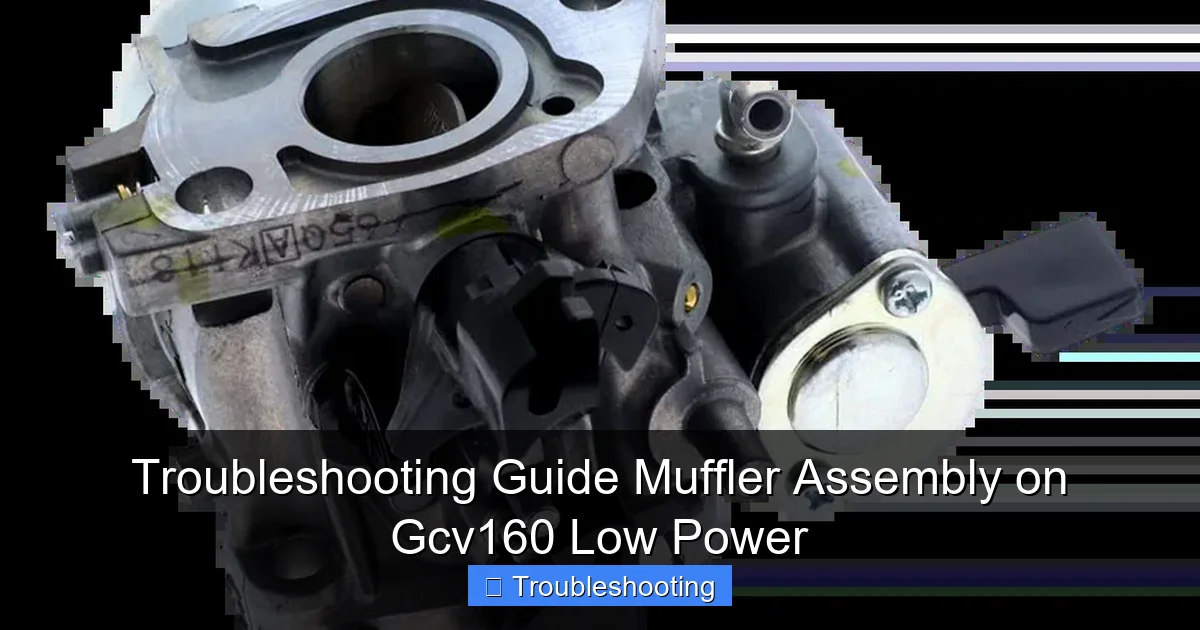
Visual guide about Troubleshooting Guide Muffler Assembly on Gcv160 Low Power
Image source: outdoorpowerdeals.com
Over time, carbon deposits from incomplete combustion accumulate inside the muffler, narrowing the exhaust passage. This buildup restricts airflow, increases backpressure, and forces the engine to work harder—leading to reduced power, overheating, and poor fuel efficiency. Additionally, physical damage like dents or corrosion can compromise the muffler’s integrity, causing leaks or rattling noises.
Understanding how the muffler functions helps you appreciate why even minor blockages can have a major impact. Unlike fuel filters or air filters, the muffler isn’t designed for easy replacement or frequent cleaning—but it should still be inspected during routine maintenance, especially if performance declines.
Tools and Safety Precautions
Before diving into the troubleshooting process, gather the right tools and take necessary safety precautions. Working on a hot engine or handling sharp, rusty parts can be dangerous if you’re not prepared.
Essential Tools
- Socket wrench set (typically 10mm or 12mm for GCV160)
- Ratchet and extension
- Screwdrivers (flathead and Phillips)
- Needle-nose pliers
- Wire brush or steel wool
- Compressed air (optional, for cleaning)
- Replacement gasket (recommended)
- High-temperature silicone sealant (optional)
Safety Gear
- Safety glasses to protect eyes from debris
- Work gloves to prevent cuts and burns
- Long sleeves and closed-toe shoes
- Respirator mask (if cleaning heavy carbon buildup)
Pre-Work Safety Tips
Always allow the engine to cool completely before starting. A hot muffler can cause severe burns. Disconnect the spark plug wire to prevent accidental starting. Work in a well-ventilated area, especially when cleaning carbon deposits, which can release harmful fumes. If you’re unsure about any step, consult your owner’s manual or seek professional help.
Step 1: Diagnosing Muffler-Related Low Power
Before disassembling anything, confirm that the muffler is actually the source of the problem. Low power can stem from multiple issues, so a proper diagnosis saves time and effort.
Listen for Unusual Noises
Start the engine and listen carefully. A healthy muffler produces a steady, low-pitched exhaust note. If you hear popping, backfiring, or excessive rattling, it could indicate a blockage or internal damage. A hissing sound may suggest an exhaust leak at the muffler joint.
Check for Exhaust Smoke
Observe the exhaust output. While some smoke is normal during startup, thick black or blue smoke suggests incomplete combustion—often due to restricted exhaust flow. Black smoke indicates a rich fuel mixture, which can result from backpressure forcing unburned fuel out. Blue smoke points to oil burning, which may be unrelated but still warrants investigation.
Feel for Heat and Vibration
With the engine running (and using caution), gently feel near the muffler. Excessive heat or unusual vibration can signal internal blockage or loose components. A muffler that’s too hot to touch after a few minutes of operation may be partially clogged.
Perform a Visual Inspection
Look for obvious signs of damage: dents, rust holes, or loose mounting bolts. Check the exhaust outlet—if it’s blackened or caked with soot, carbon buildup is likely. Also inspect the area around the muffler for oil or fuel stains, which could indicate leaks from other components.
Rule Out Other Causes
Before blaming the muffler, quickly check the air filter, spark plug, and fuel system. A dirty air filter or fouled spark plug can mimic muffler issues. Replace or clean these components if needed, then retest. If low power persists, proceed to muffler inspection.
Step 2: Removing the Muffler Assembly
Once you’ve confirmed the muffler is the likely issue, it’s time to remove it for closer inspection and cleaning.
Disconnect the Spark Plug
Safety first: disconnect the spark plug wire and secure it away from the plug terminal. This prevents accidental engine starts during disassembly.
Locate the Muffler Mounting Bolts
On the GCV160, the muffler is typically mounted to the engine block with two or three bolts. These are usually accessible from the side or rear of the engine. Use your socket wrench to loosen them. If bolts are rusted or seized, apply penetrating oil (like WD-40) and let it sit for 10–15 minutes before attempting to turn.
Remove the Muffler
Once the bolts are removed, gently wiggle the muffler to break the seal. The gasket may be stuck due to heat and age. Use a flathead screwdriver to carefully pry it loose if needed—avoid damaging the mating surface on the engine block. Pull the muffler straight off, being mindful of any attached components like heat shields or spark arrestors.
Inspect the Gasket
Remove the old gasket from the engine block. Check its condition—if it’s cracked, brittle, or flattened, replace it. Reusing a damaged gasket can lead to exhaust leaks and poor performance. Keep the new gasket handy for reassembly.
Step 3: Inspecting and Cleaning the Muffler
With the muffler removed, you can now assess its internal condition and clean out any blockages.
Visual Inspection
Hold the muffler up to a light and look through the exhaust outlet. If you can’t see light through the internal passages, it’s likely clogged. Check for dents, holes, or corrosion. A severely damaged muffler may need replacement, but minor issues can often be repaired.
Cleaning Carbon Buildup
Carbon deposits are the most common cause of muffler blockage. Use a wire brush or steel wool to scrub the inside of the exhaust outlet and visible internal surfaces. For heavy buildup, soak the muffler in a degreaser or oven cleaner for several hours, then scrub again. Rinse thoroughly with water and let it dry completely—any moisture left inside can cause rust or steam damage when the engine runs.
Using Compressed Air
If you have access to an air compressor, blow compressed air through the muffler in both directions to dislodge loose carbon particles. Wear safety glasses and a mask during this step, as debris can become airborne.
Checking the Spark Arrestor
Some GCV160 models include a spark arrestor—a mesh screen inside the muffler that prevents hot particles from escaping. Remove it (if possible) and clean it with a brush or compressed air. If the mesh is clogged or damaged, replace it. A blocked spark arrestor significantly restricts exhaust flow.
Assessing Damage
If the muffler has large holes, severe rust, or structural damage, cleaning won’t fix it. In such cases, replacement is the best option. Honda offers OEM muffler assemblies for the GCV160, or you can use a compatible aftermarket part. Avoid welding or patching unless you’re experienced—improper repairs can create safety hazards.
Step 4: Reassembling the Muffler Assembly
Once the muffler is clean and inspected, it’s time to put everything back together correctly.
Install the New Gasket
Place the new gasket onto the engine block, ensuring it sits flat and aligns with the bolt holes. Do not use old gaskets—they won’t seal properly. If you don’t have a replacement gasket, you can use high-temperature silicone sealant as a temporary fix, but a proper gasket is always preferred.
Reattach the Muffler
Position the muffler against the engine block, aligning the bolt holes. Insert the mounting bolts and hand-tighten them first. Then use your socket wrench to tighten evenly in a crisscross pattern. Avoid over-tightening, as this can warp the muffler or strip the threads.
Secure All Components
If your muffler has a heat shield or spark arrestor, reattach them securely. Ensure all parts are snug and won’t rattle during operation. Double-check that the muffler is aligned properly and not touching other engine components, which could cause vibration or wear.
Reconnect the Spark Plug
Reattach the spark plug wire to the terminal. Make sure it’s firmly seated to ensure a strong electrical connection.
Step 5: Testing the Engine
After reassembly, it’s crucial to test the engine to confirm the issue is resolved.
Start the Engine
Start the engine and let it run for a few minutes. Listen for smooth operation—there should be no popping, backfiring, or unusual noises. The exhaust note should be quieter and more consistent than before.
Check for Leaks
Feel around the muffler joint (with gloves) for any signs of exhaust leakage. You may also see black soot forming at the seam if there’s a leak. If detected, shut off the engine and re-tighten the bolts or replace the gasket.
Test Under Load
If possible, put the engine under load (e.g., engage the blade on a mower or run a pressure washer). Observe whether power has improved. The engine should respond more quickly and maintain consistent RPMs.
Monitor Temperature
After 10–15 minutes of operation, check the muffler temperature. It should be hot but not excessively so. Overheating may indicate remaining blockage or improper installation.
Troubleshooting Common Post-Repair Issues
Even after cleaning and reassembly, some issues may persist. Here’s how to address them.
Engine Still Lacks Power
If low power continues, recheck the muffler for hidden blockages. Also inspect the carburetor, fuel filter, and air filter. A combination of issues may be at play.
Rattling or Vibration
Loose mounting bolts or internal baffles can cause rattling. Tighten all hardware and ensure the muffler is securely fastened. If the noise persists, the internal baffles may be damaged and require replacement.
Excessive Smoke or Odor
Persistent smoke may indicate oil burning or a rich fuel mixture. Check the oil level and condition. If oil is overfilled or degraded, drain and refill. Adjust the carburetor if necessary.
Overheating
If the engine overheats after muffler repair, ensure the cooling fins are clean and unobstructed. Also verify that the muffler isn’t blocking airflow to the engine.
Preventive Maintenance Tips
To avoid future muffler issues, adopt a regular maintenance routine.
Clean the Muffler Annually
Even if no problems are apparent, inspect and clean the muffler at least once a year, especially if you use the equipment frequently.
Use Quality Fuel
Low-quality or stale fuel contributes to carbon buildup. Use fresh, ethanol-free gasoline when possible, and add a fuel stabilizer if storing the engine for long periods.
Replace Spark Plugs Regularly
A worn spark plug causes incomplete combustion, increasing carbon deposits. Replace it every season or as recommended in your manual.
Store Properly
When not in use, store the engine in a dry, covered area to prevent rust and moisture damage to the muffler and other components.
Conclusion: Restoring Power and Performance
Troubleshooting the muffler assembly on your GCV160 engine is a straightforward process that can dramatically improve performance. By following this guide, you’ve learned how to diagnose muffler-related low power, safely remove and clean the assembly, and reassemble it correctly. Regular maintenance and prompt attention to exhaust issues will keep your engine running smoothly for years to come.
Remember, a clean muffler means better exhaust flow, less backpressure, and more power. Don’t overlook this simple component—it plays a vital role in your engine’s health. With the right tools and a bit of care, you can tackle muffler issues confidently and keep your GCV160 performing at its best.