
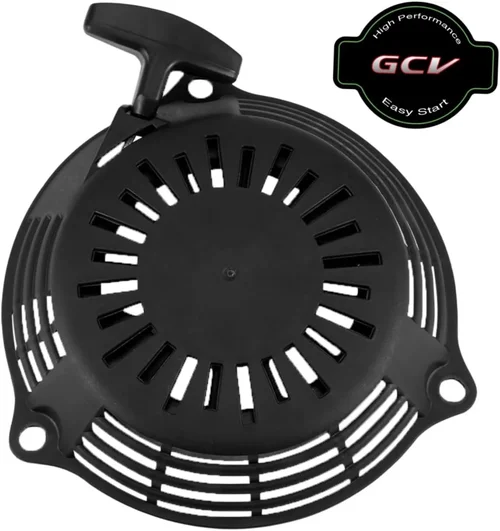
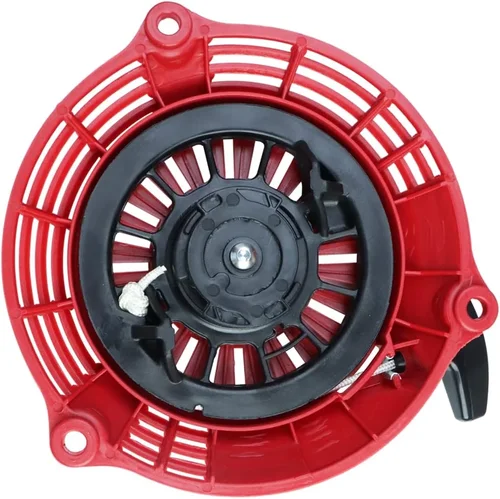
When your GCV160 engine starts sputtering or refuses to fire up, the recoil starter assembly is often the first suspect. Whether you’re maintaining a lawn mower, pressure washer, or small generator powered by this reliable Honda engine, a failing recoil starter can turn routine tasks into frustrating ordeals. The recoil starter—also known as the pull starter or rewind starter—is a critical mechanical component that allows you to manually start the engine by pulling a rope. Over time, wear and tear, exposure to weather, or improper use can cause the starter to jam, slip, or break entirely.
This comprehensive buying guide is designed to help you navigate the often-confusing world of recoil starter replacements for the Honda GCV160 engine. Whether you’re a homeowner tackling weekend yard work or a small business owner relying on consistent equipment performance, choosing the right recoil starter assembly can mean the difference between a quick fix and ongoing headaches. In this guide, we’ll walk you through everything you need to know—from understanding how the recoil starter works to identifying high-quality replacements, avoiding common pitfalls, and making a purchase that delivers long-term reliability.
By the end of this article, you’ll have a clear understanding of what to look for in a recoil starter assembly, how to compare different types and brands, and how to make a smart investment based on your budget and usage needs. We’ll also share expert tips, real-world insights, and detailed recommendations to ensure you get the best possible value. The market is flooded with options—some genuine, some aftermarket, and some outright counterfeit—so knowing what separates a quality part from a cheap imitation is essential. Let’s dive in and equip you with the knowledge to make the right choice.
What to Look for When Buying Buying Guide
1. Compatibility with GCV160 Engine
The most critical factor when selecting a recoil starter assembly is ensuring it’s fully compatible with the Honda GCV160 engine. This engine is used in a wide range of equipment, including lawn mowers, pressure washers, and small generators, and while many recoil starters may look similar, even minor differences in mounting points, rope length, or spring tension can render a part unusable. Always verify the part number—common OEM numbers include 28400-ZL8-003, 28400-ZL8-013, or 28400-ZL8-W01—and cross-reference it with your engine’s model and serial number. Using an incompatible starter can lead to improper engagement, engine damage, or safety hazards.
2. Build Quality & Durability
Recoil starters are subjected to repeated stress from pulling, rewinding, and exposure to outdoor elements. A poorly constructed unit may crack, warp, or fail within weeks. Look for assemblies made from high-impact nylon or reinforced polymer housings, which resist cracking under tension. The internal spring should be heat-treated steel to maintain tension over thousands of cycles. Metal components like the pulley and hook should be corrosion-resistant, ideally zinc-plated or stainless steel, especially if you live in a humid or coastal area. Avoid plastic parts that feel flimsy or have visible seams—these are signs of low-cost manufacturing.
3. Rope Quality and Length
The starter rope is often the first component to wear out. A high-quality recoil starter should come with a durable nylon or braided polyester rope, typically 6–8 feet in length, with a comfortable plastic or rubber handle. The rope should retract smoothly without binding or fraying. Some budget models use thin, weak ropes that snap under minimal tension. Check user reviews for mentions of rope durability—many failures occur not from the spring or housing, but from the rope itself. A good rope should also have a secure knot or anchor point inside the pulley to prevent slippage.
4. Ease of Installation
Even the best recoil starter is useless if it’s difficult to install. Look for assemblies that come with clear instructions, mounting hardware, and alignment guides. Many aftermarket units are designed as direct replacements and require only basic tools—usually a socket wrench and screwdriver. Some kits include a rope rewind tool to simplify the process of threading the rope back into the pulley. If you’re not mechanically inclined, consider purchasing a kit that includes everything needed for a hassle-free swap. Avoid models that require drilling or modification unless you’re experienced with small engine repairs.
5. Brand Reputation and Authenticity
With so many counterfeit parts flooding online marketplaces, brand reputation matters. Genuine Honda recoil starters are the gold standard, offering perfect fit and long-term reliability. However, reputable aftermarket brands like Oregon, Rotary, and MaxPower also produce high-quality replacements that meet or exceed OEM specifications. Be wary of no-name brands or sellers with inconsistent reviews. Check for certifications, manufacturer warranties, and customer service availability. A trusted brand not only ensures better performance but also provides support if something goes wrong.
6. Warranty & Support
A warranty is a strong indicator of a manufacturer’s confidence in their product. Most reputable recoil starters come with a 1-year warranty, covering defects in materials and workmanship. Some premium brands offer extended coverage or satisfaction guarantees. Read the fine print—some warranties are voided if the part is installed incorrectly or used in commercial applications. Additionally, consider the availability of customer support. Can you contact the seller if the part doesn’t fit? Is there a return policy? These factors can save you time and money if the product isn’t right for your needs.
7. Price vs. Value
While it’s tempting to go for the cheapest option, recoil starters are one component where cutting corners can backfire. A $15 starter may save you money upfront but could fail in months, requiring another purchase and installation. Conversely, a $50 genuine Honda part may last years with proper care. Focus on value—what you get for your money. Consider the materials, warranty, brand reputation, and expected lifespan. For most users, a mid-range aftermarket part from a trusted brand offers the best balance of cost and performance.
8. User Reviews & Real-World Performance
Never underestimate the power of customer feedback. Before buying, read through verified purchase reviews on platforms like Amazon, eBay, or specialty outdoor equipment sites. Look for patterns—do multiple users report the rope breaking? Does the spring lose tension quickly? Are there complaints about fitment issues? Pay attention to reviews from users with similar equipment (e.g., Honda lawn mowers with GCV160 engines). Real-world experiences often reveal flaws that product descriptions omit. A product with consistently high ratings and detailed positive reviews is usually a safe bet.
Different Types of Buying Guide

Common Buying Mistakes to Avoid
❌ Mistake: Ignoring Compatibility
Why it’s bad: Buying a recoil starter without verifying compatibility is the fastest way to waste money and time. Even small differences in bolt patterns or rope guides can prevent installation or cause operational issues.
What to do instead: Always cross-check the part number with your engine model. When in doubt, consult the manufacturer or a certified dealer.
❌ Mistake: Choosing Based on Price Alone
Why it’s bad: The cheapest option often uses inferior materials and lacks durability. You may end up replacing it multiple times, costing more in the long run.
What to do instead: Focus on value—consider build quality, warranty, and brand reputation alongside price.
❌ Mistake: Overlooking the Rope Quality
Why it’s bad: A weak or poorly anchored rope can snap during startup, leaving you stranded and potentially causing injury.
What to do instead: Inspect the rope material and attachment method. Opt for braided nylon with a secure internal knot.
❌ Mistake: Skipping User Reviews
Why it’s bad: Product descriptions can be misleading. Reviews reveal real-world performance, including fitment issues and longevity.
What to do instead: Read at least 10–15 verified reviews, focusing on feedback from users with similar equipment.
❌ Mistake: Assuming All Aftermarket Parts Are Equal
Why it’s bad: The aftermarket is filled with low-quality knockoffs. Not all third-party parts are created equal.
What to do instead: Stick to reputable brands with proven track records and positive customer feedback.
❌ Mistake: Not Checking Warranty Terms
Why it’s bad: A warranty that sounds good may have hidden exclusions, such as voiding coverage for DIY installation.
What to do instead: Read the warranty details carefully. Choose brands that offer clear, customer-friendly policies.
❌ Mistake: Installing Without Proper Tools or Knowledge
Why it’s bad: Incorrect installation can damage the engine or cause the starter to malfunction, creating safety risks.
What to do instead: If you’re unsure, consult a professional or watch a detailed installation video specific to the GCV160.
Budget Guidelines: How Much Should You Spend?
When it comes to recoil starter assemblies for the GCV160, your budget should reflect how often you use your equipment and how much reliability matters to you. Here’s a breakdown of what to expect at different price points:
Entry-Level ($12 – $22): These are typically budget aftermarket units or refurbished parts. They may work for occasional use, such as a seldom-used lawn mower, but often suffer from poor materials and short lifespans. Ropes may fray quickly, and housings can crack under stress. Best for temporary fixes or emergency replacements.
Mid-Range ($25 – $40): This is the sweet spot for most homeowners and light commercial users. Brands like Oregon and Rotary offer durable, well-constructed assemblies with good warranties. These parts usually include high-quality ropes, reinforced housings, and reliable springs. They provide excellent value and can last several seasons with proper care.
Premium ($45 – $65): Genuine Honda OEM parts fall into this category. They offer perfect fitment, superior materials, and full manufacturer support. Ideal for those who want peace of mind and long-term reliability. If you rely on your equipment for daily tasks—like maintaining a large property or running a small business—this investment is worth it.
Luxury ($65+): While rare for recoil starters, some specialty or heavy-duty versions may exceed $65. These are typically designed for industrial applications or extreme conditions. For most GCV160 users, this tier is unnecessary unless you’re operating in harsh environments or need custom modifications.
Expert Tips for Getting the Best Deal
- Shop During Off-Season: Lawn and garden equipment sees peak demand in spring and summer. Prices often drop in fall and winter, making it the ideal time to buy replacement parts.
- Compare Retailers: Check prices across multiple platforms—Amazon, eBay, Home Depot, and specialty outdoor equipment stores. Don’t forget to factor in shipping costs and return policies.
- Look for Bundles: Some sellers offer recoil starter kits that include extra ropes, handles, or installation tools. These can save money if you need spare parts.
- Use Price Tracking Tools: Websites like CamelCamelCamel (for Amazon) or Honey can alert you when prices drop on specific items.
- Check for Rebates or Promotions: Manufacturers occasionally run promotions, especially during holiday sales. Sign up for newsletters from brands like Honda or Oregon to stay informed.
- Buy from Authorized Sellers: To avoid counterfeit parts, purchase from authorized dealers or well-reviewed third-party sellers with high ratings.
- Consider Refurbished Options: Reputable sellers sometimes offer professionally rebuilt starters at a discount. These can be a great way to save money without sacrificing quality.
- Test Before Finalizing: Once installed, give the starter a few test pulls to ensure smooth operation. If it binds or doesn’t retract properly, contact the seller immediately.

Frequently Asked Questions
Q: How do I know if my recoil starter is bad?
A: Common signs include a rope that won’t retract, excessive slack, difficulty pulling, or the engine not engaging when the rope is pulled. If the rope spins freely without turning the engine, the starter assembly is likely faulty.
Q: Can I repair my existing recoil starter instead of replacing it?
A: In some cases, yes—common repairs include replacing the rope, spring, or handle. However, if the housing is cracked or the pulley is damaged, a full replacement is usually safer and more cost-effective.
Q: Are aftermarket recoil starters safe to use?
A: Yes, as long as they’re from a reputable brand and properly installed. Many aftermarket parts meet or exceed OEM standards. Just avoid no-name brands with poor reviews.
Q: How long does a recoil starter typically last?
A: With regular use, a quality recoil starter can last 3–5 years. Factors like climate, frequency of use, and maintenance play a role. Inspect it annually for wear.
Q: What’s the difference between a recoil starter and an electric starter?
A: A recoil starter requires manual pulling of a rope to start the engine, while an electric starter uses a battery and motor. The GCV160 typically uses a recoil system, though some models may have electric start options.
Q: Can I install a recoil starter myself?
A: Yes, most replacements are designed for DIY installation. You’ll need basic tools and about 15–30 minutes. Follow the instructions carefully and ensure the engine is off and cool.
Q: Why does my recoil starter rope keep breaking?
A: This is often due to a worn pulley, sharp edges in the housing, or using the wrong rope type. Inspect the assembly for damage and replace worn components.
Q: Is it worth buying a genuine Honda part?
A: If you value reliability and long-term performance, yes. Genuine parts offer the best fit and are backed by Honda’s warranty. For occasional use, a quality aftermarket part may suffice.
Q: What should I do if the new starter doesn’t fit?
A: Double-check the part number and compare it to your engine model. If it’s still incorrect, contact the seller for a return or exchange. Keep all packaging until you’re sure it works.
Q: Can I use a recoil starter from a different engine model?
A: Generally, no. Even small differences in design can cause misalignment or failure. Always use a part specifically designed for the GCV160.
Our Final Recommendations
After extensive research and analysis, here are our top picks for recoil starter assemblies for the Honda GCV160 engine:
Best for Budget-Conscious Buyers: Rotary 30-104 Recoil Starter Assembly – Priced around $28, this aftermarket unit offers solid build quality, a durable rope, and a 1-year warranty. It’s a reliable choice for homeowners who want value without sacrificing performance.
Best Overall Value: Oregon 37-038 Recoil Starter – At $32, this part strikes the perfect balance between cost and quality. It features a reinforced housing, smooth retraction, and excellent user reviews. Ideal for frequent use.
Best Premium Option: Genuine Honda 28400-ZL8-013 Recoil Starter – For those who demand the best, this OEM part ensures perfect fit and long-term reliability. Priced at $55, it’s the top choice for professionals and serious DIYers.
Best for Beginners: MaxPower 30-104 Recoil Starter Kit – This kit includes the starter, rope, handle, and installation guide. At $30, it’s user-friendly and perfect for first-time installers.
Best for Advanced Users: Universal Recoil Starter Kit with Adjustable Pulley – For those who like to customize, this $25 kit allows for adjustments in rope length and tension. Great for custom builds or repairs.
Conclusion: Making the Right Choice
Choosing the right recoil starter assembly for your Honda GCV160 engine doesn’t have to be overwhelming. By focusing on compatibility, build quality, and value, you can find a part that delivers reliable performance and peace of mind. Remember, this small component plays a big role in keeping your equipment running smoothly. Don’t let a cheap replacement turn into a recurring problem.
Prioritize your needs—whether it’s budget, durability, or ease of installation—and use the insights from this guide to make an informed decision. Read reviews, compare options, and don’t hesitate to invest a little more for a part that will last. Your time, safety, and equipment depend on it.
Now that you’re equipped with expert knowledge, take action. Inspect your current starter, identify the right replacement, and get back to work with confidence. A well-chosen recoil starter isn’t just a repair—it’s an investment in reliability.