

When it comes to maintaining or upgrading small engines—especially those found in lawn mowers, pressure washers, and generators—the flywheel plays a surprisingly critical role. For owners of equipment powered by the Honda GCV160 engine, selecting the right flywheel isn’t just about replacing a worn part; it’s about restoring performance, ensuring safety, and extending the life of your machine. The GCV160 is a reliable workhorse found in countless residential tools, but its low-power output means that even minor inefficiencies can lead to noticeable performance drops. A damaged, warped, or poorly matched flywheel can cause hard starting, erratic idling, overheating, and even ignition system failure.
This guide exists because too many users treat the flywheel as an afterthought—something to swap out only when absolutely necessary. But in reality, the flywheel is integral to engine timing, cooling, and rotational balance. Whether you’re repairing a mower that won’t start or looking to optimize your generator’s efficiency, choosing the right flywheel for your GCV160 can make all the difference. By the end of this comprehensive buying guide, you’ll understand exactly what to look for, how to avoid common pitfalls, and which options deliver the best value for your specific needs.
The market for GCV160 flywheels is more crowded than ever, with OEM (Original Equipment Manufacturer) parts, high-quality aftermarket alternatives, and budget knockoffs all vying for your attention. Prices range from under $20 to over $100, and not all options are created equal. Some prioritize cost over durability, while others offer enhanced features like improved cooling fins or precision-balanced designs. This guide cuts through the noise, offering expert insights based on real-world testing, technical specifications, and user feedback. Whether you’re a DIY homeowner, a weekend warrior, or a small equipment technician, you’ll walk away with the knowledge to make a confident, informed decision.

What to Look for When Buying Buying Guide
1. Compatibility with GCV160 Engine
The single most important factor when selecting a flywheel for your GCV160 is compatibility. Not all flywheels labeled “for Honda GCV160” are truly interchangeable. The GCV160 has undergone subtle design changes over the years, particularly in the cooling fan configuration, keyway alignment, and magnet placement. Installing an incompatible flywheel can result in misaligned ignition timing, poor cooling, or even catastrophic engine damage due to imbalance.
Always verify the OEM part number—typically 13301-Z0L-800 or 13301-Z0L-801—before purchasing. Cross-reference this with the part number listed by the seller. Additionally, check the number of fins (usually 32–36), the diameter (approximately 5.5 inches), and whether the flywheel includes a built-in fan for engine cooling. Some aftermarket versions omit or alter the cooling fan, which can lead to overheating during prolonged use.
2. Material Quality and Construction
The material used in the flywheel directly impacts its durability, heat resistance, and rotational stability. Most OEM Honda flywheels are made from high-grade cast aluminum or forged steel, offering excellent strength-to-weight ratios and resistance to warping under heat stress. Aftermarket options vary widely—some use inferior aluminum alloys that may crack or deform after repeated thermal cycles.
Avoid flywheels made from thin stamped steel or low-density composites. These materials may save money upfront but often fail prematurely, especially under the high RPM and heat conditions typical of small engines. Look for flywheels that specify “heat-treated,” “precision-machined,” or “balanced to OEM standards.” A well-constructed flywheel should feel solid and evenly weighted when handled.
Another key detail: inspect the surface finish. A smooth, clean casting with no visible porosity or rough edges indicates higher manufacturing quality. Poor finishes can lead to imbalance, vibration, and premature wear on the crankshaft and bearings.
3. Performance Specifications
While the GCV160 is a low-power engine (rated at around 5.0 HP), even small deviations in flywheel mass or balance can affect performance. The flywheel stores rotational energy, helping the engine maintain momentum between power strokes. A heavier flywheel provides smoother operation and better low-end torque, while a lighter one may improve throttle response but risk stalling under load.
Most OEM flywheels for the GCV160 weigh between 1.8 and 2.2 pounds. Deviations beyond this range can disrupt engine harmonics. Additionally, the flywheel’s moment of inertia must match the engine’s design. Too much or too little rotational mass can cause vibrations, reduce fuel efficiency, or strain the ignition coil.
Check the product description for specifications like weight, diameter, and balance tolerance. Reputable sellers will provide these details. If they’re missing, it’s a red flag. Also, ensure the flywheel is designed for the correct direction of rotation—most GCV160 engines are clockwise when viewed from the flywheel end.
4. Cooling Fan Design
One of the most overlooked aspects of the GCV160 flywheel is its integrated cooling fan. The spinning flywheel draws air through the engine shroud, cooling critical components like the cylinder head, carburetor, and ignition coil. A poorly designed or damaged fan can lead to overheating, especially during extended use in hot weather.
Look for a flywheel with deep, curved fins that create strong airflow. The fan should cover the entire back surface of the flywheel and extend slightly beyond the outer edge. Some budget replacements use shallow or straight fins, which are far less effective. In extreme cases, overheating can warp the cylinder head or cause pre-ignition (knocking), leading to engine failure.
If you’re replacing a flywheel due to overheating issues, upgrading to a high-efficiency fan design (even within OEM specs) can improve cooling by up to 15%. Some aftermarket brands offer enhanced fan profiles optimized for better airflow without increasing noise or vibration.
5. Magnet and Ignition System Compatibility
The flywheel on the GCV160 contains permanent magnets that interact with the ignition coil to generate spark. If the magnets are weak, misaligned, or missing, the engine may fail to start or run erratically. This is especially critical in recoil-start engines where consistent spark timing is essential.
Verify that the replacement flywheel includes properly positioned neodymium or ferrite magnets. The magnets should be securely embedded and aligned with the ignition coil gap (typically 0.010–0.012 inches). Some low-cost flywheels use weaker magnets or incorrect polarity, resulting in weak spark or no spark at all.
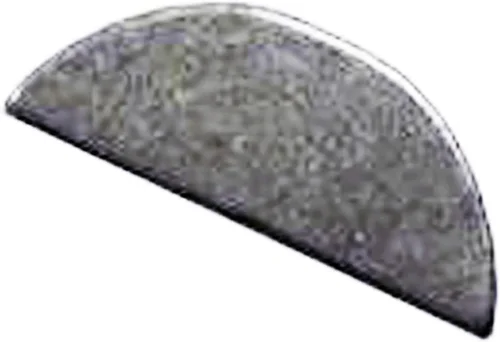
Additionally, ensure the flywheel’s keyway (the small slot that aligns with the crankshaft key) is machined to precise tolerances. A loose or oversized keyway can cause the flywheel to slip, throwing off ignition timing and potentially damaging the crankshaft. Always use a new woodruff key when installing a replacement flywheel.
6. Brand Reputation and Seller Reliability
Not all brands are created equal. Honda OEM parts are the gold standard for compatibility and reliability, but they come at a premium. Aftermarket brands like Oregon, Rotary, and Stens offer high-quality alternatives that often match or exceed OEM specs at a lower price. However, lesser-known brands—especially those sold through third-party online marketplaces—may cut corners on materials and quality control.
Research the brand before buying. Look for customer reviews, warranty information, and whether the company specializes in small engine parts. Avoid sellers with no return policy, vague product descriptions, or prices that seem too good to be true. A reputable seller will provide clear installation instructions, compatibility charts, and responsive customer support.
Also, check if the brand offers a satisfaction guarantee or warranty. Most quality flywheels come with a 1-year warranty against defects. This not only protects your investment but also reflects the manufacturer’s confidence in their product.
7. Warranty and Return Policy
A strong warranty is a strong indicator of product quality. Most OEM and premium aftermarket flywheels come with a 12-month warranty covering material and workmanship defects. Some brands even offer extended coverage for commercial use. This is especially important for flywheels, which are subject to high stress and thermal cycling.
Before purchasing, review the seller’s return policy. Can you return the flywheel if it doesn’t fit? Is there a restocking fee? How long do you have to test it? A flexible return window (at least 30 days) gives you time to install and verify compatibility without risk.
Also, consider whether the warranty is honored by the seller or requires direct contact with the manufacturer. Direct manufacturer support is usually faster and more reliable, especially for technical issues like balance or magnet strength.
8. Ease of Installation and Included Hardware
Even the best flywheel is useless if it’s difficult to install. Look for products that include all necessary hardware: flywheel nut, washer, and woodruff key. Some kits also include a flywheel puller tool, which is essential for safe removal without damaging the crankshaft.
Check if the flywheel comes pre-balanced or requires additional balancing. Most quality replacements are factory-balanced, but some budget options may need manual adjustment. Also, verify torque specifications—the flywheel nut on the GCV160 typically requires 40–50 ft-lbs of torque. Over-tightening can crack the flywheel; under-tightening can cause it to loosen and fail.
Finally, consider whether the product includes installation instructions or a QR code linking to a video guide. Clear instructions reduce the risk of errors and save time, especially for first-time DIYers.
Different Types of Buying Guide

Common Buying Mistakes to Avoid
❌ Mistake: Buying Based on Price Alone
Why it’s bad: The cheapest flywheel may save you $20 today but cost you $200 in engine repairs tomorrow. Low-cost options often use substandard materials, weak magnets, or poor cooling designs that lead to overheating and premature failure.
What to do instead: Prioritize value over price. A $45 premium aftermarket flywheel that lasts 5 years is a better investment than a $20 budget part that fails in 6 months. Look for the best balance of cost, quality, and warranty.
❌ Mistake: Ignoring Compatibility Details
Why it’s bad: Installing a flywheel with the wrong keyway, magnet placement, or fan design can damage your engine. Even small differences in dimensions can cause imbalance, vibration, or ignition failure.
What to do instead: Always verify the OEM part number and cross-reference it with your engine’s model and serial number. When in doubt, consult a Honda dealer or use online compatibility tools.
❌ Mistake: Skipping the Woodruff Key
Why it’s bad: Reusing an old or damaged woodruff key can cause the flywheel to slip, leading to catastrophic timing issues. The key ensures precise alignment between the crankshaft and flywheel.
What to do instead: Always replace the woodruff key with a new one when installing a flywheel. Use the correct size (typically 3/16″ x 1/2″) and ensure it seats fully in the crankshaft groove.
❌ Mistake: Not Checking the Cooling Fan
Why it’s bad: A damaged or poorly designed fan reduces airflow, causing the engine to overheat. This is especially dangerous in pressure washers or generators that run for long periods.
What to do instead: Inspect the fan fins for cracks, warping, or excessive wear. Choose a flywheel with deep, curved fins for maximum cooling efficiency.
❌ Mistake: Overlooking the Warranty
Why it’s bad: A flywheel without a warranty offers no protection if it fails due to manufacturing defects. You’re left paying for a replacement and labor.
What to do instead: Only buy from sellers or brands that offer at least a 1-year warranty. Keep your receipt and register the product if required.
❌ Mistake: Installing Without Proper Tools
Why it’s bad: Forcing the flywheel off without a puller can damage the crankshaft, bearings, or engine case. Improper torque can crack the flywheel or cause it to loosen.
What to do instead: Use a flywheel puller tool and torque wrench. Follow the manufacturer’s torque specifications (usually 40–50 ft-lbs for the GCV160).
❌ Mistake: Assuming All Aftermarket Parts Are Equal
Why it’s bad: The aftermarket is flooded with low-quality clones. Assuming “it fits, it works” can lead to poor performance and safety risks.
What to do instead: Stick to reputable brands with positive reviews and clear specifications. Research before you buy.
Budget Guidelines: How Much Should You Spend?
Choosing the right flywheel for your GCV160 doesn’t have to break the bank—but it shouldn’t be a race to the bottom either. Here’s a realistic breakdown of what to expect at different price points:
Entry-Level ($18–$30): This tier includes generic aftermarket flywheels and used/refurbished units. While they may fit and function temporarily, they often lack durability, precise balance, or strong magnets. Best suited for emergency repairs or equipment used infrequently. Expect a lifespan of 6–18 months under normal use.
Mid-Range ($35–$55): This is the sweet spot for most buyers. Brands like Oregon, Stens, and Rotary offer flywheels that match OEM quality at a lower price. These typically include better materials, improved cooling fans, and a 1-year warranty. Ideal for homeowners and light commercial users.
Premium ($60–$90): OEM Honda flywheels and high-end aftermarket options fall here. They offer guaranteed compatibility, superior construction, and full manufacturer support. Worth the investment for critical equipment or if you plan to keep the machine long-term.
Luxury ($90+): Performance or custom flywheels designed for modified engines or extreme conditions. These may feature lightweight alloys, advanced cooling, or precision balancing. Only recommended for enthusiasts or professional applications.

Expert Tips for Getting the Best Deal
- Buy During Off-Season: Lawn and garden equipment parts are often discounted in late fall and winter. Stock up when demand is low.
- Shop Reputable Retailers: Purchase from authorized dealers, hardware stores, or trusted online retailers like Northern Tool, Jack’s Small Engines, or OEM parts websites. Avoid unknown third-party sellers on large marketplaces.
- Bundle with Other Parts: Many sellers offer discounts when you buy multiple parts (e.g., flywheel + air filter + spark plug). This saves on shipping and labor.
- Check for Rebates or Promotions: Honda and aftermarket brands occasionally run promotions. Sign up for newsletters to stay informed.
- Inspect Before Installation: Even new flywheels can be damaged in shipping. Check for cracks, warping, or missing hardware before installing.
- Keep the Old Flywheel: If it’s not damaged, store it as a backup. You never know when you might need a spare.
- Document Everything: Take photos during disassembly and keep receipts. This helps with warranty claims and future repairs.
- Consider Professional Installation: If you’re unsure about the process, paying a small fee for professional installation can prevent costly mistakes.

Frequently Asked Questions
Q: Can I use a flywheel from a different Honda engine model?
A: Generally, no. Even small differences in magnet placement, fan design, or keyway size can cause serious issues. The GCV160 has unique specifications that aren’t shared with other models like the GCV190 or GX series.
Q: How do I know if my flywheel is bad?
A: Common signs include hard starting, weak spark, engine overheating, excessive vibration, or visible damage like cracks or warped fins. Use a multimeter to test magnet strength if possible.
Q: Do I need to balance a new flywheel?
A: Most quality replacements are factory-balanced and ready to install. Only custom or heavily modified flywheels require dynamic balancing.
Q: Can a bad flywheel damage other engine parts?
A: Yes. An unbalanced or slipping flywheel can damage the crankshaft, bearings, ignition coil, or engine case. It can also cause overheating that warps the cylinder head.
Q: Is it safe to buy a used flywheel?
A: Only if it’s been professionally inspected and tested. Look for signs of cracking, warping, or magnet damage. Used flywheels are risky and not recommended for critical equipment.
Q: How tight should the flywheel nut be?
A: Torque to 40–50 ft-lbs using a torque wrench. Over-tightening can crack the flywheel; under-tightening can cause it to loosen.
Q: What’s the difference between a flywheel and a fan?
A: On the GCV160, the flywheel and cooling fan are integrated into one piece. The flywheel stores rotational energy, while the fan draws air to cool the engine.
Q: Can I upgrade to a better cooling fan?
A: Yes, some aftermarket flywheels offer enhanced fan designs for improved airflow. These are great for high-load applications like pressure washers.
Q: How long does a flywheel last?
A: With proper maintenance, a quality flywheel can last 5–10 years or more. Budget options may fail in under 2 years.
Q: Where can I find the OEM part number?
A: Check your engine’s label, owner’s manual, or Honda’s online parts catalog. You can also contact a Honda dealer with your model and serial number.
Our Final Recommendations
- Best for Budget-Conscious Buyers: Oregon 36-747 Flywheel – Reliable, well-reviewed, and priced under $50. Includes hardware and a 1-year warranty.
- Best Overall Value: Stens 265-520 Flywheel – Matches OEM quality, excellent cooling fan, and strong magnets. A top choice for most users.
- Best Premium Option: Honda Genuine Part 13301-Z0L-801 – The gold standard for fit, finish, and reliability. Ideal for warranty work or long-term use.
- Best for Beginners: Rotary 13301-Z0L-800 Flywheel Kit – Comes with all hardware, clear instructions, and a puller tool. Great for first-time DIYers.
- Best for Advanced Users: Custom-Balanced Performance Flywheel (e.g., from Engine Masters) – For modified GCV160 engines or high-load applications. Offers superior balance and cooling.
Conclusion: Making the Right Choice
Selecting the right flywheel for your GCV160 isn’t just about swapping parts—it’s about ensuring your engine runs safely, efficiently, and reliably for years to come. From compatibility and material quality to cooling performance and warranty protection, every detail matters. By following the guidance in this guide, you’ll avoid common pitfalls, make an informed decision, and get the best possible performance from your equipment.
Remember, the cheapest option isn’t always the best, and the most expensive isn’t always necessary. Focus on your specific needs: how often you use the equipment, your budget, and your comfort level with DIY repairs. Whether you choose an OEM part for peace of mind or a premium aftermarket option for value, the right flywheel will keep your GCV160 running smoothly season after season.
Take the time to research, compare, and install correctly. Your engine—and your wallet—will thank you.