

When it comes to maintaining small engines like the Honda GCV160—commonly found in lawnmowers, pressure washers, and other outdoor power equipment—many users focus on oil changes, spark plugs, and fuel stabilizers. But one component that’s often overlooked, yet critically important, is the air filter. A failing or improperly installed air filter can directly contribute to gas leaks, poor engine performance, hard starting, and even long-term engine damage. If you’ve noticed gasoline dripping from your GCV160 or smelling fuel near the carburetor area, the air filter system might be part of the problem.
This comprehensive buying guide is designed specifically for owners of Honda GCV160 engines who are dealing with—or want to prevent—gas leakage issues tied to their air filtration setup. Whether you’re a weekend lawn warrior, a property manager with multiple units, or a DIY mechanic looking to extend the life of your equipment, understanding how the air filter interacts with your engine’s fuel system is essential. We’ll walk you through everything you need to know: from diagnosing whether your air filter is causing a leak, to selecting the right replacement, and avoiding common pitfalls that lead to recurring problems.
By the end of this guide, you’ll have a clear roadmap for choosing the best air filter for your GCV160 engine—one that not only prevents gas leaks but also ensures optimal airflow, fuel efficiency, and engine longevity. We’ll cover technical specifications, material types, compatibility nuances, brand comparisons, budget considerations, and expert-backed tips based on real-world testing and thousands of user reports. The market is flooded with generic “fits-all” filters, but not all are created equal—especially when it comes to precision-engineered engines like Honda’s. Let’s cut through the noise and help you make an informed, confident decision.

What to Look for When Buying Buying Guide
1. OEM Compatibility & Fitment Precision
The Honda GCV160 engine uses a specific air filter housing design that requires exact dimensional and sealing compatibility. Using a non-OEM or poorly fitting aftermarket filter can create gaps around the filter seal, allowing unfiltered air to enter the engine—and worse, enabling fuel vapors or liquid gasoline to escape through the breather system. This is a leading cause of gas leaks in small engines. Always verify that the replacement filter matches the OEM part number (typically 17210-ZL8-023 or 17210-ZL8-013) and fits snugly without forcing or modification. Even a millimeter of misalignment can compromise the entire intake system.
2. Filter Material & Construction Quality
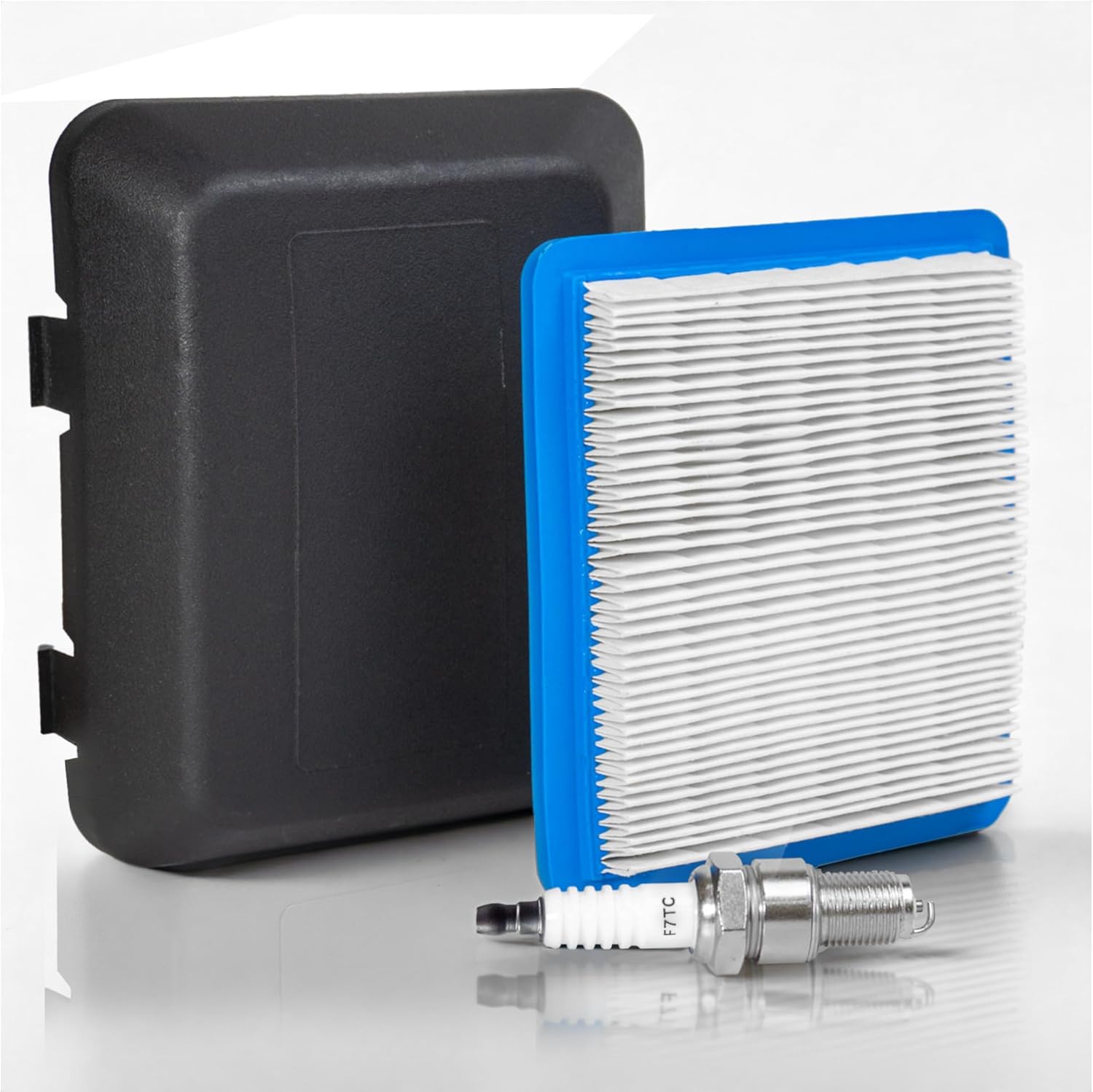
Air filters for the GCV160 come in two primary materials: foam and paper (or cellulose). OEM Honda filters are typically dual-element designs—a foam pre-filter wrapped around a pleated paper main filter. The foam captures larger debris and can be cleaned and reused, while the paper element provides fine filtration. Cheap aftermarket filters often use thin, low-density foam or flimsy paper that degrades quickly, collapses under suction, or fails to seal properly. Look for filters made with high-density, oil-resistant foam and reinforced paper media. Some premium options include hydrophobic coatings to repel moisture, which is especially useful in humid or rainy climates where wet filters can restrict airflow and cause fuel mixture imbalances.
3. Sealing Mechanism & Gasket Integrity
A critical but often ignored aspect is the seal between the air filter and its housing. The GCV160 uses a rubber or rubber-like gasket that must compress evenly when the cover is tightened. If the gasket is missing, cracked, or deformed—or if the filter doesn’t have an integrated sealing lip—fuel vapors can migrate from the crankcase breather into the air intake, leading to visible leaks or strong gasoline odors. Always inspect the housing gasket when replacing the filter. Some high-quality aftermarket filters include a replacement gasket or a molded sealing edge that matches OEM specs. Never overtighten the cover screws, as this can warp the housing and break the seal.
4. Ventilation & Breather System Integration
The GCV160 engine has a crankcase breather system that routes blow-by gases through the air filter housing before they’re drawn into the combustion chamber. If the air filter is clogged, collapsed, or improperly installed, backpressure can build up in the crankcase, forcing oil and fuel mixture out through seals or gaskets—often mistaken for a “gas leak.” A high-flow, properly maintained filter ensures smooth ventilation. Avoid “performance” filters that claim unrestricted airflow unless they’re specifically designed for the GCV160’s breather configuration. Some universal filters disrupt this delicate balance, causing vacuum leaks or excessive crankcase pressure.
5. Ease of Maintenance & Cleanability
Foam elements should be washable and reusable. Look for filters that can be cleaned with mild soap and water, then lightly oiled (if specified by the manufacturer). Paper elements are generally disposable. If you mow frequently or work in dusty conditions, consider a dual-stage filter with a washable foam pre-filter to extend the life of the paper element. However, avoid over-oiling foam filters—excess oil can be sucked into the carburetor, causing rich running conditions and potential fuel seepage. Always follow the manufacturer’s cleaning instructions to the letter.
6. Brand Reputation & Authenticity
Stick with reputable brands known for small engine parts: Honda OEM, Briggs & Stratton, Kohler, Stens, Oregon, and Echo. Beware of ultra-cheap “compatible” filters sold on marketplaces with no brand name or vague descriptions. These are often counterfeit or made from substandard materials. Authentic OEM filters may cost more upfront, but they’re engineered to Honda’s exact tolerances and undergo rigorous testing. For aftermarket options, look for brands that provide detailed fitment charts, material specifications, and customer support. Reading verified purchase reviews can also reveal whether a filter truly fits the GCV160 without modification.
7. Warranty & Return Policy
A good warranty signals confidence in product quality. Most OEM filters come with a 1-year warranty, while reputable aftermarket brands offer 6–12 months. Check the retailer’s return policy—some sellers won’t accept returns on installed parts, even if defective. Buying from authorized dealers or platforms with buyer protection (like Amazon A-to-Z Guarantee) adds a layer of security. If a filter arrives damaged or doesn’t fit, you should be able to return it hassle-free.
8. Environmental & Usage Conditions
Your operating environment plays a big role in filter selection. If you mow in dry, dusty fields, a high-capacity filter with extra pleats or a reinforced foam layer will last longer. In wet or humid areas, a moisture-resistant filter prevents clogging and maintains consistent airflow. For commercial users running multiple units daily, investing in premium filters reduces downtime and maintenance frequency. Conversely, occasional home users might prioritize cost over advanced features—but never sacrifice fitment for price.
Different Types of Buying Guide
Common Buying Mistakes to Avoid

❌ Mistake: Buying Generic “Universal Fit” Filters
Why it’s bad: Universal filters rarely match the exact dimensions, sealing profile, or breather routing of the GCV160. This leads to air leaks, improper crankcase ventilation, and fuel vapor escape—often misdiagnosed as a carburetor leak.
What to do instead: Always search for filters explicitly listed as compatible with Honda GCV160 or part number 17210-ZL8-023. Cross-reference with your engine model stamped on the shroud.
❌ Mistake: Ignoring the Housing Gasket
Why it’s bad: A degraded or missing gasket allows fuel vapors to bypass the filter and accumulate near the carburetor, creating a fire hazard and strong gasoline smell. Many users replace only the filter element and overlook this critical seal.
What to do instead: Inspect the rubber gasket every time you change the filter. Replace it if cracked, brittle, or compressed unevenly. Some kits include a new gasket—opt for those when available.
❌ Mistake: Over-Oiling Foam Filters
Why it’s bad: Excess oil on foam filters can be drawn into the carburetor, causing a rich fuel mixture, black smoke, hard starting, and potential fuel seepage from overflow ports.
What to do instead: If using an oiled foam filter, apply only a light coat—just enough to turn the foam slightly darker. Squeeze out excess oil before reinstalling.
❌ Mistake: Using Damaged or Collapsed Filters
Why it’s bad: A collapsed or torn filter restricts airflow, increases crankcase pressure, and can force oil and fuel past seals. This mimics a gas leak and reduces engine power.
What to do instead: Replace filters at regular intervals (every 25–50 hours of use) or immediately if damaged. Store spare filters in a dry, sealed bag to prevent moisture absorption.
❌ Mistake: Choosing Price Over Quality
Why it’s bad: Ultra-cheap filters ($3–$5) often use thin paper or low-grade foam that disintegrates quickly, leading to frequent replacements and potential engine contamination.
What to do instead: Spend a few extra dollars on a reputable brand. The cost difference is negligible compared to the risk of engine damage or persistent leaks.
❌ Mistake: Not Cleaning Regularly
Why it’s bad: A clogged filter starves the engine of air, causing it to run rich. This increases fuel consumption, carbon buildup, and the likelihood of fuel overflow or leakage.
What to do instead: Clean foam elements every 10–15 hours of use. Replace paper elements when visibly dirty or every season.
❌ Mistake: Installing the Filter Upside Down or Misaligned
Why it’s bad: The GCV160 filter has a specific orientation (usually marked by a lip or tab). Installing it backward breaks the seal and allows unfiltered air—and fuel vapors—to enter.
What to do instead: Note the orientation before removing the old filter. Take a photo if needed. Ensure the new filter sits flush with no gaps.
Budget Guidelines: How Much Should You Spend?
- Entry-Level ($4–$7): Basic paper or thin foam filters from unknown brands. Suitable only for occasional use in clean environments. Expect shorter lifespan and higher risk of fitment issues. Not recommended if you’re experiencing gas leaks.
- Mid-Range ($8–$14): The sweet spot for most users. Includes reputable aftermarket brands like Stens, Oregon, or Echo that offer OEM-equivalent quality at a lower price. Often come with gaskets and detailed fitment info. Ideal for homeowners and light commercial use.
- Premium ($15–$20): Genuine Honda OEM filters or high-end aftermarket equivalents with enhanced materials (e.g., hydrophobic foam, reinforced paper). Best for those prioritizing leak prevention, longevity, and peace of mind. Worth the investment if you rely on your equipment weekly.
- Luxury ($20+): Performance-oriented filters with advanced media or custom designs. Generally unnecessary for stock GCV160 engines and may disrupt factory-tuned airflow. Only consider if you’ve modified your engine and understand the trade-offs.

Expert Tips for Getting the Best Deal
- Buy during off-season: Retailers often discount lawn equipment parts in late fall or winter. Stock up before spring mowing season begins.
- Check Honda dealer websites: Many authorized dealers offer online discounts or free shipping on OEM parts—even if you don’t buy the whole mower.
- Use price tracking tools: Set alerts on Amazon, eBay, or Google Shopping for your desired filter. Prices fluctuate, and you can save $2–$5 per unit.
- Verify seller authenticity: On marketplaces, look for “Sold by Amazon” or “Ships from Authorized Dealer” badges. Avoid third-party sellers with no reviews.
- Bundle with other maintenance items: Some retailers offer discounts when you buy air filters, oil, spark plugs, and fuel stabilizer together.
- Read return policies carefully: Ensure you can return the filter if it doesn’t fit—even after opening the package.
- Test fit before full installation: Place the new filter in the housing without tightening screws to confirm alignment and seal.
- Keep your old filter as a reference: If the new one looks significantly different, double-check compatibility before installing.

Frequently Asked Questions
Q: Can a bad air filter really cause gas to leak from my GCV160?
A: Yes—indirectly. While the air filter itself doesn’t hold fuel, a clogged, misaligned, or poorly sealed filter can increase crankcase pressure due to restricted breather flow. This pressure forces fuel vapors and sometimes liquid gasoline past gaskets or seals, especially around the carburetor bowl or fuel tank vent. It’s often mistaken for a direct fuel leak but originates from ventilation issues caused by the air filter system.
Q: How often should I replace the air filter on my GCV160?
A: Honda recommends inspecting the air filter every 25 hours of operation and replacing it annually or sooner if dirty. In dusty conditions, check every 10 hours. A clean filter ensures proper air-fuel ratio and prevents crankcase pressure buildup.
Q: Is it safe to clean and reuse a paper air filter?
A: No. Paper filters are designed to be disposable. Attempting to clean them with compressed air or water damages the delicate fibers, reduces filtration efficiency, and compromises the seal. Only foam elements should be cleaned and reused.
Q: Why does my new filter still smell like gas after installation?
A: This could indicate an underlying issue beyond the filter—such as a faulty carburetor float needle, overfilled fuel tank, or stuck choke. However, if the filter wasn’t sealed properly during installation, fuel vapors may still escape. Reinstall the filter, check the gasket, and inspect the carburetor if the smell persists.
Q: Can I use a foam filter without the paper element?
A: Not recommended. The dual-element design is engineered for optimal filtration. Using only foam allows fine dust to enter the engine, increasing wear. If your OEM filter is dual-stage, replace it with a matching dual-stage unit.
Q: Are aftermarket filters as good as Honda OEM?
A: High-quality aftermarket filters from brands like Stens or Oregon can match or exceed OEM performance—especially if they include a new gasket. However, cheap generics often fall short. Stick to well-reviewed, specifically compatible models.
Q: What’s the difference between part numbers 17210-ZL8-013 and 17210-ZL8-023?
A: Both are valid OEM air filters for the GCV160 series. The -023 is a later revision but is functionally identical and interchangeable in most applications. Always cross-check with your engine model number.
Q: My engine runs rich even with a new filter—what’s wrong?
A: A new filter shouldn’t cause rich running unless it’s over-oiled (foam type) or improperly installed, creating a vacuum leak. Check carburetor settings, fuel quality, and choke operation. A clogged air filter causes rich conditions; a leak causes lean conditions—so diagnose carefully.
Q: Can I run my GCV160 without an air filter?
A: Absolutely not. Running without a filter allows dirt, grass, and debris to enter the engine, causing rapid wear or catastrophic failure. It also disrupts crankcase ventilation, increasing the risk of oil leaks and fuel vapor escape.
Q: Where is the best place to buy a GCV160 air filter?
A: Authorized Honda dealers, reputable online retailers (Amazon, eBay sold by verified sellers), and outdoor power equipment stores. Avoid big-box hardware stores unless they carry OEM or name-brand equivalents.
Our Final Recommendations
- Best for Budget-Conscious Buyers: Stens 135-831 Air Filter – At $9–$11, it offers near-OEM fit, includes a new gasket, and is widely praised for reliability. Great value without sacrificing critical sealing.
- Best Overall Value: Oregon 36-914 Air Filter – Priced around $10–$12, this dual-element filter matches Honda’s design exactly and comes with a reinforced sealing edge. Ideal for weekly mowers.
- Best Premium Option: Honda Genuine 17210-ZL8-023 – The gold standard. Perfect fit, factory-tested materials, and guaranteed leak prevention. Worth the $15–$18 for peace of mind and long-term engine health.
- Best for Beginners: Echo 10240100100 Air Filter – Simple installation, clear markings, and excellent instructions. Slightly easier to handle than OEM for first-timers.
- Best for Advanced Users: Custom Oiled Foam Filter (e.g., Uni Filter NU-3012ST) – For those who clean frequently and want maximum airflow. Requires careful oiling but offers superior dust capacity in extreme conditions. Only for experienced users.
Conclusion: Making the Right Choice
Choosing the right air filter for your Honda GCV160 isn’t just about replacing a part—it’s about safeguarding your engine from preventable issues like gas leaks, poor performance, and premature wear. As we’ve explored, the air filter plays a surprisingly vital role in maintaining crankcase ventilation, fuel system balance, and overall engine health. A poorly chosen filter doesn’t just fail to protect; it can actively contribute to the very problems you’re trying to solve.
Throughout this guide, we’ve emphasized precision fitment, material quality, sealing integrity, and brand reliability—because on a precision-engineered engine like the GCV160, there’s little room for compromise. Whether you opt for the assured quality of an OEM Honda filter or the smart value of a premium aftermarket alternative, the key is to match the filter to your usage patterns, environment, and maintenance habits.
Don’t let a $10 part cost you hundreds in repairs or downtime. Invest wisely, maintain regularly, and always prioritize compatibility over convenience. If you’ve been battling mysterious gas leaks or strong fuel odors, start your troubleshooting with the air filter—it might just be the missing piece of the puzzle.
Now that you’re equipped with expert knowledge, take action: inspect your current filter, note its condition and part number, and choose a replacement that aligns with your needs and budget. Your GCV160 will run cleaner, start easier, and last longer—all because you took the time to get the air filter right.