
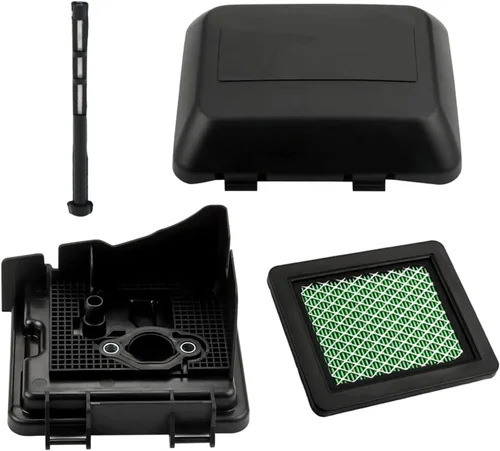
If your Honda GCV160 engine is bogging down under load—especially when mowing thick grass, powering a pressure washer, or running a generator—you’re likely dealing with an air restriction issue. And while fuel delivery, spark plug condition, and carburetor tuning all play roles, the air filter is often the overlooked culprit. A clogged, improperly sized, or low-quality air filter can severely limit airflow, disrupt the air-fuel ratio, and cause poor engine performance, stalling, or reduced power output. That’s why choosing the right air filter isn’t just about maintenance—it’s about restoring and maintaining optimal engine function.
This comprehensive buying guide is designed to help you navigate the crowded market of air filters specifically for the Honda GCV160 engine. Whether you’re a homeowner maintaining a lawn mower, a contractor relying on a pressure washer, or a DIY enthusiast running a backup generator, understanding what makes a quality air filter can save you time, money, and frustration. We’ll walk you through the critical factors to consider, compare different types of filters, highlight common mistakes to avoid, and provide expert recommendations based on real-world performance and durability.
The market today offers a wide range of air filters—from OEM Honda replacements to aftermarket foam, paper, and reusable high-flow options. While some promise superior filtration and longevity, others cut corners on materials and fitment. Our goal is to cut through the noise and give you the knowledge you need to make an informed decision. By the end of this guide, you’ll know exactly what to look for, how much to spend, and which filters deliver the best performance for your specific use case. Whether you’re replacing a worn-out filter or upgrading for better airflow, this guide will ensure your GCV160 runs smoothly, efficiently, and reliably for years to come.
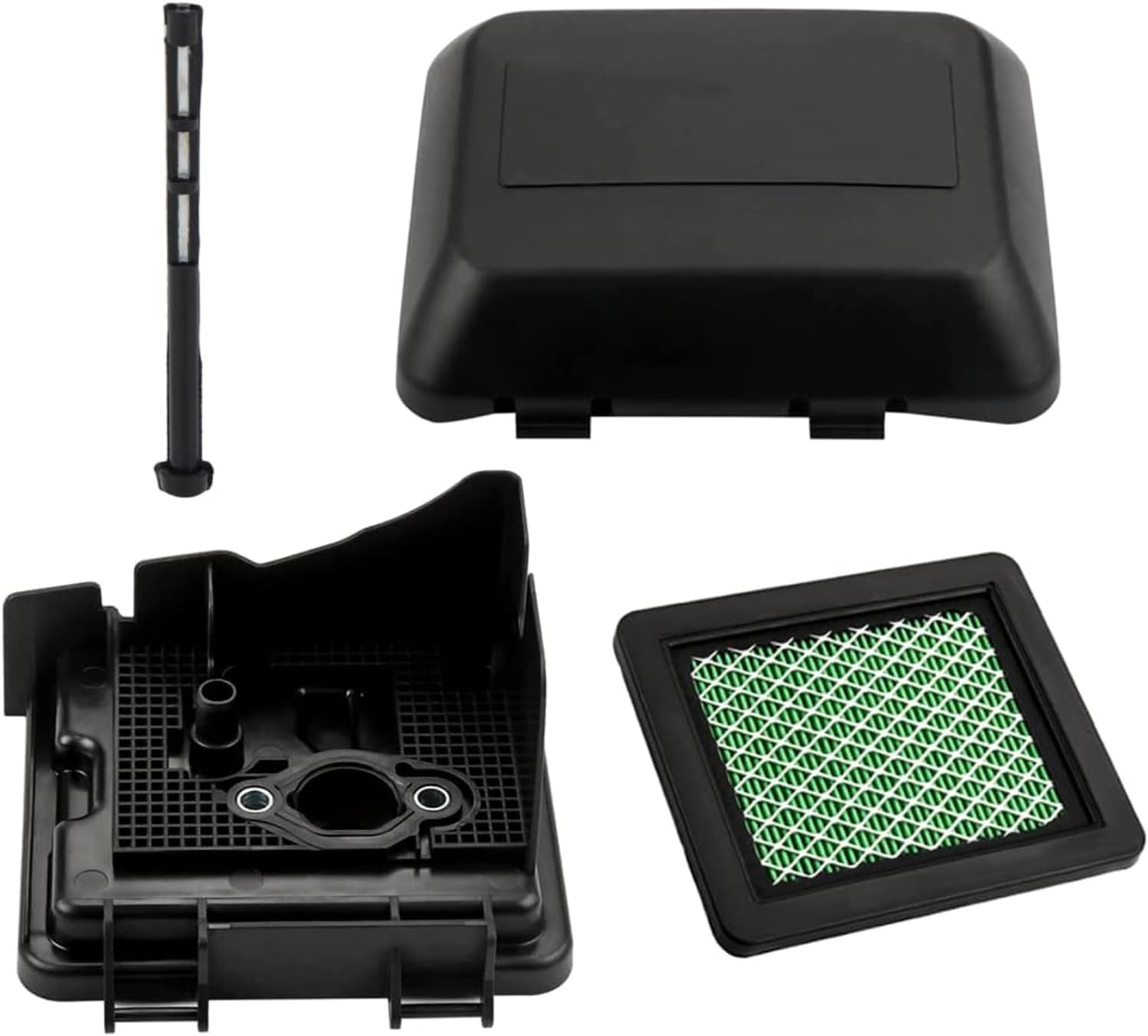
What to Look for When Buying Buying Guide
1. Filtration Efficiency
Filtration efficiency refers to how effectively an air filter captures dust, dirt, grass clippings, and other airborne contaminants before they enter the engine. For the Honda GCV160—a small but hardworking engine commonly used in lawn mowers, pressure washers, and generators—this is critical. Even tiny particles can cause abrasive wear on internal components like piston rings and cylinder walls over time, leading to reduced performance and premature engine failure.
Look for filters that offer a balance between high filtration and adequate airflow. OEM Honda filters typically use pleated paper elements with a multi-layer design that traps particles as small as 10–20 microns. Aftermarket options may use foam or synthetic media, which can vary widely in quality. A good filter should prevent contaminants from passing through without creating excessive airflow restriction. Check product specifications for micron ratings or filtration percentages—filters that capture 99% of particles above 10 microns are generally considered excellent for small engines.
Also consider the environment in which your equipment operates. If you mow dusty fields or operate in dry, debris-heavy conditions, a high-efficiency filter is essential. However, over-filtering can be counterproductive—some high-end filters with extremely fine media can restrict airflow if not designed properly, leading to the very bogging issues you’re trying to fix.
2. Airflow Capacity and Engine Performance
Airflow capacity directly impacts engine performance, especially under load. The GCV160 engine requires a precise air-fuel mixture to run efficiently. If the air filter restricts airflow too much, the mixture becomes too rich (excess fuel), causing incomplete combustion, black smoke, poor acceleration, and engine bogging. Conversely, if the filter allows too much unfiltered air (as with damaged or improperly sealed filters), contaminants can enter and damage the engine.
When evaluating airflow, consider the filter’s design and material. Pleated paper filters generally offer a good balance of surface area and airflow. Foam filters, especially those with oil coatings, can enhance airflow but may require more frequent maintenance. High-flow reusable filters made from cotton gauze or synthetic materials can improve performance in high-demand applications, but they often sacrifice some filtration efficiency unless properly maintained.
Real-world testing shows that a clean, properly sized OEM-style paper filter can restore full power to a bogging GCV160 engine. However, if you’re using the engine in high-performance or continuous-duty applications (like commercial mowing or industrial cleaning), a high-flow reusable filter with a pre-filter may be worth considering—provided it’s cleaned and re-oiled regularly.
3. Build Quality and Durability
The build quality of an air filter determines how long it will last and how well it will perform under stress. A poorly constructed filter can degrade quickly, allowing dirt to bypass the media or even disintegrate inside the airbox. This is especially true for cheap aftermarket filters made from thin paper or low-density foam that can tear or compress over time.
Look for filters with sturdy frames—typically made from molded plastic or reinforced cardboard—that maintain their shape under heat and vibration. The filter media should be securely bonded to the frame with high-quality adhesive, not just glued at the edges. Check for reinforced sealing lips or gaskets that ensure a tight fit in the airbox, preventing unfiltered air from sneaking around the edges.
Durability also depends on material resistance to moisture, oil, and UV exposure. Paper filters can degrade if exposed to rain or high humidity, while foam filters may absorb oil and lose effectiveness if over-oiled. Reusable filters made from synthetic or cotton materials often come with protective coatings to resist degradation, but they require proper maintenance to maintain longevity.
Investing in a well-built filter may cost more upfront, but it pays off in reduced replacement frequency and better engine protection. OEM Honda filters are known for their consistent quality, but reputable aftermarket brands like K&N, Briggs & Stratton, and Stens also offer durable options that meet or exceed OEM standards.
4. Compatibility and Fitment
Compatibility is non-negotiable. Even the best air filter in the world won’t help if it doesn’t fit your GCV160 engine properly. The Honda GCV160 uses a specific air filter design depending on the model and application. For example, lawn mower versions (like the GCV160A) often use a flat panel filter, while pressure washer or generator models (like the GCV160LA) may use a cylindrical or dual-stage filter.
Always check your engine’s model number and consult the owner’s manual or Honda’s parts catalog to confirm the correct filter part number. Common OEM part numbers include 17210-PLWA-000 (for many mower applications) and 17210-PLM-A00. Using the wrong filter can lead to poor sealing, reduced filtration, or even engine damage.
Aftermarket filters should clearly state compatibility with the GCV160 and list the exact OEM part numbers they replace. Avoid universal or “fits most” filters unless they are specifically designed for Honda small engines. A proper fit ensures the filter sits securely in the airbox, with no gaps or misalignment that could allow unfiltered air to enter.
If you’re unsure, take a photo of your current filter and compare it to the replacement. Measure the dimensions (length, width, thickness) and note any unique features like mounting tabs or pre-filter layers. Many online retailers offer fitment tools or customer support to help you find the right match.
5. Maintenance Requirements
Maintenance requirements vary significantly between filter types and can impact long-term cost and convenience. Disposable paper filters are the most common and require replacement every 25–50 hours of use, depending on operating conditions. They’re inexpensive and easy to swap out, but ongoing replacement costs add up over time.
Foam filters, often used in dual-stage systems, can be cleaned and reused. They typically need to be washed with mild detergent, dried completely, and re-oiled before reinstallation. While this saves money in the long run, it requires time and attention. Over-oiling can clog the filter and restrict airflow, while under-oiling reduces filtration efficiency.
Reusable high-flow filters (like those from K&N) are designed for long-term use and come with cleaning kits. They offer excellent airflow and can last for years with proper maintenance. However, they require regular cleaning (every 25–50 hours) and re-oiling, which may not be practical for casual users. Additionally, improper maintenance can lead to oil fouling of the carburetor or spark plug, causing performance issues.
Consider your usage frequency and willingness to perform maintenance. If you use your equipment weekly, a reusable filter might be cost-effective. If you only use it seasonally, a disposable paper filter may be more convenient. Always follow the manufacturer’s maintenance schedule to ensure optimal performance and engine protection.
6. Brand Reputation and Reliability
Brand reputation matters when it comes to air filters. Established brands like Honda, K&N, Briggs & Stratton, Stens, and Oregon have built their reputations on consistent quality, rigorous testing, and customer support. These companies invest in research and development to ensure their filters meet or exceed OEM specifications.
OEM (Original Equipment Manufacturer) filters from Honda are engineered specifically for the GCV160 and are guaranteed to fit and perform as intended. They undergo extensive testing for filtration efficiency, airflow, and durability. While they may cost more than generic alternatives, they offer peace of mind and reliable performance.
Aftermarket brands can offer excellent value, especially for budget-conscious buyers. K&N, for example, is known for high-flow reusable filters that improve performance in high-demand applications. However, not all aftermarket filters are created equal. Some lesser-known brands use inferior materials or cut corners on manufacturing, leading to poor fitment or premature failure.
Check customer reviews, especially on platforms like Amazon, Home Depot, or specialized small engine forums. Look for patterns in feedback—consistent complaints about poor fit, rapid degradation, or lack of filtration are red flags. A reputable brand will also offer clear product descriptions, compatibility information, and responsive customer service.
7. Warranty and Support
A solid warranty and reliable customer support can make a big difference if something goes wrong. Most OEM filters come with a limited warranty that covers defects in materials and workmanship. Honda, for example, typically offers a 1-year warranty on genuine parts, which is a strong indicator of confidence in their product.
Aftermarket brands vary in their warranty policies. K&N offers a 1-year limited warranty on their air filters, while other brands may offer shorter or no warranty at all. A warranty not only protects your investment but also reflects the manufacturer’s commitment to quality.
Customer support is equally important. If you receive a defective filter or have questions about installation or compatibility, you want a company that responds quickly and helpfully. Check if the brand offers phone, email, or live chat support, and read reviews about their service experience.
Additionally, consider return policies. Most reputable retailers allow returns within 30 days if the product is unused and in original packaging. This gives you a chance to test the filter and ensure it fits and performs as expected. Avoid sellers with strict no-return policies, especially for online purchases.
8. Environmental and Usage Conditions
The environment in which you operate your GCV160 engine plays a major role in filter selection. If you mow in dry, dusty conditions or work in areas with heavy pollen, grass clippings, or debris, your filter will clog faster and require more frequent replacement or cleaning.
In such cases, a dual-stage filter—combining a foam pre-filter with a paper main filter—can extend service life by capturing larger particles before they reach the primary element. Some OEM Honda models already include this design, but aftermarket upgrades are available for enhanced protection.
Moisture is another factor. If you operate in humid or wet conditions, paper filters can absorb moisture and degrade, reducing airflow. Foam or synthetic filters may perform better in these environments, but they must be properly maintained to prevent mold or bacterial growth.
For commercial users or those running equipment for extended periods, consider filters with higher dust-holding capacity. These are designed to trap more contaminants before needing service, reducing downtime and maintenance frequency. Look for filters with deeper pleats or multi-layer media that increase surface area without restricting airflow.
Finally, consider seasonal usage. If you store your equipment for long periods, a clean, properly sealed filter can prevent moisture and pests from entering the engine. Some users even install filter covers or remove the filter entirely during storage to protect the carburetor.
Different Types of Buying Guide

Common Buying Mistakes to Avoid

❌ Mistake: Buying the Cheapest Filter Available
Why it’s bad: The lowest-priced filters often use thin, low-quality paper or foam that degrades quickly, tears easily, or fails to seal properly. This can lead to unfiltered air entering the engine, causing accelerated wear, poor performance, and even engine failure. In the long run, frequent replacements and potential engine repairs far outweigh the initial savings.
What to do instead: Invest in a filter from a reputable brand, even if it costs a few dollars more. Look for filters with reinforced frames, high filtration ratings, and positive user reviews. A $12 filter that lasts twice as long as a $6 one is actually the better deal.
❌ Mistake: Ignoring Compatibility
Why it’s bad: Using a filter that doesn’t match your GCV160 model can result in poor fitment, air leaks, or complete failure to install. Even small differences in size or shape can allow contaminants to bypass the filter, defeating its purpose.
What to do instead: Always verify the OEM part number for your specific engine model. Cross-reference with the replacement filter’s compatibility list. When in doubt, consult the owner’s manual or contact the manufacturer.
❌ Mistake: Over-Oiling Reusable Filters
Why it’s bad: Applying too much oil to a reusable foam or cotton filter can clog the media, restrict airflow, and cause oil to be sucked into the carburetor. This leads to rich running conditions, fouled spark plugs, and engine bogging—exactly the problem you’re trying to solve.
What to do instead: Follow the manufacturer’s instructions precisely. Use only the recommended oil and apply it evenly. After oiling, squeeze out excess and allow the filter to dry completely before reinstalling.
❌ Mistake: Neglecting Regular Maintenance
Why it’s bad: Even the best filter will eventually clog with dirt and debris. Continuing to use a dirty filter restricts airflow, reduces power, and can cause the engine to bog down under load. In severe cases, it may lead to overheating or engine damage.
What to do instead: Inspect the filter every 10–15 hours of use. Clean or replace it according to the manufacturer’s schedule. Keep a spare filter on hand for quick swaps during maintenance.
❌ Mistake: Assuming All Aftermarket Filters Are Equal
Why it’s bad: The aftermarket is flooded with generic filters that may look similar to OEM parts but are made with inferior materials. These can fail prematurely, offer poor filtration, or not fit correctly.
What to do instead: Stick to well-known brands with proven track records. Read reviews, check for certifications, and avoid “no-name” products sold by unknown sellers.
❌ Mistake: Using a Damaged or Wet Filter
Why it’s bad: A torn, punctured, or waterlogged filter cannot protect your engine. Damage allows dirt to enter, while moisture can degrade paper filters and promote mold growth.
What to do instead: Always inspect the filter before installation. Replace any filter that shows signs of damage or moisture exposure. Store spare filters in a dry, sealed container.
❌ Mistake: Upgrading to High-Flow Without Need
Why it’s bad: High-flow filters are designed for performance applications and may not provide adequate filtration for everyday use. They also require more maintenance and can be overkill for a standard GCV160 engine.
What to do instead: Only consider high-flow options if you’re experiencing consistent performance issues and have ruled out other causes. For most users, a quality OEM-style filter is the best choice.
Budget Guidelines: How Much Should You Spend?
Entry-Level ($5 – $10): This range includes basic aftermarket paper or foam filters. They’re suitable for occasional use in clean environments but may lack durability and precise fitment. Expect to replace them more frequently, and be cautious of compatibility issues. Best for budget repairs or emergency replacements.
Mid-Range ($10 – $18): This is the sweet spot for most GCV160 owners. Filters in this range often match or exceed OEM quality, with better materials, improved filtration, and reliable fitment. Brands like Stens, Oregon, and some OEM equivalents fall here. Ideal for regular home use and light commercial applications.
Premium ($18 – $30): Premium filters include high-quality OEM Honda parts and reputable aftermarket options with enhanced features like dual-stage filtration or reinforced frames. These offer superior protection, longer service life, and consistent performance. Recommended for frequent use or harsh operating conditions.
Luxury ($30+): This tier includes reusable high-flow filters from brands like K&N. While expensive upfront, they can save money over time with proper maintenance. Best for performance enthusiasts, commercial users, or those operating in high-dust environments. Requires regular cleaning and re-oiling.

Expert Tips for Getting the Best Deal
- Buy in Bulk: If you maintain multiple GCV160 engines (e.g., for a lawn care business), purchasing filters in packs of 3 or 6 can save 15–20% per unit. Many retailers offer volume discounts.
- Watch for Seasonal Sales: Spring and fall are peak times for lawn equipment sales. Retailers often discount air filters during these periods. Sign up for newsletters from Home Depot, Lowe’s, or Amazon to get alerts.
- Check OEM Direct: Honda’s official parts website sometimes offers promotions or free shipping on genuine filters. While not always the cheapest, you get guaranteed compatibility and quality.
- Read Return Policies: Before buying online, ensure the seller accepts returns. This allows you to test fitment and performance without risk.
- Compare Total Cost of Ownership: For reusable filters, calculate the cost of cleaning kits and oil over time. A $35 K&N filter may cost $10/year in maintenance, while a $12 paper filter replaced twice a year costs $24/year.
- Use Fitment Tools: Websites like PartsTree, RepairClinic, or Honda’s parts portal let you enter your engine model and find exact matches. This reduces the risk of ordering the wrong part.
- Inspect Before Installing: Even new filters can be damaged in shipping. Check for cracks, tears, or deformation before installation.
- Keep a Spare: A spare filter lets you swap quickly during maintenance, minimizing downtime. Store it in a sealed bag to prevent contamination.
Frequently Asked Questions
Q: Why is my GCV160 engine bogging down under load?
A: Engine bogging is often caused by air restriction from a clogged air filter. Other causes include dirty carburetors, old fuel, or faulty spark plugs. Start by inspecting and replacing the air filter, then check the carburetor and fuel system.
Q: How often should I replace the air filter on my GCV160?
A: Replace disposable paper filters every 25–50 hours of use, or at least once per season. Clean reusable filters every 25 hours and replace if damaged. Inspect the filter regularly, especially in dusty conditions.
Q: Can I clean a paper air filter?
A: No. Paper filters are not designed to be cleaned. Attempting to blow them out with compressed air can damage the media. Replace them when dirty.
Q: Are aftermarket filters as good as OEM?
A: Some are, but quality varies. Stick to reputable brands with positive reviews and verified compatibility. OEM filters offer guaranteed fit and performance.
Q: Will a high-flow filter improve my engine’s power?
A: It may, but only if the original filter was severely restricting airflow. Most GCV160 engines don’t benefit significantly from high-flow filters unless used in high-performance applications.
Q: Can I use a foam filter without oil?
A: No. Foam filters require oil to trap fine particles. Using an un-oiled foam filter offers minimal protection and can allow dirt into the engine.
Q: What’s the difference between a pre-filter and a main filter?
A: A pre-filter (usually foam) captures large debris before it reaches the main paper filter. This extends the life of the main filter and improves overall filtration efficiency.
Q: How do I know if my air filter is the right size?
A: Measure the old filter’s length, width, and thickness. Compare it to the replacement’s dimensions. Also check the OEM part number and compatibility list.
Q: Can a dirty air filter cause hard starting?
A: Yes. A clogged filter restricts airflow, making the air-fuel mixture too rich. This can flood the engine and make starting difficult.
Q: Is it safe to run the engine without an air filter?
A: Absolutely not. Running without a filter allows dirt and debris to enter the engine, causing rapid wear and potential failure. Always use a filter, even if it’s a temporary replacement.
Our Final Recommendations
Best for Budget-Conscious Buyers: Stens 135-735 Air Filter – A high-quality aftermarket paper filter that matches OEM performance at a lower price. Reliable, widely available, and compatible with most GCV160 models.
Best Overall Value: Honda 17210-PLWA-000 Genuine Air Filter – The OEM standard for fit, filtration, and durability. Slightly more expensive but guaranteed to perform as intended.
Best Premium Option: K&N E-4580 Reusable Air Filter – A high-flow cotton gauze filter designed for performance and longevity. Requires maintenance but offers superior airflow and long-term savings.
Best for Beginners: Oregon 36-035 Air Filter – Easy to install, reliable, and affordable. Great for first-time buyers who want a no-fuss replacement.
Best for Advanced Users: Briggs & Stratton 5412K Foam Pre-Filter + Paper Combo – Ideal for dusty environments and commercial use. Offers extended service life and enhanced protection.
Conclusion: Making the Right Choice
Choosing the right air filter for your Honda GCV160 engine is a critical decision that impacts performance, longevity, and reliability. A clogged or low-quality filter can cause bogging, poor acceleration, and engine damage—issues that are easily avoided with the right replacement. By understanding key factors like filtration efficiency, airflow, compatibility, and maintenance, you can make an informed choice that matches your needs and budget.
Whether you’re a homeowner maintaining a lawn mower or a professional relying on a pressure washer, prioritize quality over cost. Invest in a filter from a reputable brand, ensure it’s compatible with your engine model, and follow a regular maintenance schedule. Remember, the air filter is your engine’s first line of defense—don’t let a cheap or incorrect filter compromise its health.
Use this guide as your roadmap to finding the best air filter for your GCV160. Compare options, avoid common mistakes, and choose based on your specific usage and environment. With the right filter, your engine will run smoother, last longer, and deliver the power you need when you need it most.