
If your Honda GCV160 engine is surging—fluctuating between high and low RPMs without load changes—you’re not alone. This common issue often stems from combustion inefficiencies, valve train problems, or airflow inconsistencies directly tied to the cylinder head assembly. Whether you’re maintaining a pressure washer, lawn mower, or generator powered by this reliable 160cc engine, a failing or worn cylinder head can turn routine tasks into frustrating experiences. The good news? A high-quality replacement cylinder head assembly can restore smooth operation, improve fuel efficiency, and extend your engine’s lifespan.
This comprehensive buying guide is designed to help you navigate the often-confusing world of aftermarket and OEM cylinder head replacements for the GCV160. We’ll cut through the marketing noise and technical jargon to deliver expert-level insights grounded in real-world performance, durability, and value. By the end of this article, you’ll know exactly what to look for, which brands to trust, how much to spend, and how to avoid costly mistakes. Whether you’re a DIY mechanic, a small business owner relying on equipment uptime, or a homeowner tired of inconsistent engine behavior, this guide equips you with the knowledge to make a confident, informed decision.
The market for GCV160 cylinder head assemblies has grown significantly in recent years, with options ranging from budget-friendly Chinese knockoffs to precision-engineered OEM equivalents and performance-enhanced aftermarket units. While this variety offers flexibility, it also increases the risk of purchasing subpar components that fail prematurely or worsen surging issues. Our goal is to help you identify the sweet spot between cost, quality, and compatibility—so you get a replacement that solves your problem, not creates new ones.
What to Look for When Buying Buying Guide
1. OEM Compatibility & Fitment Accuracy
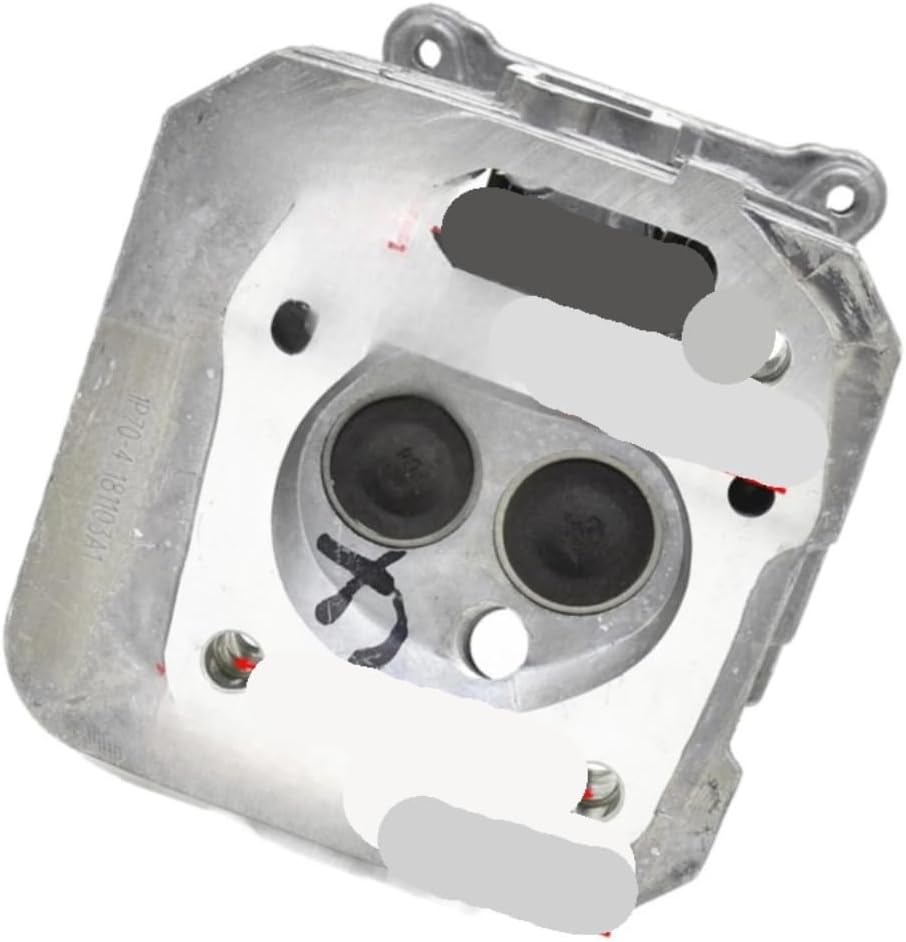
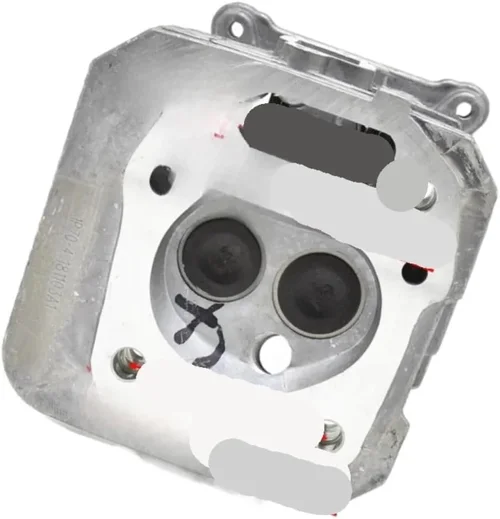
The GCV160 engine has very specific dimensional tolerances, especially around the combustion chamber, valve seats, spark plug thread, and mounting bolt pattern. A replacement cylinder head must match these specs precisely to ensure proper sealing, valve timing, and thermal performance. Look for products explicitly labeled as “direct fit” or “OEM-spec” for the Honda GCV160 (not just “fits Honda 160cc engines,” which could include incompatible models like the GXV series). Verify part numbers—common OEM references include 12000-Z0L-811 or 12000-Z0L-801—and cross-check with your engine’s serial number if possible. Even minor deviations in port geometry or chamber volume can exacerbate surging by disrupting air-fuel mixture dynamics.
2. Material Quality & Heat Resistance
Cylinder heads endure extreme thermal cycling—from ambient temperatures to over 500°F during operation. Low-quality castings made from inferior aluminum alloys may warp, crack, or develop porosity over time, leading to compression loss and erratic engine behavior. Opt for heads constructed from A356-T6 or similar aerospace-grade aluminum, which offers excellent thermal conductivity and dimensional stability. Avoid units with visible casting flaws, rough surfaces, or inconsistent wall thickness. Premium manufacturers often use CNC-machined surfaces for the head gasket interface to ensure a leak-free seal under thermal stress.
3. Valve & Spring Specifications
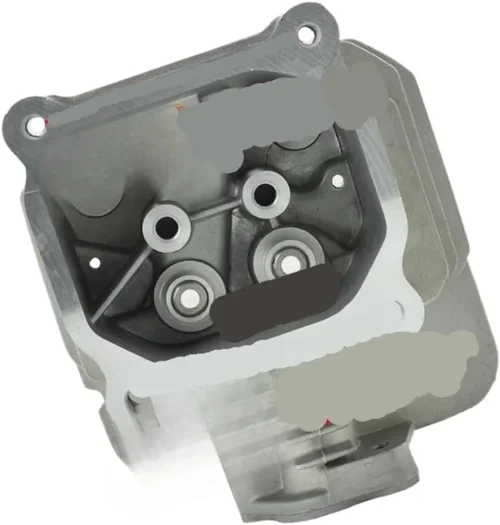
Surging in the GCV160 is frequently linked to valve train issues—sticking valves, weak springs, or improper clearances. A quality replacement assembly should include properly hardened intake and exhaust valves (typically stainless steel), correctly rated valve springs, and precision-lapped valve seats. Check that the valve stem diameter matches OEM specs (usually 5mm) and that spring tension is within Honda’s recommended range (around 18–22 lbs at installed height). Some aftermarket heads come with upgraded springs for higher RPM stability, but these may require camshaft adjustments—stick to OEM-equivalent specs unless you’re modifying the entire valvetrain.
4. Combustion Chamber Design & Emissions Compliance
The shape and volume of the combustion chamber directly affect flame propagation, emissions, and susceptibility to detonation—all factors that influence surging. OEM Honda heads feature a carefully engineered hemispherical or bathtub-style chamber optimized for the GCV160’s carbureted fuel system. Avoid heads with overly large or irregular chambers, as they can reduce compression ratio below the ideal 8.5:1 range, causing poor throttle response and instability. Additionally, ensure the replacement meets EPA or CARB emissions standards if your original engine was certified—non-compliant heads may void warranties or fail inspections in regulated areas.
5. Gasket Compatibility & Sealing Surface Finish
A poorly finished sealing surface is a silent killer of engine performance. Even with a new head gasket, microscopic grooves or warping can allow combustion gases to escape, leading to compression loss and surging. Inspect the deck surface of any replacement head: it should be smooth, flat (within 0.003 inches), and free of tool marks. Many reputable suppliers include a fresh head gasket and torque specifications. Never reuse old gaskets—they lose elasticity and won’t seal properly under heat. Also confirm that the head accepts standard Honda GCV160 head gaskets (part #12251-Z0L-801); some budget units use non-standard designs that require proprietary gaskets.
6. Brand Reputation & Manufacturing Origin
Not all “Honda-compatible” heads are created equal. While genuine Honda OEM parts offer bulletproof reliability, they come at a premium. Aftermarket brands like Oregon, Rotary, and Hippo offer strong alternatives—but quality varies widely. Research the manufacturer: U.S.- or EU-based companies often adhere to stricter quality controls than overseas producers. Avoid no-name brands sold solely on price; they frequently use recycled aluminum, inconsistent heat treatment, and poor QC. Look for certifications like ISO 9001 or customer testimonials referencing long-term durability. If possible, buy from retailers with verified fitment guarantees (e.g., Jack’s Small Engines, PartsTree, or OEM-specific dealers).
7. Warranty & Return Policy
A cylinder head is a critical engine component—you shouldn’t have to gamble on its longevity. Reputable sellers offer at least a 1-year warranty against defects in materials or workmanship. Some premium brands provide 2–3 years. Read the fine print: many warranties are voided if the head is installed incorrectly or used with contaminated fuel. Also check return windows—ideally 30–90 days—so you can test fit and function before committing. Avoid vendors with “all sales final” policies unless they’re established OEM dealers.
8. Installation Requirements & Tool Needs
Replacing a cylinder head isn’t just about bolting on a new part. It requires proper disassembly, cleaning of the engine block deck, valve lapping (if not pre-lapped), and precise torque sequencing. Ensure your replacement comes with clear instructions and torque specs (typically 18–22 ft-lbs in a crisscross pattern). Some heads require valve clearance adjustment post-installation—check if feeler gauges and service manuals are accessible. If you lack experience, consider professional installation; improper torque can warp the head or strip threads, turning a $100 part into a $500 repair.
Different Types of Buying Guide
Common Buying Mistakes to Avoid
❌ Mistake: Choosing Based Solely on Price
Why it’s bad: The cheapest cylinder heads often use substandard materials and lack quality control, leading to premature failure, warping, or poor sealing—exactly what causes surging in the first place. A $50 head that fails in 6 months costs more than a $120 unit that lasts 5 years.
What to do instead: Prioritize value over absolute low cost. Invest in a mid-range premium aftermarket head from a reputable brand—it’ll save you time, frustration, and future repair costs.
❌ Mistake: Ignoring Valve Train Components
Why it’s bad: Some sellers offer “bare” cylinder heads without valves, springs, or retainers. Installing these on a worn valvetrain can perpetuate surging due to inconsistent valve seating or spring fatigue.
What to do instead: Buy a complete assembly with valves and springs included, or budget to replace your existing valvetrain components simultaneously.
❌ Mistake: Overlooking Surface Finish & Flatness
Why it’s bad: A warped or rough deck surface prevents proper gasket sealing, allowing combustion leaks that mimic carburetor or ignition problems—often misdiagnosed as surging.
What to do instead: Use a straightedge and feeler gauge to check flatness before installation. If the surface isn’t mirror-smooth, consider resurfacing or choose a CNC-machined head.
❌ Mistake: Assuming All “GCV160” Heads Are Interchangeable
Why it’s bad: Honda produced multiple variants of the GCV160 (e.g., with/without emissions systems, different carburetor mounts). Using an incompatible head can block coolant passages or misalign intake/exhaust ports.
What to do instead: Match your engine’s model and serial number to the replacement. When in doubt, consult Honda’s parts catalog or a certified dealer.
❌ Mistake: Skipping Torque Specifications
Why it’s bad: Under-torquing leads to gasket failure; over-torquing warps the head or strips aluminum threads. Both scenarios cause surging and potential engine damage.
What to do instead: Always use a calibrated torque wrench and follow the manufacturer’s sequence (usually a 3-step crisscross pattern). Re-torque after the first few operating hours if specified.
❌ Mistake: Neglecting Post-Installation Break-In
Why it’s bad: New valve seats need proper bedding-in. Running at full throttle immediately can cause excessive wear or burning, leading to compression loss and renewed surging.
What to do instead: Operate the engine at varying loads for the first 2–3 hours. Avoid prolonged idle or max RPM. Use fresh oil and check valve clearances after break-in.
Budget Guidelines: How Much Should You Spend?
Entry-Level ($40–$70): These budget heads are typically sourced from overseas manufacturers with minimal quality oversight. While they may resolve immediate surging by replacing a cracked or warped original, expect shorter lifespan (6–18 months), potential fitment issues, and higher risk of recurrence. Best suited for temporary fixes or non-critical applications where downtime isn’t costly.
Mid-Range ($90–$140): This is the sweet spot for most users. Brands like Oregon, Rotary, and Hippo offer heads that meet or exceed OEM specs at nearly half the price of genuine Honda parts. They include quality valves, springs, and gaskets, with reliable warranties. Ideal for homeowners, landscapers, and small businesses seeking durable, cost-effective solutions.
Premium ($150–$220): Includes OEM Honda genuine parts and high-end aftermarket units with enhanced features like improved porting, hardened valve seats, or upgraded coatings. These deliver maximum longevity, precise fit, and peace of mind. Recommended for professionals, restorers, or anyone operating in harsh conditions (e.g., continuous pressure washing).
Luxury ($220+): Reserved for performance builds or collector restorations. These may include fully CNC-machined heads, custom combustion chambers, or compatibility with high-lift cams. Overkill for standard GCV160 applications but valuable for modified engines seeking every horsepower advantage.
Expert Tips for Getting the Best Deal
- Buy during off-season: Demand for small engine parts peaks in spring. Shop in late fall or winter for discounts—many retailers clear inventory before new models arrive.
- Use authorized dealers: Sites like Jack’s Small Engines, PartsTree, and MowPart offer verified fitment tools, expert support, and often price-match policies. Avoid third-party Amazon or eBay sellers with vague descriptions.
- Check for bundle deals: Some retailers offer cylinder head + gasket + valve kit packages at a discount. Compare total cost versus buying separately.
- Inspect before installing: Even new parts can be damaged in shipping. Check for cracks, missing components, or surface defects. Most reputable sellers will replace defective units quickly.
- Leverage warranty claims: If your engine is still under Honda’s 2–3 year consumer warranty, the cylinder head may be covered—especially if surging stems from a manufacturing defect. Contact a Honda dealer with your serial number.
- Consider refurbished OEM: Some specialty shops offer professionally rebuilt Honda heads at 30–40% off new prices. These undergo pressure testing, resurfacing, and component replacement—often with better QC than new budget units.
- Document everything: Keep receipts, photos of the old head, and installation notes. This helps with warranty claims and future troubleshooting.

Frequently Asked Questions
Q: Will a new cylinder head fix my GCV160 surging problem?
A: It can—if the surging is caused by compression loss, valve sticking, or combustion chamber issues. However, surging can also stem from carburetor problems, air leaks, or ignition faults. Diagnose thoroughly before replacing the head. A compression test (should read 90–120 PSI) and leak-down test are essential first steps.
Q: Can I install a cylinder head myself?
A: Yes, if you have basic mechanical skills, the right tools (torque wrench, feeler gauges), and patience. The job takes 2–4 hours for a first-timer. Watch detailed YouTube tutorials specific to the GCV160, and never skip torque specs or valve adjustments.
Q: Are aftermarket heads as good as Honda OEM?
A: Top-tier aftermarket brands (Oregon, Rotary) match OEM quality and often use the same factories. However, genuine Honda parts come with full factory warranty and guaranteed compatibility. For most users, premium aftermarket offers the best balance of cost and reliability.
Q: Do I need to replace the head gasket too?
A: Absolutely. Never reuse an old head gasket—it won’t seal properly under thermal cycling. Always install a new OEM-spec gasket (part #12251-Z0L-801) with the correct orientation.
Q: How long should a replacement cylinder head last?
A: With proper maintenance, a quality head should last 5–10 years or 500–1,000 hours of operation. Budget units may fail in under 200 hours. Regular oil changes, clean air filters, and fresh fuel significantly extend lifespan.
Q: What’s the difference between a “complete” and “bare” cylinder head?
A: A complete assembly includes valves, springs, retainers, and keepers—ready to install. A bare head is just the casting, requiring you to transfer or purchase valvetrain parts separately. Complete assemblies are recommended for most users.
Q: Can I use a performance head on a stock GCV160?
A: Yes, but gains are minimal without supporting mods (carburetor, exhaust, cam). Ported heads may improve airflow slightly, but the stock engine’s limitations cap benefits. Stick to OEM-spec unless building a race engine.
Q: My engine still surges after head replacement—what now?
A: Recheck installation (torque, gasket, valve clearances). Then inspect the carburetor for clogged jets, the air filter for blockages, and the ignition system for weak spark. Surging is often multi-factorial.
Our Final Recommendations
Best for Budget-Conscious Buyers: Rotary Cylinder Head Assembly (Part #ROT-12000Z0L801) – At $95–$110, this unit offers OEM-equivalent materials, includes valves and springs, and comes with a 2-year warranty. Widely praised for fitment accuracy and durability.
Best Overall Value: Oregon Premium Cylinder Head (Part #OR-490-160) – Priced around $120, it features CNC-machined surfaces, A356-T6 aluminum, and a complete valvetrain. Ideal for homeowners and pros alike.
Best Premium Option: Honda Genuine Cylinder Head Assembly (Part #12000-Z0L-811) – For those who demand perfection, this OEM part guarantees compatibility and comes with Honda’s full warranty. Expect to pay $200–$240.
Best for Beginners: Hippo Complete Head Kit with Gasket & Instructions – Includes everything needed, detailed step-by-step guide, and pre-lapped valves. Great for first-time installers.
Best for Advanced Users: Performance Ported Head by Small Engine Performance (SEP) – Hand-finished ports, upgraded springs, and optimized chamber for modified GCV160s. Adds 5–8% more power when paired with other upgrades.
Conclusion: Making the Right Choice
Choosing the right cylinder head assembly for your surging GCV160 isn’t just about swapping parts—it’s about restoring confidence in your equipment. By focusing on OEM compatibility, material quality, complete valvetrain inclusion, and reputable brands, you’ll address the root cause of surging rather than masking symptoms. Remember: the cheapest option is rarely the most economical in the long run, and cutting corners on installation can undo even the best part.
Prioritize your specific needs—whether that’s budget constraints, professional reliability, or ease of installation—and use the guidelines in this guide to narrow your options. Take advantage of warranties, verify fitment, and don’t hesitate to seek professional help if you’re unsure. With the right cylinder head, your GCV160 will run smoother, last longer, and deliver the consistent performance you rely on.
Now that you’re equipped with expert knowledge, it’s time to take action. Diagnose your engine, compare your top choices using our recommendations, and invest in a solution that brings peace of mind along with peak performance. Your tools—and your workflow—will thank you.