
Learn how to diagnose and fix surging issues in your GCV160 engine caused by muffler assembly problems. This guide walks you through inspection, cleaning, replacement, and tuning steps to restore smooth performance.
Key Takeaways
- Surging in GCV160 engines is often linked to exhaust restrictions in the muffler assembly. A clogged or damaged muffler disrupts backpressure and airflow, causing erratic engine speed.
- Regular inspection and cleaning of the muffler can prevent most surging issues. Carbon buildup and debris are common culprits, especially in engines used for heavy-duty tasks.
- Always disconnect the spark plug before servicing the muffler to ensure safety. This prevents accidental engine starts during maintenance.
- Use OEM or high-quality replacement parts when repairing or replacing muffler components. Cheap aftermarket parts may not meet performance or safety standards.
- Proper reassembly and gasket sealing are critical to avoid exhaust leaks. Leaks can cause false air readings and worsen surging.
- After repairs, test the engine under load to confirm the fix. Idle testing alone may not reveal lingering issues.
- Keep a maintenance log to track muffler service intervals and engine performance trends. This helps catch problems early.
Quick Answers to Common Questions
Tip/Question?
How often should I clean the muffler on my GCV160?
Clean the muffler every 50–100 hours of operation or at the start of each mowing season to prevent carbon buildup and surging.
Tip/Question?
Can I use aftermarket mufflers on the GCV160?
Yes, but choose high-quality aftermarket parts that meet OEM specifications. Cheap mufflers may not perform well or last long.
Tip/Question?
Why does my engine surge only under load?
This is often due to exhaust restriction. The muffler can’t handle increased exhaust flow under load, causing backpressure and surging.
Tip/Question?
Is it safe to clean the muffler with chemicals?
Use mild degreasers or carb cleaner, but avoid harsh solvents. Always wear gloves and work in a ventilated area.
Tip/Question?
What if the surging comes back after cleaning?
Recheck the muffler for damage, then inspect the carburetor, air filter, and ignition system. Multiple issues can cause similar symptoms.
Introduction: Understanding GCV160 Surging and the Muffler’s Role
If your Honda GCV160 engine is surging—meaning it revs up and down unpredictably—you’re not alone. This common issue frustrates homeowners, landscapers, and small equipment operators alike. While surging can stem from fuel, air, or ignition problems, one often-overlooked cause is the muffler assembly. The muffler isn’t just for noise reduction; it plays a vital role in maintaining proper exhaust flow and engine backpressure. When it’s clogged, damaged, or improperly installed, the engine struggles to breathe, leading to inconsistent RPMs and poor performance.
In this comprehensive guide, you’ll learn how to troubleshoot, inspect, clean, and repair the muffler assembly on your GCV160 engine to eliminate surging. We’ll cover everything from safety precautions to step-by-step disassembly, cleaning techniques, part replacement, and post-repair testing. Whether you’re a DIY enthusiast or a professional technician, this guide will equip you with the knowledge and confidence to restore your engine’s smooth operation.
By the end of this guide, you’ll understand how the muffler affects engine performance, how to identify muffler-related surging, and how to fix it efficiently—saving you time, money, and frustration.
Why Does the Muffler Cause Surging in the GCV160?
To fix a problem, you first need to understand it. The GCV160 is a reliable, air-cooled, single-cylinder engine commonly used in lawn mowers, pressure washers, and small generators. Like all internal combustion engines, it relies on a precise balance of air, fuel, and exhaust flow. The muffler assembly is part of the exhaust system, which removes burnt gases from the combustion chamber. If the exhaust can’t flow freely, pressure builds up inside the engine, disrupting the air-fuel mixture and causing surging.
Here’s how a faulty muffler leads to surging:
– Carbon Buildup: Over time, carbon deposits accumulate inside the muffler’s internal baffles and spark arrestor. This restricts exhaust flow, increasing backpressure and causing the engine to struggle at higher loads.
– Physical Damage: Dents, rust, or holes in the muffler can alter exhaust flow patterns or allow unburned gases to escape prematurely, confusing the engine’s combustion cycle.
– Loose or Missing Components: A loose muffler, missing gasket, or cracked heat shield can create exhaust leaks. These leaks introduce false air into the system, tricking the engine into thinking it needs more fuel, which leads to surging.
– Improper Reassembly: If the muffler was previously removed and not reinstalled correctly, it may not seal properly, causing performance issues.
Surging typically worsens under load—like when mowing thick grass or running a pressure washer at full pressure. At idle, the engine might seem fine, but as demand increases, the restricted exhaust can’t keep up, and the engine surges.
Safety First: Preparing to Work on Your GCV160
Before you begin any maintenance on your GCV160 engine, safety must be your top priority. Working with engines involves risks like burns, electrical shock, and accidental starts. Follow these essential safety steps:
1. Disconnect the Spark Plug
Always disconnect the spark plug wire and secure it away from the spark plug terminal. This prevents the engine from accidentally starting while you’re working on it. Use a spark plug wrench to remove the plug and inspect it for signs of fouling or damage.
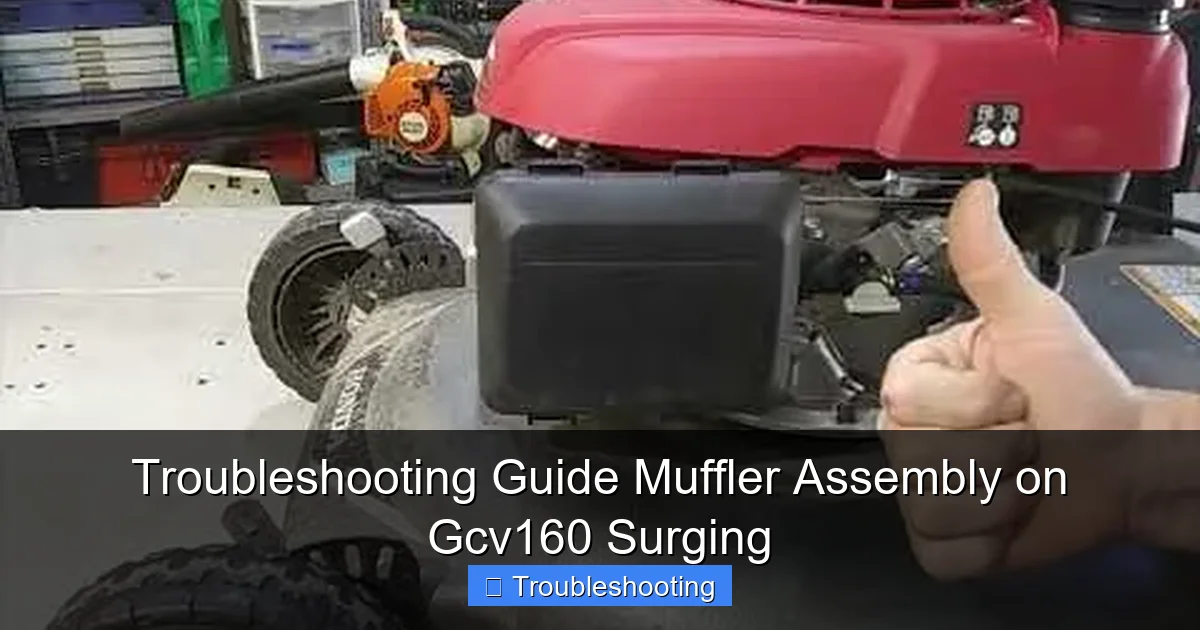
Visual guide about Troubleshooting Guide Muffler Assembly on Gcv160 Surging
Image source: i.ytimg.com
2. Let the Engine Cool
Never work on a hot engine. The muffler and surrounding components can reach extremely high temperatures during operation. Allow the engine to cool for at least 30 minutes before beginning any disassembly.
3. Work in a Well-Ventilated Area
Even when the engine is off, residual fumes may be present. Work outdoors or in a garage with the door open to ensure proper airflow and reduce the risk of inhaling harmful gases.
4. Wear Protective Gear
Use safety glasses to protect your eyes from debris, and wear gloves to shield your hands from sharp edges, hot surfaces, and grease. Long sleeves and closed-toe shoes are also recommended.
5. Gather the Right Tools
You’ll need a few basic tools: a socket wrench set (typically 10mm for muffler bolts), a screwdriver, a wire brush, a soft cloth, and possibly a torque wrench for reassembly. Keep a container for small parts like bolts and gaskets to avoid losing them.
6. Consult Your Owner’s Manual
Refer to your GCV160 owner’s manual for model-specific instructions, torque specifications, and part numbers. This ensures you follow manufacturer guidelines and avoid damaging components.
Taking these precautions not only protects you but also helps ensure a successful repair.
Step-by-Step: Diagnosing Muffler-Related Surging
Before jumping into repairs, it’s important to confirm that the muffler is indeed the source of the surging. Follow this diagnostic process to rule out other common causes.
1. Observe the Surging Pattern
Start the engine and let it warm up. Note when the surging occurs:
- Only at idle?
- Only under load?
- Constant, regardless of load?
Surging under load is a strong indicator of exhaust restriction, often due to a clogged muffler.
2. Check the Air Filter
A dirty air filter can also cause surging by restricting airflow. Remove the air filter cover and inspect the filter. If it’s clogged with dirt or oil, clean or replace it. Reinstall and test the engine. If surging persists, move to the next step.
3. Inspect the Fuel System
Stale fuel, clogged fuel lines, or a dirty carburetor can mimic muffler-related surging. Drain old fuel and replace it with fresh gasoline. Check the fuel filter and lines for blockages. If you suspect carburetor issues, consider cleaning it with carb cleaner or rebuilding it.
4. Examine the Muffler Externally
Look for visible signs of damage:
- Dents or rust holes
- Black soot around the exhaust outlet (indicating carbon buildup)
- Looseness or vibration when the engine runs
If the muffler appears damaged or excessively dirty, it’s likely contributing to the problem.
5. Perform a Backpressure Test (Optional)
For advanced users, a backpressure test can confirm exhaust restriction. This requires a pressure gauge and specialized tools. However, for most DIYers, visual inspection and cleaning are sufficient.
Once you’ve ruled out air and fuel issues, and the muffler shows signs of trouble, it’s time to disassemble and inspect it.
Disassembling the Muffler Assembly
Now that you’ve confirmed the muffler is the likely culprit, it’s time to remove it for inspection and cleaning. Follow these steps carefully.
1. Locate the Muffler
On the GCV160, the muffler is typically mounted on the side of the engine block, near the cylinder head. It’s held in place by two or three bolts and connected to the exhaust port via a gasket.
2. Remove the Muffler Bolts
Use a 10mm socket wrench to loosen and remove the bolts securing the muffler to the engine. Keep the bolts in a safe place—you’ll need them for reassembly. If the bolts are rusted or stuck, apply a penetrating oil like WD-40 and let it sit for 10–15 minutes before attempting to remove them.
3. Detach the Muffler
Gently wiggle the muffler to break the seal with the gasket. Avoid using excessive force, as this can damage the exhaust port or muffler flange. If it’s stuck, tap it lightly with a rubber mallet.
4. Inspect the Gasket
The exhaust gasket sits between the muffler and the engine block. Check it for cracks, burns, or deformation. A damaged gasket can cause leaks and surging. If it’s compromised, replace it with a new one (Honda part #18310-ZL8-000 or equivalent).
5. Remove the Spark Arrestor (If Applicable)
Some GCV160 models include a spark arrestor screen inside the muffler to prevent hot particles from escaping. This screen can become clogged with carbon. Use pliers or a screwdriver to carefully remove it for cleaning.
6. Document the Assembly
Take photos or make notes of how the muffler and components are arranged. This helps ensure correct reassembly, especially if you’re replacing parts.
With the muffler removed, you can now inspect and clean it thoroughly.
Cleaning the Muffler Assembly
Cleaning the muffler is often all that’s needed to resolve surging. Carbon buildup is the most common issue, and it’s usually reversible with the right tools and techniques.
1. Remove Carbon Deposits
Use a wire brush to scrub the inside of the muffler, focusing on the baffles and spark arrestor. For heavy buildup, soak the components in a degreaser or carburetor cleaner for 30–60 minutes. Avoid using harsh chemicals that could damage metal parts.
2. Blow Out Debris
After scrubbing, use compressed air to blow out loose carbon and debris. Hold the muffler over a trash can and direct the air through the exhaust outlet and spark arrestor holes. Wear safety glasses to protect your eyes.
3. Clean the Spark Arrestor
If your muffler has a spark arrestor, clean it thoroughly. Use a wire brush to remove carbon from the mesh. If the screen is damaged or heavily clogged, replace it. A blocked arrestor severely restricts exhaust flow.
4. Inspect for Internal Damage
Look inside the muffler for cracks, holes, or collapsed baffles. These issues can’t be fixed with cleaning and require replacement. Shine a flashlight into the exhaust port to check for obstructions.
5. Dry All Components
Allow the muffler and parts to air dry completely before reassembly. Moisture can cause rust or interfere with engine performance.
6. Clean the Exhaust Port
While the muffler is off, clean the engine’s exhaust port with a wire brush. Remove any carbon buildup or gasket residue. A clean mating surface ensures a proper seal.
Regular cleaning every 50–100 hours of operation can prevent future surging and extend the life of your muffler.
Replacing Damaged Muffler Components
If cleaning doesn’t resolve the issue, or if you find physical damage, replacement is necessary. Here’s how to replace key muffler components.
1. Replace the Exhaust Gasket
Even if the gasket looks okay, it’s a good idea to replace it during muffler service. Old gaskets lose their seal over time. Install a new OEM gasket to ensure a tight, leak-free connection.
2. Replace the Spark Arrestor
If the spark arrestor is damaged or too clogged to clean, replace it with a compatible part. Check your owner’s manual or contact a Honda dealer for the correct part number.
3. Replace the Entire Muffler
If the muffler is rusted, dented, or internally damaged, replace the whole unit. Purchase a genuine Honda muffler or a high-quality aftermarket equivalent. Avoid cheap knockoffs—they may not meet noise or emissions standards and can fail prematurely.
4. Use Proper Torque Specifications
When reinstalling the muffler, tighten the bolts to the manufacturer’s recommended torque (usually 12–15 ft-lbs). Over-tightening can strip threads or crack the muffler flange; under-tightening can cause leaks.
5. Apply Anti-Seize Compound (Optional)
To prevent future seizing, apply a small amount of anti-seize compound to the muffler bolts before installation. This makes future removal easier.
Using quality parts and proper installation techniques ensures long-term reliability and performance.
Reassembling and Testing the Engine
With the muffler cleaned or replaced, it’s time to put everything back together and test the engine.
1. Reinstall the Muffler
Place the new or cleaned muffler onto the exhaust port, aligning it with the bolt holes. Insert the bolts and hand-tighten them first, then use a torque wrench to tighten to spec.
2. Reconnect the Spark Plug
Reattach the spark plug wire to the spark plug. Ensure it’s securely connected to prevent arcing or misfires.
3. Start the Engine
Start the engine and let it idle for a few minutes. Listen for unusual noises, such as popping, hissing, or excessive vibration. These could indicate leaks or improper installation.
4. Test Under Load
Run the engine under normal operating conditions—mow a lawn, run a pressure washer, or operate a generator. Observe whether the surging has stopped. If the engine runs smoothly, the repair was successful.
5. Check for Exhaust Leaks
After running the engine, inspect the muffler connection for signs of leaks. You may see black soot or hear a hissing sound. If a leak is present, shut off the engine and retighten the bolts or replace the gasket.
6. Monitor Performance
Over the next few days, monitor the engine’s performance. If surging returns, recheck the muffler and consider other potential causes, such as carburetor issues or valve problems.
Proper testing confirms the fix and ensures your engine operates safely and efficiently.
Troubleshooting Common Post-Repair Issues
Even after muffler repair, you might encounter lingering problems. Here’s how to troubleshoot them.
1. Surging Persists After Muffler Cleaning
If the engine still surges, the issue may not be the muffler. Check the carburetor for dirt or clogs. Clean or rebuild it using a carburetor kit. Also, inspect the governor linkage and throttle cable for proper adjustment.
2. Engine Runs Rough or Misfires
This could indicate an ignition problem. Check the spark plug for fouling or gap issues. Replace it if necessary. Also, verify the ignition coil is functioning properly.
3. Excessive Noise from the Muffler
If the muffler is louder than usual, it may be damaged internally or improperly installed. Recheck the baffles and ensure the muffler is securely mounted.
4. Black Smoke from Exhaust
Black smoke indicates a rich fuel mixture. This could be due to a clogged air filter, faulty carburetor, or incorrect fuel mixture. Adjust the carburetor or replace the air filter.
5. Engine Overheats
Restricted exhaust can cause overheating. If the engine runs hot even after muffler repair, check for additional blockages or cooling system issues.
Addressing these issues promptly prevents further damage and ensures optimal engine performance.
Preventive Maintenance Tips
To avoid future surging and extend the life of your GCV160, follow these preventive maintenance practices.
1. Clean the Muffler Regularly
Inspect and clean the muffler every 50–100 hours of operation, or at the start of each season. This prevents carbon buildup and maintains exhaust flow.
2. Use Fresh Fuel
Always use fresh, ethanol-free gasoline when possible. Stale fuel can gum up the carburetor and contribute to carbon deposits.
3. Replace Air and Fuel Filters
Change the air filter annually or more often in dusty conditions. Replace the fuel filter as recommended by the manufacturer.
4. Store the Engine Properly
When storing the engine for long periods, drain the fuel or use a fuel stabilizer. This prevents varnish buildup in the carburetor and fuel lines.
5. Keep a Maintenance Log
Record service dates, parts replaced, and performance notes. This helps track trends and catch issues early.
Regular maintenance keeps your GCV160 running smoothly and reduces the risk of surging.
Conclusion: Restoring Smooth Performance to Your GCV160
Surging in your GCV160 engine can be frustrating, but it’s often fixable—especially when the muffler assembly is the root cause. By understanding how the muffler affects exhaust flow and engine performance, you can diagnose and resolve surging efficiently. This guide has walked you through safety precautions, diagnostic steps, disassembly, cleaning, replacement, and testing—all essential for a successful repair.
Remember, regular maintenance is the best defense against muffler-related issues. Clean your muffler, replace worn gaskets, and use quality parts to ensure long-term reliability. And if surging persists after muffler service, don’t hesitate to investigate other potential causes like the carburetor or ignition system.
With the knowledge and tools from this guide, you’re equipped to keep your GCV160 engine running smoothly, efficiently, and surge-free for years to come.