
Overheating in a GCV160 engine often stems from muffler assembly problems. This guide walks you through diagnosing, cleaning, and fixing common muffler-related issues to restore engine performance and prevent damage.
Key Takeaways
- Overheating is often caused by a clogged or damaged muffler: Exhaust flow blockage increases backpressure, leading to engine overheating.
- Regular inspection prevents major issues: Check the muffler and spark arrestor every 25 hours of use or seasonally.
- Carbon buildup is a common culprit: Soot and debris accumulate over time, restricting exhaust flow and trapping heat.
- Proper disassembly is critical: Follow safety steps and use correct tools to avoid damaging components.
- Reassembly must be secure: Loose muffler parts can cause leaks, noise, and continued overheating.
- Use OEM parts for best results: Aftermarket mufflers may not fit properly or meet emission standards.
- Test run after repair: Always run the engine after servicing to confirm the fix and monitor temperature.
Quick Answers to Common Questions
Tip/Question?
How often should I check the muffler on my GCV160?
Inspect the muffler and spark arrestor every 25 hours of operation or at the beginning of each mowing season.
Tip/Question?
Can I clean the muffler with water?
No—water can cause rust. Use a dry brush, compressed air, or high-temperature cleaner instead.
Tip/Question?
Is it safe to run the engine without a spark arrestor?
No. The spark arrestor prevents fire hazards, especially in dry or grassy areas. Always reinstall or replace it.
Tip/Question?
What if the muffler bolts are rusted?
Apply penetrating oil, wait 10–15 minutes, then gently loosen. Avoid forcing them to prevent breakage.
Tip/Question?
Can a clogged muffler damage the engine?
Yes. Prolonged overheating can warp the cylinder head, blow the head gasket, or seize the piston.
Introduction: Why Your GCV160 Is Overheating
If your Honda GCV160 engine is running hotter than usual, shutting down unexpectedly, or losing power under load, the muffler assembly could be the hidden problem. Many small engine owners overlook the muffler when diagnosing overheating, focusing instead on coolant (which the GCV160 doesn’t have) or oil levels. But in air-cooled engines like the GCV160, proper exhaust flow is essential for heat dissipation. A blocked or damaged muffler restricts exhaust gases, increases backpressure, and traps heat inside the engine compartment—leading to overheating and potential engine damage.
This comprehensive troubleshooting guide will walk you through every step of diagnosing, cleaning, and repairing muffler-related overheating issues on your GCV160 engine. Whether you’re maintaining a lawn mower, pressure washer, or generator, this guide applies to all equipment using the GCV160. You’ll learn how to safely remove the muffler, inspect for blockages, clean carbon deposits, check the spark arrestor, and reassemble everything correctly. By the end, you’ll have the knowledge and confidence to keep your engine running cool and efficient.
Understanding the GCV160 Muffler System
Visual guide about Troubleshooting Guide Muffler Assembly on Gcv160 Overheating
Image source: i.ytimg.com
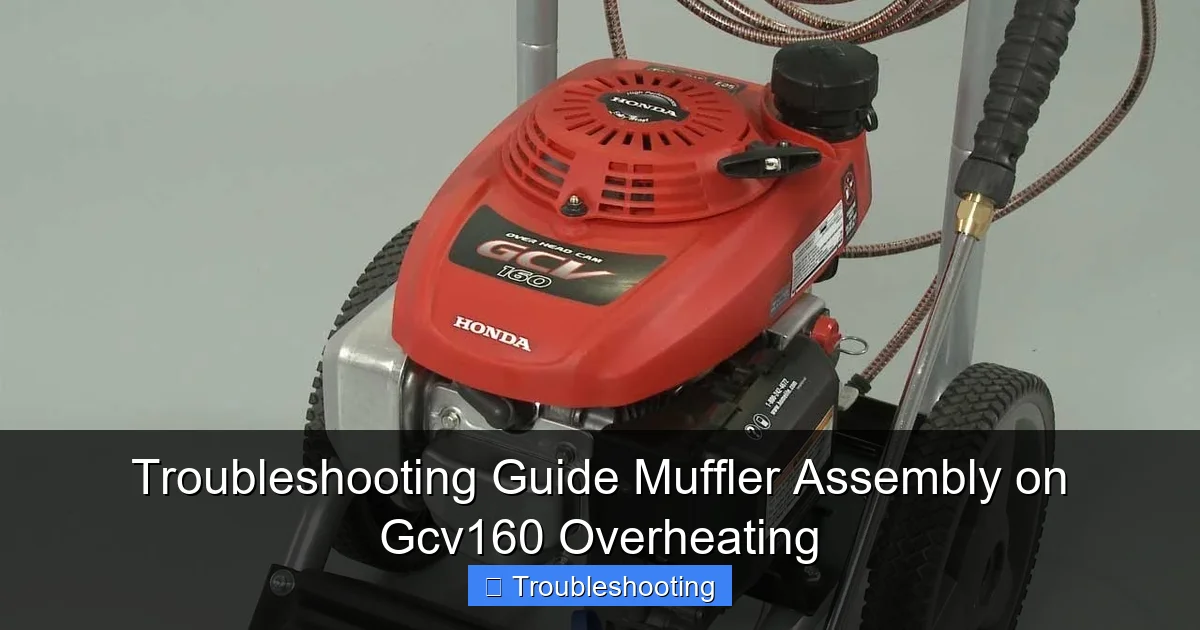
Before diving into repairs, it’s important to understand how the muffler works on the GCV160. This single-cylinder, 4-stroke engine is air-cooled, meaning it relies on airflow and proper exhaust flow to regulate temperature. The muffler serves two key functions: reducing engine noise and directing exhaust gases safely away from the engine.
The GCV160 muffler is typically a simple, welded steel canister mounted near the cylinder head. Inside, it contains a series of baffles or chambers that slow and cool exhaust gases while dampening sound. Many models also include a spark arrestor—a fine mesh screen—that prevents hot particles from escaping and causing fires, especially in dry environments.
When the muffler becomes clogged with carbon soot, debris, or rust, exhaust gases can’t escape efficiently. This creates backpressure, which forces the engine to work harder. The increased workload generates more heat, and since the engine can’t expel hot gases properly, temperatures rise rapidly. Over time, this can warp the cylinder head, damage the head gasket, or even seize the piston.
Tools and Safety Precautions

Visual guide about Troubleshooting Guide Muffler Assembly on Gcv160 Overheating
Image source: i.ytimg.com
Working on any engine requires the right tools and safety measures. Before you begin, gather the following:
- Socket wrench set (typically 10mm and 12mm sockets)
- Screwdrivers (flathead and Phillips)
- Wire brush or steel wool
- Compressed air (optional but helpful)
- Safety gloves and goggles
- Shop rags or paper towels
- High-temperature engine cleaner (optional)
- Replacement spark arrestor (if damaged)
- Replacement muffler gasket (recommended)
Safety First
Always work in a well-ventilated area. The engine must be completely cool before you start—never attempt to remove the muffler while hot, as it can cause severe burns. Disconnect the spark plug wire to prevent accidental starting. Wear gloves to protect your hands from sharp edges and hot surfaces, and use eye protection when cleaning or using compressed air.
Step 1: Diagnosing Overheating Symptoms
Before assuming the muffler is the problem, confirm that overheating is actually occurring. Look for these common signs:
- Engine shuts off unexpectedly during use
- Excessive smoke from the exhaust
- Loss of power or rough idling
- Unusual engine noise (popping or backfiring)
- Visible heat waves or steam near the engine
- Oil thinning or burning smell
If you notice any of these, proceed with muffler inspection. However, rule out other causes first: check the air filter (a clogged filter restricts airflow and causes overheating), ensure the oil level is correct, and verify the cooling fins aren’t blocked by grass or debris.
Step 2: Removing the Muffler Assembly
Once you’ve confirmed overheating and ruled out other issues, it’s time to remove the muffler.
Locate the Muffler
On most GCV160 engines, the muffler is mounted on the side of the engine block, near the cylinder head. It’s usually held in place by two or three bolts and connected to the exhaust port with a gasket.
Disconnect the Spark Plug Wire
Pull the rubber boot off the spark plug to prevent the engine from starting accidentally.
Remove the Muffler Bolts
Use a socket wrench to loosen and remove the bolts securing the muffler to the engine. Keep the bolts in a safe place—you’ll need them for reassembly. If the bolts are rusted or stuck, apply a penetrating oil like WD-40 and let it sit for 10–15 minutes before trying again.
Detach the Muffler
Gently wiggle the muffler to break the seal from the gasket. Be careful not to bend or damage the exhaust port. Once loose, pull the muffler away from the engine and set it on a clean work surface.
Step 3: Inspecting the Muffler for Blockages
Now that the muffler is removed, inspect it thoroughly for signs of blockage or damage.
Check the Exhaust Inlet
Look into the opening where the muffler connects to the engine. You should see a clear path through to the outlet. If you see heavy black soot, melted plastic, or debris, the muffler is likely clogged.
Inspect the Spark Arrestor
The spark arrestor is a small mesh screen located inside the muffler, usually near the outlet. Remove it if possible (some are welded in, but many are removable). Hold it up to the light—if you can’t see through the mesh, it’s clogged with carbon.
Look for Physical Damage
Check for dents, rust holes, or warping. A damaged muffler can’t function properly and may need replacement. Also, inspect the gasket between the muffler and engine. If it’s cracked, brittle, or missing, replace it to ensure a tight seal.
Step 4: Cleaning the Muffler and Spark Arrestor
Cleaning is often all that’s needed to restore proper exhaust flow.
Clean the Spark Arrestor
If removable, soak the spark arrestor in a parts cleaner or degreaser for 30 minutes. Use a wire brush to scrub away carbon buildup. Rinse thoroughly and let it dry completely. If it’s severely damaged or can’t be cleaned, replace it with an OEM part.
Clean the Muffler Interior
Use a wire brush or steel wool to scrub the inside of the muffler, especially around the baffles. For heavy carbon buildup, spray high-temperature engine cleaner and let it sit for 10 minutes before scrubbing. Blow out loose debris with compressed air. Avoid using water—moisture can cause rust.
Clean the Exhaust Port
Use a rag and brush to clean the engine’s exhaust port. Remove any carbon or gasket residue. A clean port ensures a proper seal when reassembling.
Step 5: Replacing Damaged Components
If cleaning doesn’t solve the problem, you may need to replace parts.
Replace the Muffler Gasket
Even if the old gasket looks okay, it’s best to install a new one. A worn gasket can cause exhaust leaks, which reduce efficiency and contribute to overheating. Use only a Honda OEM gasket for the GCV160 to ensure proper fit.
Replace the Muffler (If Necessary)
If the muffler is rusted through, warped, or heavily clogged beyond cleaning, replace it. Aftermarket mufflers are available, but OEM parts are recommended for reliability and emissions compliance. Make sure the replacement matches your engine model.
Replace the Spark Arrestor
If the mesh is melted, clogged, or missing, replace it. A damaged arrestor can block exhaust flow and create backpressure.
Step 6: Reassembling the Muffler Assembly
Once everything is clean and any damaged parts are replaced, it’s time to put it all back together.
Install the New Gasket
Place the new gasket over the exhaust port. Make sure it’s centered and sits flat.
Reattach the Muffler
Align the muffler with the exhaust port and gently press it into place. Insert the bolts and tighten them evenly in a crisscross pattern to avoid warping the muffler or port. Don’t overtighten—snug is enough.
Reconnect the Spark Plug Wire
Push the rubber boot firmly onto the spark plug until it clicks.
Step 7: Testing the Engine
After reassembly, it’s crucial to test the engine to confirm the fix.
Start the Engine
Pull the starter cord or use the electric start. Let the engine run for 2–3 minutes at idle.
Check for Leaks
Listen for hissing sounds near the muffler connection. Feel around the joint (carefully—it will get hot) for escaping air. If you detect a leak, shut off the engine and retighten the bolts.
Monitor Temperature
Run the engine under load (e.g., mowing or powering equipment) for 10–15 minutes. Watch for signs of overheating: shutdowns, smoke, or loss of power. If the engine runs smoothly and stays cool, the problem is solved.
Troubleshooting Common Issues
Even after cleaning and reassembly, problems can persist. Here’s how to handle common issues:
Engine Still Overheats
If overheating continues, check the air filter, oil level, and cooling fins. Also, inspect the carburetor—a lean fuel mixture can cause overheating. Consider having a professional check the valve clearance.
Excessive Noise After Reassembly
This usually means the muffler isn’t sealed properly. Check the gasket and bolts. A loose muffler can vibrate and create noise.
Smoke or Burning Smell
This could indicate oil burning due to overheating damage. If the engine was severely overheated, internal components like piston rings or valves may be damaged. Seek professional inspection.
Spark Arrestor Keeps Clogging
Frequent clogging suggests the engine is running rich (too much fuel). Adjust the carburetor or replace the air filter. Also, avoid using the engine in dusty or dirty conditions without proper filtration.
Preventive Maintenance Tips
To avoid future overheating, follow these maintenance practices:
- Inspect the muffler and spark arrestor every 25 hours of use or at the start of each season.
- Clean the cooling fins regularly to ensure proper airflow.
- Use fresh, clean fuel and the correct oil type (10W-30 or as recommended).
- Avoid overloading the engine—don’t push it beyond its rated capacity.
- Store equipment in a dry place to prevent rust and moisture buildup.
Conclusion
Overheating in a GCV160 engine is often preventable and fixable—especially when the muffler assembly is the root cause. By understanding how exhaust flow affects engine temperature, you can quickly diagnose and resolve issues before they lead to costly damage. Regular inspection, cleaning, and proper reassembly are key to keeping your engine running cool and efficient. With the steps in this guide, you’re equipped to tackle muffler-related overheating with confidence. Remember: a clean muffler isn’t just quieter—it’s essential for engine health.