
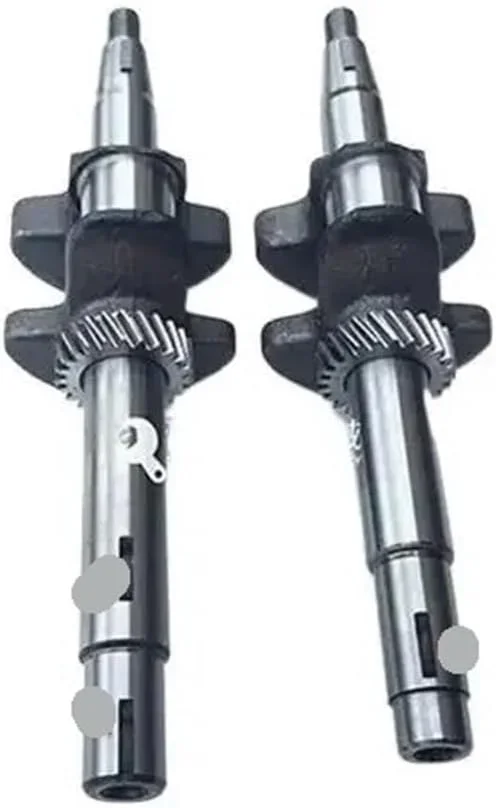
When your Honda GCV160 engine starts overheating, it’s not just an inconvenience—it’s a red flag that something serious is happening under the hood. The GCV160, a workhorse found in countless lawn mowers, pressure washers, and small generators, is known for its reliability. But even the most dependable engines can falter under stress, especially when internal components like the crankshaft begin to wear or fail. Overheating in these engines often stems from poor lubrication, misalignment, or excessive friction—all of which can be directly tied to a compromised crankshaft. Whether you’re a weekend DIYer maintaining your backyard mower or a professional landscaper relying on consistent performance, choosing the right replacement crankshaft isn’t just about fixing a problem—it’s about preventing future breakdowns, extending engine life, and ensuring safe, efficient operation.
This comprehensive buying guide is designed to walk you through every critical decision point when selecting a replacement crankshaft for your GCV160 engine—especially one that has shown signs of overheating. You’ll learn how to identify the root causes of overheating related to crankshaft issues, understand what specifications matter most, compare different types of crankshafts available on the market, and avoid common pitfalls that lead to premature failure or costly mistakes. We’ll break down budget considerations, highlight expert tips for getting the best value, and provide clear recommendations based on real-world performance and durability. By the end of this guide, you’ll have the knowledge and confidence to make an informed purchase that keeps your GCV160 running cool, smooth, and reliable for years to come.
The market for GCV160 crankshaft replacements is surprisingly diverse, ranging from OEM (Original Equipment Manufacturer) parts directly from Honda to high-quality aftermarket alternatives from brands like Briggs & Stratton, Mophorn, and OEM-style manufacturers in China. While OEM parts offer guaranteed compatibility and precision engineering, they often come with a premium price tag. Aftermarket options can be more affordable and sometimes even improved for performance or longevity—but quality varies widely. Some sellers market “universal fit” crankshafts that may look similar but lack the exact tolerances needed for the GCV160’s unique design. Additionally, counterfeit or low-grade parts have flooded online marketplaces, making it harder than ever to distinguish between a genuine solution and a potential liability. This guide cuts through the noise, giving you the tools to evaluate options based on engineering merit, not just price or marketing claims.

What to Look for When Buying a Replacement Crankshaft for GCV160
1. Material Composition and Heat Resistance
The material your crankshaft is made from plays a pivotal role in its ability to withstand the thermal and mechanical stresses that lead to overheating. Most GCV160 crankshafts are forged from high-carbon steel or alloy steel, which offers excellent strength and wear resistance. However, not all steel is created equal. Look for crankshafts made from SAE 1045 or 4140 chromoly steel—these grades are known for their toughness and ability to maintain integrity under high temperatures. Inferior materials, such as cast iron or low-carbon mild steel, may warp or crack when exposed to repeated heat cycles, especially if your engine has already experienced overheating episodes. A quality crankshaft should also undergo heat treatment processes like induction hardening or nitriding, which increase surface hardness while preserving a ductile core. This balance prevents brittle failure and extends service life. Always check product descriptions or contact the manufacturer to confirm material specs—don’t assume all “steel” crankshafts are equivalent.
2. Precision Machining and Tolerances
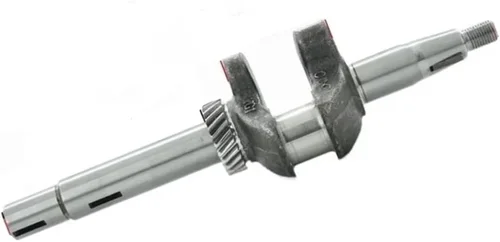
Even the best materials won’t save a poorly machined crankshaft. The GCV160 relies on extremely tight tolerances—especially between the crankshaft journals and the connecting rod bearing—to ensure smooth rotation and minimal friction. Excessive clearance leads to metal-to-metal contact, increased heat generation, and accelerated wear. When shopping for a replacement, verify that the crankshaft meets OEM specifications for journal diameter (typically 0.866 inches or 22mm for the main journal), stroke length (2.13 inches or 54mm), and overall balance. Reputable manufacturers will provide dimensional charts or compatibility charts confirming fitment with the GCV160 engine model. Avoid parts labeled “close enough” or “universal fit”—these often require custom grinding or shimming, which defeats the purpose of a direct replacement. Precision also extends to surface finish: look for a polished journal surface with a roughness average (Ra) of 16 microinches or less to reduce friction and improve oil film retention.
3. Compatibility with GCV160 Engine Variant
Not all GCV160 engines are identical. Honda produced several variants of this engine over the years, including the GCV160A, GCV160LA, and GCV160LE, each with subtle differences in mounting points, oil seal locations, and flywheel configurations. Using an incompatible crankshaft—even if it fits physically—can result in misalignment, vibration, oil leaks, or premature bearing failure. Always cross-reference your engine’s serial number and model code (found on the engine shroud or under the air filter cover) with the replacement part’s compatibility list. Some aftermarket suppliers offer “drop-in” replacements specifically engineered for the GCV160 family, while others may require minor modifications. If you’re unsure, consult Honda’s official parts diagram (available through authorized dealers or online databases like Partstree.com) to confirm the correct OEM part number (typically 13300-Z0B-800 or similar).
4. OEM vs. Aftermarket: Weighing Quality Against Cost
This is perhaps the most debated topic among GCV160 owners. OEM crankshafts from Honda are engineered to exact factory standards, undergo rigorous quality control, and come with a warranty—but they can cost two to three times more than aftermarket alternatives. Aftermarket parts, on the other hand, offer significant savings and are often manufactured using similar processes and materials. However, quality varies dramatically. Some aftermarket brands (like Mophorn or OEM-style suppliers from reputable factories) produce crankshafts that meet or exceed OEM specs, while others cut corners with subpar materials or inconsistent machining. When considering aftermarket options, prioritize sellers who provide detailed technical documentation, customer support, and verifiable compatibility. Avoid ultra-cheap listings on auction sites that lack part numbers or manufacturer info—these are often counterfeit or recycled cores with unknown histories.
5. Warranty and Return Policy
A crankshaft is a long-term investment in your engine’s health, so it deserves protection beyond the initial purchase. Reputable sellers—whether OEM dealers or trusted aftermarket retailers—typically offer warranties ranging from 6 months to 2 years. These warranties cover defects in material or workmanship but usually exclude damage from improper installation or misuse. Before buying, read the fine print: some warranties require professional installation or proof of proper maintenance (like regular oil changes). Also, check the return window. A 30-day return policy gives you time to inspect the part upon arrival and test-fit it before committing. Avoid vendors with “all sales final” policies unless they have overwhelmingly positive reviews and proven track records. Remember, a good warranty reflects confidence in the product—and saves you money if something goes wrong.
6. Installation Requirements and Skill Level
Replacing a crankshaft isn’t a simple bolt-on job—it requires disassembling the engine, removing the cylinder head, piston, and oil pan, and often replacing associated components like bearings, seals, and gaskets. If you’re not experienced with small engine repair, this task can quickly become overwhelming. Consider whether the crankshaft you’re buying includes installation instructions, torque specs, or even a rebuild kit. Some premium aftermarket suppliers bundle everything you need (including new oil seals, gaskets, and bearings) in one package, making the process smoother. Additionally, assess your tools: you’ll need a torque wrench, feeler gauges, and possibly a crankshaft pulley puller. If you lack these tools or confidence, factor in the cost of professional installation—which can add $100–$200 to your total expense. In such cases, paying extra for an OEM part with guaranteed fitment may be worth the peace of mind.
7. User Reviews and Real-World Performance
Don’t underestimate the power of community feedback. Before finalizing your purchase, read through verified buyer reviews on platforms like Amazon, eBay, or specialty forums like LawnSite.com or Reddit’s r/MechanicAdvice. Look for patterns: do multiple users report overheating issues persisting after installation? Are there complaints about excessive vibration or premature bearing wear? Positive reviews that mention “runs cooler than before” or “no more oil leaks” are strong indicators of a quality part. Be wary of reviews that seem overly generic (“great product!”) or suspiciously uniform—these may be fake. Also, check how the seller responds to negative feedback. A responsive customer service team that offers solutions (refunds, replacements, troubleshooting tips) is a good sign of reliability.
8. Price vs. Long-Term Value
It’s tempting to go for the cheapest option, but a crankshaft is not the place to skimp. A $50 crankshaft that fails in six months costs more in the long run than a $120 OEM part that lasts five years. Consider the total cost of ownership: includes the part price, shipping, tools, potential labor, and downtime. Mid-range aftermarket crankshafts ($70–$100) often offer the best balance of affordability and quality, especially if they come with warranties and positive user feedback. Premium OEM parts ($130–$180) are ideal for mission-critical applications or if you plan to keep the equipment for many years. Always ask: “Will this part solve my overheating issue, or just delay it?” Investing in a durable, well-made crankshaft reduces the risk of secondary damage to other engine components—like the cylinder wall or piston rings—which can result from continued overheating.
Different Types of Replacement Crankshafts for GCV160

Common Buying Mistakes to Avoid
❌ Mistake: Choosing Based Solely on Price
Why it’s bad: Opting for the cheapest crankshaft available often leads to premature failure, continued overheating, and additional repair costs. Low-cost parts may use inferior steel, lack proper heat treatment, or have inconsistent machining that increases friction and heat buildup.
What to do instead: Evaluate the total cost of ownership, not just the sticker price. A mid-range aftermarket crankshaft with good reviews and a warranty often provides better long-term value than a bargain bin option.
❌ Mistake: Ignoring Compatibility Details
Why it’s bad: Installing a crankshaft designed for a different engine model (even one with similar specs) can cause misalignment, oil leaks, or catastrophic engine damage. The GCV160 has unique journal sizes and seal configurations that aren’t interchangeable with other small engines.
What to do instead: Always verify compatibility using your engine’s model and serial number. Cross-check with the manufacturer’s compatibility chart or consult a Honda parts specialist.
❌ Mistake: Overlooking Installation Complexity
Why it’s bad: Assuming a crankshaft replacement is a simple swap can lead to frustration, damaged components, or unsafe operation. Improper torque, incorrect bearing clearance, or reused worn gaskets can all contribute to post-repair overheating.
What to do instead: Assess your mechanical skill level honestly. If you’re not confident, consider hiring a professional or purchasing a complete rebuild kit with detailed instructions.
❌ Mistake: Skipping the Root Cause Analysis
Why it’s bad: Replacing the crankshaft without addressing why the engine overheated in the first place (e.g., clogged cooling fins, low oil, faulty thermostat) sets you up for repeat failure. The new crankshaft may suffer the same fate as the old one.
What to do instead: Inspect the entire cooling system, oil passages, and air intake during disassembly. Clean or replace any components contributing to overheating before reassembly.
❌ Mistake: Buying from Unverified Sellers
Why it’s bad: Online marketplaces are rife with counterfeit or mislabeled parts. A “GCV160 crankshaft” from an unknown seller might actually be a generic part that doesn’t meet specifications, leading to poor performance or safety hazards.
What to do instead: Purchase from authorized dealers, reputable aftermarket brands, or sellers with high ratings and transparent product information. Look for clear photos, part numbers, and customer service contact details.
❌ Mistake: Neglecting Associated Components
Why it’s bad: Installing a new crankshaft into an engine with worn bearings, damaged seals, or degraded gaskets can transfer stress to the new part, reducing its lifespan and potentially causing leaks or overheating.
What to do instead: Replace all related components during the rebuild—especially main bearings, oil seals, and gaskets. This ensures optimal lubrication and alignment for the new crankshaft.
Budget Guidelines: How Much Should You Spend?
Entry-Level ($40–$70): This tier includes generic aftermarket crankshafts often sold on auction sites or discount tool retailers. While they may fit physically, quality control is inconsistent. Expect basic steel construction, minimal documentation, and no warranty. Best suited for temporary fixes on low-use equipment where failure won’t cause major disruption.
Mid-Range ($80–$120): This is the sweet spot for most GCV160 owners. These crankshafts come from reputable aftermarket manufacturers who use quality materials and adhere to OEM tolerances. Many include rebuild kits, installation guides, and 6–12 month warranties. Ideal for homeowners and light commercial users seeking reliable performance without OEM pricing.
Premium ($130–$180): OEM Honda crankshafts fall into this category. They offer guaranteed compatibility, superior machining, and full manufacturer support. If you rely on your equipment daily or plan to keep it for many years, this investment pays off in longevity and peace of mind.
Luxury ($180+): High-performance or custom-forged crankshafts designed for heavy-duty or modified applications. These may feature enhanced surface treatments, tighter tolerances, or upgraded alloys. Only recommended for enthusiasts or professionals running equipment under extreme conditions.
Expert Tips for Getting the Best Deal
- Time your purchase: Many retailers offer discounts during off-season months (late fall to early spring) when demand for lawn equipment parts is lower. Sign up for newsletters from parts suppliers to catch flash sales or coupon codes.
- Buy from specialized retailers: Stores like Jack’s Small Engines, Partstree.com, or Mowtown Parts specialize in small engine components and often have better inventory, technical support, and return policies than general marketplaces.
- Bundle your purchase: Look for crankshaft + rebuild kit combos. These packages often save 15–20% compared to buying parts individually and ensure all components are compatible.
- Check return policies: Even the best parts can arrive damaged or incorrect. Choose sellers with at least a 30-day return window and free return shipping if possible.
- Verify authenticity: For OEM parts, confirm the seller is an authorized Honda dealer. Counterfeit parts are common on third-party sites—look for holograms, serial numbers, and official packaging.
- Read the fine print on warranties: Some warranties require proof of professional installation or regular maintenance records. Keep your receipts and oil change logs handy.
- Test before final assembly: Once you receive the crankshaft, inspect it for damage, measure critical dimensions with calipers, and test-fit it in the engine block before installing bearings or seals.

Frequently Asked Questions
Q: Can a worn crankshaft cause my GCV160 to overheat?
A: Yes. A damaged or misaligned crankshaft increases internal friction, which generates excess heat. It can also disrupt oil flow to critical components, leading to inadequate lubrication and thermal runaway. If overheating persists after addressing cooling system issues, inspect the crankshaft for wear or warping.
Q: How do I know if my crankshaft is the cause of overheating?
A: Signs include excessive engine vibration, knocking sounds, oil leaks around the crankcase, or visible scoring on the journals. During disassembly, check for blueing (heat discoloration) on the crankshaft surface or uneven bearing wear. A dial indicator can measure runout—anything over 0.003 inches indicates warping.
Q: Is it worth rebuilding my GCV160 engine instead of just replacing the crankshaft?
A: If the engine has high hours or shows signs of general wear (low compression, excessive smoke, oil consumption), a full rebuild is often more cost-effective long-term. Replacing only the crankshaft may leave other worn components to fail soon after.
Q: Can I install a GCV190 crankshaft in my GCV160?
A: No. While similar in design, the GCV190 has a longer stroke and larger displacement. The crankshaft is not interchangeable due to differences in journal size, counterweight design, and mounting points.
Q: Do I need special tools to replace a GCV160 crankshaft?
A: Yes. Essential tools include a torque wrench, feeler gauges, crankshaft pulley puller, and possibly a press for bearing installation. A service manual with torque specs is highly recommended.
Q: How long should a replacement crankshaft last?
A: With proper maintenance (regular oil changes, clean air filter, adequate cooling), a quality crankshaft should last 5–10 years or 500–1,000 hours of operation. Premature failure usually indicates underlying issues like poor lubrication or overheating.
Q: Are Chinese-made crankshafts safe to use?
A: It depends on the manufacturer. Some Chinese factories produce high-quality, OEM-equivalent parts sold under reputable brands. Others make substandard copies. Always check reviews, material specs, and seller reputation before purchasing.
Q: What oil should I use after installing a new crankshaft?
A: Use Honda-recommended 10W-30 detergent motor oil or equivalent (e.g., Briggs & Stratton Synthetic 10W-30). Change the oil after the first 5 hours of operation to remove any assembly debris, then every 25 hours or annually.
Our Final Recommendations
Best for Budget-Conscious Buyers: Mophorn GCV160 Crankshaft (~$85) – Offers solid build quality, includes rebuild kit, and has consistently positive reviews for fit and performance. Great value for DIYers.
Best Overall Value: OEM-Style Aftermarket Crankshaft from Jack’s Small Engines (~$95) – Precision-machined, heat-treated steel, compatible with all GCV160 variants, and backed by a 1-year warranty.
Best Premium Option: Genuine Honda 13300-Z0B-800 Crankshaft (~$160) – The gold standard for reliability and longevity. Ideal for professionals or anyone seeking factory-perfect performance.
Best for Beginners: Complete Rebuild Kit with Crankshaft from Partstree.com (~$110) – Includes everything needed for a full engine refresh, with step-by-step instructions and customer support.
Best for Advanced Users: Performance Forged Crankshaft from Mowtown Racing (~$220) – Designed for high-load applications, features enhanced surface hardening and tighter tolerances for maximum durability.
Conclusion: Making the Right Choice
Choosing the right replacement crankshaft for your overheating GCV160 engine is about more than just swapping parts—it’s about restoring confidence in your equipment’s reliability and safety. Throughout this guide, we’ve emphasized the importance of material quality, precision machining, compatibility, and long-term value. While it’s tempting to chase the lowest price, remember that a crankshaft is a critical load-bearing component that directly affects engine temperature, efficiency, and lifespan. By avoiding common pitfalls, investing in reputable brands, and addressing root causes of overheating, you’ll not only solve your current problem but also prevent future breakdowns.
Take the time to assess your specific needs: Are you maintaining a weekend mower or running a fleet of commercial equipment? Do you have the tools and skills to handle the installation yourself? Answering these questions honestly will guide you toward the best crankshaft for your situation. And don’t forget to perform a thorough inspection of your engine’s cooling system, oil delivery, and airflow during the rebuild—these factors are just as important as the crankshaft itself in preventing overheating.
Ultimately, the right choice balances cost, quality, and compatibility. Whether you go OEM, premium aftermarket, or a bundled rebuild kit, prioritize parts that come with clear documentation, strong warranties, and positive real-world feedback. Your GCV160 deserves nothing less. With the knowledge from this guide, you’re now equipped to make a confident, informed decision—and get back to work with an engine that runs cooler, smoother, and stronger than ever.