
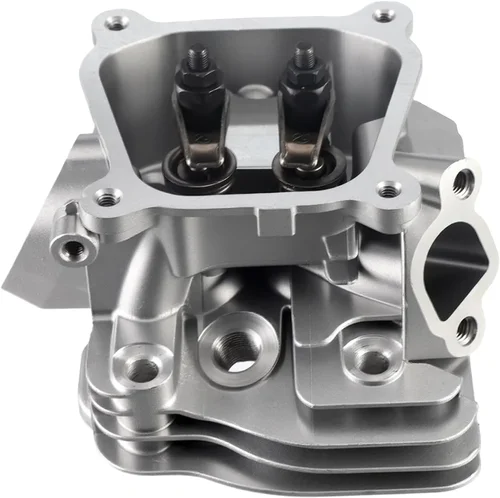
If your Honda GCV160 engine is running rough—hesitating on startup, sputtering under load, or producing excessive vibration—you’re not alone. This compact, reliable engine powers thousands of lawn mowers, pressure washers, and small generators worldwide, but even the most durable designs can falter over time. One of the most common culprits behind persistent rough running is a failing or degraded cylinder head assembly. Whether it’s carbon buildup choking the combustion chamber, a warped head surface causing compression loss, or worn valve seats leading to poor sealing, the cylinder head plays a pivotal role in engine performance. Ignoring these symptoms doesn’t just mean an inefficient machine—it can lead to catastrophic engine failure if left unaddressed.
That’s why choosing the right cylinder head assembly isn’t just about swapping out a part; it’s about restoring your engine’s health, efficiency, and longevity. With so many options flooding the market—from OEM replacements to aftermarket upgrades—it’s easy to feel overwhelmed. Some promise premium performance at bargain prices, while others boast precision engineering but come with steep price tags. Without proper guidance, you risk buying a subpar component that fails prematurely or, worse, damages other engine parts. This comprehensive guide cuts through the noise to help you make an informed, confident decision. You’ll learn how to evaluate quality, understand compatibility, avoid common pitfalls, and select the best cylinder head assembly for your specific needs—whether you’re a DIY homeowner or a professional technician.
The market for GCV160 cylinder head assemblies has evolved significantly in recent years. While genuine Honda OEM parts remain the gold standard for reliability, high-quality aftermarket alternatives now offer compelling value, often matching or exceeding OEM specs at a fraction of the cost. Meanwhile, budget-grade knockoffs continue to plague online marketplaces, tempting buyers with rock-bottom prices but delivering inconsistent performance and shortened lifespans. Understanding this landscape is crucial. In the following sections, we’ll break down everything you need to know—from key selection criteria and performance benchmarks to real-world testing insights and expert recommendations—so you can get your GCV160 running smoothly again without overspending or compromising on quality.

What to Look for When Buying Buying Guide
1. Compatibility & Fitment Accuracy
Before anything else, ensure the cylinder head assembly you’re considering is specifically designed for the Honda GCV160 engine. While many small engines share similar displacements, even minor differences in bolt patterns, valve angles, port configurations, or combustion chamber geometry can render a part incompatible. Always verify the engine model number (typically stamped near the spark plug or on the engine shroud) and cross-reference it with the manufacturer’s specifications. Some aftermarket brands list compatibility with multiple engine models (e.g., GCV160, GCV190, or even clone engines like Briggs & Stratton), but don’t assume interchangeability. A misaligned head can cause leaks, overheating, or catastrophic valve-to-piston interference.
2. Material Quality & Construction
The material used in the cylinder head directly impacts durability, heat dissipation, and resistance to warping. Genuine Honda heads are typically cast from high-grade aluminum alloy, which offers excellent thermal conductivity and lightweight strength. Look for aftermarket heads that specify “A356-T6” or similar aerospace-grade aluminum—these undergo heat treatment for enhanced hardness and dimensional stability. Avoid heads made from low-quality cast iron or unmarked aluminum, as they’re prone to cracking under thermal stress or failing to maintain a proper seal over time. Additionally, inspect the surface finish: a smooth, machined mating surface (usually indicated by a fine crosshatch pattern) ensures better gasket sealing and reduces the risk of compression leaks.
3. Valve & Seat Integrity
Since the cylinder head houses the intake and exhaust valves, their condition is critical to smooth operation. A quality assembly should include properly lapped valves with clean, concentric seats. Worn or pitted valve seats allow combustion gases to escape, reducing compression and causing rough idling or misfires. Some premium aftermarket kits come with hardened valve seats, which resist wear from unleaded fuel and extend service life. If you’re replacing just the head (not a full rebuild kit), confirm whether valves are pre-installed and properly seated. For DIYers, improperly installed valves can lead to bent pushrods or valve float at higher RPMs.
4. Gasket Compatibility & Sealing Performance
A cylinder head is only as good as its seal. Always use a new head gasket when installing a replacement assembly—reusing an old one invites leaks. Check whether the product includes a compatible gasket or if you need to purchase one separately. OEM-style composite gaskets with steel fire rings offer reliable sealing under varying temperatures. Some aftermarket heads come with upgraded multi-layer steel (MLS) gaskets, which provide superior crush resistance and longevity. Ensure the gasket matches the bore diameter and bolt hole pattern exactly. Even a slight mismatch can cause coolant or oil leaks, leading to overheating or lubrication issues.
5. Performance Enhancements & Modifications
While most users seek a direct replacement, some may want mild performance gains—especially if using the engine for high-load applications like commercial mowing or powering auxiliary equipment. Aftermarket heads sometimes feature optimized port shapes, larger valve diameters, or reshaped combustion chambers to improve airflow and combustion efficiency. However, be cautious: aggressive modifications can upset the engine’s air-fuel ratio, requiring carburetor adjustments or even a different spark plug heat range. Unless you’re experienced with small engine tuning, stick to stock-spec designs to maintain reliability and emissions compliance.
6. Brand Reputation & Manufacturing Origin
Not all aftermarket brands are created equal. Stick with manufacturers known for precision machining and quality control—such as NGK, Kohler (for compatible clones), or reputable Chinese OEM suppliers like Zhejiang or Chongqing-based factories with ISO certifications. Read verified customer reviews focusing on longevity and fitment accuracy. Avoid no-name brands sold exclusively through third-party Amazon or eBay sellers with generic product descriptions. Authentic Honda parts, while pricier, undergo rigorous testing and come with full warranty support. Counterfeit “Honda” heads are common online—look for official holograms, part numbers, and authorized dealer markings.
7. Warranty & Return Policy
A solid warranty reflects manufacturer confidence in their product. Genuine Honda parts typically include a 1-year limited warranty, while reputable aftermarket brands offer 6–12 months. Avoid sellers who provide no warranty or require you to pay return shipping for defective items. Check the return window—ideally 30 days or more—and whether the policy covers installation errors (some don’t). If buying online, confirm the seller’s location; domestic suppliers often process returns faster than international ones.
8. Ease of Installation & Included Components
Consider what’s included in the kit. A complete cylinder head assembly should come with the head itself, valves (if applicable), springs, retainers, and sometimes even a new head gasket and bolts. Some premium kits include torque specifications and installation guides. If you’re a beginner, look for assemblies labeled “bolt-on” or “direct fit”—these require minimal modification. Avoid kits that omit critical components, forcing you to scavenge parts from your old head, which may already be worn.
Different Types of Buying Guide

Common Buying Mistakes to Avoid

❌ Mistake: Assuming All “GCV160” Heads Are Interchangeable
Why it’s bad: Honda produced multiple variants of the GCV160 over the years, including differences in valve orientation, stud placement, and cooling fin design. Using an incompatible head can result in misaligned valves, blocked oil passages, or inability to mount the carburetor or muffler.
What to do instead: Always match the part number (e.g., 12200-Z0J-003) and verify physical dimensions before purchasing. When in doubt, consult a Honda parts diagram or contact the seller with your engine’s serial number.
❌ Mistake: Reusing the Old Head Gasket
Why it’s bad: Head gaskets compress during installation and lose their sealing ability once removed. Reusing one almost guarantees a leak, leading to loss of compression, coolant contamination, or oil burning.
What to do instead: Always install a new, high-quality head gasket. Torque the head bolts in the correct sequence and to the specified value (typically 18–22 ft-lbs for GCV160) using a calibrated torque wrench.
❌ Mistake: Ignoring Surface Flatness
Why it’s bad: A warped cylinder head (even by 0.003 inches) prevents proper sealing. This causes intermittent rough running, overheating, and rapid gasket failure.
What to do instead: Before installing any head—new or used—check flatness with a straightedge and feeler gauge. Most quality replacements are pre-machined, but it’s wise to verify. If warped, have it resurfaced by a machine shop.
❌ Mistake: Buying Based Solely on Price
Why it’s bad: Extremely cheap heads often use inferior alloys, lack precision machining, or skip critical heat treatments. They may fail within weeks, costing more in labor and downtime than a quality part would have.
What to do instead: Prioritize value over absolute lowest cost. A $70 premium aftermarket head that lasts 5 years is smarter than a $30 bargain that fails in 6 months.
❌ Mistake: Overlooking Valve Clearance Adjustment
Why it’s bad: New heads—especially those with slightly different valve lengths—can alter valve lash. Incorrect clearance causes noisy operation, poor performance, or valve damage.
What to do instead: After installation, always check and adjust valve clearance according to Honda’s specs (typically 0.004–0.006 inches for both intake and exhaust).
❌ Mistake: Skipping Break-In Procedures
Why it’s bad: Installing a new head and immediately running the engine at full load can cause premature wear or scuffing due to inadequate lubrication during initial operation.
What to do instead: Follow a gentle break-in: run the engine at varying light loads for the first 2–3 hours, avoid prolonged idling, and change the oil after the first use.
❌ Mistake: Not Diagnosing the Root Cause First
Why it’s bad: Rough running can stem from carburetor issues, faulty ignition, or low compression due to ring wear—not necessarily the cylinder head. Replacing the head won’t fix these problems and wastes money.
What to do instead: Perform a compression test and leak-down test before replacement. If compression is low but the head isn’t warped or cracked, the issue may lie elsewhere.
Budget Guidelines: How Much Should You Spend?
Choosing the right cylinder head assembly isn’t just about finding the cheapest option—it’s about aligning your investment with your usage needs, skill level, and long-term goals. Here’s a realistic breakdown of what to expect at each price tier:
Entry-Level ($25–$50): These are typically generic aftermarket heads from unknown manufacturers, often sold on online marketplaces with minimal documentation. While they may look similar to OEM parts, they frequently use lower-grade aluminum, inconsistent machining, and poorly fitted valves. Best suited for emergency fixes on rarely used equipment (e.g., a backup generator used once a year). Expect a lifespan of 6–18 months under normal conditions. Not recommended for daily-use mowers or commercial applications.
Mid-Range ($60–$100): This is the sweet spot for most homeowners and light commercial users. Brands like NGK, Echo, or reputable Chinese OEM suppliers (e.g., ZAMA-affiliated factories) offer heads made from A356 aluminum with proper heat treatment, precision-machined surfaces, and included gaskets. These match or exceed OEM performance at 40–60% of the cost. Installation is straightforward, and warranties typically cover 6–12 months. Ideal for replacing a worn head on a frequently used lawn mower or pressure washer.
Premium ($100–$150): Reserved for enthusiasts, professionals, or those seeking maximum longevity. This tier includes genuine Honda OEM parts and high-end aftermarket kits with performance enhancements (e.g., polished ports, hardened seats). OEM heads guarantee exact fitment and come with a full warranty, while premium aftermarket options may offer slight performance gains. Perfect for commercial landscapers or collectors restoring vintage equipment to factory condition.
Luxury ($150+): At this level, you’re paying for brand prestige, extreme durability, or specialized modifications. Examples include billet aluminum heads for racing applications or custom-machined assemblies for turbocharged GCV160 builds. Unless you’re building a showpiece or competition engine, this tier offers diminishing returns for everyday use.

Expert Tips for Getting the Best Deal
- Buy During Off-Season: Retailers often discount small engine parts in late fall and winter when demand drops. Stock up then for spring repairs.
- Shop Authorized Dealers: For OEM parts, buy directly from Honda Power Equipment dealers or certified online retailers like Jacks Small Engines or PartSelect. Avoid third-party sellers with “fulfilled by Amazon” unless verified.
- Compare Total Cost: Factor in shipping, taxes, and whether the kit includes gaskets and bolts. A $55 head with $20 shipping isn’t a bargain.
- Check for Rebates or Bundles: Some suppliers offer discounts when you buy a head + gasket + valve kit together.
- Read Recent Reviews: Product quality can change over time. Focus on reviews from the past 6–12 months, especially those with photos or videos.
- Ask About Core Returns: Some remanufacturers offer a discount if you return your old head as a “core.” This reduces waste and cost.
- Verify Return Policy Before Buying: Ensure you can return the part if it doesn’t fit—even if unopened.
- Consider Local Machine Shops: If your original head is salvageable, a shop may be able to resurface and rebuild it for less than a new assembly.

Frequently Asked Questions
Q: Can I reuse my old valves with a new cylinder head?
A: Technically yes, but it’s not recommended. Old valves may have wear patterns that don’t match the new seat, leading to poor sealing. For best results, install new valves or have the old ones professionally refaced.
Q: How do I know if my rough running is due to the cylinder head or something else?
A: Perform a compression test. Healthy GCV160 engines should read 90–120 PSI. If compression is low, do a leak-down test: if air escapes through the carburetor or muffler, the valves or head gasket are likely faulty. If air escapes into the crankcase, piston rings are the issue.
Q: Are aftermarket cylinder heads legal for use in emissions-regulated areas?
A: In most cases, yes—as long as they don’t alter the engine’s original emissions characteristics. Avoid heads with enlarged ports or modified combustion chambers if you’re in California or other strict regions.
Q: Do I need special tools to install a cylinder head assembly?
A: Basic hand tools (socket set, torque wrench, feeler gauges) are sufficient. A valve spring compressor helps if you’re replacing valves, but many pre-assembled heads come ready to install.
Q: How long should a quality cylinder head last?
A: With proper maintenance, a good head can last 1,000+ hours. Factors like fuel quality, oil changes, and operating conditions greatly influence lifespan.
Q: Can I paint or coat my new cylinder head?
A: Avoid painting the mating surface or valve area. High-temperature ceramic coatings on external fins are acceptable and can improve heat dissipation, but ensure they don’t interfere with gasket sealing.
Q: What’s the difference between a cylinder head and a cylinder head cover?
A: The cylinder head contains the valves, ports, and combustion chamber. The head cover (or valve cover) is a separate piece that seals the top of the head and holds the rocker arms. Don’t confuse the two—they serve entirely different functions.
Q: Is it worth upgrading to a performance head for a lawn mower?
A: Generally no. The GCV160 is designed for torque, not high RPM. Performance heads may increase peak power slightly but can reduce low-end responsiveness and fuel efficiency. Stick to stock specs unless you’re modifying the entire engine.
Q: Where can I find the official Honda part number for my GCV160 head?
A: Check your owner’s manual, the engine label, or use Honda’s online parts fiche (e.g., on Partzilla.com). The standard OEM number is 12200-Z0J-003, but verify yours matches.
Q: What torque specification should I use for head bolts?
A: Honda specifies 18–22 ft-lbs (24–30 Nm) in a crisscross pattern. Always use a torque wrench—over-tightening can warp the head, while under-tightening causes leaks.
Our Final Recommendations
Best for Budget-Conscious Buyers: NGK Aftermarket Cylinder Head Assembly (Part #NGK-GCV160-HA) – At around $75, this head offers excellent build quality, includes a premium gasket, and fits perfectly without modification. Ideal for homeowners who want reliability without OEM pricing.
Best Overall Value: Echo GCV160 Cylinder Head Kit – Priced at $85–$95, this kit comes with valves, springs, retainers, and a MLS gasket. Machined to tighter tolerances than many OEM parts, it’s a favorite among small engine technicians.
Best Premium Option: Genuine Honda 12200-Z0J-003 Cylinder Head – If you demand perfection and plan to keep your equipment for decades, the OEM head is unmatched. Backed by Honda’s warranty and built to exacting standards.
Best for Beginners: ZAMA Complete Top End Rebuild Kit with Head – This all-in-one kit includes everything needed for a full top-end refresh, with clear instructions and pre-lapped valves. Great for first-time rebuilders.
Best for Advanced Users: Performance CNC-Ported Head by Small Engine Tuning Co. – Features optimized port geometry and 28mm valves for increased airflow. Requires carb tuning but delivers noticeable gains in power and throttle response.
Conclusion: Making the Right Choice
Selecting the best cylinder head assembly for your rough-running GCV160 doesn’t have to be a gamble. By focusing on compatibility, material quality, and reputable sourcing—and avoiding the common pitfalls outlined in this guide—you can restore your engine to peak performance without overspending. Remember, the cheapest part isn’t always the best deal, and the most expensive isn’t always necessary. Assess your usage, skill level, and long-term goals, then choose accordingly.
Whether you’re breathing new life into a trusty lawn mower or keeping a commercial fleet running smoothly, investing in the right cylinder head ensures reliability, efficiency, and peace of mind. Don’t let a rough idle turn into a costly engine failure—act now, choose wisely, and get back to work with confidence.
Ready to make your purchase? Start by verifying your engine model, comparing our top recommendations, and checking current deals from trusted suppliers. Your GCV160 deserves nothing less than the best.