

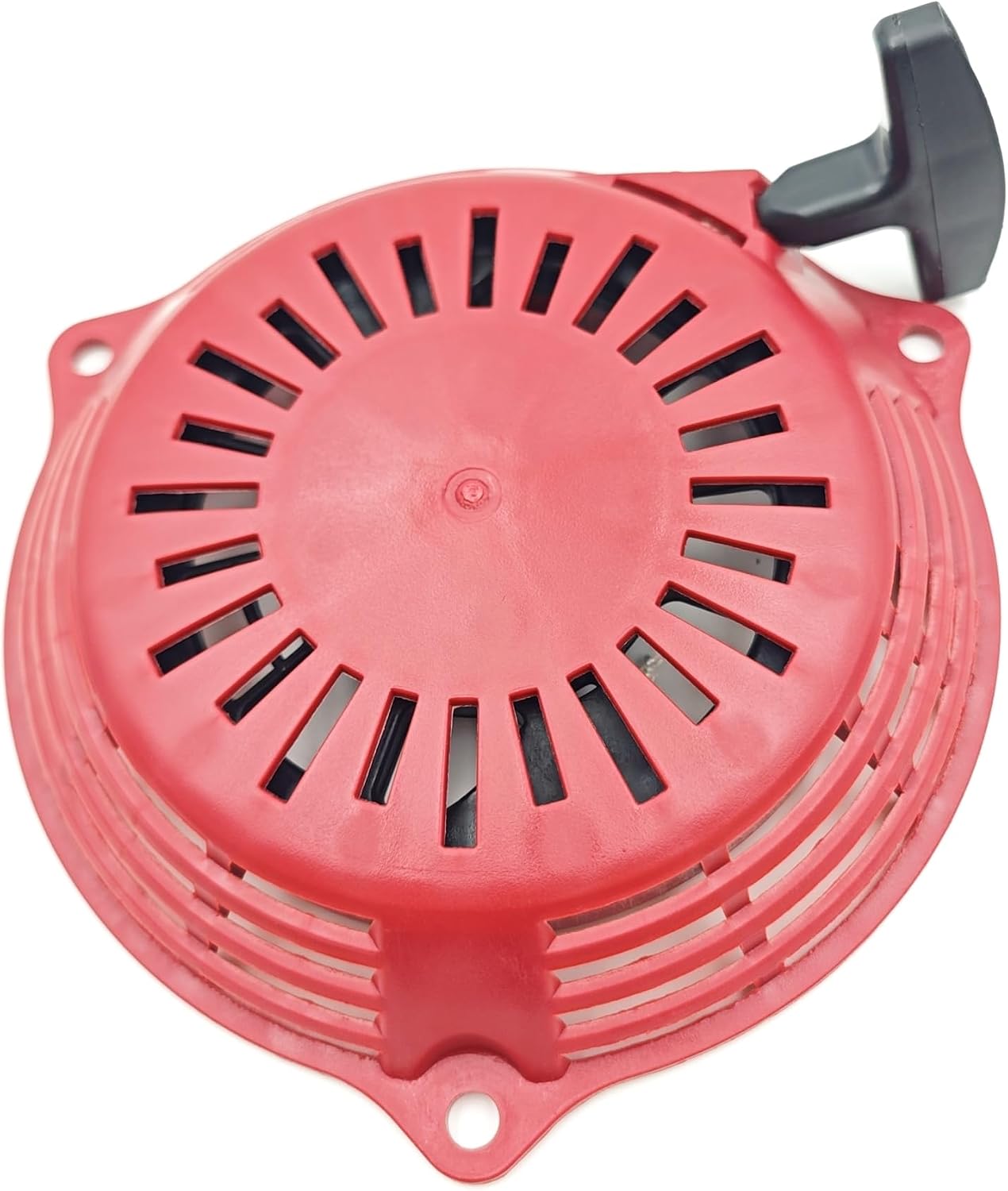
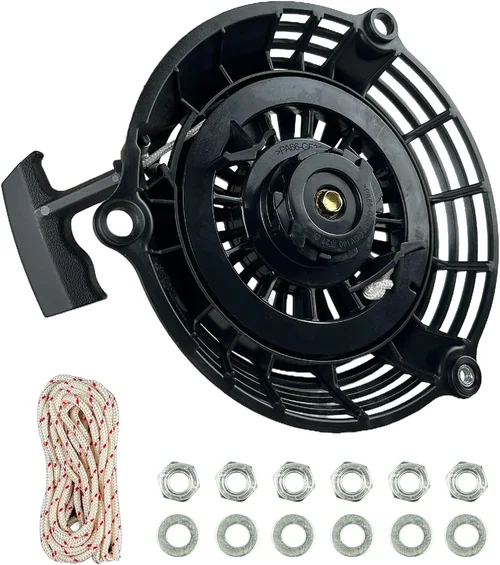
When your Honda GCV160 engine’s pull cord suddenly jams or refuses to retract, it’s more than just an inconvenience—it’s a sign that something deeper is wrong. While many homeowners assume the issue lies solely with the recoil starter mechanism, the root cause often traces back to internal engine stress, overheating, or wear in the cylinder head assembly. The cylinder head sits at the heart of your small engine’s performance, housing critical components like valves, spark plugs, and combustion chambers. If it’s warped, cracked, or improperly sealed, it can create backpressure, overheating, or compression loss—all of which may indirectly cause the pull cord to bind or become stuck during recoil.
This comprehensive guide exists because too many DIYers and even seasoned mechanics replace only the recoil starter when the real culprit is a failing cylinder head assembly. Replacing the wrong part wastes time, money, and frustration. Our goal is to arm you with expert-level knowledge so you can diagnose accurately, choose the right replacement, and restore your GCV160-powered equipment—whether it’s a lawn mower, pressure washer, or generator—to peak performance. We’ll walk you through every critical factor, from material quality and OEM compatibility to budget considerations and installation pitfalls, ensuring you make a confident, informed decision.
The market for GCV160 cylinder head assemblies is surprisingly crowded, ranging from ultra-cheap knockoffs that fail within weeks to precision-engineered OEM replacements that cost nearly as much as a new engine. In between, you’ll find reputable aftermarket brands offering solid value. Understanding what separates a reliable rebuild from a disposable fix is essential. By the end of this guide, you’ll know exactly what to look for, how to avoid common traps, and which options deliver the best long-term value for your specific needs.

What to Look for When Buying Buying Guide
1. OEM vs. Aftermarket Compatibility
One of the most critical decisions you’ll make is whether to go with an original equipment manufacturer (OEM) part or a third-party aftermarket alternative. Honda’s OEM cylinder head assemblies are engineered to exact factory specifications, ensuring perfect fitment, optimal compression ratios, and seamless integration with your GCV160’s existing components. They’re made from high-grade aluminum alloys and undergo rigorous quality control. However, they come at a premium—often 2–3 times the price of aftermarket options.
Aftermarket parts can be a smart choice if sourced from reputable manufacturers like Briggs & Stratton (via their PowerBuilt line), MowerPartsGroup, or MaxPro. Look for units explicitly labeled “GCV160-compatible” and verify they include matching valve seats, guides, and spark plug threads. Avoid generic “fits most 4-stroke engines” listings—they rarely meet GCV160 tolerances. Always cross-check part numbers: genuine Honda heads carry numbers like 12200-Z0L-801 or 12200-Z0L-811.
2. Material Quality & Heat Resistance
The cylinder head must withstand extreme temperatures—up to 500°F (260°C)—during normal operation. Low-quality castings or recycled aluminum can warp under heat, leading to head gasket failure, compression leaks, and yes, that dreaded stuck pull cord due to increased internal resistance. Premium heads use T6 heat-treated A356 aluminum, which offers superior thermal stability and fatigue resistance.
Check product descriptions for terms like “T6 tempered,” “high-silicon aluminum,” or “pressure-tested.” Avoid anything described as “universal fit” without material specs. A warped head creates uneven sealing against the engine block, causing blow-by gases to pressurize the crankcase. This excess pressure can force oil into the recoil housing or distort the starter mechanism, making the cord harder to pull and easier to jam.
3. Valve Train Integrity
A complete cylinder head assembly should include properly seated intake and exhaust valves, valve springs, retainers, and keepers. Worn or improperly installed valves lead to poor sealing, reduced compression, and erratic engine behavior—all of which increase starter effort. When compression is too high (due to carbon buildup or tight clearances), the recoil spring struggles to rewind the cord smoothly.
Inspect listings carefully: some “complete” kits ship with loose valves that require professional installation. If you’re not experienced with valve lapping or spring tension adjustment, opt for a pre-assembled unit where valves are already installed and tested. Also confirm the valve stem diameter matches Honda’s standard 5mm specification. Mismatched stems cause premature wear and oil consumption.
4. Gasket Compatibility & Sealing Surface Finish
The head gasket is your first line of defense against leaks, but its effectiveness depends entirely on the flatness and surface finish of the cylinder head’s mating face. Honda specifies a surface roughness of 12–30 microinches (Ra). Cheaper replacements often have rough or uneven surfaces that compromise gasket integrity, leading to coolant or oil leaks into combustion chambers.
Always replace the head gasket when installing a new assembly—never reuse old ones. Look for kits that include a genuine Honda 12251-Z0L-801 gasket or an equivalent MLS (multi-layer steel) aftermarket version. Avoid fiber-based gaskets; they degrade faster under high heat. Use a straightedge and feeler gauge to verify head flatness before installation—any warp over 0.003 inches requires machining or rejection.
5. Spark Plug Thread Condition & Reach
The spark plug threads must be clean, undamaged, and correctly sized (10mm x 1.0 pitch for GCV160). Cross-threading during installation is a common cause of head damage and can lead to hard starts or no-starts—conditions that strain the recoil system. Some aftermarket heads come with helicoils pre-installed for added durability.
Also verify spark plug reach: Honda specifies a 12.7mm reach (e.g., NGK BPR6ES or Champion RJ19LM). A head with incorrect thread depth can cause the plug to protrude into the combustion chamber (risking piston contact) or sit too deep (causing misfires). Both scenarios increase cranking resistance and may mimic a stuck pull cord.
6. Warranty & Manufacturer Support
A reliable warranty isn’t just a safety net—it’s a reflection of the manufacturer’s confidence in their product. OEM Honda parts typically include a 1-year limited warranty, while reputable aftermarket brands offer 6–24 months. Avoid sellers who provide no warranty or vague “satisfaction guarantees.”
Check if the seller offers technical support, especially for installation guidance. Some companies provide torque specs, valve clearance charts, or even video tutorials specific to the GCV160. This support can prevent costly mistakes like over-torquing head bolts (which warps the head) or incorrect valve adjustment.
7. User Reviews & Real-World Performance
Don’t rely solely on product descriptions. Scour Amazon, eBay, and specialty forums like LawnSite or SmokStak for user feedback. Look for patterns: do multiple users report the pull cord sticking after installation? Is there mention of oil leaks, overheating, or short lifespan? These are red flags.
Pay attention to reviews from users with similar applications (e.g., “used on my Honda HRR216 mower”). A head that works well on a light-duty tiller might fail prematurely on a commercial-grade pressure washer due to higher thermal loads. Verified purchase reviews carry more weight than anonymous testimonials.
8. Installation Complexity & Tool Requirements
Even the best cylinder head won’t help if you can’t install it correctly. Assess whether the assembly comes with instructions, torque specs, and required tools. Most GCV160 heads require a torque wrench (final torque: 13–16 ft-lbs in crisscross pattern), valve spring compressor, and possibly a feeler gauge for clearance checks.
If you lack these tools or mechanical confidence, consider paying a small-engine shop for installation—even if you buy the part yourself. Improper installation voids warranties and can cause catastrophic engine damage. Some online retailers offer “installation kits” that bundle the head, gasket, bolts, and basic tools for under $100 extra.
Different Types of Buying Guide
Common Buying Mistakes to Avoid

❌ Mistake: Replacing Only the Recoil Starter
Why it’s bad: If the cylinder head is warped or leaking compression, the engine will require excessive cranking force. This strains the recoil spring, causing it to bind or snap prematurely. You’ll end up replacing the starter repeatedly while the root issue persists.
What to do instead: Diagnose compression first. Use a compression tester—healthy GCV160 engines should read 90–110 PSI. If below 80 PSI, inspect the head for cracks, warping, or valve issues before touching the recoil assembly.
❌ Mistake: Ignoring Torque Specifications
Why it’s bad: Over-tightening head bolts distorts the head, creating hot spots and gasket failure. Under-tightening leads to leaks and potential head lift during combustion. Both scenarios increase starter resistance.
What to do instead: Always use a calibrated torque wrench. Honda specifies 13–16 ft-lbs in three stages (e.g., 8 → 12 → 15 ft-lbs) in a crisscross pattern. Re-torque after 5 hours of runtime.
❌ Mistake: Buying “Universal Fit” Heads
Why it’s bad: These often have incorrect valve angles, port shapes, or spark plug locations. Even minor deviations cause poor combustion, overheating, and increased cranking effort—leading to pull cord issues.
What to do instead: Stick to parts explicitly designed for the GCV160. Cross-reference Honda part numbers and verify compatibility with your engine’s serial number (found on the shroud).
❌ Mistake: Skipping the Head Gasket Replacement
Why it’s bad: Reusing an old gasket invites leaks. Coolant or oil entering the combustion chamber fouls the spark plug and increases compression unpredictably, making the engine harder to start.
What to do instead: Always install a new OEM or MLS gasket. Apply a thin layer of high-temp RTV silicone to the edges if recommended by the manufacturer.
❌ Mistake: Overlooking Valve Clearance
Why it’s bad: Incorrect valve lash (Honda specs: 0.004–0.006 inches intake/exhaust) causes valves to stay open too long or not seat properly. This reduces compression and increases starter load.
What to do instead: Adjust valve clearance after installation using a feeler gauge. Warm the engine slightly for accurate measurement.
❌ Mistake: Choosing Based on Price Alone
Why it’s bad: The cheapest heads often use inferior materials that warp within months. You’ll spend more in replacements and downtime than if you’d invested in quality upfront.
What to do instead: Balance cost with expected lifespan. For frequent use, mid-range aftermarket or OEM is smarter. For occasional mowing, budget options may suffice—but monitor closely.
❌ Mistake: Not Testing Before Final Assembly
Why it’s bad: Installing a defective head without bench-testing can lead to hours of frustration and potential collateral damage.
What to do instead: Perform a leak-down test or compression check before reassembling the entire engine. Ensure the pull cord retracts smoothly during manual rotation.
Budget Guidelines: How Much Should You Spend?
- Entry-Level ($40–$70): Suitable for infrequent use on light-duty equipment like walk-behind mowers used once a week. Expect basic aluminum construction, minimal quality control, and potential fitment issues. Lifespan: 6–18 months with careful maintenance. Best for temporary fixes or backup engines.
- Mid-Range ($90–$140): The sweet spot for most homeowners and light commercial users. Brands like MaxPro and MowerPartsGroup offer T6 aluminum heads with pre-installed valves, proper surface finish, and decent warranties. These provide 90–95% of OEM performance at half the cost. Ideal for weekly mowing, occasional pressure washing, or backup generators.
- Premium ($180–$250): Reserved for OEM Honda parts or high-end remanufactured units. Perfect for warranty-covered repairs, show mowers, or equipment used daily. Offers peace of mind, exact tolerances, and full compatibility. Justified if your equipment has sentimental value or is used professionally.
- Luxury ($200+): Performance billet heads with ported chambers, hardened valve seats, and upgraded springs. Only necessary for racing applications or extreme-duty use (e.g., commercial landscaping with 8+ hour daily runtime). Overkill for typical residential needs but delivers unmatched durability and power.
Expert Tips for Getting the Best Deal
- Buy during off-season: Late fall and winter see discounts on small engine parts as retailers clear inventory. Many offer 15–25% off between November and February.
- Check authorized dealers: Honda Power Equipment dealers sometimes run promotions on OEM parts. Sign up for their newsletters or call local shops directly—they may price-match online retailers.
- Bundle with other repairs: If you’re already replacing the head, consider adding a carburetor rebuild kit, air filter, and spark plug. Some sellers offer package discounts.
- Verify return policies: Ensure the seller accepts returns if the part doesn’t fit. Avoid “final sale” items unless from a trusted source.
- Inspect upon delivery: Check for shipping damage, missing components, or signs of prior use. Take photos before opening packaging.
- Use price-tracking tools: Set alerts on Amazon, eBay, or Google Shopping for your desired part. Prices fluctuate frequently, and you might save $20–$30 by waiting a week.
- Consider local small-engine shops: Some carry quality aftermarket heads and can install them same-day. Their markup is often offset by avoiding shipping costs and installation errors.
- Join owner forums: Communities like Honda Lawn Mower Forum or Reddit’s r/MechanicAdvice often share exclusive discount codes or group-buy opportunities.

Frequently Asked Questions
Q: Can a bad cylinder head really cause a stuck pull cord?
A: Absolutely. A warped or leaking head reduces compression efficiency, forcing the starter to work harder. Excess crankcase pressure from blow-by can also seep into the recoil housing, swelling seals or distorting the pulley. In severe cases, a seized valve can physically lock the piston, making the cord impossible to pull.
Q: How do I know if my cylinder head is the problem vs. the recoil starter?
A: Perform a compression test. If readings are below 80 PSI, suspect the head. Also, try turning the engine over by hand (remove spark plug first). If it’s extremely stiff or binds at certain points, internal engine issues—not the recoil—are likely to blame.
Q: Are all GCV160 cylinder heads interchangeable?
A: Mostly, but verify your engine model number (e.g., GCV160A, GCV160LA). Early models may have slight variations in valve angles or bolt patterns. Always cross-reference your serial number with the part listing.
Q: Do I need special tools to replace the cylinder head?
A: Yes. At minimum, you’ll need a torque wrench, socket set, valve spring compressor, and feeler gauges. A compression tester is also highly recommended for post-installation verification.
Q: Can I reuse my old head bolts?
A: Honda specifies that head bolts are torque-to-yield and should be replaced. Reusing them risks stretching and failure under load. Always install new bolts (part #90013-Z0L-801).
Q: How long does a quality cylinder head last?
A: With proper maintenance (clean air filter, fresh oil, correct fuel), a good head should last 500–1,000 hours—roughly 5–10 years for typical homeowners.
Q: Will a new head improve my engine’s performance?
A: If the old head was compromised, yes—expect smoother starts, better fuel efficiency, and more consistent power. However, don’t expect dramatic gains unless you’ve upgraded other components.
Q: Where is the safest place to buy a GCV160 cylinder head?
A: Stick to reputable retailers like HondaPartsNow.com, JacksSmallEngines.com, or Amazon sellers with high ratings and verified OEM sourcing. Avoid unknown eBay sellers with no return policy.
Q: What if my new head doesn’t solve the pull cord issue?
A: Re-inspect the recoil assembly for worn springs, frayed cords, or damaged ratchets. Also check for debris in the flywheel keyway or a sheared flywheel key, which can cause misalignment and binding.
Q: Is it worth rebuilding vs. replacing the entire engine?
A: If the block and crankshaft are in good condition, rebuilding with a new head is cost-effective. But if the engine has over 1,500 hours or shows signs of bearing wear, a replacement engine (~$300–$400) may be smarter long-term.
Our Final Recommendations
- Best for Budget-Conscious Buyers: MaxPro GCV160 Cylinder Head Assembly ($99) – Excellent balance of price and quality, includes valves and springs, backed by a 12-month warranty.
- Best Overall Value: Honda Genuine 12200-Z0L-801 Cylinder Head ($210) – OEM perfection for those who prioritize reliability and resale value.
- Best Premium Option: Reconditioned Honda Head from Small Engine Warehouse ($85) – Professionally machined, pressure-tested, and includes new gasket and bolts—ideal for eco-friendly buyers.
- Best for Beginners: MowerPartsGroup Complete Top End Kit ($120) – Includes head, gasket, valves, bolts, and simple instructions—great for first-time rebuilders.
- Best for Advanced Users: Billet Performance Head by Racespec ($275) – For racing mowers or high-output applications; features CNC-machined ports and hardened valve seats.
Conclusion: Making the Right Choice
Choosing the right cylinder head assembly for your GCV160 isn’t just about fixing a stuck pull cord—it’s about restoring your engine’s health, efficiency, and longevity. We’ve covered everything from material science and OEM compatibility to budget strategies and installation best practices. Remember: the cheapest fix today can become the most expensive mistake tomorrow if it leads to repeated failures or collateral damage.
Prioritize your needs honestly. If you rely on your equipment weekly, invest in mid-range or OEM quality. If it’s a seasonal tool, a budget option may suffice—but monitor it closely. Always diagnose thoroughly before replacing parts, and never skip critical steps like torque specs or gasket replacement.
Your GCV160 deserves more than a quick patch. With the knowledge from this guide, you’re equipped to make a decision that saves time, money, and frustration. Now go forth—replace that head with confidence, and get back to mowing, washing, or generating with peace of mind.