
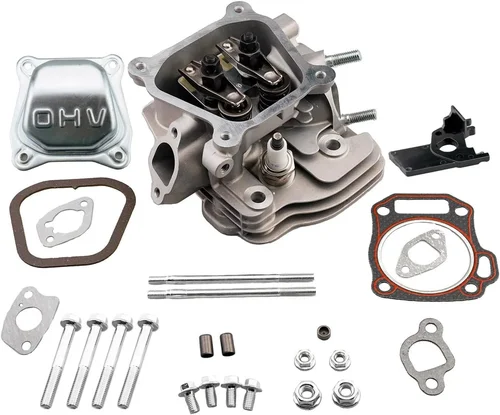
When your Honda GCV160 engine starts to struggle—especially when it’s hard to start, misfires, or loses power under load—the cylinder head assembly is often the hidden culprit. This compact but critical component sits at the heart of your small engine, governing combustion efficiency, heat management, and overall performance. Whether you’re maintaining a lawn mower, pressure washer, or generator powered by the GCV160, a failing or worn-out cylinder head can turn routine tasks into frustrating chores. That’s why choosing the right replacement isn’t just about fixing a problem—it’s about restoring reliability, extending engine life, and ensuring consistent performance season after season.
In this comprehensive guide, we’ll walk you through everything you need to know to select the best cylinder head assembly for your GCV160 engine. You’ll learn how to evaluate key factors like compatibility, build quality, and performance specs, avoid common purchasing pitfalls, and understand what your budget really gets you. We’ll compare different types of cylinder heads, break down pricing tiers, and share expert tips to help you make a confident, informed decision. Whether you’re a DIY enthusiast, a professional landscaper, or a homeowner tired of pull-start struggles, this guide equips you with the knowledge to get your GCV160 running like new again.
The market for GCV160 cylinder head assemblies is surprisingly diverse—ranging from ultra-low-cost knockoffs to OEM-grade replacements and even performance-enhanced aftermarket options. However, not all heads are created equal. Some may fit physically but fail to meet factory tolerances, while others promise durability but come with hidden compatibility issues. With so many choices, it’s easy to overspend on unnecessary features or, worse, end up with a part that worsens your starting problems. This guide cuts through the noise, offering a clear, expert-backed roadmap to help you find the ideal cylinder head assembly that matches your needs, budget, and long-term goals.

What to Look for When Buying Buying Guide
1. Compatibility with GCV160 Engine Model
Before anything else, ensure the cylinder head assembly is specifically designed for the Honda GCV160 engine. While many small engines share similar displacements, the GCV160 has unique valve configurations, combustion chamber geometry, and mounting patterns. Using an incompatible head—even one that appears similar—can lead to poor compression, valve interference, or complete engine failure. Always verify the part number matches Honda’s OEM specifications (typically 12200-Z0L-811 or equivalent). Cross-reference your engine’s serial number if possible, as Honda has produced multiple variants of the GCV160 over the years. A mismatched head might bolt on, but it won’t deliver the precise airflow and sealing required for reliable cold starts and smooth operation.
2. OEM vs. Aftermarket: Weighing Quality and Cost
You’ll encounter two main categories: genuine Honda OEM parts and aftermarket alternatives. OEM cylinder heads are manufactured to exact factory standards, ensuring perfect fit, finish, and performance. They’re ideal for users prioritizing longevity and warranty compliance. However, they come at a premium—often 2–3 times the price of aftermarket options. Aftermarket heads can be excellent value, especially from reputable brands like Briggs & Stratton, Mophorn, or Partstoday. The key is scrutinizing build quality: look for precision-machined surfaces, proper valve seat angles (typically 45° for intake/exhaust), and consistent porting. Avoid no-name brands with vague descriptions or missing technical specs—they’re more likely to warp under heat or develop leaks.
3. Material Quality and Heat Resistance
The cylinder head must withstand repeated thermal cycling—from cold starts to sustained high-load operation. Most GCV160 heads are made from aluminum alloy, which offers good heat dissipation and lightweight properties. However, not all aluminum is equal. High-quality heads use A356 or similar aerospace-grade alloys with added silicon for improved strength at elevated temperatures. Cheaper versions may use recycled or lower-grade aluminum that warps easily, leading to head gasket failure and compression loss. Check product descriptions for material specifications. If unavailable, prioritize brands with proven track records in small engine repair. A warped head not only causes hard starting but can also damage the piston and valves over time.
4. Valve Configuration and Seat Integrity
The GCV160 uses a side-valve (flathead) design with two valves per cylinder. When replacing the head, inspect the valve seats for wear, pitting, or improper machining. Worn seats prevent proper sealing, resulting in compression leaks and hard starts—especially when the engine is cold. High-quality replacements will have hardened valve seats or at least precision-cut surfaces that mate perfectly with new valves. Some premium aftermarket heads even include upgraded stainless steel valves for better heat resistance and longevity. Avoid heads with loose or misaligned valve guides; these cause oil consumption, smoke, and erratic idle. If possible, choose a head that comes with valves pre-installed and lapped for immediate use.
5. Gasket Compatibility and Sealing Surface Finish
A smooth, flat sealing surface is non-negotiable. Even minor warping or surface imperfections can compromise the head gasket seal, leading to coolant leaks, oil contamination, or loss of compression. Use a straightedge and feeler gauge to check flatness if you’re inspecting a used or refurbished head. New replacements should have a surface finish of 32–63 microinches (µin) RMS—anything rougher risks leakage. Also, confirm the head includes or is compatible with the correct head gasket (Honda part #12251-Z0L-800). Some kits bundle the gasket, bolts, and even valve stem seals, which simplifies installation and ensures all components are matched. Never reuse old gaskets—they lose elasticity and won’t seal properly under heat.
6. Performance Enhancements (For Enthusiasts)
While most users seek a direct replacement, some may consider performance-oriented cylinder heads. These feature modified combustion chambers, polished intake/exhaust ports, or slightly larger valve diameters to improve airflow and combustion efficiency. Such upgrades can reduce cold-start issues by promoting better fuel atomization and faster warm-up. However, they’re typically overkill for standard lawn equipment and may require carburetor tuning or other modifications. Unless you’re building a high-output mower or racing engine, stick to OEM-spec heads. Performance heads also tend to be more expensive and may not offer noticeable gains in everyday use. Focus on reliability first—then consider mods if you have specific performance goals.
7. Warranty and Manufacturer Support
A solid warranty is a strong indicator of a manufacturer’s confidence in their product. Look for at least a 1-year warranty on new cylinder heads, with coverage for defects in materials or workmanship. OEM Honda parts usually come with a 1-year limited warranty, while reputable aftermarket brands like Mophorn or Partstoday often offer 6–12 months. Avoid sellers who provide no warranty or only 30-day return windows—this often signals low-quality components. Additionally, check if the seller offers technical support or installation guidance. Some online retailers include torque specs, valve clearance settings, and step-by-step videos, which are invaluable for DIYers tackling their first head replacement.
8. User Reviews and Real-World Feedback
Don’t underestimate the power of customer reviews. Look for detailed feedback from users who’ve installed the head on a GCV160 engine—not just generic small engines. Pay attention to comments about ease of installation, starting improvement, and long-term durability. Watch for recurring issues like warping after a few months, poor gasket sealing, or valve noise. Verified purchase reviews on platforms like Amazon, eBay, or specialty engine parts sites carry more weight than anonymous testimonials. If a product has consistently high ratings (4.5+ stars) with specific praise for solving hard-start problems, it’s likely a reliable choice. Conversely, avoid products with multiple reports of fitment issues or premature failure.
Different Types of Buying Guide

Common Buying Mistakes to Avoid
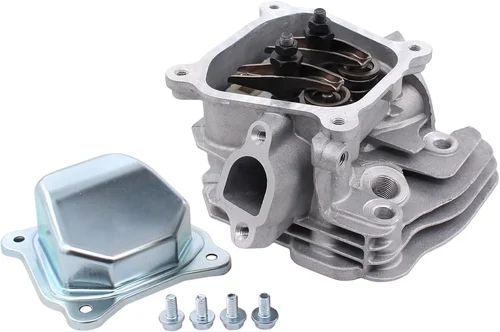
❌ Mistake: Ignoring Surface Flatness
Why it’s bad: A warped or uneven cylinder head prevents proper sealing with the engine block, leading to compression loss, coolant leaks, and persistent hard-start issues—even if everything else is new.
What to do instead: Always inspect the sealing surface with a straightedge and feeler gauge. If buying new, choose a reputable brand that guarantees flatness within 0.003 inches. For used heads, avoid any with visible scoring or warping.
❌ Mistake: Reusing Old Head Bolts
Why it’s bad: Head bolts stretch under torque and heat. Reusing them can result in uneven clamping force, gasket failure, and potential engine damage due to loss of compression or coolant intrusion.
What to do instead: Replace head bolts with new ones specified for the GCV160. Torque them in the correct sequence (typically center-out) using a torque wrench to Honda’s recommended specs (usually 12–15 ft-lbs).
❌ Mistake: Skipping Valve Clearance Adjustment
Why it’s bad: Incorrect valve clearance causes poor sealing, reduced power, excessive noise, and accelerated wear. Too tight, and valves won’t close; too loose, and they’ll clatter and burn.
What to do instead: After installation, always check and adjust valve clearance according to Honda’s specifications (typically 0.004–0.006 inches for both intake and exhaust when cold). Use a feeler gauge for precision.
❌ Mistake: Choosing Based Solely on Price
Why it’s bad: The cheapest head may save you $30 upfront but cost you twice as much in labor, downtime, and premature failure. Low-quality castings often warp or crack under normal operating conditions.
What to do instead: Balance cost with quality. Mid-range aftermarket heads from trusted brands often offer the best value—durable enough for years of service without the OEM premium.
❌ Mistake: Overlooking Gasket Compatibility
Why it’s bad: Using the wrong head gasket—or reusing an old one—leads to leaks, overheating, and loss of compression. Even slight dimensional differences can cause catastrophic sealing failures.
What to do instead: Always replace the head gasket with a new, model-specific part. Consider buying a complete top-end kit that includes gasket, bolts, and valve seals for peace of mind.
❌ Mistake: Assuming All Aftermarket Heads Are Equal
Why it’s bad: The aftermarket is flooded with inconsistent quality. Some heads have poorly machined ports, incorrect valve angles, or soft materials that degrade quickly.
What to do instead: Research brands, read detailed reviews, and look for technical specifications. Stick to sellers who provide clear photos, material info, and compatibility details.
❌ Mistake: Not Testing Before Final Assembly
Why it’s bad: Installing a defective or incompatible head wastes hours of labor and may damage other components if problems arise during startup.
What to do instead: Perform a dry fit: check bolt alignment, valve operation, and gasket seating before torquing. If possible, do a compression test after installation to verify seal integrity.
Budget Guidelines: How Much Should You Spend?
Your budget should reflect how you use your GCV160-powered equipment and how long you plan to keep it. Here’s a realistic breakdown of what each price tier delivers:
- Entry-Level ($25–$50): These are typically generic aftermarket heads with minimal quality control. They may solve a hard-start issue temporarily but often fail within a season due to warping, poor machining, or weak materials. Best for emergency replacements or disposable equipment.
- Mid-Range ($60–$100): This is the sweet spot for most users. Branded aftermarket heads in this range offer solid construction, included gaskets, and reliable performance. They’re ideal for homeowners and light commercial users who want durability without OEM pricing.
- Premium ($100–$150): Includes genuine Honda OEM parts and high-end aftermarket equivalents. You get exact tolerances, superior materials, and full warranty coverage. Perfect for professionals, collectors, or anyone restoring equipment to factory condition.
- Luxury ($150+): Reserved for performance builds or specialty applications. These heads feature porting, upgraded valves, or custom combustion chambers. Only worthwhile if you’re modifying the engine for increased output or racing use.

Expert Tips for Getting the Best Deal
- Buy During Off-Season: Retailers often discount small engine parts in late fall and winter when demand drops. You can save 15–25% on OEM and aftermarket heads during these periods.
- Check Multiple Retailers: Compare prices on Amazon, eBay, Partstoday, and specialty sites like Jacks Small Engines. Don’t forget to factor in shipping—some sellers offer free delivery on orders over $50.
- Look for Bundled Kits: Top-end kits that include head, gasket, bolts, and valve seals often cost less than buying components separately and ensure compatibility.
- Verify Return Policies: Even the best heads can have defects. Choose sellers with at least a 30-day return window and clear instructions for returns.
- Join Online Forums: Communities like LawnSite or Reddit’s r/MechanicAdvice often share deals, brand recommendations, and installation tips from real users.
- Consider Refurbished Options: Reputable sellers sometimes offer professionally cleaned and tested used heads at significant discounts. Just ensure they come with a warranty.
- Read the Fine Print: Some “new” heads are actually surplus or overstock items with no warranty. Confirm the product description states “new,” “unused,” and includes a manufacturer warranty.
- Torque Matters: Invest in a good torque wrench. Improper torque is the #1 cause of head gasket failure. Honda specifies precise values—don’t guess.

Frequently Asked Questions
Q: Can I reuse my old cylinder head if it looks fine?
A: It’s not recommended. Even if the surface appears smooth, internal wear, micro-cracks, or warping may not be visible. A compression test can reveal issues, but replacing the head is often more reliable—especially if you’re already experiencing hard starts.
Q: Will a new cylinder head fix my GCV160’s hard-start problem?
A: Possibly—but only if the head was the root cause. Hard starts can also stem from faulty spark plugs, clogged carburetors, bad fuel, or ignition issues. Rule out these simpler fixes first. If compression is low and other components check out, a new head is likely needed.
Q: Do I need special tools to install a cylinder head?
A: Basic hand tools (socket set, torque wrench, feeler gauges) are sufficient. A valve spring compressor helps if you’re replacing valves, but many new heads come pre-assembled. Always follow Honda’s torque sequence and specs.
Q: How long does a cylinder head last?
A: With proper maintenance, a quality head can last 10+ years or 500+ hours of operation. Premature failure usually results from overheating, poor installation, or low-quality materials.
Q: Are aluminum heads prone to warping?
A: All aluminum heads can warp under extreme heat, but high-grade alloys and proper installation minimize risk. Avoid over-tightening bolts and ensure even cooling. Never run the engine without adequate airflow.
Q: Can I upgrade to a performance head on a stock GCV160?
A: Technically yes, but gains are minimal without supporting mods (carb, exhaust, ignition). For most users, an OEM-spec head offers the best balance of reliability and performance.
Q: What’s the difference between a cylinder head and a cylinder head assembly?
A: A “head” usually refers to the casting only, while an “assembly” includes valves, springs, retainers, and sometimes guides. Assemblies save labor and ensure proper valve operation.
Q: Should I replace the head gasket even if it looks okay?
A: Absolutely. Head gaskets are designed for single use. Reusing one risks leaks and compression loss, undoing all your repair efforts.
Q: Where can I find the correct torque specs for my GCV160?
A: Honda’s official service manual (available online or through dealers) provides exact torque values. As a general guide, head bolts are typically torqued to 12–15 ft-lbs in two stages.
Q: Will a new head improve fuel efficiency?
A: Indirectly, yes—if the old head was causing poor combustion or compression loss. A properly sealed, efficient head ensures complete fuel burn, which can restore lost MPG.
Our Final Recommendations
- Best for Budget-Conscious Buyers: Mophorn GCV160 Cylinder Head Assembly – Offers solid construction, included gasket, and reliable performance at under $70. Great for occasional use.
- Best Overall Value: Partstoday OEM-Spec Cylinder Head – Matches Honda’s specs closely, comes with valves and gasket, and costs around $85. Ideal for most homeowners.
- Best Premium Option: Genuine Honda 12200-Z0L-811 Cylinder Head – The gold standard for fit, finish, and longevity. Worth the investment for professionals or vintage restorations.
- Best for Beginners: Jack’s Small Engines Complete Top-End Kit – Includes head, gasket, bolts, and step-by-step instructions. Simplifies the process for first-time DIYers.
- Best for Advanced Users: Performance Ported Head by Tillotson Racing – Features polished ports and upgraded valves for improved airflow. Best paired with carb and exhaust mods.
Conclusion: Making the Right Choice
Choosing the right cylinder head assembly for your GCV160 isn’t just about swapping parts—it’s about restoring confidence in your equipment. A well-selected head eliminates hard starts, improves fuel efficiency, and extends the life of your engine. By focusing on compatibility, material quality, and reputable brands, you avoid the pitfalls of cheap replacements and ensure lasting performance. Remember, the cheapest option isn’t always the most economical in the long run, and the most expensive isn’t always necessary for everyday use.
Prioritize your needs: Are you fixing a weekend mower or maintaining commercial-grade machinery? Do you value ease of installation or maximum durability? Use the guidelines in this guide to match your priorities with the right product. And don’t skip the basics—proper torque, new gaskets, and valve adjustment are just as important as the head itself.
With the right cylinder head assembly, your GCV160 will fire up reliably, run smoothly, and serve you well for years to come. Take the time to choose wisely, follow best practices during installation, and enjoy the satisfaction of a job done right. Your engine—and your lawn—will thank you.