

If you’re the owner of a Honda GCV160 engine—commonly found in lawn mowers, pressure washers, or small generators—and you’ve noticed it’s burning oil, you’re likely facing a frustrating and costly problem. Oil consumption in small engines like the GCV160 isn’t just a minor annoyance; it can signal deeper mechanical issues, especially within the cylinder head assembly. Left unaddressed, excessive oil burning can lead to reduced engine performance, increased emissions, fouled spark plugs, and even premature engine failure. The cylinder head assembly plays a pivotal role in sealing combustion chambers, managing valve operation, and maintaining proper compression. When components like valve guides, valve seals, or the head gasket wear out or fail, oil can seep into the combustion chamber and burn during operation.
That’s where this comprehensive buying guide comes in. Whether you’re a DIY mechanic, a landscaping professional, or a homeowner trying to keep your equipment running smoothly, selecting the right cylinder head assembly for your GCV160 is critical to restoring performance and preventing future oil consumption. This guide will walk you through every essential factor to consider—from material quality and compatibility to budget constraints and brand reliability. You’ll learn how to identify the root cause of oil burning, understand the differences between OEM and aftermarket parts, avoid common purchasing pitfalls, and ultimately choose a replacement that delivers long-term value and reliability. By the end, you’ll be equipped with expert-level knowledge to make a confident, informed decision—no guesswork required.
The market for GCV160 cylinder head assemblies is surprisingly diverse, ranging from budget-friendly aftermarket kits to high-performance OEM replacements. While Honda’s original equipment manufacturer (OEM) parts are known for precision and durability, they often come at a premium price. Meanwhile, aftermarket options offer more affordable alternatives, but quality can vary significantly between brands. Some manufacturers focus on cost-cutting with inferior materials, while others invest in precision machining and rigorous testing to match or exceed OEM standards. With so many choices available online and in hardware stores, it’s easy to feel overwhelmed. This guide cuts through the noise, offering a clear, structured approach to help you navigate the options and find the best cylinder head assembly for your specific needs, whether you’re prioritizing cost, longevity, or performance.

What to Look for When Buying Buying Guide
1. Compatibility with GCV160 Engine
Before anything else, ensure the cylinder head assembly you’re considering is specifically designed for the Honda GCV160 engine. While many small engines share similar dimensions, even minor variations in valve spacing, bolt patterns, or combustion chamber shape can render a part incompatible. The GCV160 is a single-cylinder, overhead valve (OHV) engine with a displacement of 160cc, and its cylinder head must match these exact specifications. Always verify the part number—Honda’s OEM part number for the GCV160 cylinder head is typically 12200-Z0L-811 or a close variant. Cross-referencing with your engine’s model and serial number (found on the engine shroud) is strongly recommended. Using an incompatible head can lead to poor sealing, compression loss, and continued oil burning.
2. Material Quality and Construction
The materials used in the cylinder head assembly directly impact its durability and resistance to wear. OEM Honda heads are typically made from high-grade aluminum alloy, which offers excellent heat dissipation and corrosion resistance. Aftermarket options may use lower-grade aluminum or even cast iron in some cases, which can be heavier and more prone to cracking under thermal stress. Look for heads that feature precision-machined surfaces, especially on the combustion chamber and valve seats. Poor machining can lead to uneven sealing, increased oil consumption, and reduced engine efficiency. Additionally, check whether the head includes hardened valve seats—these are essential for longevity, especially if you’re using ethanol-blended fuels, which can accelerate wear.
3. Included Components and Completeness
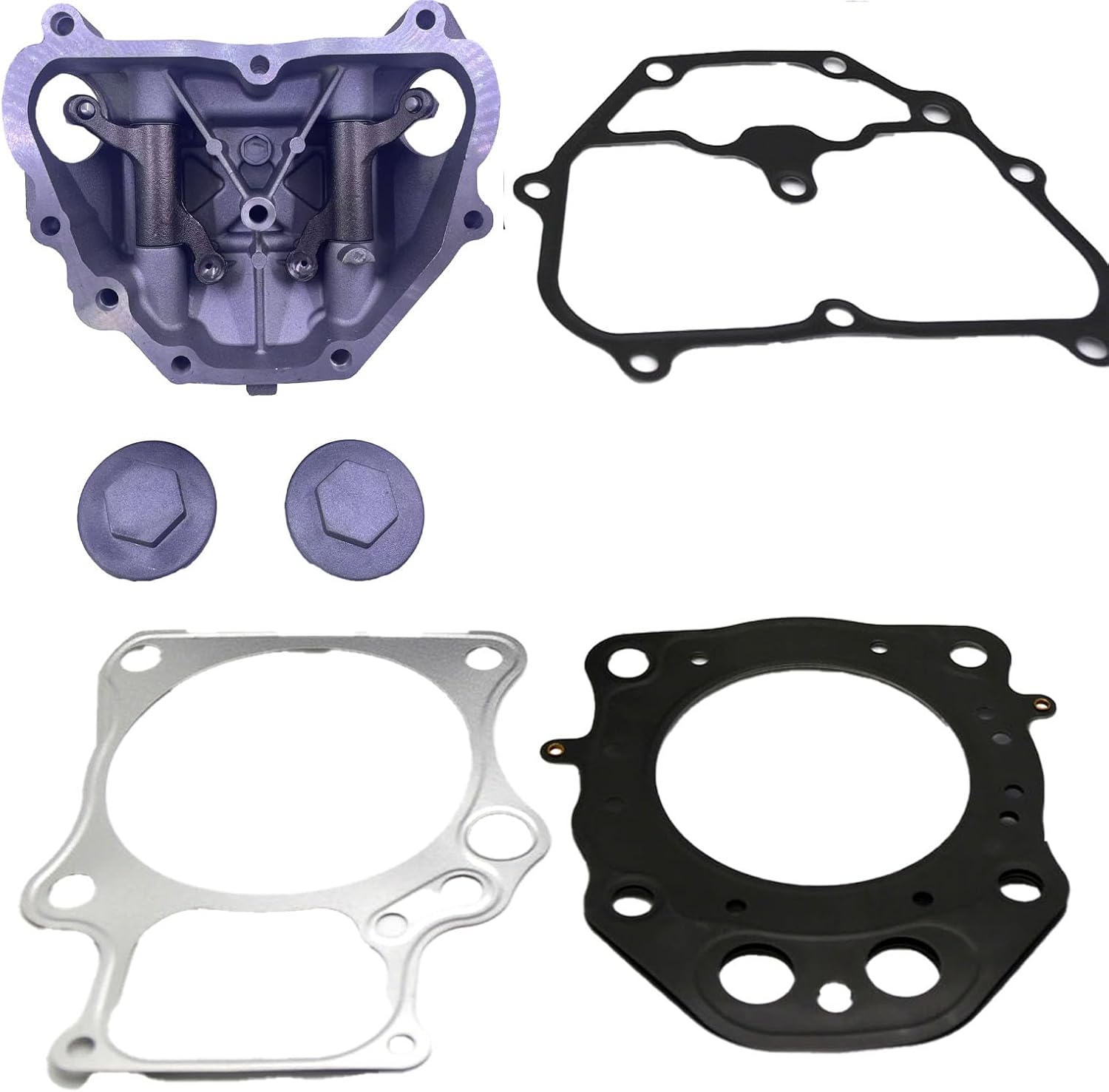
Not all cylinder head assemblies are created equal in terms of what’s included. A complete kit should contain the cylinder head itself, valve seals, valve springs, retainers, keepers, and a new head gasket. Some premium kits also include valve guides, pushrods, and even a valve lapping compound. Missing components mean additional purchases and labor, which can quickly add up. For example, worn valve stem seals are a common cause of oil burning in the GCV160, so replacing them during the head installation is highly advisable. A comprehensive kit saves time and ensures all critical wear items are addressed in one go. Always read the product description carefully to confirm what’s included before purchasing.
4. OEM vs. Aftermarket: Weighing the Pros and Cons
Choosing between OEM and aftermarket parts is one of the most important decisions you’ll make. OEM (Original Equipment Manufacturer) parts, such as those made by Honda, are engineered to exact factory specifications and undergo rigorous quality control. They offer the best fit, finish, and reliability, but often come with a higher price tag—typically 30–50% more than aftermarket alternatives. Aftermarket parts, on the other hand, can be more affordable and sometimes offer improved features, such as upgraded valve materials or better heat resistance. However, quality varies widely. Reputable aftermarket brands like Briggs & Stratton, Kohler, or specialized small engine suppliers often produce heads that meet or exceed OEM standards. Avoid no-name brands with vague descriptions or missing part numbers, as these are more likely to fail prematurely.
5. Warranty and Manufacturer Support
A solid warranty is a strong indicator of a manufacturer’s confidence in their product. Most reputable cylinder head assemblies come with a warranty ranging from 6 months to 2 years. OEM Honda parts typically include a 1-year warranty, while some aftermarket brands offer extended coverage. Pay attention to what the warranty covers—does it include defects in materials and workmanship? Is labor covered if the part fails prematurely? Also, consider the availability of customer support. Can you easily contact the manufacturer for troubleshooting or replacement? A company that stands behind its product with responsive support and a clear return policy is far more trustworthy than one with no contact information or vague warranty terms.
6. Performance and Efficiency Considerations
While the primary goal is to stop oil burning, the right cylinder head assembly can also improve engine performance. A well-machined head with optimized valve timing and airflow can enhance combustion efficiency, leading to better fuel economy, smoother operation, and increased power output. Some aftermarket heads are designed with performance in mind, featuring larger valves, improved porting, or enhanced cooling fins. However, for most GCV160 applications—like lawn mowers or pressure washers—stock performance is usually sufficient. Focus on reliability and proper sealing rather than chasing marginal gains. That said, if you’re using your equipment under heavy load or in extreme conditions, a performance-oriented head with better heat dissipation may be worth the investment.
7. Ease of Installation and Required Tools
Installing a cylinder head assembly isn’t a simple task—it requires mechanical skill, the right tools, and careful attention to torque specifications. Before buying, consider whether the kit includes installation instructions, torque specs, and a head bolt stretch gauge (if applicable). Some kits come with pre-assembled valves and springs, which simplifies the process, while others require you to press in valve guides and assemble components from scratch. If you’re not experienced with small engine repair, look for a kit that minimizes complexity. Additionally, ensure you have access to a torque wrench, feeler gauges, and possibly a valve spring compressor. Attempting the installation without the proper tools can lead to improper assembly, warped heads, or damaged threads.
8. User Reviews and Real-World Feedback
One of the best ways to gauge the quality of a cylinder head assembly is by reading user reviews from other GCV160 owners. Look for detailed reviews on platforms like Amazon, eBay, or small engine forums. Pay attention to comments about fitment, ease of installation, durability, and whether the oil burning issue was resolved. Be wary of products with only generic or overly positive reviews—these may be fake. Instead, focus on reviews that mention specific details, such as “fit perfectly on my 2018 Honda mower” or “stopped oil consumption after 50 hours of use.” Negative reviews can also be valuable—if multiple users report the same issue, such as warping or poor gasket sealing, it’s a red flag worth heeding.
Different Types of Buying Guide
Common Buying Mistakes to Avoid

❌ Mistake: Buying Based Solely on Price
Why it’s bad: Opting for the cheapest cylinder head assembly often leads to disappointment. Low-cost parts may use inferior materials, lack proper machining, or omit critical components like valve seals. This can result in continued oil burning, poor compression, or even engine damage. In the long run, a cheap part may cost more due to premature failure and additional labor.
What to do instead: Focus on value, not just price. Compare features, included components, and warranty coverage. A mid-range kit that includes all necessary parts and comes with a solid warranty often provides better long-term savings than the lowest-priced option.
❌ Mistake: Ignoring Valve Stem Seals
Why it’s bad: Worn valve stem seals are one of the most common causes of oil burning in the GCV160. If you replace the cylinder head but reuse old seals, oil will continue to seep into the combustion chamber. This undermines the entire repair and wastes time and money.
What to do instead: Always replace valve stem seals when installing a new cylinder head. Look for kits that include new seals, or purchase them separately if not included. This small step can make a huge difference in stopping oil consumption.
❌ Mistake: Overlooking Torque Specifications
Why it’s bad: Improper torque on head bolts can lead to warped heads, blown gaskets, or stripped threads. Over-tightening is especially dangerous with aluminum heads, which are more prone to distortion than cast iron.
What to do instead: Always use a torque wrench and follow the manufacturer’s specified torque sequence and values. If the kit doesn’t provide specs, consult a Honda service manual or reputable online resource. Never guess or use an impact wrench for final tightening.
❌ Mistake: Assuming All Aftermarket Parts Are Equal
Why it’s bad: The aftermarket is flooded with low-quality parts that mimic OEM designs but fall short in material and craftsmanship. These parts may look similar but fail prematurely under normal operating conditions.
What to do instead: Research brands thoroughly. Stick to reputable manufacturers with positive reviews and clear part numbers. Avoid generic listings with no brand name or vague descriptions like “fits Honda engines.”
❌ Mistake: Skipping the Head Gasket Replacement
Why it’s bad: Reusing an old head gasket, even with a new cylinder head, can lead to leaks, compression loss, and oil burning. Gaskets are designed for single use and lose their sealing properties after exposure to heat and pressure.
What to do instead: Always install a new head gasket. Ensure it’s the correct type (composite or multi-layer steel) and matches your engine’s specifications. Some kits include a gasket, but double-check before purchasing.
❌ Mistake: Not Checking for Warping or Cracks
Why it’s bad: Even a new cylinder head can have manufacturing defects like warping or micro-cracks. Installing a damaged head will result in poor sealing and continued performance issues.
What to do instead: Before installation, inspect the head on a flat surface using a straightedge and feeler gauge. Check for flatness across the mating surface. If you detect warping beyond 0.003 inches, return the part. Also, visually inspect for cracks, especially around valve seats and bolt holes.
❌ Mistake: Rushing the Installation Process
Why it’s bad: Cylinder head installation requires precision and patience. Rushing can lead to misaligned valves, damaged threads, or improper spring tension, all of which can cause engine failure.
What to do instead: Take your time. Follow a step-by-step guide, use the correct tools, and double-check each stage. If you’re unsure, consult a professional or watch detailed video tutorials specific to the GCV160.
Budget Guidelines: How Much Should You Spend?
- Entry-Level ($40 – $65): These are typically budget aftermarket heads or remanufactured units. While they can provide a temporary fix, expect shorter lifespan and potential quality issues. Best for infrequent use or as a stopgap solution. Look for kits that at least include a new head gasket and valve seals.
- Mid-Range ($70 – $110): This is the sweet spot for most buyers. Premium aftermarket kits in this range often match OEM quality and include all necessary components. Brands like MTD, Oregon, or specialized small engine suppliers offer reliable options with good warranties. Ideal for homeowners and light commercial users.
- Premium ($120 – $180): OEM Honda parts fall into this category. They offer the best fit, finish, and durability, backed by a manufacturer warranty. Recommended for those who prioritize longevity, resale value, or are repairing equipment under warranty.
- Luxury ($180+): High-performance or custom-machined heads designed for enhanced airflow and efficiency. These are overkill for most GCV160 applications but may appeal to enthusiasts or those using modified engines. Often include upgraded materials and precision porting.

Expert Tips for Getting the Best Deal
- Buy During Off-Season: Lawn equipment sees peak demand in spring and summer. Purchase your cylinder head assembly in fall or winter when prices are lower and inventory is more available.
- Check Multiple Retailers: Compare prices across Amazon, eBay, Northern Tool, and local small engine shops. Online marketplaces often have competitive pricing, but local stores may offer installation advice or bundle deals.
- Look for Bundled Kits: Some sellers offer cylinder head assemblies bundled with gaskets, seals, or even carburetor rebuild kits. These can save 10–20% compared to buying parts individually.
- Verify Return Policies: Ensure the seller accepts returns if the part doesn’t fit or arrives defective. Some online retailers charge restocking fees, so read the fine print.
- Consider Remanufactured Options: Remanufactured heads are professionally cleaned, inspected, and rebuilt to OEM standards. They’re often 30–40% cheaper than new OEM parts and come with warranties.
- Join Small Engine Forums: Communities like LawnSite or RepairClinic often share deals, reviews, and installation tips. Members sometimes sell unused parts at discounted rates.
- Ask About Core Charges: Some remanufactured parts include a core charge refund if you return your old head. This can reduce the effective price by $20–$40.
- Test Before Final Assembly: After installing the head, perform a compression test and check for leaks before reassembling the entire engine. This helps catch issues early.

Frequently Asked Questions
Q: Can I fix oil burning without replacing the entire cylinder head?
A: In some cases, yes. If the issue is solely worn valve stem seals, you can replace them without removing the head. However, if compression is low or the head is warped, a full replacement is usually necessary. Diagnose with a compression test and leak-down test first.
Q: How do I know if my GCV160 is burning oil due to the cylinder head?
A: Common signs include blue smoke from the exhaust, oil fouling on the spark plug, and frequent oil top-offs. A compression test showing low pressure in one cylinder also points to head or valve issues.
Q: Are aftermarket cylinder heads safe to use?
A: Yes, if they’re from a reputable brand and properly installed. Many aftermarket heads meet or exceed OEM standards. Avoid no-name parts with no reviews or specifications.
Q: How long does a cylinder head assembly last?
A: With proper maintenance, a quality head can last 500–1,000 hours of operation. Factors like fuel quality, operating conditions, and maintenance frequency play a big role.
Q: Can I install a cylinder head assembly myself?
A: Yes, if you have basic mechanical skills and the right tools. The process requires removing the engine cover, valve train, and head bolts. Follow a detailed guide and torque specs carefully.
Q: What’s the difference between a cylinder head and a cylinder head assembly?
A: The cylinder head is the aluminum block that covers the combustion chamber. The assembly includes the head plus valves, springs, seals, and sometimes guides. Kits labeled “assembly” are more complete.
Q: Will a new cylinder head improve fuel efficiency?
A: It can, especially if the old head had poor sealing or worn valves. Better compression and combustion efficiency lead to smoother operation and potentially lower fuel consumption.
Q: Do I need to lap the valves after installation?
A: It’s recommended, especially with new valves. Lapping ensures a tight seal between the valve and seat, improving compression and reducing oil consumption.
Q: Can I use a head from a different Honda engine model?
A: Generally, no. The GCV160 has unique dimensions and valve configurations. Using a head from a GCV190 or other model may not fit or function correctly.
Q: What should I do if my new head still burns oil?
A: Recheck installation, especially valve seals and torque specs. Also, inspect the piston rings—worn rings can also cause oil burning. A leak-down test can help pinpoint the issue.
Our Final Recommendations
- Best for Budget-Conscious Buyers: Oregon 49-777 Cylinder Head Kit – A reliable aftermarket option under $80, includes valves, seals, and gasket. Great for DIYers seeking value.
- Best Overall Value: MTD Genuine Parts Cylinder Head Assembly – Priced around $95, this kit offers OEM-like quality with a 1-year warranty and full component inclusion.
- Best Premium Option: Honda 12200-Z0L-811 OEM Cylinder Head – The gold standard for fit and durability. Ideal for professionals or those restoring equipment to factory condition.
- Best for Beginners: RepairClinic Complete Cylinder Head Kit – Comes with detailed instructions, torque specs, and all necessary parts. Perfect for first-time installers.
- Best for Advanced Users: Performance Plus Aluminum Head with Upgraded Valves – Features larger intake valves and improved porting for enhanced airflow. Best for modified engines or high-load applications.
Conclusion: Making the Right Choice
Selecting the right cylinder head assembly for your Honda GCV160 engine is a critical decision that affects not only oil consumption but also overall engine health and longevity. By understanding the key factors—compatibility, material quality, included components, and warranty—you can avoid costly mistakes and choose a solution that delivers real value. Whether you opt for an OEM part for peace of mind or a well-reviewed aftermarket kit for affordability, the key is to prioritize quality and completeness over the lowest price.
Remember, stopping oil burning isn’t just about replacing the head—it’s about addressing all contributing factors, from valve seals to proper installation. Take the time to diagnose the issue thoroughly, invest in a complete kit, and follow best practices during assembly. With the right part and careful attention to detail, your GCV160 can run cleaner, smoother, and more efficiently for years to come.
Don’t let a burning oil problem sideline your equipment. Use this guide to make an informed choice, and get back to work with confidence. Your engine—and your wallet—will thank you.