
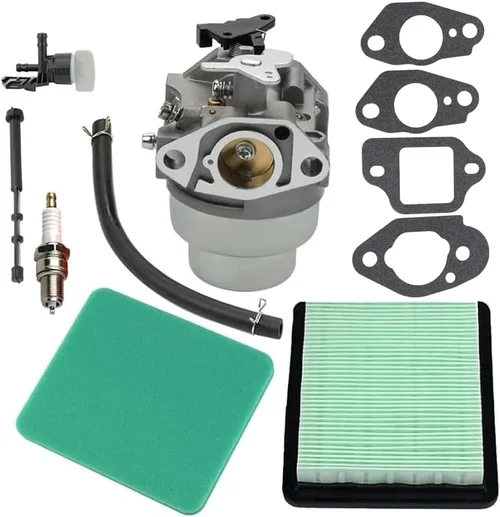
If your Honda GCV160 engine starts but then dies shortly after, you’re not alone—this is one of the most common small engine issues faced by homeowners, landscapers, and DIY enthusiasts alike. The GCV160 powers a wide range of equipment, from lawn mowers and pressure washers to generators and water pumps, making it a workhorse in many garages and tool sheds. When it fails to run smoothly—especially when it starts but stalls almost immediately—the culprit is often a malfunctioning carburetor. Over time, fuel residue, dirt, moisture, and ethanol-blended gasoline can clog jets, gum up internal passages, or warp delicate components, leading to poor fuel delivery and erratic engine behavior.
Replacing the carburetor might seem like a daunting task, especially if you’re not mechanically inclined. But with the right guidance, it’s a manageable fix that can save you hundreds in repair bills and extend the life of your equipment. This comprehensive buying guide is designed to walk you through every step of selecting the best replacement carburetor for your GCV160 engine—whether you’re dealing with a stubborn stall, hard starting, or inconsistent idle. We’ll cover what to look for, how to avoid costly mistakes, and which models offer the best value, performance, and reliability.
By the end of this guide, you’ll have a clear understanding of the key factors that determine carburetor quality, how different types compare, and what price range makes sense for your needs. Whether you’re a weekend warrior tackling lawn care or a professional maintaining a fleet of equipment, this guide will equip you with expert-level knowledge to make a confident, informed decision. The market is flooded with options—from OEM Honda parts to aftermarket clones—and knowing the difference can mean the difference between a quick fix and repeated frustration.

What to Look for When Buying Buying Guide
1. Compatibility with GCV160 Engine
The most critical factor when choosing a replacement carburetor is ensuring it’s fully compatible with your Honda GCV160 engine. Even small deviations in mounting holes, fuel inlet size, or throttle linkage design can prevent proper installation or cause operational issues. The GCV160 uses a specific float-type carburetor with a 22mm bore and a vacuum-operated fuel pump, so any replacement must match these specifications exactly. Always verify the part number—common OEM numbers include 16100-Z0L-814 or 16100-Z0L-815—and cross-reference with your engine’s model and serial number, which are typically stamped on the engine shroud. Using an incompatible carburetor may result in poor performance, fuel leaks, or even engine damage due to incorrect air-fuel mixture.
2. OEM vs. Aftermarket: Weighing the Options
You’ll typically find two main categories of carburetors: genuine OEM (Original Equipment Manufacturer) parts from Honda and aftermarket alternatives from third-party manufacturers. OEM carburetors are built to Honda’s exact specifications and undergo rigorous quality control, ensuring reliable performance and longevity. They’re ideal for users who prioritize reliability and don’t mind paying a premium. However, OEM parts can cost significantly more—often 2–3 times the price of aftermarket options. Aftermarket carburetors, on the other hand, are more affordable and widely available. Many are designed as direct replacements and perform just as well as OEM units. The key is to choose reputable brands like Walbro, Zama, or Briggs & Stratton, which have established track records in small engine components. Avoid ultra-cheap, no-name brands that may use inferior materials or lack precision machining.
3. Build Quality & Durability
The materials and construction of a carburetor directly impact its lifespan and resistance to wear. High-quality carburetors are typically made from die-cast aluminum or zinc alloy, which resist corrosion and maintain dimensional stability under varying temperatures. Look for units with brass float valves and stainless steel internal components, as these materials are less prone to degradation from modern ethanol-blended fuels. Poorly made carburetors may use plastic floats or thin metal that warps over time, leading to fuel leaks or inconsistent fuel delivery. Additionally, check for smooth throttle shaft movement and tight seals—any play or looseness can cause air leaks, resulting in a lean condition that makes the engine run hot and stall. A well-built carburetor should feel solid in your hand, with no visible cracks, dents, or rough edges.
4. Performance Specifications
Not all carburetors perform the same, even if they fit your engine. Key performance factors include fuel flow rate, idle stability, and throttle response. The GCV160 operates best with a carburetor that delivers a consistent air-fuel mixture across its RPM range, especially during cold starts and under load. Look for models with adjustable idle and mixture screws, which allow for fine-tuning to match your specific operating conditions. Some aftermarket carburetors come pre-calibrated for the GCV160, while others may require minor adjustments. Pay attention to the main jet size and emulsion tube design—these components influence how fuel is atomized and mixed with air. A carburetor with a well-designed venturi and accelerator pump will provide smoother acceleration and reduce hesitation when the throttle is opened quickly.
5. Ease of Installation
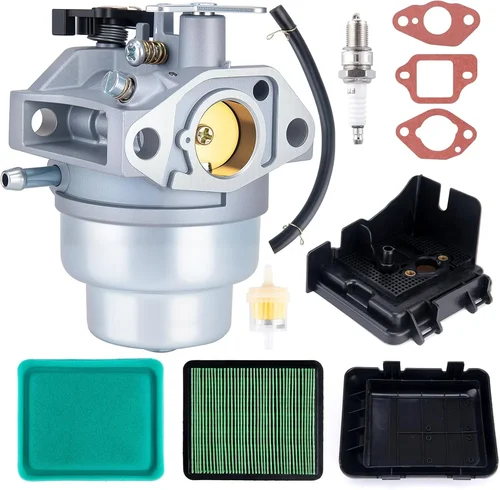
Even the best carburetor is useless if it’s difficult to install. Consider how much time and effort you’re willing to invest. Most GCV160 carburetors are bolt-on replacements, requiring only basic hand tools like a socket wrench and screwdriver. However, some models may require additional steps, such as reconnecting the fuel line, adjusting the choke linkage, or replacing gaskets. Look for carburetors that come with a complete installation kit, including new gaskets, O-rings, and mounting hardware. Clear instructions or online video tutorials can also make a big difference, especially for first-time installers. If you’re not confident in your mechanical skills, consider purchasing a carburetor from a seller that offers technical support or a detailed installation guide.
6. Brand Reputation & Reliability
Not all aftermarket brands are created equal. Stick with manufacturers known for producing reliable small engine parts. Brands like Honda (OEM), Walbro, Zama, and Kohler have decades of experience and positive user feedback. Reading customer reviews on platforms like Amazon, eBay, or small engine forums can provide valuable insights into real-world performance. Pay attention to comments about longevity, ease of tuning, and whether the carburetor resolved the original stalling issue. Avoid brands with a high number of complaints about poor fit, premature failure, or lack of customer service. A reputable brand may cost a bit more upfront, but it can save you time, frustration, and money in the long run.
7. Warranty & Support
A solid warranty is a strong indicator of a manufacturer’s confidence in their product. Most quality carburetors come with a 1-year warranty, covering defects in materials and workmanship. Some premium brands even offer 2-year or lifetime warranties. Check the warranty terms carefully—some may require proof of purchase, professional installation, or registration within a certain timeframe. Additionally, consider the availability of customer support. Can you easily contact the seller if you have questions? Do they offer replacement parts or troubleshooting help? A responsive support team can be invaluable if you encounter installation issues or need advice on tuning. Avoid sellers with no return policy or vague warranty information.
8. Price vs. Value
While price is an important consideration, it shouldn’t be the only one. A cheap carburetor might save you $20 today but could fail within months, costing you more in replacements and downtime. Conversely, the most expensive option isn’t always the best. Focus on value—what you’re getting for your money. A mid-priced carburetor from a reputable brand often offers the best balance of quality, performance, and affordability. Compare features like included gaskets, adjustability, and warranty length across different price points. Remember, a well-chosen carburetor can extend the life of your engine and improve fuel efficiency, making it a worthwhile investment.
Different Types of Buying Guide

Common Buying Mistakes to Avoid
❌ Mistake: Buying Based Solely on Price
Why it’s bad: Opting for the cheapest carburetor available often leads to disappointment. Low-cost units may use substandard materials, have poor tolerances, or lack proper calibration, resulting in repeated stalling, hard starting, or premature failure. You may end up spending more in the long run by replacing the carburetor multiple times.
What to do instead: Focus on value, not just cost. Compare features, warranty, and brand reputation. A $50 carburetor from a trusted brand is often a better investment than a $25 no-name alternative.
❌ Mistake: Ignoring Compatibility Details
Why it’s bad: Even if a carburetor looks similar, minor differences in mounting, linkage, or fuel inlet can make it incompatible. Installing the wrong model can damage your engine or create safety hazards like fuel leaks.
What to do instead: Always verify the part number and compare physical dimensions. Use your engine’s model and serial number to confirm compatibility. When in doubt, consult the manufacturer or a certified technician.
❌ Mistake: Overlooking the Need for Gaskets and Seals
Why it’s bad: Reusing old gaskets can lead to air leaks, which disrupt the air-fuel mixture and cause the engine to run lean—often resulting in stalling or overheating. Many buyers forget to replace these small but critical components.
What to do instead: Purchase a carburetor kit that includes new gaskets, O-rings, and mounting hardware. If not included, buy a separate gasket set compatible with the GCV160.
❌ Mistake: Skipping the Cleaning Step
Why it’s bad: Some users assume a new carburetor will solve all problems, but if the fuel tank, lines, or filter are clogged, the new unit may fail prematurely. Contaminants can quickly clog the new carburetor’s jets.
What to do instead: Before installing the new carburetor, clean the fuel tank, replace the fuel filter, and flush the fuel lines. Consider using a fuel system cleaner to remove any residual deposits.
❌ Mistake: Not Adjusting the Carburetor After Installation
Why it’s bad: Even high-quality carburetors may require fine-tuning to match your engine’s specific conditions. Running without proper adjustment can lead to poor performance, excessive fuel consumption, or engine damage.
What to do instead: After installation, adjust the idle speed and mixture screws according to the manufacturer’s specifications. Use a tachometer if possible for precise tuning.
❌ Mistake: Buying from Unreliable Sellers
Why it’s bad: Purchasing from unknown online sellers or auction sites increases the risk of receiving counterfeit, damaged, or incorrect parts. You may also have no recourse if the product fails.
What to do instead: Buy from reputable retailers like Amazon, eBay (with high seller ratings), or authorized Honda dealers. Check return policies and customer reviews before purchasing.
❌ Mistake: Assuming All Aftermarket Carburetors Are Equal
Why it’s bad: The aftermarket is flooded with low-quality clones that mimic the appearance of premium brands but lack the engineering and materials. These can fail within weeks.
What to do instead: Stick to well-known brands with positive reviews. Look for certifications or mentions of compliance with OEM standards.
Budget Guidelines: How Much Should You Spend?
- Entry-Level ($20 – $35): These are typically economy aftermarket carburetors or universal-fit models. They’re suitable for occasional use or as a temporary fix. Expect basic materials, limited adjustability, and shorter lifespan. Best for users on a tight budget or those testing a repair before investing more.
- Mid-Range ($40 – $70): This is the sweet spot for most buyers. You’ll find high-quality aftermarket carburetors from reputable brands like Walbro or Zama. These offer excellent performance, durability, and often include installation kits. Ideal for homeowners and light commercial users.
- Premium ($70 – $120): This tier includes OEM Honda carburetors and top-tier aftermarket models with advanced features. They offer the best build quality, precise calibration, and long-term reliability. Recommended for professionals, frequent users, or those who want peace of mind.
- Luxury ($120+): While rare for GCV160 applications, some specialty or performance carburetors fall into this range. These may include enhanced fuel delivery systems or custom tuning options. Generally unnecessary for standard use but may appeal to enthusiasts or competitive users.
Expert Tips for Getting the Best Deal
- Buy During Off-Season: Prices for small engine parts often drop in late fall and winter when demand is low. Stock up during these months for better deals.
- Check Multiple Retailers: Compare prices on Amazon, eBay, Home Depot, and small engine specialty stores. Use price tracking tools to monitor fluctuations.
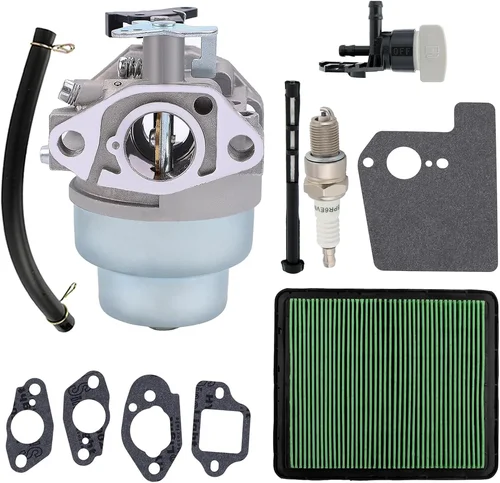
- Look for Bundles: Some sellers offer carburetor kits that include gaskets, fuel filters, and cleaning supplies. These can save you money and ensure you have everything needed for installation.
- Read Return Policies: Ensure the seller accepts returns if the carburetor doesn’t fit or perform as expected. Avoid sellers with restocking fees or short return windows.
- Verify Seller Ratings: On platforms like eBay or Amazon, check the seller’s feedback score and read recent reviews. A high rating with detailed comments is a good sign.
- Consider Refurbished Options: Reconditioned carburetors from reputable sources can offer OEM-like performance at a lower price. Ensure they come with a warranty and have been tested.
- Ask for Help: If you’re unsure, contact the seller or a small engine technician. Many are happy to help confirm compatibility or offer installation tips.
- Keep Your Old Carburetor: Even if it’s faulty, the old unit can serve as a reference for installation or be rebuilt later. Some repair shops offer core credit for returns.

Frequently Asked Questions
Q: Can I clean my GCV160 carburetor instead of replacing it?
A: Yes, in many cases, a thorough cleaning can restore functionality. Use a carburetor cleaner spray to dissolve deposits, and consider ultrasonic cleaning for deep cleaning. However, if the carburetor is warped, has damaged jets, or continues to fail after cleaning, replacement is the better long-term solution.
Q: How do I know if my carburetor is the real problem?
A: Symptoms like starting then dying, rough idle, or black smoke often point to carburetor issues. Rule out other causes first: check the fuel filter, spark plug, air filter, and fuel quality. If those are fine, the carburetor is likely the culprit.
Q: Will an aftermarket carburetor void my warranty?
A: It depends on the manufacturer’s policy. Some warranties require OEM parts, while others allow aftermarket components as long as they meet specifications. Check your warranty documentation or contact the manufacturer.
Q: How long does a GCV160 carburetor last?
A: With proper maintenance, a quality carburetor can last 5–10 years. Factors like fuel quality, storage conditions, and usage frequency play a big role. Ethanol-blended fuels can shorten lifespan due to corrosion and varnish buildup.
Q: Do I need special tools to install a new carburetor?
A: Basic hand tools like a socket set, screwdriver, and pliers are usually sufficient. A torque wrench is helpful but not required. Most installations take 30–60 minutes for experienced users.
Q: Can I adjust the carburetor myself?
A: Yes, most GCV160 carburetors have adjustable idle and mixture screws. Start with the factory settings and make small adjustments while the engine is running. Consult your engine manual for specific procedures.
Q: What if the new carburetor still doesn’t work?
A: Double-check installation, ensure all connections are secure, and verify fuel flow. If problems persist, there may be an underlying issue like a faulty fuel pump, clogged line, or ignition problem. Consider professional diagnosis.
Q: Are there eco-friendly carburetor options?
A: Reconditioned or remanufactured carburetors are a sustainable choice, reducing waste and resource use. Some manufacturers also offer lead-free or low-emission designs.
Q: Can I use a carburetor from a different engine model?
A: Generally, no. Even small differences in design can cause performance issues or damage. Always use a carburetor specifically designed for the GCV160.
Q: Where can I find installation instructions?
A: Many sellers provide PDF manuals or video links. Honda’s official website also offers service manuals for GCV160 engines. YouTube is another excellent resource for step-by-step tutorials.
Our Final Recommendations
- Best for Budget-Conscious Buyers: Walbro WT-386A Carburetor – Reliable, affordable, and widely praised for performance. Includes gaskets and fits GCV160 perfectly.
- Best Overall Value: Zama C1Q-S7A Carburetor – Excellent build quality, precise calibration, and comes with a 1-year warranty. A top choice for DIYers and pros alike.
- Best Premium Option: OEM Honda 16100-Z0L-814 Carburetor – The gold standard in compatibility and durability. Ideal for warranty-sensitive users or those who demand perfection.
- Best for Beginners: Briggs & Stratton 796292 Carburetor Kit – Comes with detailed instructions, all necessary gaskets, and is designed for easy installation. Great for first-time users.
- Best for Advanced Users: Custom-Tuned Walbro Carburetor with Adjustable Emulsion Tube – For those who want to fine-tune performance for specific conditions, such as high altitude or heavy load.
Conclusion: Making the Right Choice
Choosing the right replacement carburetor for your Honda GCV160 engine doesn’t have to be overwhelming. By focusing on compatibility, build quality, brand reputation, and value, you can find a solution that restores your engine’s performance and prevents future stalling issues. Remember, the goal isn’t just to get your equipment running again—it’s to ensure it runs reliably for years to come.
Take the time to assess your needs, budget, and mechanical comfort level. Don’t rush into the cheapest option or assume all aftermarket parts are equal. Use the insights from this guide to compare options, avoid common pitfalls, and make a confident decision. Whether you’re a weekend gardener or a professional landscaper, the right carburetor can make all the difference in performance, efficiency, and peace of mind.
Finally, don’t forget the importance of proper installation and maintenance. Even the best carburetor won’t last if your fuel system is dirty or your engine is poorly tuned. Follow the manufacturer’s guidelines, keep your equipment clean, and address issues early. With the right part and a little care, your GCV160 will keep humming along season after season.
Now that you’re equipped with expert knowledge, it’s time to take action. Browse trusted retailers, compare your top choices, and get your engine back in top shape. Your tools—and your lawn—will thank you.