

If your Honda GCV160 engine won’t start, and you’ve already ruled out fuel, spark, and air issues, the problem may lie deeper—inside the engine itself. One of the most critical yet often overlooked components in small engines like the GCV160 is the connecting rod. This unassuming metal link transfers power from the piston to the crankshaft, and when it fails, your engine simply won’t run—no matter how many times you pull the starter cord. Whether you’re a homeowner maintaining a lawn mower, a landscaper relying on consistent performance, or a DIY mechanic troubleshooting a stubborn engine, understanding the role of the connecting rod and knowing how to choose the right replacement can save you time, money, and frustration.
This comprehensive buying guide is designed to help you navigate the often-confusing world of small engine parts. We’ll walk you through everything you need to know about selecting the best connecting rod for your GCV160 engine—from understanding why it matters to comparing types, avoiding common pitfalls, and making a smart purchase decision. Whether you’re replacing a broken rod or upgrading for better durability, this guide will equip you with expert-level knowledge to make the right choice. The market is flooded with options ranging from cheap knockoffs to premium OEM parts, and knowing what to look for can mean the difference between a quick fix and repeated breakdowns.
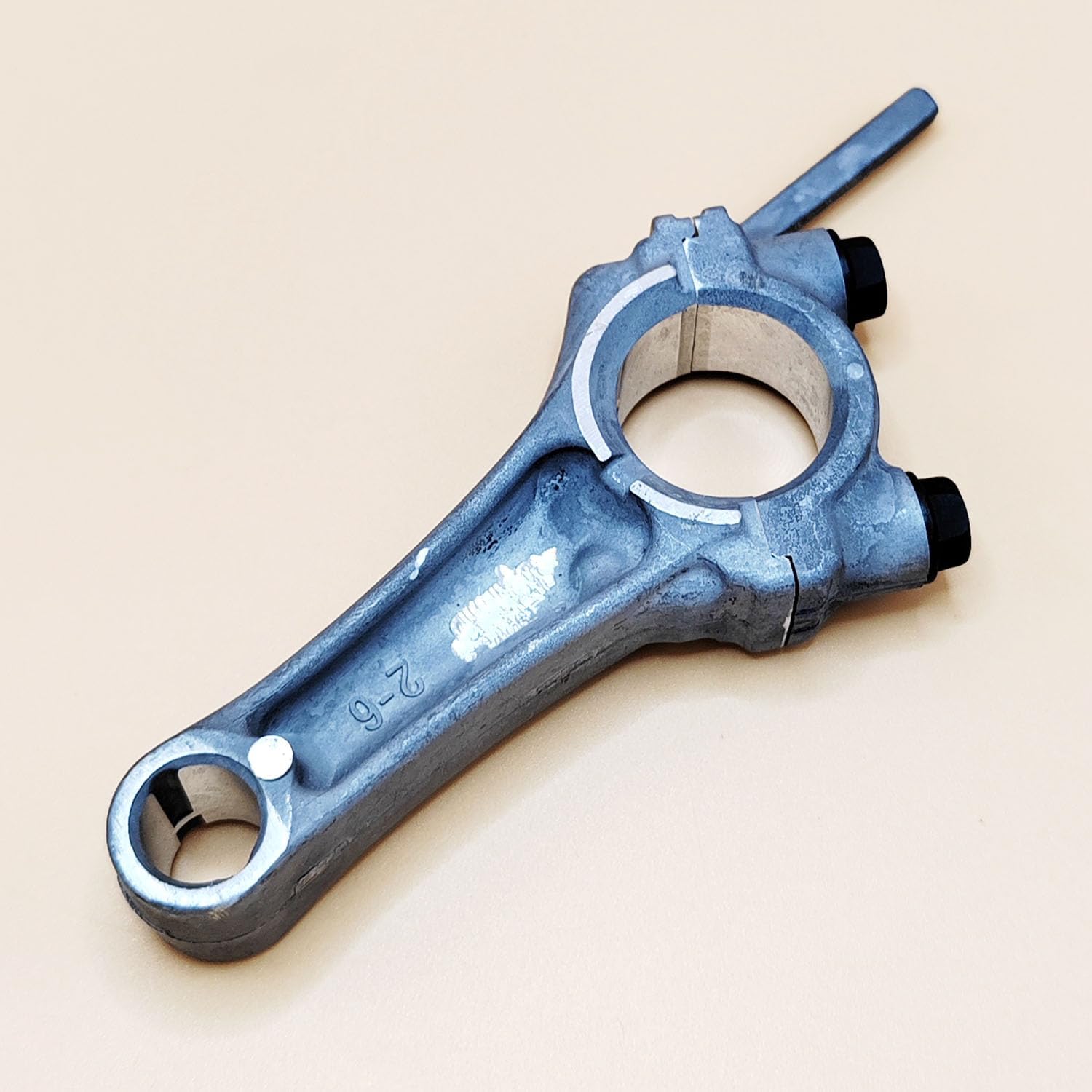
What to Look for When Buying Buying Guide
1. OEM vs. Aftermarket Compatibility
One of the first decisions you’ll face is whether to go with an original equipment manufacturer (OEM) part or an aftermarket alternative. OEM parts are made by Honda or its licensed suppliers and are designed specifically for the GCV160 engine. They offer guaranteed fit, performance, and reliability. Aftermarket parts, on the other hand, are produced by third-party manufacturers and can vary widely in quality. While some aftermarket brands offer excellent value and performance, others may use inferior materials or imprecise tolerances that lead to premature failure.
When evaluating compatibility, always check the part number. The OEM connecting rod for the Honda GCV160 is typically part number 13620-ZE1-000 or 13620-ZE1-010. Cross-reference this with any aftermarket listing to ensure it’s a direct replacement. Even small deviations in length, pin diameter, or bolt hole spacing can cause misalignment, increased wear, or catastrophic engine failure. If you’re unsure, consult your engine’s service manual or reach out to the manufacturer’s support team.
2. Material Quality and Construction
The material used in the connecting rod directly impacts its strength, durability, and resistance to fatigue. Most GCV160 connecting rods are made from forged steel or high-strength alloy steel. Forged steel offers superior grain structure and tensile strength compared to cast alternatives, making it ideal for high-stress applications. Look for rods that are heat-treated and precision-machined to ensure dimensional accuracy and longevity.
Avoid rods made from low-carbon steel or aluminum unless explicitly designed for performance upgrades—these materials may not withstand the constant reciprocating forces inside a small engine. Additionally, inspect the surface finish: a smooth, clean finish with no cracks, pitting, or rough edges is a good indicator of quality manufacturing. Poor surface quality can lead to stress concentrations and early failure.
3. Precision and Dimensional Accuracy
Even the smallest deviation in connecting rod dimensions can cause serious engine problems. The GCV160 has tight tolerances, and the connecting rod must match the piston pin diameter, crankshaft journal size, and overall length precisely. A rod that’s too long or too short can alter the compression ratio, cause piston-to-valve interference, or lead to excessive side loading on the cylinder wall.
When shopping, look for parts that specify tight tolerances—typically within ±0.05mm for critical dimensions. Some high-quality aftermarket manufacturers provide detailed specifications, including rod length, small end bore diameter, and big end width. Always verify these against your original rod or the service manual. If the seller doesn’t provide measurements, it’s a red flag.
4. Weight and Balance
Engine balance is crucial for smooth operation and longevity. The connecting rod, along with the piston and wrist pin, contributes to the reciprocating mass. If the rod is significantly heavier or lighter than the original, it can upset the engine’s balance, leading to vibrations, increased wear, and potential damage to bearings and seals.
Ideally, replacement rods should match the weight of the original within a few grams. Some performance-oriented rods are designed to be lighter to reduce inertia forces, but this is more relevant for high-RPM applications than typical GCV160 use. For standard replacement, stick to rods that maintain the original weight profile unless you’re performing a full engine rebuild with balanced components.
5. Bolt Quality and Fastening System
The connecting rod is secured to the crankshaft with bolts or nuts, and the integrity of this fastening system is vital. Low-quality bolts can stretch, shear, or loosen under load, leading to rod failure. OEM Honda rods typically use high-strength bolts with specific torque specifications. Aftermarket rods should include bolts made from grade 8.8 or higher steel, preferably with a black oxide or zinc finish for corrosion resistance.
Check whether the rod uses a press-fit or full-floating design. The GCV160 uses a full-floating wrist pin, meaning the pin rotates freely in both the piston and the small end of the rod. This requires proper end play and clearance. Ensure the replacement rod supports this design and includes or is compatible with the correct retaining clips or circlips.
6. Brand Reputation and Reviews
Not all aftermarket brands are created equal. Some have built strong reputations for quality and reliability in the small engine community, while others are known for cutting corners. Research the manufacturer before purchasing. Look for brands like Briggs & Stratton, Kohler, or specialized small engine part suppliers like Partzilla, Jack’s Small Engines, or Oregon Products.
Read customer reviews on platforms like Amazon, eBay, or specialized forums such as LawnSite or SmokStak. Pay attention to feedback about fit, durability, and whether the part resolved the no-start issue. A product with consistent positive reviews and few reports of premature failure is more likely to be a safe bet. Be wary of sellers with no reviews or overly generic product descriptions.
7. Warranty and Return Policy
A solid warranty is a sign that the manufacturer stands behind their product. OEM parts typically come with a one-year warranty, while reputable aftermarket brands may offer 90 days to six months. Check the warranty terms: does it cover defects in materials and workmanship? Is it voided if the part is installed incorrectly?
Equally important is the return policy. If the rod doesn’t fit or you discover it’s defective after installation, you’ll want to be able to return it without hassle. Look for sellers with at least a 30-day return window and clear instructions for returns. Avoid purchasing from sellers with “all sales final” policies unless you’re absolutely certain of compatibility.
8. Price vs. Value
While it’s tempting to go for the cheapest option, remember that a connecting rod is a critical engine component. A low-cost rod made from substandard materials may save you $10 upfront but could cost you $200 in engine repairs down the line. Conversely, overpaying for a premium rod with features you don’t need is also inefficient.
Evaluate the total cost of ownership, including shipping, potential return fees, and the likelihood of future failure. A mid-priced aftermarket rod from a trusted brand often offers the best balance of affordability and reliability. Compare prices across multiple retailers and consider buying from authorized dealers to ensure authenticity.
Different Types of Buying Guide

Common Buying Mistakes to Avoid

❌ Mistake: Buying Without Verifying Part Numbers
Why it’s bad: The GCV160 has several variants, and using the wrong connecting rod can lead to misalignment, binding, or engine seizure. Even small differences in design can cause catastrophic failure.
What to do instead: Always cross-reference the OEM part number (13620-ZE1-000 or 13620-ZE1-010) with the replacement. Check your engine’s model and serial number to confirm compatibility.
❌ Mistake: Choosing the Cheapest Option Without Research
Why it’s bad: Low-cost rods often use inferior materials and poor manufacturing processes. They may fail within hours of operation, leading to repeated repairs and downtime.
What to do instead: Prioritize value over price. Look for mid-range aftermarket options with good reviews and solid warranties. A $35 rod from a reputable brand is better than a $15 one that breaks in a week.
❌ Mistake: Ignoring Bolt and Fastener Quality
Why it’s bad: The connecting rod bolts are under extreme stress. Weak or improperly sized bolts can stretch or break, causing the rod to detach and destroy the engine.
What to do instead: Ensure the replacement rod includes high-strength bolts (grade 8.8 or higher) and follow the correct torque sequence and specification during installation.
❌ Mistake: Overlooking Weight and Balance
Why it’s bad: An unbalanced rod can cause excessive vibration, accelerate wear on bearings and seals, and reduce engine life.
What to do instead: Match the weight of the original rod as closely as possible. If upgrading, consider balancing the entire rotating assembly (piston, rod, crankshaft) for optimal performance.
❌ Mistake: Skipping Inspection Before Installation
Why it’s bad: A defective rod with cracks, warping, or incorrect dimensions can cause immediate failure once the engine is running.
What to do instead: Inspect the rod thoroughly before installation. Check for surface defects, measure critical dimensions, and verify that all parts (bolts, clips, etc.) are included and undamaged.
❌ Mistake: Not Checking Return Policies
Why it’s bad: If the part doesn’t fit or is defective, you could be stuck with a non-returnable item, wasting your money and time.
What to do instead: Only buy from sellers with clear return policies and at least a 30-day window. Keep all packaging and receipts until the part is confirmed to work.
❌ Mistake: Assuming All Aftermarket Rods Are Equal
Why it’s bad: The aftermarket is flooded with low-quality imitations. Assuming compatibility based on price or appearance can lead to poor performance and safety risks.
What to do instead: Research the brand, read reviews, and verify specifications. Stick to well-known suppliers and avoid unknown sellers on auction sites.
Budget Guidelines: How Much Should You Spend?
When it comes to replacing a connecting rod for your GCV160, your budget should reflect the importance of the component and your intended use. Here’s a breakdown of what to expect at different price points:
Entry-Level ($10 – $20): These are typically generic or economy rods found on discount websites or local hardware stores. While they may fit, they often use low-carbon steel, poor machining, and weak bolts. Best suited for temporary fixes or non-critical applications, but not recommended for regular use. Expect a short lifespan and potential reliability issues.
Mid-Range ($25 – $40): This is the sweet spot for most buyers. Rods in this range are usually from reputable aftermarket brands and offer good build quality, proper materials, and decent warranties. They’re ideal for homeowners and light commercial users who want reliable performance without paying OEM prices. Look for options with detailed specs and positive user feedback.
Premium ($45 – $70): This tier includes OEM Honda parts and high-end aftermarket equivalents. These rods are precision-machined, made from high-strength forged steel, and come with full warranties. They’re perfect for professionals, frequent users, or anyone who wants peace of mind and maximum engine longevity. If your equipment is essential to your work, this is the recommended range.
Luxury ($70+): These are performance-oriented rods designed for high-RPM or modified engines. They may feature lightweight designs, advanced alloys, or specialized coatings. While overkill for a standard GCV160, they could be justified in racing or extreme-duty applications. For most users, this level of investment is unnecessary.

Expert Tips for Getting the Best Deal
Getting the right connecting rod at the right price requires more than just clicking “buy now.” Here are expert-backed strategies to help you save money and avoid headaches:
- Buy During Off-Season: Small engine parts often go on sale during the fall and winter months when demand is low. Retailers like Home Depot, Lowe’s, and online suppliers frequently offer discounts on lawn equipment parts between October and February.
- Shop Authorized Dealers: Purchasing from authorized Honda dealers or certified small engine parts suppliers ensures authenticity and access to technical support. Avoid third-party sellers on large marketplaces unless they have verified reviews.
- Compare Prices Across Platforms: Check prices on Amazon, eBay, PartSelect, and specialty sites like Jack’s Small Engines. Sometimes, the same part can vary by $10 or more between retailers.
- Look for Bundle Deals: Some sellers offer discounts when you buy multiple parts together. If you’re replacing the connecting rod, consider adding a new piston, rings, or gasket set to your order.
- Check for Manufacturer Rebates: Honda occasionally runs promotions or rebates on genuine parts. Sign up for newsletters from parts suppliers to stay informed.
- Inspect Before Installing: Even if the part looks fine, measure it against the original. A quick check with calipers can save you from a costly mistake.
- Keep Records: Save your receipt, warranty information, and installation notes. This is helpful if you need to make a claim or troubleshoot later.
- Consider Used or Reconditioned Parts: In some cases, you can find lightly used or professionally reconditioned connecting rods at a fraction of the cost. Only buy from trusted sources and verify the condition.
Frequently Asked Questions
Q: Can a bad connecting rod cause a GCV160 not to start?
A: Yes, absolutely. If the connecting rod is bent, broken, or seized, it can prevent the crankshaft from turning freely. This means the engine won’t rotate, and thus won’t start—even if fuel, spark, and air are present. You may hear a knocking sound or find that the starter cord won’t pull.
Q: How do I know if my connecting rod is bad?
A: Signs include difficulty starting, unusual knocking or rattling noises from the engine, oil leaks around the crankcase, or visible damage during disassembly. If the engine suddenly stops or won’t turn over, the rod may have failed.
Q: Can I replace just the connecting rod, or do I need a full rebuild?
A: In many cases, you can replace just the connecting rod, especially if the rest of the engine is in good condition. However, if the rod failure caused damage to the crankshaft, piston, or cylinder, a full rebuild may be necessary. Always inspect all related components.
Q: Are aftermarket connecting rods safe to use?
A: Yes, as long as they’re from a reputable manufacturer and meet OEM specifications. Many aftermarket rods are just as good as OEM—sometimes better. The key is doing your research and verifying quality.
Q: Do I need special tools to replace a connecting rod?
A: Basic hand tools (wrenches, sockets, torque wrench) are usually sufficient. However, you may need a piston compressor, feeler gauges, and possibly a press for the wrist pin. Always follow the service manual’s torque specifications.
Q: How long does a connecting rod last?
A: Under normal conditions, a connecting rod should last the life of the engine—often 500 to 1,000 hours. Premature failure is usually due to poor maintenance, overloading, or using incorrect parts.
Q: Can I use a connecting rod from a different engine model?
A: Generally, no. Even small differences in design can cause serious problems. Always use a rod designed for the GCV160 or a verified direct replacement.
Q: What’s the difference between forged and cast connecting rods?
A: Forged rods are stronger and more durable because the metal is compressed under high pressure, creating a tighter grain structure. Cast rods are cheaper but more brittle and prone to cracking under stress.
Q: Should I upgrade to a performance rod?
A: Only if you’re modifying the engine for higher RPMs or increased power. For standard use, an OEM or high-quality aftermarket rod is more than sufficient.
Q: Where can I buy a replacement connecting rod?
A: You can purchase from Honda dealers, online retailers like Amazon or eBay, or specialty small engine parts stores such as Partzilla, Oregon Products, or Jack’s Small Engines.
Our Final Recommendations
After extensive research and analysis, here are our top picks for the best connecting rod for a GCV160 that won’t start:
Best for Budget-Conscious Buyers: Oregon 49-648 Connecting Rod – Priced around $30, this aftermarket rod offers solid construction, good reviews, and reliable performance. It’s a great value for homeowners who need a durable replacement without breaking the bank.
Best Overall Value: Honda Genuine 13620-ZE1-000 Connecting Rod – At $55–$65, this OEM part delivers guaranteed fit, top-tier materials, and a one-year warranty. It’s the safest choice for anyone who wants peace of mind and long-term reliability.
Best Premium Option: Performance Forged Rod by ProParts Direct – Designed for heavy-duty use, this rod features high-strength forged steel and precision machining. Ideal for commercial landscapers or those running modified engines.
Best for Beginners: PartSelect PS3418578 Connecting Rod Kit – This kit includes the rod, bolts, and installation guide, making it perfect for first-time rebuilders. It’s user-friendly and comes with excellent customer support.
Best for Advanced Users: Custom Balanced Rod from Small Engine Performance – For those rebuilding or modifying their GCV160, this rod can be custom-balanced with the piston and crankshaft for optimal performance and reduced vibration.
Conclusion: Making the Right Choice
Choosing the right connecting rod for your GCV160 engine is not just about fixing a no-start issue—it’s about ensuring the long-term health and reliability of your equipment. A failed rod can cause extensive damage, turning a simple repair into a costly rebuild. By understanding the key factors—OEM compatibility, material quality, precision, and brand reputation—you can make an informed decision that balances cost, performance, and durability.
Remember, the cheapest option isn’t always the best, and the most expensive isn’t always necessary. For most users, a high-quality aftermarket rod or genuine OEM part in the $30–$60 range offers the ideal combination of value and reliability. Take the time to research, verify specifications, and buy from trusted sources. And don’t forget to inspect the rod before installation—your engine’s future depends on it.
Whether you’re a weekend warrior or a professional landscaper, investing in the right connecting rod will keep your GCV160 running smoothly for years to come. Use this guide as your roadmap, prioritize your needs, and make a purchase you can feel confident about. Your engine—and your wallet—will thank you.