
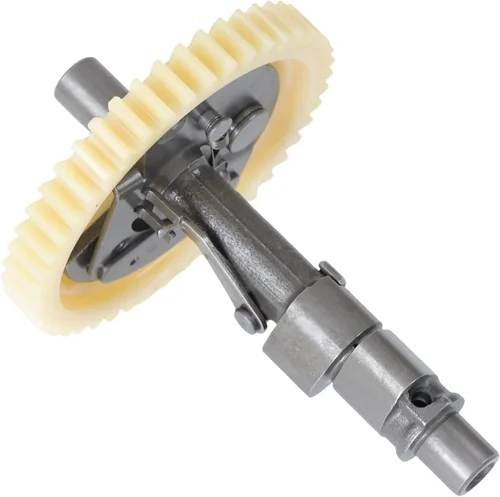
When your Honda GCV160 engine starts burning oil, it’s more than just an annoying drip under the mower or generator—it’s a symptom of deeper mechanical wear that can lead to reduced performance, increased emissions, and eventual engine failure if left unaddressed. One of the most overlooked yet critical components contributing to oil consumption in small engines like the GCV160 is the camshaft. Over time, camshaft lobes wear down, valve timing becomes imprecise, and valve stem seals degrade, allowing oil to seep into the combustion chamber. Replacing a worn camshaft isn’t just about restoring power—it’s about solving the root cause of oil burning and extending the life of your engine.
This comprehensive buying guide is designed for homeowners, small engine technicians, and DIY enthusiasts who want to make an informed decision when selecting a replacement camshaft for their GCV160 engine. Whether you’re restoring a trusted lawn mower, maintaining a backup generator, or troubleshooting persistent oil burn issues, understanding what makes a quality camshaft—and how it interacts with other engine components—is essential. We’ll walk you through the key factors to consider, compare different types available on the market, highlight common pitfalls, and provide expert-backed recommendations tailored to your budget and needs. By the end of this guide, you’ll have the knowledge to choose a camshaft that not only stops oil burning but also improves reliability and performance.
The market for GCV160 camshafts has evolved significantly in recent years. While OEM (Original Equipment Manufacturer) parts from Honda remain the gold standard, a growing number of aftermarket manufacturers now offer high-quality alternatives that rival—or even exceed—factory specs at a fraction of the cost. However, not all aftermarket camshafts are created equal. Some are precision-machined from hardened steel with improved lobe profiles, while others are cheap castings that wear out faster than the original. With prices ranging from under $30 for basic replacements to over $150 for performance-oriented upgrades, it’s easy to overspend or undershoot your needs. This guide cuts through the noise, offering clarity in a crowded marketplace so you can invest wisely in a solution that lasts.

What to Look for When Buying Buying Guide
1. Compatibility with GCV160 Engine
The very first thing to verify is whether the camshaft is specifically designed for the Honda GCV160 engine. While many small engines share similar displacements, the GCV160 has unique valve train geometry, timing requirements, and mounting configurations. Using a camshaft meant for a different model—even one with the same cubic centimeter rating—can result in incorrect valve timing, poor compression, or even catastrophic engine damage. Always check the part number against your engine’s service manual. Honda’s OEM camshaft for the GCV160 is typically part number 14101-Z0H-801 or 14101-Z0H-802, depending on the production year. Aftermarket brands like Briggs & Stratton, Kohler, or generic suppliers may list cross-references, but confirm compatibility before purchasing.
2. Material Quality and Heat Treatment
Camshafts endure extreme stress from constant contact with lifters and pushrods. A low-quality camshaft made from soft cast iron or improperly heat-treated steel will wear prematurely, leading to valve float, loss of compression, and continued oil burning. Look for camshafts made from induction-hardened steel or forged alloy with a surface hardness of at least 55 HRC (Rockwell C scale). Premium aftermarket options often use through-hardened materials or case-hardening techniques that increase durability without sacrificing machinability. Avoid “as-cast” or unmarked camshafts—these are red flags for poor metallurgy. A well-made camshaft should feel heavy, smooth, and free of surface imperfections when inspected by hand.
3. Lobe Profile and Lift Specifications
The shape of the camshaft lobes directly affects valve lift duration and overlap—key factors in engine performance and oil control. In a GCV160, excessive valve lift or overly aggressive lobe profiles can increase the gap between the valve stem and guide, allowing more oil to enter the combustion chamber. Conversely, insufficient lift reduces airflow and power. For stock applications where oil burning is the primary concern, a camshaft with OEM-equivalent or slightly conservative lobe geometry is ideal. Performance cams may offer more power but often exacerbate oil consumption unless paired with upgraded valve seals and guides. Always match the cam’s advertised lift (typically around 0.250–0.270 inches for GCV160) and duration to your engine’s original specifications unless you’re building a modified setup.
4. Precision Machining and Tolerances
Even the best material won’t perform well if the camshaft isn’t machined to tight tolerances. Look for manufacturers that specify journal diameters, lobe heights, and endplay within ±0.001 inches of OEM standards. Poorly machined camshafts can cause uneven wear on lifters, noisy operation, and inconsistent valve timing. High-quality camshafts often come with a certificate of conformity or are produced using CNC grinding processes that ensure repeatability. If buying online, check product descriptions for terms like “precision-ground,” “CNC-machined,” or “OEM-spec tolerances.” These indicate attention to detail that translates into longer service life and better engine behavior.
5. Brand Reputation and Manufacturing Origin
Not all aftermarket brands are trustworthy. Some offshore manufacturers produce camshafts using outdated tooling or substandard materials, leading to premature failure. Stick with reputable brands known for small engine components, such as Honda OEM, Rotary, Oregon, or Stens. These companies often invest in quality control, batch testing, and customer support. Be cautious with no-name brands sold on auction sites or discount retailers—while they may be cheap, they frequently lack consistency and warranty backing. Reading verified purchase reviews can reveal patterns of failure or success. A brand that stands behind its product with a solid return policy is usually a safer bet than the lowest-priced option.
6. Warranty and Return Policy
A camshaft is a long-term investment in your engine’s health, so it should come with a reasonable warranty. Most reputable manufacturers offer at least a 1-year limited warranty against defects in material or workmanship. Some premium brands extend this to 2 or even 3 years. Avoid sellers who offer “as-is” sales or no warranty at all—this is often a sign of low confidence in product quality. Additionally, check the return window: a 30-day return policy gives you time to install and test the camshaft under real-world conditions. If the engine still burns oil or runs rough after installation, you’ll want the flexibility to exchange or refund the part without hassle.
7. Included Components and Kit Completeness
Some camshafts are sold as bare shafts, while others come as part of a rebuild kit that includes lifters, valve seals, gaskets, and timing components. For GCV160 engines suffering from oil burning, replacing the camshaft alone may not be enough—worn valve stem seals are often the real culprit. A complete top-end rebuild kit ensures all interacting parts are refreshed simultaneously, maximizing the chance of resolving oil consumption. Even if you only buy the camshaft, consider whether compatible lifters and seals are readily available. Mismatched lifters can accelerate cam wear, so using OEM-spec or manufacturer-recommended components is strongly advised.
8. User Reviews and Real-World Performance
Before making a purchase, spend time reading customer reviews—especially those from users with similar symptoms (e.g., “fixed oil burning,” “restored compression”). Look for detailed accounts that mention installation ease, fitment accuracy, and post-installation results. Be wary of reviews that only praise price or shipping speed without discussing performance. Negative reviews can be equally valuable: if multiple users report camshaft failure within 50 hours of operation, that’s a serious red flag. Platforms like Amazon, eBay, and specialized forums (e.g., LawnSite, RepairClinic) often contain honest, unfiltered feedback that helps separate hype from reality.
Different Types of Buying Guide

Common Buying Mistakes to Avoid
❌ Mistake: Choosing Based Solely on Price
Why it’s bad: The cheapest camshaft may save you $20 upfront but could fail within weeks, requiring another tear-down and costing more in labor and downtime. Low-cost options often use inferior materials and loose tolerances, worsening oil consumption rather than fixing it.
What to do instead: Prioritize value over absolute low cost. Spend a little more on a reputable brand with positive reviews and a solid warranty. Think of it as an investment in your engine’s longevity.
❌ Mistake: Ignoring Valve Stem Seals
Why it’s bad: In most GCV160 oil-burning cases, the root cause isn’t the camshaft itself but degraded valve stem seals. Replacing only the camshaft without addressing the seals will likely result in continued oil burning, wasting time and money.
What to do instead: Always inspect or replace valve stem seals during a camshaft swap. Many rebuild kits include both, making this easier and more cost-effective.
❌ Mistake: Assuming All Aftermarket Cams Are Equal
Why it’s bad: Aftermarket doesn’t automatically mean “good.” Some manufacturers cut corners on heat treatment or lobe geometry, leading to rapid wear and poor performance.
What to do instead: Research the manufacturer. Stick to brands with proven track records in small engine parts and avoid unknown sellers with no customer service presence.
❌ Mistake: Overlooking Installation Requirements
Why it’s bad: Installing a camshaft requires precise timing alignment, proper lubrication, and sometimes special tools. Doing it incorrectly can bend valves or destroy the new cam.
What to do instead: Follow the service manual step-by-step. If you’re not confident, consider professional installation—especially if the engine has high hours or unknown history.
❌ Mistake: Buying a Performance Cam for a Stock Engine
Why it’s bad: Aggressive cams increase valve overlap, which can pull oil past worn guides and seals—exactly what you’re trying to fix. They also reduce low-end torque, making lawn mowers or generators sluggish.
What to do instead: Unless you’re building a race engine, stick to OEM-spec or mild replacement cams designed for stock applications.
❌ Mistake: Not Verifying Return Policies Before Purchase
Why it’s bad: If the camshaft doesn’t fit or fails to resolve oil burning, you don’t want to be stuck with a non-returnable part.
What to do instead: Only buy from retailers with clear return windows (30 days minimum) and restocking policies that don’t penalize you heavily for opened parts.
❌ Mistake: Skipping Post-Installation Break-In
Why it’s bad: New camshafts require a proper break-in procedure (typically 20–30 minutes of varied RPM under load) to seat the lobes correctly. Running at idle or full throttle too soon can cause galling or premature wear.
What to do instead: Follow the manufacturer’s break-in instructions carefully. Use high-quality break-in oil with zinc additives (ZDDP) to protect the cam during initial operation.
Budget Guidelines: How Much Should You Spend?
- Entry-Level ($25–$40): These are typically generic or reconditioned camshafts aimed at budget-conscious users with very light-duty equipment. Expect basic materials, minimal quality control, and no warranty. Suitable only for temporary fixes or non-critical applications like seldom-used tillers. Not recommended if oil burning is severe.
- Mid-Range ($45–$75): This is the sweet spot for most GCV160 owners. Brands like Rotary, Oregon, and Stens offer camshafts with OEM-equivalent specs, decent heat treatment, and 1-year warranties. They’re reliable, widely available, and often come with helpful installation guides. Ideal for homeowners wanting a durable fix without paying OEM prices.
- Premium ($80–$130): Includes genuine Honda OEM parts and high-end aftermarket equivalents. These camshafts are precision-machined, rigorously tested, and backed by strong warranties. Best for commercial users, restorers, or anyone prioritizing maximum engine life and peace of mind. If your equipment is valuable or frequently used, this tier is worth the investment.
- Luxury ($130+): Reserved for performance builds or specialty applications. These camshafts feature custom lobe profiles, advanced coatings, or billet construction. While they offer peak performance, they’re overkill for standard GCV160 engines and may actually worsen oil consumption if not paired with supporting mods. Only consider if you’re building a competition engine.

Expert Tips for Getting the Best Deal
- Buy During Off-Season: Small engine parts often go on sale in late fall or winter when demand drops. Retailers like Northern Tool, Jack’s Small Engines, and Amazon frequently offer discounts of 15–25% during these periods.
- Check Multiple Retailers: Prices can vary significantly between online stores. Compare listings on Amazon, eBay, RepairClinic, and specialty small engine shops. Sometimes local dealers match online prices if you ask.
- Look for Bundle Deals: Many sellers offer camshaft + lifter + seal kits at a discounted rate. Even if you don’t need all parts now, having spares can save future headaches.
- Verify Seller Authenticity: On marketplaces like eBay or Amazon, ensure the seller has high ratings (98%+ positive) and sells new, unused parts—not refurbished or “like new” items of questionable origin.
- Use Price Tracking Tools: Browser extensions like Honey or CamelCamelCamel can alert you when a camshaft drops in price, helping you buy at the lowest point.
- Ask About Core Returns: Some suppliers offer a small rebate if you return your old camshaft as a “core.” While not common for small engines, it’s worth inquiring—especially with remanufactured parts.
- Read the Fine Print on Warranties: Some warranties require professional installation or specific oil types. Make sure you can comply before purchasing.
- Test Before Final Assembly: Once installed, run the engine at varying loads for 20–30 minutes to ensure smooth operation and check for leaks or unusual noises before declaring the job complete.

Frequently Asked Questions
Q: Will replacing the camshaft definitely stop my GCV160 from burning oil?
A: Not necessarily. While a worn camshaft can contribute to oil burning by affecting valve train dynamics, the most common cause in GCV160 engines is deteriorated valve stem seals. Replacing both the camshaft and seals gives you the best chance of resolving the issue. Always inspect the valve guides for wear as well.
Q: Can I install a camshaft myself, or do I need a mechanic?
A: If you have basic mechanical skills, tools, and a service manual, you can install a camshaft yourself. The process involves removing the cylinder head, timing the cam, and reassembling with new gaskets. However, if you’re unsure about valve timing or torque specs, professional help is recommended to avoid costly mistakes.
Q: Are aftermarket camshafts as good as Honda OEM?
A: High-quality aftermarket camshafts from reputable brands (e.g., Rotary, Oregon) are often indistinguishable from OEM in terms of fit, finish, and performance. Some even use superior materials. However, cheap generics may fall short. Stick to trusted names and read reviews.
Q: How long should a new camshaft last?
A: Under normal conditions, a quality camshaft should last 500–1,000 hours of operation—essentially the life of the engine if maintained properly. Premature failure usually indicates poor installation, lack of lubrication, or incompatible components.
Q: Do I need to replace the lifters too?
A: Yes, it’s highly recommended. Worn lifters won’t mate properly with a new camshaft, causing noise, wear, and potential failure. Most experts advise replacing lifters whenever the cam is changed.
Q: What oil should I use after installing a new camshaft?
A: Use a high-zinc (ZDDP) break-in oil for the first 25–50 hours to protect the cam lobes during initial wear-in. After that, switch to a standard small engine oil (10W-30 or SAE 30) meeting Honda’s specifications.
Q: Can a performance cam reduce oil burning?
A: Generally, no. Performance cams often increase valve overlap, which can draw more oil past the seals. Unless you’re upgrading the entire valve train (guides, seals, springs), a stock-spec cam is safer for oil control.
Q: Where is the best place to buy a GCV160 camshaft?
A: Reputable online retailers like Jack’s Small Engines, RepairClinic, and Amazon (from verified sellers) offer wide selection and customer support. Local small engine shops can also special-order parts and provide installation advice.
Q: How do I know if my camshaft is actually worn?
A: Signs include loss of power, hard starting, blue smoke from the exhaust (especially on startup), and visible wear on the lobes when inspected. A compression test can also reveal valve train issues indirectly.
Q: Is it worth rebuilding the entire top end instead of just replacing the cam?
A: If your engine is burning oil and has over 300 hours of use, a full top-end rebuild (piston, rings, valves, guides, seals, cam, lifters) is often more cost-effective in the long run. It addresses all potential wear points at once.
Our Final Recommendations
- Best for Budget-Conscious Buyers: Rotary 14101-Z0H-801 Camshaft – Priced around $55, this aftermarket option matches OEM specs, includes a 1-year warranty, and has thousands of positive reviews for stopping oil burn in GCV160 engines.
- Best Overall Value: Oregon 49-816 Camshaft Kit – At $65–$70, this kit includes the camshaft, two lifters, valve seals, and gaskets. It’s a complete solution that tackles oil burning at its source and saves money versus piecemeal purchases.
- Best Premium Option: Honda Genuine 14101-Z0H-801 Camshaft – For those who demand perfection, the OEM part guarantees exact fit, superior metallurgy, and full compatibility. Ideal for restorations or commercial equipment where reliability is non-negotiable.
- Best for Beginners: Stens 953-016 Camshaft with Installation Guide – Comes with clear instructions and is designed for easy installation. Great for first-time rebuilders who want a hassle-free experience.
- Best for Advanced Users: Custom Ground Camshaft from Small Engine Performance – For enthusiasts modifying their GCV160 for higher RPM or racing, these cams offer tailored lobe profiles. Requires supporting upgrades but delivers noticeable gains.
Conclusion: Making the Right Choice
Choosing the right camshaft for your GCV160 engine isn’t just about swapping out a worn part—it’s about diagnosing the true cause of oil burning and investing in a solution that restores reliability, efficiency, and peace of mind. Throughout this guide, we’ve emphasized the importance of compatibility, material quality, proper installation, and holistic thinking (like replacing valve seals alongside the cam). While budget matters, cutting corners on critical components like the camshaft often leads to repeated repairs and frustration.
Remember, the best camshaft for you depends on your specific situation: how you use your equipment, your mechanical skill level, and your long-term goals for the engine. If you’re maintaining a family lawn mower, a mid-range aftermarket cam with a complete kit offers excellent value. If you’re restoring a vintage generator or running commercial equipment, investing in OEM or premium parts pays dividends in durability and performance.
Don’t let oil burning turn a reliable workhorse into a money pit. With the insights from this guide, you’re now equipped to make a confident, informed decision. Take your time, read reviews, compare options, and when in doubt, consult a trusted small engine technician. Your GCV160 deserves a camshaft that doesn’t just fit—but performs. Make the right choice today, and enjoy years of smooth, oil-free operation ahead.