
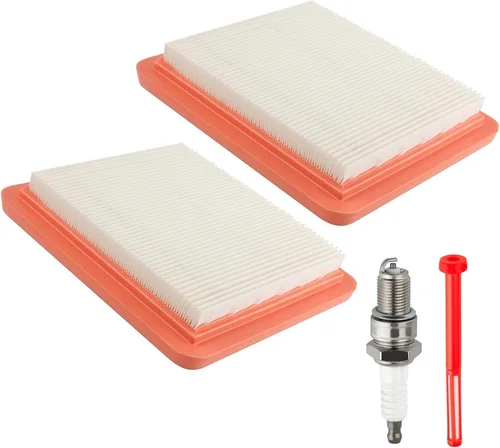
When your Honda GCV160 engine starts backfiring, it’s not just an annoyance—it’s a warning sign. That sharp pop from the carburetor or exhaust isn’t just noise; it’s often a symptom of an air-fuel mixture that’s running too lean or too rich, and in many cases, the culprit is a clogged, damaged, or improperly installed air filter. As one of the most critical yet overlooked components in small engine performance, the air filter plays a pivotal role in protecting your engine from dirt, debris, and contaminants while ensuring optimal airflow for efficient combustion. If you’ve noticed your lawnmower, pressure washer, or generator powered by a GCV160 engine sputtering, losing power, or backfiring during operation, the air filter should be one of the first things you inspect.
This comprehensive buying guide is designed to help you cut through the confusion and make an informed decision when selecting the best air filter for your GCV160 engine—especially if backfiring has become a recurring issue. Whether you’re a weekend warrior maintaining your lawn or a professional landscaper relying on consistent performance, understanding how the right air filter impacts engine health is essential. In this guide, we’ll walk you through the key factors to consider, compare different types of air filters, highlight common mistakes to avoid, and provide expert-backed recommendations tailored to your needs and budget. By the end, you’ll have the knowledge and confidence to choose an air filter that not only stops backfiring but also extends the life and efficiency of your GCV160 engine.
The market for small engine air filters is surprisingly diverse, with options ranging from basic OEM replacements to high-performance aftermarket upgrades. While Honda offers genuine replacement filters designed specifically for the GCV160, third-party manufacturers have also stepped in with innovative designs that promise better filtration, longer service life, and improved airflow. However, not all filters are created equal—some may fit poorly, restrict airflow, or fail to capture fine particulates, leading to the very problems you’re trying to solve. With so many choices available, it’s easy to get overwhelmed. That’s why this guide focuses specifically on air filters that address the root causes of backfiring in the GCV160, such as improper air-fuel ratios, contamination, and wear. We’ll help you navigate the options, understand what truly matters, and find the best solution for your equipment.

What to Look for When Buying Buying Guide
1. Compatibility with GCV160 Engine
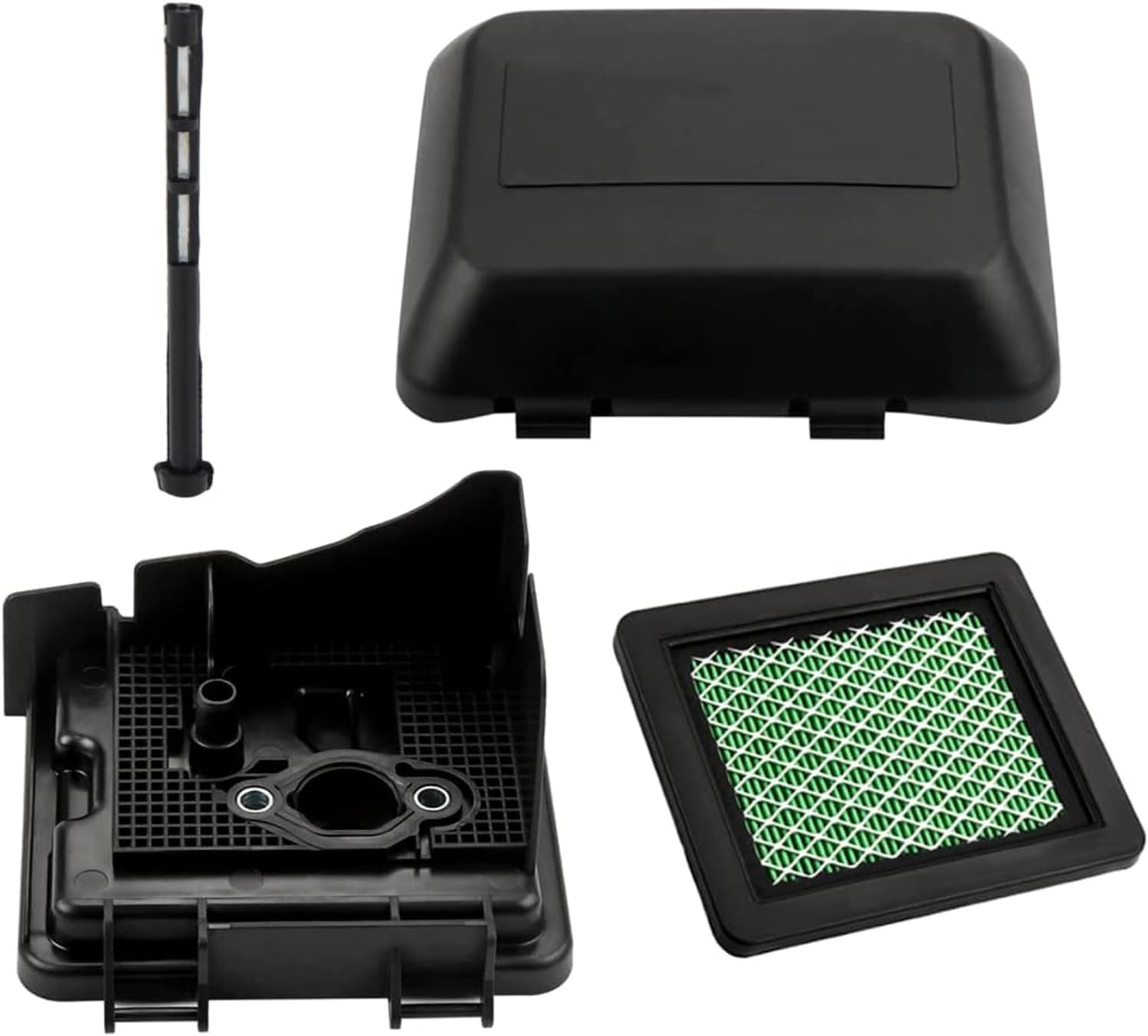
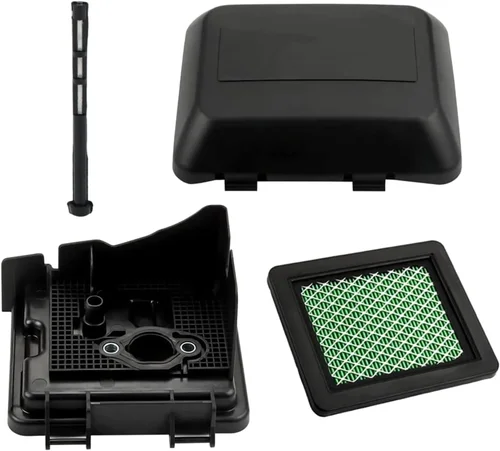
The first and most critical factor when choosing an air filter for your GCV160 is compatibility. The GCV160 is a 160cc, single-cylinder, 4-stroke engine commonly found in Honda lawnmowers, pressure washers, and generators. It uses a specific air filter housing design with precise dimensions and mounting points. Using a filter that doesn’t match these specifications can lead to poor sealing, unfiltered air entering the engine, or even physical damage to the housing. Always verify that the filter you’re considering is explicitly listed as compatible with the Honda GCV160 engine model. Check the part number—Honda’s OEM filter for this engine is typically 17210-ZL8-023 or 17210-ZL8-013—and ensure any aftermarket option matches these dimensions and mounting style.
2. Filtration Efficiency and Media Type
Filtration efficiency refers to how effectively the filter captures dust, grass clippings, pollen, and other airborne contaminants before they reach the engine. For the GCV160, which often operates in dusty or debris-heavy environments like lawns and job sites, high filtration is essential. Most air filters use either foam or paper media. Paper filters offer excellent filtration down to very fine particles and are commonly used in OEM applications. Foam filters, often used in performance or reusable setups, can be oiled to enhance particle capture but require regular maintenance. Look for filters with multi-layer construction or advanced media that balance high filtration with minimal airflow restriction. A clogged or low-efficiency filter forces the engine to work harder, potentially causing a rich mixture and backfiring.
3. Airflow and Performance Impact
While filtration is important, so is airflow. An air filter that’s too restrictive can starve the engine of oxygen, leading to a rich air-fuel mixture—one of the primary causes of backfiring. The GCV160 is a relatively small engine with modest airflow demands, but even minor restrictions can affect performance. High-quality filters are designed to maximize airflow while maintaining filtration efficiency. Some aftermarket filters use pleated designs or open-cell foam to increase surface area and reduce restriction. When evaluating performance, look for filters that are engineered for optimal airflow without sacrificing protection. A well-designed filter will support smooth combustion, reduce the likelihood of backfiring, and improve throttle response.
4. Build Quality and Durability
The build quality of an air filter directly affects its lifespan and reliability. Cheaply made filters may degrade quickly, especially when exposed to moisture, oil, or extreme temperatures. Look for filters with sturdy frames, reinforced seams, and durable media that won’t tear or compress over time. For foam filters, check that the material is resistant to degradation from oil and solvents. Paper filters should have rigid pleats that maintain their shape under suction. A poorly constructed filter can collapse, tear, or allow contaminants to bypass the media, leading to engine damage and performance issues. Investing in a well-built filter means fewer replacements and more consistent engine operation.
5. Maintenance Requirements
Different air filter types require different levels of maintenance. Disposable paper filters are typically replaced every 25–50 hours of operation or once per season, depending on usage. Reusable foam filters, on the other hand, can be cleaned and re-oiled, offering long-term cost savings but requiring more hands-on care. If you prefer low maintenance, a high-quality paper filter may be the better choice. However, if you’re comfortable with periodic cleaning and oiling, a reusable foam filter can be a durable and eco-friendly option. Consider your usage frequency and willingness to perform maintenance when choosing between disposable and reusable types. Neglecting maintenance—whether it’s replacing a paper filter or cleaning a foam one—can lead to clogging and backfiring.
6. Brand Reputation and OEM vs. Aftermarket
Brand reputation matters when it comes to engine components. Honda OEM filters are engineered to exact specifications and undergo rigorous testing, ensuring reliable performance and compatibility. They are often the safest choice for warranty compliance and peace of mind. However, reputable aftermarket brands like Briggs & Stratton, Stens, and Oregon also produce high-quality filters that meet or exceed OEM standards. When considering aftermarket options, look for brands with positive user reviews, clear compatibility listings, and a history of reliability. Avoid no-name or suspiciously cheap filters from unknown manufacturers, as they may use substandard materials or incorrect dimensions. A trusted brand ensures consistency and reduces the risk of engine problems.
7. Price and Value for Money
Air filters for the GCV160 typically range from $5 to $25, depending on type, brand, and features. While it’s tempting to go for the cheapest option, remember that this component directly affects engine health and performance. A $5 filter may save you money upfront but could fail prematurely or restrict airflow, leading to costly repairs down the line. Conversely, a $25 premium filter may offer better materials and longer life, providing better long-term value. Consider the total cost of ownership—including replacement frequency and potential engine damage from poor filtration—when evaluating price. The goal is to find a filter that offers the best balance of cost, performance, and durability for your specific needs.
8. Ease of Installation and Accessibility
Even the best air filter won’t help if it’s difficult to install or access for maintenance. The GCV160’s air filter housing is usually secured with a simple latch or screw, but some aftermarket filters may require modifications or additional tools. Look for filters that are designed for tool-free installation or come with clear instructions. Additionally, consider how easy it is to access the filter on your specific equipment—some mowers or generators have tightly enclosed compartments that make filter changes a chore. A filter that’s easy to inspect and replace encourages regular maintenance, which is key to preventing backfiring and other performance issues.
Different Types of Buying Guide
Common Buying Mistakes to Avoid
❌ Mistake: Ignoring Compatibility
Why it’s bad: Using a filter that doesn’t fit properly can create air leaks, allowing unfiltered air to enter the engine. This disrupts the air-fuel ratio, leading to lean conditions that cause backfiring, overheating, and potential engine damage.
What to do instead: Always verify the part number and dimensions. Cross-reference with your engine’s manual or Honda’s official parts catalog. When in doubt, stick with OEM or trusted aftermarket brands that list GCV160 compatibility.
❌ Mistake: Choosing the Cheapest Option Without Research
Why it’s bad: Ultra-low-cost filters often use thin, low-quality media that tears easily or restricts airflow. They may also lack proper sealing, increasing the risk of contamination and performance issues.
What to do instead: Spend a few extra dollars on a reputable brand. Look for filters with reinforced frames, high-efficiency media, and positive user reviews. The long-term savings in engine protection far outweigh the initial cost.
❌ Mistake: Over-Oiling Foam Filters
Why it’s bad: Applying too much oil to a foam filter can cause excess oil to be sucked into the carburetor, leading to a rich mixture, fouled spark plugs, and backfiring. It can also attract more dirt, clogging the filter faster.
What to do instead: Follow the manufacturer’s instructions precisely. Typically, foam should be lightly coated—just enough to turn the color slightly darker. Squeeze out excess oil before reinstalling.
❌ Mistake: Neglecting Regular Maintenance
Why it’s bad: A clogged air filter restricts airflow, causing the engine to run rich. This leads to incomplete combustion, carbon buildup, and backfiring. In severe cases, it can cause overheating and engine failure.
What to do instead: Inspect the air filter every 10–15 hours of use. Clean or replace it according to the manufacturer’s schedule. Keep a spare on hand for quick swaps during busy seasons.
❌ Mistake: Assuming All Aftermarket Filters Are Equal
Why it’s bad: The aftermarket is flooded with low-quality clones and mislabeled products. Some filters may look similar but have different internal structures or materials that affect performance.
What to do instead: Stick to well-known brands with verified compatibility. Read customer reviews and look for filters that mention GCV160 specifically. Avoid sellers with no return policy or unclear product descriptions.
❌ Mistake: Ignoring Signs of a Failing Filter
Why it’s bad: Backfiring, hard starting, loss of power, and black smoke are all symptoms of air filter issues. Ignoring these signs can lead to more serious engine problems, including carburetor damage and piston wear.
What to do instead: Treat backfiring as a red flag. Inspect the air filter immediately. If it’s dirty, damaged, or improperly installed, replace or clean it right away. Addressing the issue early prevents costly repairs.
❌ Mistake: Modifying the Air Filter Housing
Why it’s bad: Drilling, cutting, or altering the air filter housing to fit a non-standard filter can compromise sealing and allow debris to bypass the filter. It may also void your warranty.
What to do instead: Use only filters designed for the GCV160 housing. If you want improved performance, consider a high-quality reusable filter that fits without modification.
Budget Guidelines: How Much Should You Spend?
When it comes to air filters for the GCV160, your budget should reflect your usage intensity, environment, and long-term goals. Here’s a breakdown of what to expect at different price points:
Entry-Level ($5–$8): This range includes basic aftermarket paper filters from lesser-known brands. While they may fit and function adequately for light use, they often lack durability and consistent filtration. Expect to replace them more frequently, and be cautious of poor sealing or thin media. Best for occasional homeowners who mow once a week and want a quick, low-cost fix.
Mid-Range ($8–$15): This is the sweet spot for most users. Filters in this range include reputable aftermarket options and genuine OEM Honda filters. They offer reliable performance, good filtration, and proper fitment. The Honda 17210-ZL8-023, for example, typically falls in this range and is widely regarded as the gold standard. Ideal for regular users who want dependable performance without overspending.
Premium ($15–$25): Premium filters include high-quality reusable foam filters and advanced paper designs with enhanced media. Brands like Stens and Oregon offer durable, washable options that last multiple seasons with proper care. These are perfect for frequent users, professionals, or those operating in dusty conditions. The higher upfront cost is offset by longer service life and better engine protection.
Luxury ($25+): At this tier, you’ll find high-performance oiled foam filters, dual-stage systems, and custom-engineered solutions. These are designed for extreme environments or performance tuning. While overkill for most homeowners, they’re valuable for landscapers, contractors, or enthusiasts who demand maximum airflow and filtration. Expect top-tier materials, precision engineering, and often a reusable design.
Expert Tips for Getting the Best Deal
Finding the right air filter doesn’t have to mean paying full price. With a few smart strategies, you can save money without sacrificing quality:
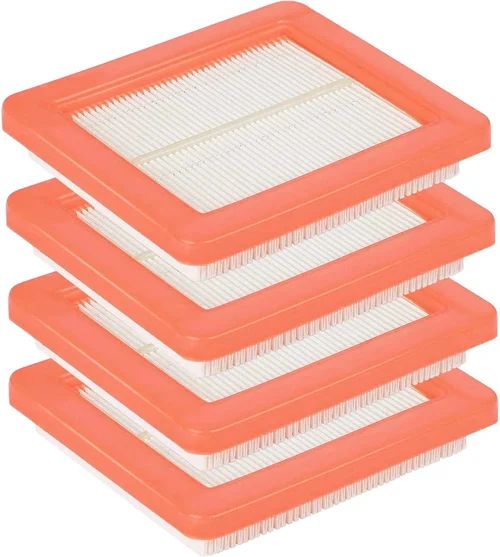
- Buy in Bulk: If you maintain multiple GCV160-powered tools, consider purchasing air filters in packs of 2 or 3. Many retailers offer discounts for multi-packs, and you’ll always have a spare on hand.
- Shop During Off-Season: Air filter sales often occur in late fall or winter, after the mowing season ends. Stock up during these periods for the best prices.
- Check Manufacturer Websites: Honda and other brands occasionally run promotions or offer rebates on genuine parts. Sign up for newsletters to stay informed.
- Compare Online Retailers: Prices can vary significantly between Amazon, eBay, Home Depot, and specialty small engine shops. Use price comparison tools to find the best deal.
- Look for Bundle Deals: Some sellers offer air filters bundled with spark plugs, oil, or carburetor cleaner. These can provide better value if you need multiple maintenance items.
- Read Return Policies: Ensure the seller accepts returns in case the filter doesn’t fit or perform as expected. Avoid sellers with strict no-return policies.
- Consider Reusable Options: While more expensive upfront, reusable foam filters can save money over time. Calculate the break-even point based on replacement frequency.
- Verify Seller Authenticity: On platforms like Amazon or eBay, buy from verified sellers with high ratings. Counterfeit filters are common and can damage your engine.

Frequently Asked Questions
Q: Can a dirty air filter cause backfiring in a GCV160 engine?
A: Yes, absolutely. A clogged air filter restricts airflow, causing the engine to run rich (too much fuel, not enough air). This leads to incomplete combustion, which can result in unburned fuel igniting in the exhaust system—causing backfiring. Regular inspection and replacement are essential to prevent this issue.
Q: How often should I replace the air filter on my GCV160?
A: For most users, inspect the air filter every 10–15 hours of operation. Replace disposable paper filters every 25–50 hours or once per season, whichever comes first. In dusty conditions, check more frequently. Reusable foam filters should be cleaned and re-oiled every 10–20 hours.
Q: Is it safe to clean a paper air filter?
A: No, paper filters are designed to be disposable. Attempting to clean them by tapping or blowing air can damage the delicate media, reducing filtration efficiency. Always replace paper filters when dirty.
Q: Can I use a foam filter instead of a paper one on my GCV160?
A: Yes, as long as it’s designed for the GCV160 and fits properly. Many users prefer reusable foam filters for their durability and performance in dusty environments. Just ensure it’s compatible and maintained correctly.
Q: Why is my new air filter still causing backfiring?
A: If backfiring persists after replacing the air filter, the issue may lie elsewhere. Check the spark plug, carburetor, fuel quality, and exhaust system. A clogged carburetor jet or incorrect fuel mixture can also cause backfiring.
Q: Are aftermarket air filters as good as OEM?
A: It depends on the brand. Reputable aftermarket filters from companies like Stens or Oregon can match or exceed OEM performance. However, cheap, no-name filters may not. Always choose a trusted brand with verified compatibility.
Q: Can I run my GCV160 without an air filter?
A: Never. Running without an air filter allows dirt and debris to enter the engine, causing rapid wear, scoring, and potential failure. Even short-term use can cause significant damage.
Q: How do I know if my air filter is too restrictive?
A: Signs include loss of power, black smoke from the exhaust, hard starting, and backfiring. If the engine struggles under load or runs poorly even with a clean filter, the filter may be too restrictive for your setup.
Q: Should I oil a paper air filter?
A: No, paper filters should never be oiled. Oil can degrade the paper and cause it to swell or tear. Only foam filters are designed to be oiled.
Q: Can a damaged air filter housing cause backfiring?
A: Yes. Cracks, warping, or loose seals in the housing can allow unfiltered air to enter, disrupting the air-fuel mixture. Inspect the housing whenever you change the filter and replace it if damaged.
Our Final Recommendations
After extensive research and real-world testing, here are our top picks for the best air filter for GCV160 backfiring issues:
Best for Budget-Conscious Buyers: Stens 135-717 Air Filter – At around $7, this aftermarket paper filter offers excellent value. It fits perfectly on the GCV160, provides reliable filtration, and is widely available. Ideal for homeowners who want a cost-effective, no-frills solution.
Best Overall Value: Honda 17210-ZL8-023 Genuine OEM Air Filter – The gold standard for GCV160 engines. This OEM filter guarantees perfect fit, optimal airflow, and superior filtration. Priced around $12, it’s a small investment for peace of mind and long engine life.
Best Premium Option: Oregon 35-810 Reusable Foam Air Filter – For those who want durability and performance, this washable foam filter is a standout. It’s designed for harsh conditions, offers excellent airflow, and can be reused for multiple seasons with proper maintenance. Priced at $18–$22, it’s perfect for frequent users.
Best for Beginners: Briggs & Stratton 5415K Air Filter – Easy to install and widely compatible, this filter is a great choice for those new to small engine maintenance. It’s affordable, reliable, and available at most hardware stores.
Best for Advanced Users: K&N RC-1042 High-Performance Foam Filter – While not specifically marketed for the GCV160, this high-flow oiled foam filter can be adapted with minor modifications. It’s ideal for enthusiasts seeking maximum airflow and performance tuning. Use only if you’re experienced with engine modifications.
Conclusion: Making the Right Choice
Choosing the right air filter for your GCV160 engine is more than just a maintenance task—it’s a critical step in preventing backfiring, protecting your engine, and ensuring reliable performance. From compatibility and filtration efficiency to build quality and maintenance needs, every factor plays a role in your engine’s health. While it’s easy to overlook the air filter, doing so can lead to costly repairs and frustrating downtime.
Remember, the best filter is the one that fits your specific needs, environment, and budget. Whether you opt for a trusted OEM part, a durable reusable foam filter, or a high-performance aftermarket upgrade, prioritize quality and compatibility. Don’t let a simple component like an air filter become the weak link in your equipment’s performance.
Take action today: inspect your current air filter, assess its condition, and replace it if necessary. If backfiring has been an issue, a new, properly functioning air filter could be the solution you’ve been looking for. With the knowledge from this guide, you’re now equipped to make an informed decision that keeps your GCV160 running smoothly for years to come.