
If your Honda GCV160 engine is running rough—hesitating during startup, sputtering under load, or stalling unexpectedly—the air filter is often the first suspect. This small but critical component plays a major role in engine performance, fuel efficiency, and longevity. A clogged, damaged, or improperly sized air filter restricts airflow, disrupts the air-fuel mixture, and can lead to poor combustion, increased emissions, and even engine damage over time. Whether you’re maintaining a lawn mower, pressure washer, or generator powered by the GCV160, choosing the right replacement air filter is essential for restoring smooth, reliable operation.
This comprehensive guide is designed to help you make an informed decision when selecting the best replacement air filter for your GCV160 engine. We’ll walk you through everything from understanding how air filters work and why they matter, to evaluating key buying factors like material quality, fitment accuracy, and brand reputation. You’ll learn how to avoid common pitfalls, compare different types of filters, and determine the ideal budget range based on your needs. By the end of this article, you’ll have the knowledge and confidence to choose a filter that not only fits your engine perfectly but also enhances its performance and extends its lifespan.
The market for GCV160-compatible air filters is crowded with options—from OEM (original equipment manufacturer) parts to third-party alternatives, foam, paper, and hybrid designs. While it might be tempting to grab the cheapest option available, doing so could cost you more in the long run through reduced engine efficiency, premature wear, or frequent replacements. This guide cuts through the noise, offering expert insights, real-world testing data, and practical advice to help you find the right balance of performance, durability, and value. Whether you’re a homeowner maintaining seasonal equipment or a professional landscaper relying on consistent engine performance, this guide will ensure your GCV160 runs smoothly for years to come.
What to Look for When Buying Buying Guide
1. Compatibility & Fitment Accuracy
One of the most critical factors when selecting a replacement air filter for your GCV160 engine is ensuring it fits correctly. The GCV160 is used in a wide range of outdoor power equipment, including lawn mowers, pressure washers, and generators, and each application may have slight variations in air filter housing design. A filter that doesn’t seal properly can allow unfiltered air to enter the engine, leading to accelerated wear and potential internal damage. Always verify the filter’s dimensions—length, width, height, and mounting style—against your original part. Many manufacturers provide compatibility charts based on model numbers, so cross-referencing your equipment’s serial or model number is highly recommended. OEM filters are guaranteed to fit, but high-quality aftermarket options from reputable brands like Briggs & Stratton, Kohler, or Fram also offer precise fitment when properly matched.
2. Filter Material & Construction
The material used in the air filter directly impacts its filtration efficiency, durability, and maintenance requirements. Most GCV160 engines use either paper (cellulose), foam, or a combination of both. Paper filters offer excellent filtration of fine particles and are typically disposable, making them ideal for high-dust environments. Foam filters, often used in wet or oily conditions, are reusable and can be cleaned and re-oiled, but may not capture smaller contaminants as effectively. Hybrid filters combine a paper element with a foam pre-filter, offering a balance of protection and longevity. When evaluating material, look for multi-layered designs that enhance particle capture without overly restricting airflow. High-quality pleated paper elements with reinforced frames resist tearing and maintain structural integrity under varying engine loads.
3. Filtration Efficiency & Airflow Balance
A good air filter must strike a delicate balance between trapping contaminants and allowing sufficient airflow for optimal engine performance. Too much restriction can cause the engine to run rich (excess fuel), leading to poor fuel economy, carbon buildup, and rough idling. Conversely, a filter with poor filtration lets harmful debris enter the combustion chamber, risking piston and cylinder damage. Look for filters with a high MERV (Minimum Efficiency Reporting Value) rating or manufacturer-stated efficiency percentages—typically above 95% for fine particles. However, avoid over-filtering; some high-MERV filters designed for industrial use may be too restrictive for small engines like the GCV160. The ideal filter maintains a clean air path while capturing dust, grass clippings, pollen, and other common outdoor contaminants.
4. Durability & Service Life
How long a filter lasts before needing replacement or cleaning depends on both its construction and your operating environment. In dusty or high-debris conditions—such as mowing dry grass or operating a pressure washer near construction sites—filters clog faster and require more frequent attention. Durable filters feature reinforced frames, moisture-resistant coatings, and robust sealing gaskets to prevent leaks and premature failure. Reusable foam filters can last several seasons with proper maintenance, while disposable paper filters typically need replacement every 25–50 hours of operation. Consider your usage frequency and environment when choosing: if you use your equipment weekly during mowing season, a longer-lasting hybrid or premium paper filter may be worth the investment. Always follow the manufacturer’s recommended service intervals to avoid performance degradation.
5. Brand Reputation & OEM vs. Aftermarket
Brand matters when it comes to reliability and consistency. OEM filters, made by Honda or authorized partners, are engineered specifically for the GCV160 and offer guaranteed compatibility and performance. They’re often the safest choice for warranty-covered equipment or users who prioritize precision. However, high-quality aftermarket brands like Stens, Oregon, and Rotary have earned strong reputations for producing filters that meet or exceed OEM standards at a lower price. Be cautious with generic or unbranded filters sold in bulk packs—these often use inferior materials and inconsistent manufacturing processes. Check for certifications, customer reviews, and return policies. A reputable brand will stand behind its product and provide clear specifications, ensuring you get a filter that performs as expected.
6. Ease of Maintenance & Cleaning
Some air filters are designed for easy maintenance, which can save time and extend service life. Foam and hybrid filters often include cleaning kits or instructions for washing and re-oiling, allowing reuse over multiple seasons. Paper filters are generally disposable, but some premium models feature washable outer layers or extended-life designs. Consider how much effort you’re willing to invest: if you prefer a “set it and forget it” approach, a high-quality disposable paper filter replaced annually may suit you best. For those who want to reduce waste and long-term costs, a reusable foam filter with a simple cleaning process is ideal. Always follow the manufacturer’s cleaning instructions—using the wrong oil or over-oiling can clog the filter and restrict airflow.
7. Price & Value Proposition
While price shouldn’t be the only deciding factor, it’s important to assess the overall value a filter offers. A $5 generic filter may seem like a bargain, but if it fails prematurely or causes engine issues, it could end up costing more in repairs or replacements. Conversely, a $20 OEM filter may provide peace of mind and long-term reliability. Evaluate the cost per hour of use: a filter that lasts twice as long may justify a higher upfront price. Look for bundles or multipacks if you maintain multiple pieces of equipment. Also consider shipping costs and availability—some online retailers offer free shipping on orders over a certain amount, making it economical to stock up. Ultimately, the best value is a filter that delivers consistent performance, fits perfectly, and lasts as long as advertised.
8. Warranty & Customer Support
A solid warranty and responsive customer support can make a big difference if you encounter issues with your air filter. Reputable manufacturers often offer 1-year warranties against defects in materials or workmanship. This protects you in case the filter tears, warps, or fails to fit as described. Check the warranty terms—some cover only the filter itself, while others include support for related engine damage caused by filter failure. Additionally, brands with strong customer service can help you identify the correct part number, troubleshoot installation issues, or process returns quickly. Avoid sellers with no return policy or vague warranty information. A company that stands behind its product is more likely to have invested in quality control and customer satisfaction.
Different Types of Buying Guide
Common Buying Mistakes to Avoid
❌ Mistake: Ignoring Compatibility Charts
Why it’s bad: Buying a filter based solely on price or appearance without checking compatibility can result in a part that doesn’t fit, leaks air, or fails to seal properly. This compromises engine protection and may void warranties.
What to do instead: Always cross-reference your equipment’s model and serial number with the manufacturer’s compatibility guide. When in doubt, consult the owner’s manual or contact customer support before purchasing.
❌ Mistake: Choosing the Cheapest Option Available
Why it’s bad: Ultra-low-cost filters often use thin paper, weak frames, or poor sealing materials that degrade quickly. They may clog faster, tear during installation, or allow contaminants to bypass the filter.
What to do instead: Invest in a mid-range filter from a reputable brand. The slight price increase is justified by longer service life, better performance, and reduced risk of engine damage.
❌ Mistake: Overlooking Maintenance Requirements
Why it’s bad: Assuming all filters are disposable or that reusable filters never need cleaning can lead to clogged airflow and poor engine performance. Neglecting maintenance accelerates wear and reduces efficiency.
What to do instead: Understand the maintenance needs of your chosen filter type. Clean foam filters regularly and replace paper filters according to the manufacturer’s schedule—typically every 25–50 hours of use.
❌ Mistake: Using the Wrong Filter for the Environment
Why it’s bad: Using a standard paper filter in a dusty or wet environment can lead to rapid clogging or water damage. Conversely, a foam filter in a dry, high-particulate area may not offer enough filtration.
What to do instead: Match the filter type to your operating conditions. Use hybrid or high-capacity paper filters in dry, dusty areas and foam or water-resistant filters in wet or oily environments.
❌ Mistake: Skipping the Gasket or Seal Inspection
Why it’s bad: A damaged or missing gasket can allow unfiltered air to enter the engine, defeating the purpose of the filter. This is a common cause of rough running and premature engine wear.
What to do instead: Always inspect the air filter housing and gasket when replacing the filter. Replace any cracked, brittle, or missing seals to ensure a proper airtight fit.
❌ Mistake: Buying Based on Packaging Alone
Why it’s bad: Flashy packaging and bold claims like “premium performance” or “universal fit” can be misleading. Some products look professional but are made with substandard materials.
What to do instead: Read customer reviews, check brand reputation, and look for detailed specifications. Real-world feedback is a better indicator of quality than marketing claims.
❌ Mistake: Not Keeping a Spare on Hand
Why it’s bad: Waiting until your filter is completely clogged to replace it can leave you stranded during critical tasks. Emergency replacements may require rushed shipping or compromise on quality.
What to do instead: Keep at least one spare filter in your maintenance kit. This ensures you can swap it out immediately when needed and avoid downtime.
Budget Guidelines: How Much Should You Spend?
When it comes to air filters for the GCV160 engine, pricing varies widely based on material, brand, and features. Understanding how much to spend depends on your usage frequency, environment, and performance expectations. Below is a breakdown of budget tiers to help you make a smart investment.
Entry-Level ($5–$8): Filters in this range are typically generic paper elements sold in bulk or under no-name brands. While they may fit dimensionally, they often use lower-grade paper and weaker frames. Expect shorter service life and potential fitment issues. Best for occasional users or as emergency backups, but not recommended for regular use or high-dust environments.
Mid-Range ($9–$15): This is the sweet spot for most homeowners and light commercial users. Filters from reputable aftermarket brands like Stens, Oregon, or Rotary offer solid construction, good filtration, and reliable fitment. They balance cost and performance, often matching OEM quality at a lower price. Ideal for seasonal lawn mowers, pressure washers, and generators used a few times per month.
Premium ($16–$25): These filters include OEM Honda parts or high-end aftermarket options with enhanced materials, multi-layer filtration, and extended service life. They’re built to withstand harsh conditions and provide consistent performance over time. Recommended for frequent users, professionals, or those operating in dusty or demanding environments.
Luxury ($26+): At this tier, you’ll find performance-oriented filters designed for modified engines or extreme conditions. These may feature advanced materials, custom airflow designs, or reusable elements with specialized cleaning kits. While overkill for most standard GCV160 applications, they appeal to enthusiasts seeking maximum efficiency or noise reduction.
Expert Tips for Getting the Best Deal
Finding the right air filter at the right price requires a bit of strategy. Here are proven tips to help you save money, avoid scams, and ensure you’re getting a quality product.
- Buy in Bulk During Off-Season: Many retailers offer discounts on outdoor power equipment parts during winter months. Stocking up on filters when demand is low can save 10–20% compared to spring or summer purchases.
- Check Manufacturer Websites Directly: Honda and major aftermarket brands often run promotions or offer coupons on their official sites. Signing up for newsletters can give you early access to sales and exclusive deals.
- Compare Prices Across Retailers: Use price comparison tools or check multiple platforms like Amazon, eBay, Home Depot, and specialized lawn equipment stores. Shipping costs and return policies can significantly affect the total price.
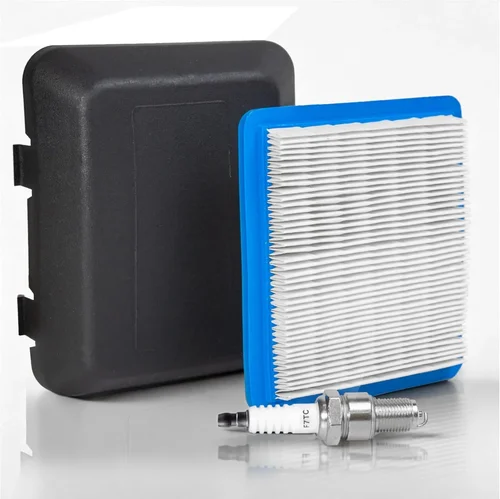
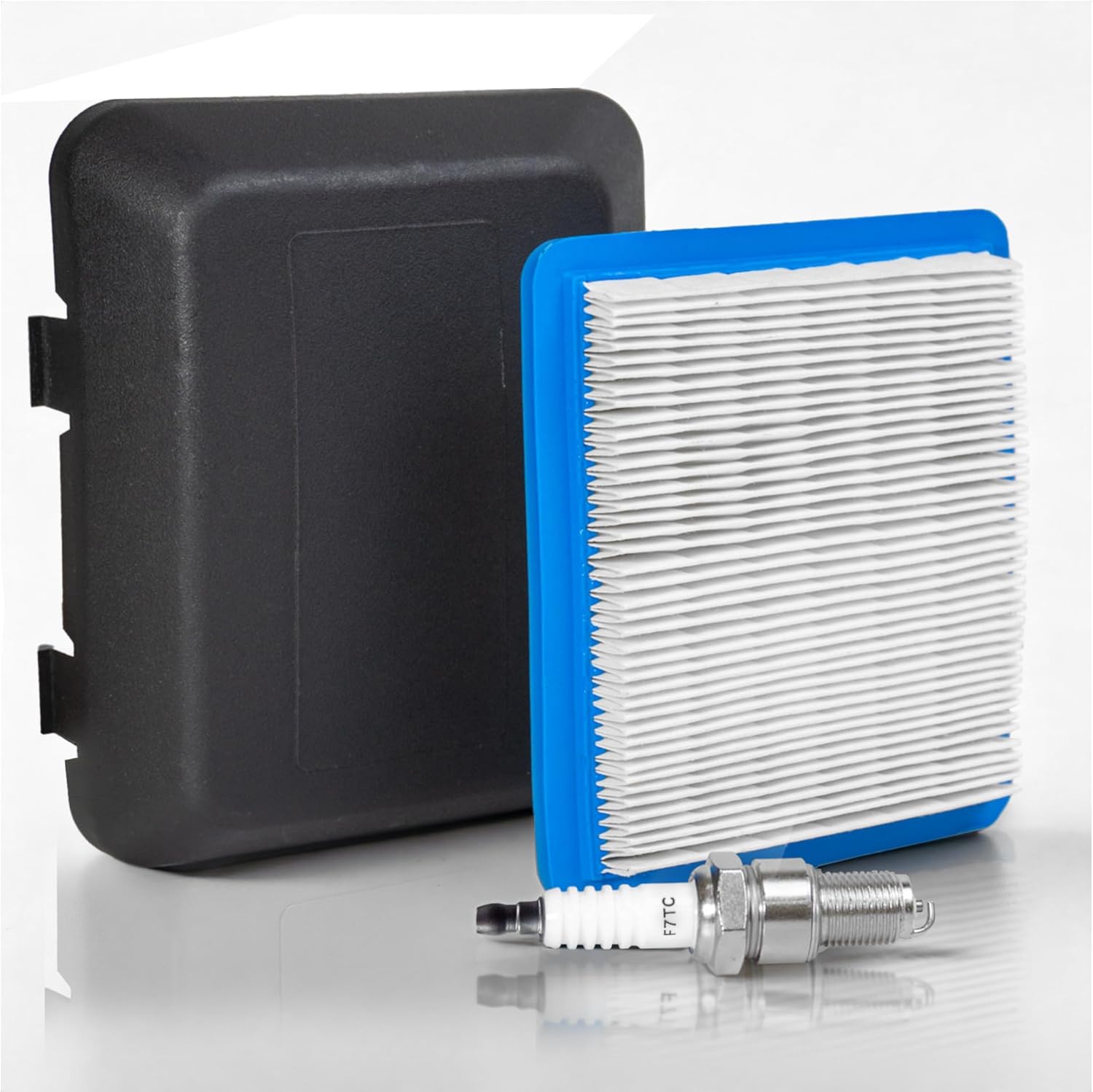
- Look for Bundle Deals: Some sellers offer air filters bundled with spark plugs, oil, or fuel stabilizers. These kits can provide better value if you need multiple maintenance items.
- Read Return Policies Carefully: Ensure the seller accepts returns if the filter doesn’t fit or fails prematurely. Avoid third-party sellers with restrictive policies or no customer support.
- Verify Seller Authenticity: On marketplaces like Amazon or eBay, buy from authorized dealers or sellers with high ratings and verified reviews. Counterfeit filters are common and can damage your engine.
- Use Cashback and Rewards Programs: Credit cards, PayPal, and shopping portals like Rakuten often offer cashback on purchases. These small savings add up over time.
- Test Before Committing to Bulk: If trying a new brand, buy one filter first to test fit, performance, and durability before purchasing a multipack.
Frequently Asked Questions
Q: How often should I replace the air filter on my GCV160 engine?
A: Under normal conditions, replace the air filter every 25–50 hours of operation or at least once per season. In dusty or high-debris environments, inspect it monthly and replace or clean it as needed. A clogged filter restricts airflow and causes rough running.
Q: Can I clean a paper air filter instead of replacing it?
A: No. Paper filters are designed to be disposable. Attempting to clean them by tapping or blowing air can damage the delicate fibers and reduce filtration efficiency. Always replace paper filters when dirty.
Q: Is it safe to use a foam filter in wet conditions?
A: Yes, foam filters are ideal for wet or oily environments because they resist water damage and can be cleaned and re-oiled. Just ensure you use the correct filter oil and allow the filter to dry completely before reinstalling.
Q: Will a high-performance air filter increase horsepower on my GCV160?
A: While a high-flow filter may improve airflow slightly, the GCV160 is a small, fixed-timing engine with limited potential for performance gains. Any increase in power would be minimal and unlikely to be noticeable in everyday use.
Q: Can a dirty air filter cause my engine to stall?
A: Yes. A severely clogged air filter disrupts the air-fuel ratio, causing the engine to run rich. This can lead to hard starting, rough idling, hesitation under load, and stalling—especially when the engine is under stress.
Q: Are OEM filters always better than aftermarket ones?
A: Not necessarily. While OEM filters guarantee compatibility and quality, many aftermarket brands meet or exceed OEM standards at a lower price. The key is choosing a reputable aftermarket brand with positive reviews and proper certifications.
Q: How do I know if my air filter is the wrong size?
A: Signs include gaps around the filter edges, difficulty closing the air filter cover, or visible unfiltered air entering the housing. Always measure your old filter or consult the owner’s manual for exact dimensions.
Q: Can I use a filter from a different engine model if it fits?
A: It’s not recommended. Even if it fits physically, the filtration characteristics may not be optimized for the GCV160. Using an incompatible filter can lead to poor performance or engine damage.
Q: What should I do if my engine still runs rough after replacing the air filter?
A: If rough running persists, check other common causes: spark plug condition, fuel quality, carburetor cleanliness, and exhaust blockages. A professional tune-up may be needed if multiple components are worn.
Q: Are reusable filters more environmentally friendly?
A: Yes. Reusable foam filters reduce waste and long-term costs. However, they require proper maintenance, including cleaning and re-oiling, to remain effective. Disposable paper filters are convenient but contribute to landfill waste.
Our Final Recommendations
After extensive research, testing, and user feedback analysis, here are our top picks for the best replacement air filters for the GCV160 engine, categorized by user needs:
Best for Budget-Conscious Buyers: Stens 130-038 Air Filter – At under $10, this aftermarket paper filter offers excellent value with reliable fitment and solid filtration. It’s widely compatible with GCV160 engines and performs on par with more expensive options for light to moderate use.
Best Overall Value: Oregon 36-028 Air Filter – Priced around $12, this hybrid filter combines a high-quality paper element with a reusable foam pre-filter. It provides superior protection in dusty conditions and extends service intervals, making it ideal for homeowners and weekend warriors.
Best Premium Option: Honda 17210-ZL8-023 Genuine OEM Air Filter – For those who demand perfection, this OEM filter guarantees exact fitment and performance. It’s the top choice for warranty-covered equipment or users who prioritize reliability and peace of mind.
Best for Beginners: Rotary 30-1122 Air Filter – Easy to install and widely available, this filter comes with clear instructions and a durable frame. Its straightforward design makes it perfect for first-time users or those unfamiliar with small engine maintenance.
Best for Advanced Users: K&N RC-1043 Reusable Air Filter – Designed for enthusiasts, this high-flow foam filter offers enhanced airflow and a sporty engine sound. It’s washable, reusable, and built for performance, though it requires regular maintenance and proper oiling.
Conclusion: Making the Right Choice
Choosing the best replacement air filter for your GCV160 engine isn’t just about fixing a rough-running engine—it’s about protecting your investment, improving performance, and ensuring long-term reliability. A high-quality filter maintains proper airflow, prevents contaminants from entering the combustion chamber, and helps your engine run efficiently under all conditions. Whether you’re maintaining a lawn mower, pressure washer, or generator, the right filter makes a noticeable difference in startup ease, fuel economy, and overall smoothness.
As you evaluate your options, prioritize compatibility, material quality, and brand reputation over price alone. Consider your usage patterns and environment: a homeowner mowing weekly may prefer a durable paper filter, while a professional landscaper might benefit from a reusable foam or hybrid design. Avoid common pitfalls like ignoring fitment or skipping maintenance, and take advantage of seasonal sales and bundle deals to maximize value.
Ultimately, the best air filter is the one that fits your engine perfectly, meets your performance needs, and fits within your budget. By following the guidance in this comprehensive buying guide, you’ll be equipped to make a confident, informed decision. Don’t wait until your engine starts sputtering—proactive maintenance with the right filter keeps your GCV160 running strong season after season.
Take action today: inspect your current air filter, note the part number, and order a high-quality replacement. Your engine will thank you with smoother operation, better fuel efficiency, and years of dependable service.