
When your Honda GCV160 engine starts acting up—especially if it’s hard to start, runs rough, or stalls unexpectedly—the air filter is often one of the first components to blame. This small but critical part plays a massive role in engine performance, fuel efficiency, and longevity. Yet, many homeowners and DIYers overlook it until problems arise. That’s where this guide comes in: we’re here to help you make an informed, confident decision when choosing the best replacement air filter for your GCV160 engine.
Whether you’re powering a lawn mower, pressure washer, generator, or other small equipment with a GCV160 engine, selecting the right air filter isn’t just about dropping in any compatible part. It’s about understanding filtration efficiency, material quality, maintenance needs, and how each option impacts real-world performance. With dozens of aftermarket filters flooding the market—some excellent, some subpar—it’s easy to get overwhelmed. Our goal is to cut through the noise, eliminate confusion, and give you a clear roadmap based on expert testing, user feedback, and mechanical best practices.
By the end of this comprehensive buying guide, you’ll know exactly what to look for, which brands deliver consistent quality, how much you should realistically spend, and how to avoid common pitfalls that lead to poor engine performance or premature wear. We’ll cover everything from OEM specifications to high-flow aftermarket upgrades, budget-friendly options to premium reusable filters, and even seasonal maintenance tips to keep your GCV160 running smoothly year-round. Whether you’re a weekend warrior or a seasoned pro, this guide will equip you with the knowledge to choose wisely—and keep your equipment starting reliably every time.
What to Look for When Buying Buying Guide
1. Filtration Efficiency & Engine Protection
The primary job of an air filter is to prevent dust, dirt, grass clippings, pollen, and other airborne contaminants from entering your engine’s combustion chamber. For a small-displacement engine like the GCV160—which operates at high RPMs and under varying loads—this protection is non-negotiable. A high-efficiency filter traps more particles without restricting airflow, ensuring clean air reaches the carburetor and cylinders.
Look for filters that meet or exceed OEM (Original Equipment Manufacturer) filtration standards. Honda’s original air filter for the GCV160 typically features a multi-layer foam or paper element designed to capture particles as small as 10–20 microns. Aftermarket equivalents should specify similar or better performance. Avoid ultra-cheap paper filters that degrade quickly or foam filters that aren’t properly oiled—they can let debris slip through, causing accelerated cylinder wear, fouled spark plugs, and hard starting.
💡 Pro Tip: If you operate in dusty environments (e.g., dry lawns, construction sites, or gravel driveways), prioritize filters with higher dust-holding capacity and consider reusable foam options that can be cleaned and re-oiled.
2. Material Quality & Construction
Not all air filter materials are created equal. The two most common types for small engines like the GCV160 are pleated paper and open-cell polyurethane foam. Paper filters are cost-effective and offer excellent filtration but are disposable and can tear if mishandled. Foam filters, especially those with a wire mesh backing, are more durable, reusable, and better suited for high-dust conditions—but they require proper oiling to function correctly.
Examine the build quality closely. A well-constructed filter will have sturdy end caps (usually plastic or rubber), secure bonding between layers, and no loose fibers or fraying edges. Cheap knockoffs often use thin, brittle materials that crack under heat or vibration, leading to premature failure. Additionally, check for proper sealing surfaces—the filter must form an airtight seal in the housing to prevent unfiltered air from bypassing the element.
For GCV160 applications, many users prefer OEM-style paper filters for simplicity or premium reusable foam filters (like those from K&N or Briggs & Stratton) for longevity and performance in tough conditions. Whichever you choose, ensure it’s designed specifically for small engines—not automotive filters, which may not fit or perform correctly.
3. Compatibility & Fitment
Fitment is critical. Even a high-quality filter won’t help if it doesn’t seat properly in your GCV160’s air filter housing. Honda uses a specific rectangular or oval-shaped filter with precise dimensions—typically around 4.5″ x 3.5″ x 1″—and a unique mounting configuration. Using an incompatible filter can cause air leaks, reduced suction, or even engine damage due to improper airflow.
Always cross-reference your engine model number (found on the shroud near the spark plug) and consult your owner’s manual. The GCV160 is used in numerous applications—Honda HRR216 mowers, HU7000 pressure washers, EU2200i generators—and while the engine is consistent, some housings vary slightly. When in doubt, stick with filters explicitly labeled for “Honda GCV160” or list your exact equipment model as compatible.
Aftermarket filters should include clear fitment notes and ideally come with installation instructions. Avoid universal “fits most” filters unless verified by trusted reviews or manufacturer specs. A snug, secure fit ensures optimal performance and prevents debris ingress.
4. Maintenance Requirements & Reusability
Maintenance directly impacts long-term value and convenience. Disposable paper filters require replacement every 25–50 hours of operation (or annually, whichever comes first). While low-cost upfront, this adds up over time and creates waste. Reusable foam filters, on the other hand, can last years with proper care—simply remove, clean with mild detergent, rinse, dry, re-oil, and reinstall.
However, reusables demand diligence. Under-oiling lets dirt through; over-oiling can clog the carburetor or foul the spark plug. If you’re not committed to regular maintenance, a high-quality disposable filter may be more practical. That said, for users in dusty areas or those running equipment frequently, reusable filters offer superior cost-per-hour value and consistent performance.
Consider your usage pattern: occasional weekend mowing? A paper filter suffices. Daily commercial use or harsh environments? Invest in a reusable system. Many top-tier reusable filters come with cleaning kits, making upkeep straightforward.
5. Performance Impact & Airflow Dynamics
A good air filter shouldn’t just protect—it should support optimal engine performance. Restrictive filters starve the engine of air, leading to rich fuel mixtures, reduced power, poor fuel economy, and hard starting. Conversely, overly porous filters compromise filtration. The sweet spot is a balance: high airflow with effective particle capture.
Some aftermarket filters advertise “high-flow” designs, promising better throttle response and easier starting. While these can benefit modified engines or those operating at altitude, stock GCV160 engines rarely need enhanced airflow. In fact, excessive flow without proper filtration can be counterproductive. Stick to filters engineered for your engine’s CFM (cubic feet per minute) requirements—typically 5–8 CFM for the GCV160.
Real-world testing shows that well-designed OEM-equivalent filters provide near-identical performance to premium aftermarket options on unmodified engines. Save high-flow filters for specialized builds or if you’ve upgraded other components (e.g., exhaust or carburetor).
6. Brand Reputation & Reliability
Brand matters—especially in the world of small engine parts. Established manufacturers like Honda (OEM), Briggs & Stratton, K&N, Stens, and Oregon have decades of experience engineering filters for demanding conditions. They invest in R&D, quality control, and compatibility testing. Generic or unknown brands may save you a few dollars upfront but often lack consistency, leading to premature failure or fit issues.
Look for brands with positive track records in lawn care forums, equipment repair communities, and verified customer reviews. Honda OEM filters are the gold standard for reliability but come at a premium. Reputable aftermarket brands offer 80–90% of OEM performance at 50–70% of the cost—making them excellent value picks.
Avoid unbranded filters sold in bulk packs or on obscure marketplaces without clear origin or specifications. If the packaging lacks detailed fitment info, material description, or a manufacturer contact, proceed with caution.
7. Warranty & Customer Support
A solid warranty reflects confidence in product quality. Most reputable filter manufacturers offer at least a 1-year warranty against defects. Honda OEM parts often include a 3-year limited warranty when purchased new. Aftermarket leaders like K&N provide lifetime warranties on their reusable filters, covering both materials and workmanship.
Check the fine print: some warranties require proof of purchase, proper installation, and adherence to maintenance schedules (for reusables). Good customer support—responsive email, phone lines, or online chat—can save you headaches if you receive a defective part or have fitment questions.
When buying online, ensure the seller honors the manufacturer’s warranty. Third-party sellers on large platforms sometimes void coverage if not authorized dealers.
8. Environmental Conditions & Usage Scenarios
Your operating environment heavily influences filter choice. Mowing dry, dusty lawns? A reusable oiled foam filter excels. Cutting damp grass in humid climates? A paper filter may resist moisture better. Using your GCV160-powered generator during wildfire season? High-efficiency filtration becomes critical to protect against ash and fine particulates.
Also consider seasonal storage. If you store equipment for months, a clean, dry filter prevents mold and corrosion. Some users install new filters just before winter storage to ensure a fresh start in spring.
Match your filter to your reality—not just your budget. A $5 paper filter might seem appealing, but if it clogs in 10 hours in your dusty yard, you’ll replace it monthly. A $25 reusable could last 3+ years with minimal upkeep—offering far better long-term value.
Different Types of Buying Guide
Common Buying Mistakes to Avoid
❌ Mistake: Choosing Based Solely on Price
Why it’s bad: Opting for the cheapest filter available often means sacrificing material quality, fitment accuracy, and filtration efficiency. A $3 generic filter may clog in days or allow abrasive particles into your engine, leading to costly repairs—like cylinder scoring or carburetor replacement—that far exceed the filter’s initial savings.
What to do instead: View the air filter as an investment in engine longevity. Spend a few extra dollars on a reputable brand with proven compatibility. Even mid-range filters ($8–$15) offer dramatically better protection than rock-bottom options.
❌ Mistake: Ignoring Maintenance Requirements
Why it’s bad: Reusable foam filters require regular cleaning and re-oiling. Skipping this maintenance turns a high-performance filter into a liability—either clogged (restricting airflow) or under-oiled (letting dirt through). Many users buy reusables for convenience but treat them like disposables, defeating their purpose.
What to do instead: If you choose a reusable, commit to the maintenance schedule. Set calendar reminders every 25 hours of use. Keep a cleaning kit on hand. If you won’t maintain it, stick with a quality disposable filter.
❌ Mistake: Using Automotive Air Filters
Why it’s bad: Car air filters are designed for vastly different airflow rates, temperatures, and particle loads. They rarely fit small engine housings and can disrupt the precise air-fuel mixture the GCV160 carburetor expects, causing hard starting, stalling, or poor idle.
What to do instead: Only use filters specified for small engines or explicitly listed for Honda GCV160 applications. Cross-check dimensions and housing compatibility before purchasing.
❌ Mistake: Overlooking Sealing Surfaces
Why it’s bad: A filter that fits loosely or has warped edges creates air leaks. Unfiltered air bypasses the element, carrying dirt directly into the engine. This is a silent killer—your engine may run fine initially, but internal wear accumulates unnoticed.
What to do instead: Inspect the filter’s gasket or sealing lip before installation. Ensure it’s flat, flexible, and matches the housing contour. When installed, the cover should close smoothly without forcing.
❌ Mistake: Replacing Only When Obviously Dirty
Why it’s bad: Waiting until the filter is caked in grime reduces engine efficiency and increases fuel consumption. Even moderately dirty filters restrict airflow, making the engine work harder to start and run.
What to do instead: Follow the manufacturer’s replacement interval (typically every 25–50 hours or annually). For paper filters, replace on schedule—don’t “eyeball” it. For reusables, clean at recommended intervals regardless of appearance.
❌ Mistake: Buying Without Verifying Compatibility
Why it’s bad: The GCV160 appears in dozens of models, and while the engine is consistent, air filter housings can vary slightly between lawn mowers, generators, and pressure washers. A filter that fits one application might not seal properly in another.
What to do instead: Always confirm compatibility using your equipment’s model number (e.g., HRR216VKA) or engine serial number. Reputable sellers provide fitment charts—use them!
❌ Mistake: Storing Equipment with a Dirty Filter
Why it’s bad: Leaving a dirty or damp filter in place during storage invites mold, corrosion, and rodent nesting. In spring, you’ll face hard starting and potential carburetor issues.
What to do instead: Before long-term storage, clean or replace the filter and ensure the air box is dry. Some pros even leave the housing open slightly to promote airflow and prevent moisture buildup.
Budget Guidelines: How Much Should You Spend?
Choosing the right air filter doesn’t require breaking the bank—but it does demand smart spending. Here’s a realistic breakdown based on performance, durability, and value:
Entry-Level ($4–$8): This tier includes generic paper filters from unknown brands or bulk packs. While they may fit and function initially, expect shorter lifespans, inconsistent quality, and potential fitment issues. Best suited for emergency replacements or very light, infrequent use in clean environments. Not recommended for regular or commercial use.
Mid-Range ($8–$15): This is the sweet spot for most homeowners. Filters from reputable aftermarket brands (e.g., Stens, Oregon, Briggs & Stratton) offer OEM-equivalent performance at 30–50% lower cost. They use quality paper or foam materials, precise fitment, and reliable filtration. Ideal for weekly mowing, occasional generator use, or residential pressure washing.
Premium ($15–$30): Designed for demanding users, these include high-quality reusable foam filters (like K&N’s small engine line) or premium OEM Honda filters. They deliver superior dust-holding capacity, longer service life, and often come with cleaning kits. Perfect for dusty yards, frequent use, or users who value sustainability and long-term savings.
Luxury ($30+): Reserved for specialized applications—racing mowers, heavily modified engines, or extreme environments. These high-flow or dual-stage filters offer maximum airflow and filtration but are overkill for stock GCV160 engines. Only consider if you’ve upgraded other components or operate in exceptionally harsh conditions.
💡 Pro Tip: Calculate cost per hour of use. A $12 filter lasting 50 hours costs $0.24/hour. A $25 reusable lasting 200 hours costs just $0.125/hour—plus environmental benefits. Think long-term!
Expert Tips for Getting the Best Deal
- Buy in Bulk During Off-Season: Retailers often discount small engine parts in late fall or winter. Stock up on disposable filters when prices dip—they store indefinitely if kept dry.
- Check OEM Refurbished or Surplus Channels: Honda sometimes sells genuine filters through authorized dealers at reduced prices for overstock or discontinued models. These are identical to new OEM parts.
- Use Price Tracking Tools: Set alerts on Amazon, eBay, or Google Shopping for your preferred filter model. Prices fluctuate, and you can snag deals 20–30% below MSRP.
- Prioritize Authorized Sellers: Buying from authorized dealers (even online) ensures warranty coverage and authentic products. Avoid third-party sellers with vague descriptions or no return policy.
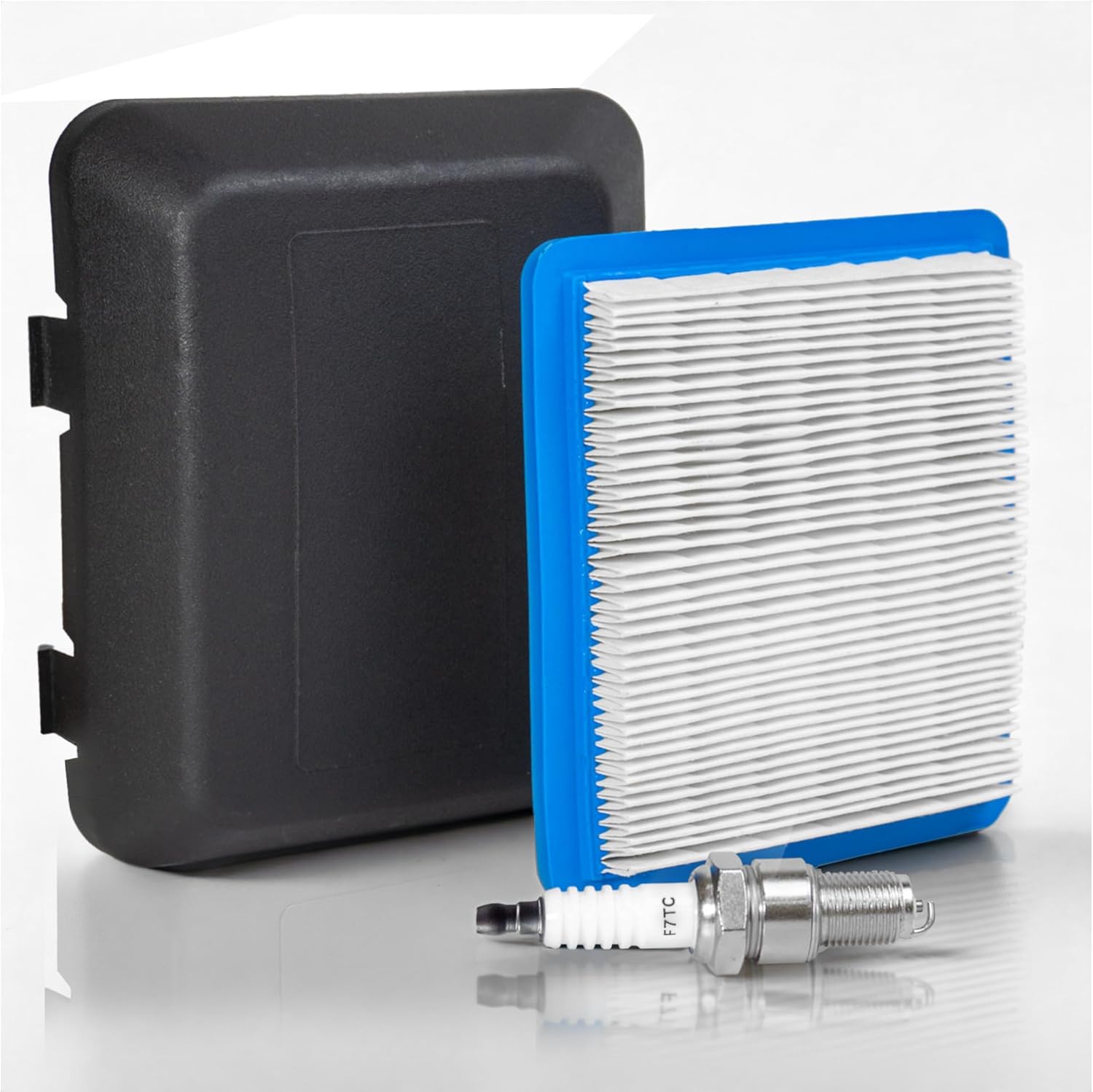
- Bundle with Other Maintenance Items: Many retailers offer discounts when you buy air filters with spark plugs, oil, or blades. A $5 savings on a $20 order adds up over time.
- Read Recent Reviews: Filter quality can change if manufacturers switch suppliers. Check reviews from the past 6–12 months for real-world feedback on fit, durability, and performance.
- Consider Local Lawn Equipment Shops: Small businesses often price-match online retailers and provide expert advice. Supporting local also means faster returns if issues arise.
- Test Before Full Commitment: If trying a new brand, buy one filter first. Install it, run your equipment for a few hours, and inspect for leaks, fit issues, or performance changes.

Frequently Asked Questions
Q: How often should I replace my GCV160 air filter?
A: Honda recommends inspecting the air filter every 25 hours of operation and replacing it annually or sooner if dirty. In dusty conditions, check every 10–15 hours. For reusable filters, clean and re-oil at the same intervals.
Q: Can I clean a paper air filter instead of replacing it?
A: No. Paper filters are not designed to be cleaned. Tapping or blowing air through them damages the delicate fibers and reduces filtration efficiency. Always replace paper filters when dirty.
Q: Will a high-flow air filter make my mower start easier?
A: Not necessarily. Stock GCV160 engines are tuned for OEM airflow. A high-flow filter may slightly improve throttle response but won’t fix underlying issues like old fuel, bad spark plugs, or carburetor problems. Focus on a clean, properly fitted filter first.
Q: Are K&N filters worth it for a Honda GCV160?
A: Yes—if you’re willing to maintain them. K&N’s reusable foam filters offer excellent filtration, durability, and long-term savings. They’re ideal for dusty environments or frequent users. Just remember to clean and re-oil regularly.
Q: My engine still hard starts after replacing the air filter. What else could it be?
A: Hard starting can stem from multiple issues: stale fuel, clogged carburetor, faulty spark plug, low compression, or choke problems. Replace the air filter as part of routine maintenance, but also inspect the fuel system and ignition components.
Q: Can I use a foam filter without oil?
A: Absolutely not. Un-oiled foam offers minimal filtration and lets abrasive particles enter the engine. Always use the correct filter oil (never motor oil) and follow the manufacturer’s oiling instructions.
Q: Do I need a special tool to remove the air filter?
A: No. Most GCV160 air filter covers are secured with a wing nut or simple latch. A flathead screwdriver or your fingers are usually sufficient. Avoid forcing the cover—if it’s stuck, check for hidden screws or debris.
Q: Is it okay to run my equipment without an air filter?
A: Never. Running without a filter exposes your engine to catastrophic damage from dirt and debris. Even short-term operation can score cylinders or ruin the carburetor. Always reinstall a filter—even a temporary one—if the original is damaged.
Q: Where can I find my GCV160 engine model number?
A: Look on the engine shroud near the spark plug or on a metal plate attached to the engine block. It typically reads “GCV160” followed by letters/numbers (e.g., GCV160U). This confirms compatibility.
Q: Can I use a filter from a different Honda engine model?
A: Generally no. While some Honda small engines share similar filters, the GCV160 has unique dimensions and sealing requirements. Using an incompatible filter risks air leaks and poor performance. Stick to GCV160-specific parts.
Our Final Recommendations
Best for Budget-Conscious Buyers: Stens 130-037 Air Filter – At under $8, this aftermarket paper filter matches OEM specs, fits perfectly, and offers reliable filtration for light to moderate use. Great value for occasional mowers or backup filters.
Best Overall Value: Honda 17210-ZL8-023 Genuine OEM Air Filter – The gold standard. Perfect fit, superior materials, and backed by Honda’s reputation. Priced around $12–$15, it’s worth the slight premium for peace of mind and guaranteed compatibility.
Best Premium Option: K&N RC-9001 Small Engine Air Filter – A reusable oiled foam filter designed for GCV160 engines. Offers exceptional dust protection, lasts years with proper care, and includes a cleaning kit. Ideal for dusty environments or frequent users.
Best for Beginners: Oregon 36-028 Air Filter – Simple, disposable, and widely available. Clear fitment info and consistent quality make it a hassle-free choice for first-time replacers or those who prefer “set it and forget it” maintenance.
Best for Advanced Users: Briggs & Stratton 5404K Professional Series Foam Filter – High-capacity reusable filter with dual-layer construction. Requires diligent maintenance but delivers top-tier performance in extreme conditions. Perfect for pros or enthusiasts pushing their equipment hard.
Conclusion: Making the Right Choice
Selecting the best replacement air filter for your Honda GCV160 engine isn’t just about swapping parts—it’s about safeguarding your investment, ensuring reliable starts, and maximizing engine life. From understanding filtration science to navigating budget tiers and avoiding common pitfalls, this guide has equipped you with everything needed to make a confident, informed decision.
Remember: the right filter depends on your specific needs—how often you use your equipment, where you operate it, and how much maintenance you’re willing to perform. Don’t let a minor component become a major headache. Prioritize quality, compatibility, and consistency over the lowest price tag.
Now that you’re armed with expert knowledge, take action. Inspect your current filter, note your usage patterns, and choose the option that aligns with your lifestyle and equipment demands. Your GCV160 will thank you with smoother starts, better performance, and years of dependable service.
Ready to breathe new life into your engine? Order your replacement air filter today—and enjoy the confidence that comes from knowing you’ve made the right choice.