
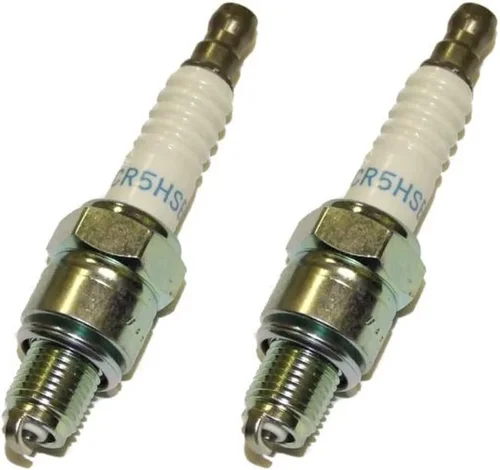
When it comes to maintaining your Honda HRX217 lawn mower, few components are as critical—and often overlooked—as the spark plug. This small but mighty part is the heart of your mower’s ignition system, responsible for igniting the air-fuel mixture that powers the engine with each pull of the starter cord. A failing or worn-out spark plug can lead to hard starts, rough idling, reduced fuel efficiency, and even complete engine failure if left unaddressed. For homeowners who rely on their HRX217 for consistent, professional-grade cutting performance, choosing the right spark plug isn’t just a maintenance task—it’s a necessity for reliability, longevity, and optimal mowing results.
That’s where this comprehensive buying guide comes in. Whether you’re a seasoned DIYer or a first-time mower owner, navigating the world of spark plugs can feel overwhelming. With countless brands, types, and price points on the market, how do you know which one is truly right for your Honda HRX217? This guide cuts through the noise and delivers expert-level insights tailored specifically to your mower model. You’ll learn how to identify the correct spark plug specifications, understand the differences between OEM and aftermarket options, avoid common purchasing pitfalls, and make a confident decision that keeps your HRX217 running smoothly season after season. We’ll also break down where to buy, what to look for in quality and performance, and how to stretch your budget without sacrificing reliability.
The spark plug market is vast, ranging from budget-friendly generic replacements to premium OEM (Original Equipment Manufacturer) parts designed exclusively for Honda engines. While it might be tempting to grab the cheapest option available, doing so could cost you more in the long run through premature wear, poor engine performance, or even damage to internal components. On the other hand, overspending on unnecessary features or over-engineered plugs may not deliver proportional benefits for a residential lawn mower like the HRX217. Our goal is to help you strike the perfect balance between cost, quality, and compatibility—so you get the best possible value without compromising on performance. By the end of this guide, you’ll have all the knowledge and tools needed to purchase the ideal spark plug for your Honda HRX217 with confidence.

What to Look for When Buying Buying Guide
1. Compatibility with Honda HRX217 Engine
The single most important factor when selecting a spark plug for your Honda HRX217 is compatibility. The HRX217 is powered by a GCV190 engine, which requires a specific spark plug type to function correctly. Using an incompatible plug—even one that fits physically—can result in improper combustion, reduced power output, increased emissions, and potential engine damage over time. Always verify that the spark plug you’re considering is explicitly listed as compatible with the Honda GCV190 engine or the HRX217 model. Most reputable manufacturers will include a compatibility chart or vehicle lookup tool on their product pages. Don’t rely solely on “fits Honda” claims—cross-reference part numbers and engine specs to ensure a perfect match.
2. OEM vs. Aftermarket Options
One of the first decisions you’ll face is whether to go with an OEM (Original Equipment Manufacturer) spark plug from Honda or an aftermarket alternative from brands like NGK, Denso, or Bosch. OEM plugs are engineered specifically for your mower’s engine and are guaranteed to meet Honda’s exacting standards for performance, durability, and fit. They often come pre-gapped and are rigorously tested for consistency. Aftermarket plugs, particularly from top-tier brands, can offer comparable—or even superior—performance at a lower price point. However, quality varies widely among aftermarket manufacturers, so it’s crucial to stick with well-established names and avoid no-name or off-brand options that may use inferior materials or inconsistent manufacturing processes.
3. Electrode Material and Design
The material and design of the spark plug’s electrode significantly impact its lifespan, ignition efficiency, and resistance to fouling. Most modern spark plugs use either copper, platinum, or iridium in their center electrodes. Copper-core plugs are the most affordable and offer excellent conductivity, making them a solid choice for standard applications like the HRX217. However, they typically have a shorter service life. Platinum and iridium plugs are more durable and maintain their gap longer, which translates to more consistent spark delivery over time. For the HRX217, a standard copper or single/double platinum plug is usually sufficient—iridium is often overkill unless you’re pushing the engine beyond normal operating conditions. Also pay attention to the electrode design: fine-wire electrodes improve ignition but may cost more.
4. Heat Range and Gap Specification
Every spark plug has a designated “heat range,” which determines how quickly it dissipates heat from the combustion chamber. Using a plug with the wrong heat range can cause pre-ignition (if too hot) or fouling (if too cold), both of which harm engine performance and longevity. The Honda GCV190 engine requires a specific heat range—typically around 6 (on NGK’s scale)—so always confirm this before purchasing. Additionally, the spark plug gap—the distance between the center and ground electrodes—must be set correctly. The HRX217 calls for a gap of approximately 0.028 inches (0.7 mm). Many new plugs come pre-gapped, but it’s wise to double-check with a feeler gauge before installation. Incorrect gapping is a common cause of hard starts and misfires.
5. Build Quality and Durability
Not all spark plugs are created equal, even if they share the same part number. Look for signs of high build quality: a robust ceramic insulator, a well-sealed metal shell, and precise threading that matches your engine’s cylinder head. Cheaply made plugs may have inconsistent welds, poor insulation, or weak electrode materials that degrade quickly under heat and vibration. Since the HRX217 operates in dusty, wet, and variable conditions, your spark plug must withstand environmental stressors without failing. Reputable brands invest in quality control and materials science to ensure their plugs deliver reliable performance over hundreds of operating hours. Avoid plugs with flimsy packaging or vague labeling—these are red flags for subpar manufacturing.
6. Brand Reputation and Reliability
When it comes to automotive and small engine components, brand reputation matters. Established manufacturers like NGK, Denso, Bosch, and Honda have decades of experience engineering spark plugs for demanding applications. They invest heavily in R&D, testing, and quality assurance, which translates to products you can trust. While lesser-known brands may offer tempting low prices, they often lack the same level of consistency and support. Reading user reviews and checking professional ratings (such as those from lawn care forums or mechanic communities) can provide valuable insight into real-world performance. Stick with brands that have a proven track record with Honda small engines—your mower will thank you.
7. Warranty and Return Policy
A good warranty or return policy is a strong indicator of a manufacturer’s confidence in their product. Most reputable spark plug brands offer at least a limited warranty against defects in materials or workmanship. While spark plugs are consumable items and not typically covered for wear-related failure, a solid return policy allows you to exchange a defective or incompatible plug without hassle. When shopping online, check the retailer’s return window and restocking fees. In-store purchases should come with a clear exchange policy. This is especially important if you’re buying in bulk or trying a new brand for the first time—having the option to return or swap gives you peace of mind and protects your investment.
8. Ease of Installation and Availability
Even the best spark plug is useless if it’s difficult to install or hard to find when you need a replacement. The HRX217 has a relatively accessible spark plug location, but some aftermarket plugs may have non-standard lengths or thread pitches that complicate removal or installation. Always confirm that the plug you choose matches the original in physical dimensions. Additionally, consider availability: if you opt for a niche or specialty plug, you may struggle to find replacements locally during peak mowing season. Choosing a widely available part from a major brand ensures you can get a replacement quickly, whether online or at your local hardware store, farm supply center, or small engine shop.
Different Types of Buying Guide

Common Buying Mistakes to Avoid
❌ Mistake: Ignoring the Correct Part Number
Why it’s bad: Many buyers assume that any spark plug labeled “for Honda” will work in their HRX217. However, Honda produces dozens of small engine models, each with unique requirements. Using the wrong part number—even by a slight variation—can lead to incorrect heat range, improper gap, or physical incompatibility. This often results in hard starts, poor fuel economy, or engine knocking.
What to do instead: Always cross-reference your owner’s manual or the existing spark plug’s part number (usually stamped on the side). For the HRX217, the OEM part number is typically Honda 98079-56846 or equivalent NGK BPR6ES. Verify this before purchasing, and use retailer compatibility tools to double-check.
❌ Mistake: Choosing Based Solely on Price
Why it’s bad: While saving a few dollars upfront is tempting, ultra-cheap spark plugs often use inferior materials and loose tolerances. They may fail prematurely, cause misfires, or even damage the ignition coil due to inconsistent spark output. Over time, this leads to higher maintenance costs and frustration.
What to do instead: Focus on value, not just cost. A mid-range plug from a reputable brand like NGK or Denso offers the best balance of affordability and reliability. Think of the spark plug as a small investment in your mower’s overall health—skimping here can cost you more down the road.
❌ Mistake: Overlooking Pre-Gapping Verification
Why it’s bad: Even if a plug is labeled “pre-gapped,” manufacturing variances or shipping damage can alter the gap. Installing a plug with an incorrect gap—especially one that’s too wide—can prevent the engine from starting or cause it to run rough under load.
What to do instead: Always measure the gap with a quality feeler gauge before installation. The HRX217 requires 0.028 inches (0.7 mm). If adjustment is needed, gently bend the ground electrode—never the center electrode—to avoid cracking the insulator.
❌ Mistake: Buying the Wrong Heat Range
Why it’s bad: A spark plug that’s too hot can cause pre-ignition, leading to engine knocking, overheating, and potential piston damage. One that’s too cold won’t burn off carbon deposits, resulting in fouling and hard starts—especially in humid or wet conditions common during lawn mowing.
What to do instead: Stick to the manufacturer-recommended heat range for the GCV190 engine. Unless you’ve modified your mower (e.g., high-compression piston or performance carburetor), there’s no benefit to deviating from the stock specification.
❌ Mistake: Purchasing from Unreliable Sellers
Why it’s bad: Online marketplaces and discount retailers sometimes sell counterfeit or expired spark plugs. These may look authentic but lack proper certification, use degraded materials, or have been stored improperly (e.g., in high humidity), compromising performance.
What to do instead: Buy from authorized dealers, reputable online retailers (like Amazon, Home Depot, or Small Engine Warehouse), or local small engine shops. Check seller ratings and return policies. If a deal seems too good to be true, it probably is.
❌ Mistake: Delaying Replacement Beyond Recommended Intervals
Why it’s bad: Spark plugs wear out over time. Continuing to use a worn plug reduces efficiency, increases emissions, and stresses other engine components. The HRX217’s manual recommends replacement every 100 hours of operation or annually—whichever comes first.
What to do instead: Keep a maintenance log and replace the spark plug on schedule. If you notice hard starting, rough idle, or decreased cutting power, inspect the plug immediately—it may need replacement sooner due to extreme conditions.
❌ Mistake: Not Considering Local Climate and Usage
Why it’s bad: Operating your HRX217 in hot, dusty, or humid environments accelerates spark plug wear. A standard plug may foul quickly in wet grass or clog with debris in dry, dusty yards.
What to do instead: In harsh conditions, consider a slightly colder heat range plug (if approved by Honda) or a platinum/iridium option for better resistance to fouling. Also, clean around the spark plug base before removal to prevent dirt from entering the cylinder.
Budget Guidelines: How Much Should You Spend?
- Entry-Level ($2–$6): This tier includes generic or no-name spark plugs, often sold in multi-packs or as “universal” replacements. While they may physically fit your HRX217, they typically use low-grade materials and inconsistent manufacturing. Expect shorter lifespan, potential misfires, and higher risk of failure. Only consider this range for emergency roadside fixes—not regular maintenance.
- Mid-Range ($5–$12): This is the sweet spot for most HRX217 owners. Brands like NGK (BPR6ES) and compatible OEM equivalents offer excellent reliability, proper heat range, and consistent performance at an affordable price. These plugs are widely available, pre-gapped, and built to last a full mowing season or more. Ideal for homeowners who want dependable performance without overspending.
- Premium ($10–$20): Platinum and double-platinum plugs from Denso or Bosch fall into this category. They feature advanced electrode designs and superior materials that extend service life and maintain optimal gap over time. While not necessary for typical residential use, they’re a great choice if you mow frequently, operate in tough conditions, or simply prefer “set it and forget it” maintenance.
- Luxury ($15+): Iridium and double-iridium plugs represent the top tier. They offer the longest lifespan and most consistent spark but come at a significant premium. For the HRX217—a consumer-grade mower—these are generally overkill unless you’re a perfectionist or plan to keep the mower for 10+ years. The performance gains rarely justify the cost for everyday use.
Expert Tips for Getting the Best Deal
- Buy During Off-Season: Spark plugs are often discounted in late fall or winter when lawn care demand drops. Stock up during these months to save 10–20% compared to spring and summer prices.
- Use Retailer Loyalty Programs: Stores like Home Depot, Lowe’s, and Tractor Supply Co. offer rewards programs that give you points or discounts on future purchases. Combine these with seasonal sales for maximum savings.
- Check Small Engine Specialty Shops: Local dealers that service Honda mowers often carry OEM and high-quality aftermarket plugs. They may also offer free gap checking or installation advice—something big-box stores rarely provide.
- Compare Online Marketplaces: Use price comparison tools on Amazon, eBay, and Google Shopping to find the lowest price from a verified seller. Filter by “ships from Amazon” or “sold by authorized dealer” to avoid counterfeits.
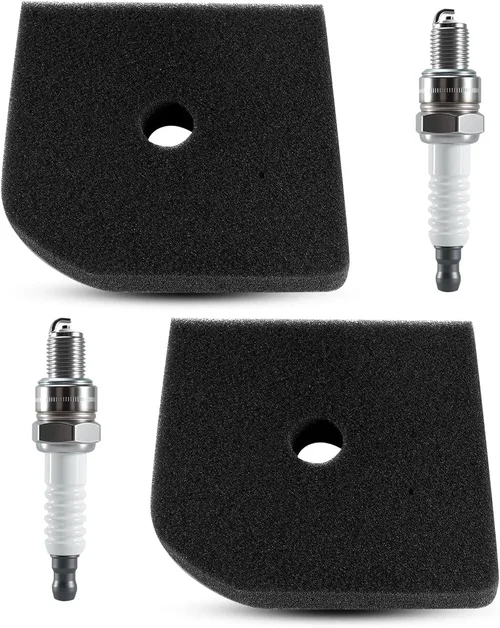
- Look for Bundled Deals: Some retailers sell spark plug + air filter + oil change kits together at a discount. If you’re due for routine maintenance, these bundles can save you money and ensure all parts are compatible.
- Read Recent Reviews: Product quality can change over time. Check reviews from the past 6–12 months to ensure the plug you’re buying still performs as expected—especially for aftermarket brands.
- Ask About Core Returns: Some shops offer a small credit if you return your old spark plug. While not common for small engines, it’s worth asking—especially at local repair centers.
- Verify Return Windows: If you’re unsure about compatibility, choose a retailer with a generous return policy (30+ days). This gives you time to test the plug and return it if it doesn’t perform well.

Frequently Asked Questions
Q: What is the correct spark plug for a Honda HRX217?
A: The Honda HRX217 uses a spark plug compatible with the GCV190 engine. The OEM part number is Honda 98079-56846, which cross-references to NGK BPR6ES or Denso W20EPR-U. Always confirm compatibility using your owner’s manual or a trusted parts lookup tool.
Q: Can I use an iridium spark plug in my HRX217?
A: Technically, yes—but it’s usually unnecessary. Iridium plugs are designed for high-performance or high-mileage applications. For a standard residential mower like the HRX217, a copper or platinum plug provides excellent performance at a lower cost. Save iridium for vehicles or equipment under extreme stress.
Q: How often should I replace the spark plug in my HRX217?
A: Honda recommends replacing the spark plug every 100 hours of operation or once per year, whichever comes first. If you notice hard starting, rough running, or reduced power, inspect the plug immediately—it may need replacement sooner.
Q: Do I need to gap the spark plug before installing it?
A: Most new plugs come pre-gapped to 0.028 inches (0.7 mm), which is correct for the HRX217. However, always verify with a feeler gauge. Shipping or handling can sometimes alter the gap.
Q: Will a cheap spark plug damage my mower?
A: While it won’t cause immediate catastrophic failure, a low-quality plug can lead to poor combustion, increased emissions, fouling, and premature wear on the ignition system. Over time, this can reduce engine efficiency and lifespan.
Q: Where is the best place to buy a spark plug for my HRX217?
A: Reputable options include Honda dealerships, Home Depot, Lowe’s, Amazon (sold by authorized dealers), and small engine specialty shops. Avoid unknown online sellers or discount bins with no branding.
Q: Can I clean and reuse an old spark plug?
A: You can clean a mildly fouled plug with a wire brush or specialized cleaner, but once the electrode is worn or the gap has widened significantly, replacement is the only safe option. Reusing a degraded plug risks engine damage.
Q: What happens if I install the spark plug too tight?
A: Over-tightening can crack the ceramic insulator or strip the threads in the cylinder head—both expensive repairs. Use a torque wrench if possible (Honda specifies ~13 ft-lbs), or hand-tighten plus a quarter turn with a socket.
Q: Are all NGK BPR6ES plugs the same?
A: Generally, yes—but always buy from a reputable source. Counterfeit NGK plugs exist and may lack proper certification or performance. Look for the NGK logo, proper packaging, and a verified seller.
Q: Does the spark plug affect fuel efficiency?
A: Yes. A worn or incorrect spark plug can cause incomplete combustion, leading to wasted fuel and reduced runtime. A fresh, properly gapped plug ensures efficient burning and optimal fuel economy.
Our Final Recommendations
- Best for Budget-Conscious Buyers: NGK BPR6ES – At $5–$8, this copper-core plug offers Honda-grade performance at a fraction of the OEM price. Widely available and pre-gapped, it’s the go-to choice for cost-effective reliability.
- Best Overall Value: OEM Honda 98079-56846 – If you want guaranteed compatibility and peace of mind, the genuine Honda plug is worth the slight premium. It’s engineered specifically for your mower and comes with Honda’s quality assurance.
- Best Premium Option: Denso W20EPR-U (Platinum) – For those who prefer longer intervals between replacements, this platinum plug maintains its gap and performance far beyond standard copper plugs. Ideal for frequent mowers or harsh conditions.
- Best for Beginners: NGK BPR6ES (sold at Home Depot or Lowe’s) – Easy to find, clearly labeled, and often sold with helpful in-store support. Perfect for first-time DIYers who want a hassle-free experience.
- Best for Advanced Users: Bosch Double Iridium FR7DPP33+ – While overkill for most, this plug offers maximum durability and ignition precision. Recommended only if you’re meticulous about maintenance or operate in extreme environments.
Conclusion: Making the Right Choice
Choosing the right spark plug for your Honda HRX217 doesn’t have to be complicated—but it does require attention to detail. From verifying compatibility and heat range to balancing budget with build quality, every decision impacts your mower’s performance, reliability, and longevity. By prioritizing reputable brands, following manufacturer specifications, and avoiding common pitfalls, you’ll ensure your HRX217 starts easily, runs smoothly, and delivers that signature Honda cutting power season after season.
Remember, the spark plug is more than just a replaceable part—it’s a critical component that influences everything from fuel efficiency to engine health. Don’t treat it as an afterthought. Invest in quality, stay consistent with maintenance, and your mower will reward you with years of dependable service. Whether you’re a weekend warrior or a meticulous lawn care enthusiast, the right spark plug is out there—and now you know exactly how to find it.
So grab your owner’s manual, check your current plug’s condition, and make your purchase with confidence. Your Honda HRX217 deserves nothing less than the best. Happy mowing!