
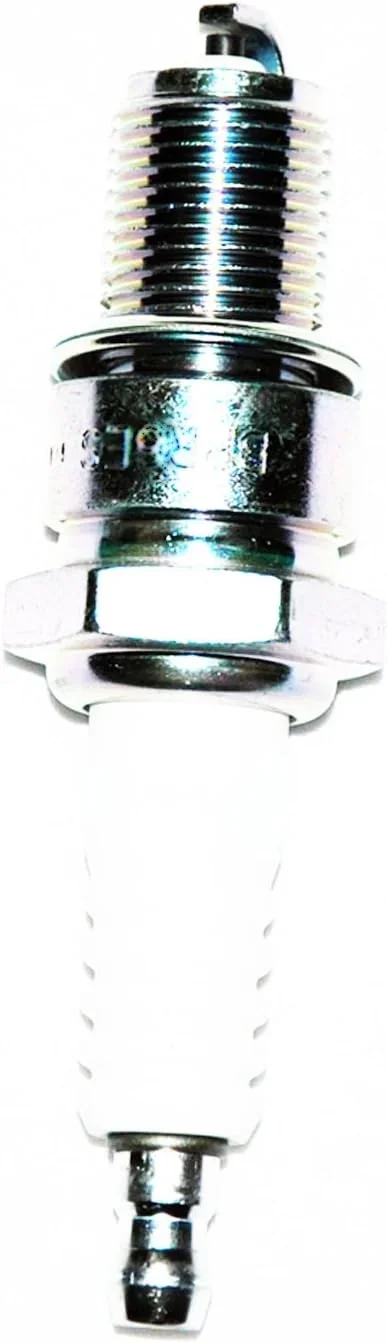
If your Honda HRX217 lawnmower is stalling, sputtering, or refusing to start, there’s a strong chance the culprit is a worn-out spark plug. While it might seem like a minor component, the spark plug plays a critical role in engine performance—especially in precision-engineered machines like the HRX217. This guide exists because too many homeowners overlook simple maintenance tasks like spark plug replacement, only to face frustrating downtime, costly repairs, or even premature engine failure. Whether you’re a seasoned DIYer or a first-time lawnmower owner, understanding how to choose and buy the right spark plug can save you time, money, and headaches.
In this comprehensive buying guide, you’ll learn everything you need to know about selecting the best spark plug for your Honda HRX217. We’ll walk you through the key factors to consider—from compatibility and performance specs to brand reputation and budget—so you can make an informed decision. You’ll also discover where to buy high-quality spark plugs, how to avoid common pitfalls, and what expert tips can help you get the best deal. With the HRX217 being one of Honda’s most popular residential mowers, the market offers a wide range of options, but not all are created equal. Some spark plugs are OEM (original equipment manufacturer), while others are aftermarket alternatives that may or may not meet Honda’s exacting standards. By the end of this guide, you’ll be equipped with the knowledge to confidently purchase a spark plug that ensures reliable starts, smooth operation, and long-term engine health.

What to Look for When Buying Spark Plugs for Honda HRX217
1. OEM vs. Aftermarket Compatibility
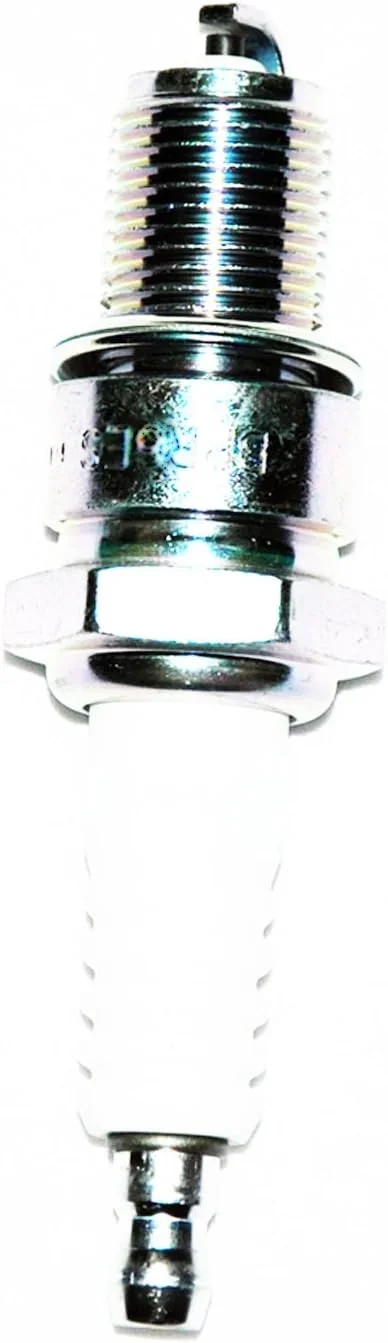
One of the most important decisions you’ll make is whether to go with an OEM (Original Equipment Manufacturer) spark plug or an aftermarket alternative. Honda specifically recommends the NGK BPR6ES or Denso W20EPR-U for the HRX217, and using these exact models ensures optimal performance and longevity. OEM spark plugs are engineered to meet Honda’s precise specifications, including heat range, thread size, and electrode gap. Aftermarket plugs can work, but they vary widely in quality. Some brands, like Champion or Autolite, offer compatible models, but you must verify the exact part number and specifications. Using an incompatible plug can lead to misfires, poor fuel efficiency, or even engine damage over time.
2. Heat Range and Thermal Performance
The heat range of a spark plug determines how well it dissipates heat from the combustion chamber. If the plug runs too hot, it can cause pre-ignition or detonation. If it runs too cool, it may foul with carbon deposits, leading to stalling or hard starts. The HRX217’s engine is designed for a specific heat range—typically a “6” in NGK’s numbering system (as in BPR6ES). This means the plug is engineered to maintain optimal operating temperatures under normal mowing conditions. Choosing a plug with a different heat range (e.g., BPR5ES or BPR7ES) can disrupt combustion efficiency. Always stick to the recommended heat range unless you’ve modified the engine or operate in extreme conditions.
3. Electrode Material and Design
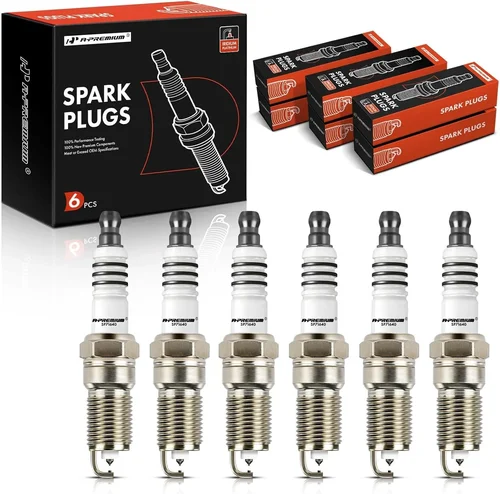
Spark plugs come with different electrode materials—copper, nickel, platinum, or iridium—each offering varying levels of durability and performance. The standard NGK BPR6ES uses a nickel-alloy electrode, which is reliable and cost-effective for most homeowners. However, if you want longer service life and improved ignition efficiency, consider upgrading to a platinum or iridium plug, such as the NGK BPR6EIX (iridium IX series). Iridium plugs have a finer center electrode, which requires less voltage to fire and provides a more consistent spark. This can be especially beneficial if your HRX217 has been experiencing intermittent stalling or weak starts. While these premium plugs cost more upfront, they can last up to 100,000 miles (or several seasons of mowing), reducing long-term maintenance.
4. Gap Specification and Adjustability
The spark plug gap—the distance between the center and ground electrode—must be set correctly for proper ignition. For the Honda HRX217, the recommended gap is 0.028 to 0.031 inches (0.7 to 0.8 mm). Many spark plugs come pre-gapped, but it’s always wise to verify with a feeler gauge before installation. Incorrect gapping is a common cause of stalling, misfires, or hard starting. If the gap is too wide, the ignition system may not generate enough voltage to jump the spark. If it’s too narrow, the spark may be weak and incomplete. Some aftermarket plugs may require manual adjustment, so choose a plug that either comes pre-gapped to spec or is easy to adjust without damaging the electrodes.
5. Thread Size and Reach
Physical compatibility is non-negotiable. The HRX217 uses a spark plug with a 14mm thread diameter and a half-inch (12.7mm) reach. Using a plug with the wrong thread size or reach can result in cross-threading, improper sealing, or even damage to the cylinder head. A plug that’s too short won’t protrude enough into the combustion chamber, while one that’s too long can interfere with the piston. Always confirm these dimensions when selecting a replacement. Most reputable brands list compatibility charts, so cross-check your mower’s model number (e.g., HRX217HXA, HRX217VXA) to ensure a perfect fit.
6. Brand Reputation and Quality Control
Not all spark plug brands are created equal. Honda, NGK, and Denso are industry leaders known for rigorous quality control and consistent performance. These brands invest heavily in research and development to ensure their plugs meet or exceed OEM standards. Lesser-known or generic brands may offer lower prices, but they often lack the same level of precision and durability. A poorly manufactured spark plug can fail prematurely, cause engine knocking, or even damage the ignition coil. Stick with trusted brands to avoid these risks. Reading user reviews and checking for certifications (like ISO 9001) can also help you gauge reliability.
7. Warranty and Return Policy
Even high-quality spark plugs can occasionally be defective. That’s why it’s important to buy from retailers that offer a solid return policy or warranty. Most reputable auto parts stores and online retailers allow returns within 30 days if the product is unopened or defective. Some manufacturers, like NGK, offer limited warranties against defects in materials and workmanship. Before purchasing, check the seller’s return policy—especially if buying online. Avoid third-party sellers on marketplaces with no clear return process. A good warranty gives you peace of mind and protects your investment.
8. Price vs. Value
Spark plugs for the HRX217 typically range from $5 to $20, depending on the brand and material. While it’s tempting to go for the cheapest option, remember that this small component plays a big role in engine health. A $5 generic plug may save you money upfront but could lead to more frequent replacements or engine issues down the line. Conversely, a $18 iridium plug may seem expensive, but its extended lifespan and improved performance often justify the cost. Focus on value—not just price. Consider how often you mow, the condition of your mower, and whether you plan to keep it long-term. For most homeowners, a mid-range platinum or high-quality nickel plug offers the best balance of cost and performance.
Different Types of Spark Plugs for Honda HRX217
Common Buying Mistakes to Avoid
❌ Mistake: Ignoring the Owner’s Manual
Why it’s bad: The owner’s manual specifies the exact spark plug type, gap, and replacement interval for your HRX217. Skipping this step can lead to using the wrong plug, which may cause stalling, poor fuel economy, or engine damage.
What to do instead: Always consult your manual or Honda’s online parts lookup tool before purchasing. If you’ve lost the manual, download it from Honda’s official website using your model and serial number.
❌ Mistake: Buying Based on Price Alone
Why it’s bad: The cheapest spark plug isn’t always the best value. Low-quality plugs may fail prematurely, requiring more frequent replacements and potentially damaging the ignition system.
What to do instead: Focus on total cost of ownership. A slightly more expensive iridium plug may last three times longer than a copper one, saving you time and money in the long run.
❌ Mistake: Assuming All “Compatible” Plugs Are Equal
Why it’s bad: Just because a plug fits doesn’t mean it performs well. Some aftermarket plugs have incorrect heat ranges or poor electrode materials, leading to inconsistent ignition.
What to do instead: Stick to brands with proven track records (NGK, Denso, Honda) and verify compatibility using official cross-reference charts.
❌ Mistake: Not Checking the Gap Before Installation
Why it’s bad: Even pre-gapped plugs can be mishandled during shipping or storage. An incorrect gap can cause misfires, hard starts, or stalling—exactly the problems you’re trying to fix.
What to do instead: Always measure the gap with a feeler gauge and adjust if necessary. Use a wire-type gauge to avoid damaging the electrodes.
❌ Mistake: Buying from Unreliable Sellers
Why it’s bad: Counterfeit or expired spark plugs are common on some online marketplaces. These may look genuine but fail quickly or cause engine issues.
What to do instead: Purchase from authorized dealers, reputable auto parts stores, or Honda dealerships. Look for seller ratings and return policies.
❌ Mistake: Replacing Only When the Mower Fails
Why it’s bad: Waiting until your HRX217 stalls or won’t start can lead to frustration and emergency repairs. Spark plugs wear out gradually, and early replacement prevents downtime.
What to do instead: Follow Honda’s recommended maintenance schedule—typically every 100 hours of use or annually, whichever comes first.
❌ Mistake: Overlooking Other Causes of Stalling
Why it’s bad: While a bad spark plug is a common cause of stalling, it’s not the only one. Ignoring fuel filters, air filters, or carburetor issues can lead to repeated problems.
What to do instead: Perform a full diagnostic check. Replace the spark plug as part of a broader maintenance routine, including air filter replacement and fuel system cleaning.
Budget Guidelines: How Much Should You Spend?
When it comes to spark plugs for the Honda HRX217, your budget should reflect your usage patterns, mower condition, and long-term goals. Here’s a breakdown of what to expect at different price points:
- Entry-Level ($5–$8): This range includes basic copper-core plugs from brands like Champion or Autolite. These are fine for occasional use and short-term fixes, but they typically last only one to two mowing seasons. Best for budget-conscious buyers who mow infrequently or are troubleshooting a stalling issue temporarily.
- Mid-Range ($9–$14): This is the sweet spot for most homeowners. OEM nickel plugs (like the NGK BPR6ES) and platinum upgrades offer excellent reliability, proper heat range, and compatibility. They last 2–3 seasons with regular use and provide consistent performance. Ideal for weekly mowers who want dependable starts and smooth operation.
- Premium ($15–$20): Iridium and multi-electrode plugs fall into this category. They offer superior durability, improved ignition efficiency, and resistance to fouling. Perfect for those who mow large lawns, deal with wet grass, or want to minimize maintenance over time. Also a great choice if your HRX217 is older and needs a performance boost.
- Luxury ($20+): While rare for lawnmower spark plugs, some high-end racing or industrial-grade plugs exceed $20. These are overkill for residential use but may be considered by collectors or enthusiasts restoring vintage Honda mowers. For most users, the premium tier offers the best return on investment.
Expert Tips for Getting the Best Deal
- Buy During Off-Season: Spark plugs are often discounted in late fall or winter when lawn care demand drops. Retailers like AutoZone, O’Reilly, and Amazon run promotions to clear inventory. Stock up during these sales for spring mowing.
- Use Manufacturer Rebates: NGK and Denso occasionally offer mail-in rebates on spark plugs. Check their websites or packaging for current promotions. These can save you $2–$5 per plug.
- Shop at Honda Dealerships for OEM Guarantees: While slightly more expensive, Honda dealerships sell genuine OEM parts with full compatibility guarantees. If you’re unsure about aftermarket options, this is the safest route.
- Compare Online vs. In-Store Prices: Online retailers like Amazon, RockAuto, and Summit Racing often have lower prices than brick-and-mortar stores. However, factor in shipping costs and return policies. Sometimes, local stores match online prices—just ask.
- Check for Bundle Deals: Some retailers offer discounts when you buy spark plugs with other maintenance items like air filters, oil, or blades. These bundles can save you 10–15% overall.
- Read Recent User Reviews: Look for reviews from other HRX217 owners. They’ll often mention real-world performance, fit issues, or longevity. Avoid products with consistent complaints about fouling or premature failure.
- Verify Return Policies Before Buying: Even the best spark plugs can be defective. Ensure the seller allows returns within 30 days, especially if buying online. Avoid third-party sellers with no clear return process.
- Consider Lifetime vs. Performance: If you plan to keep your HRX217 for many years, invest in a premium plug now. The upfront cost is offset by reduced maintenance and improved reliability over time.

Frequently Asked Questions
Q: How often should I replace the spark plug in my Honda HRX217?
A: Honda recommends replacing the spark plug every 100 hours of operation or once per year, whichever comes first. If your mower is stalling or hard to start, inspect the plug immediately—it may need replacement sooner.
Q: Can I clean and reuse a spark plug instead of replacing it?
A: While you can clean a fouled spark plug with a wire brush or plug cleaner, it’s not recommended for long-term use. Over time, electrodes wear down, and the gap changes. Replacement is the safest and most reliable solution.
Q: Will a better spark plug improve my mower’s performance?
A: A high-quality plug can improve ignition efficiency, leading to easier starts, smoother idle, and better throttle response. However, it won’t increase horsepower. The biggest benefit is reliability and reduced stalling.
Q: What if my HRX217 still stalls after replacing the spark plug?
A: Stalling can also be caused by a dirty carburetor, clogged fuel filter, bad fuel, or air filter issues. Replace the spark plug as part of a full tune-up, including fuel system cleaning and air filter replacement.
Q: Are iridium spark plugs worth the extra cost?
A: Yes, if you mow frequently or want to minimize maintenance. Iridium plugs last significantly longer and provide a more consistent spark, which can be especially helpful in older engines or challenging conditions.
Q: Can I use a spark plug from a different Honda mower model?
A: Only if it’s the exact same part number (e.g., BPR6ES). Different Honda mowers may use different plugs. Always verify compatibility using your HRX217’s model number.
Q: Where is the best place to buy a spark plug for the HRX217?
A: Authorized Honda dealers, auto parts stores (AutoZone, O’Reilly, Advance Auto), and reputable online retailers (Amazon, RockAuto) are all good options. Choose based on price, convenience, and return policy.
Q: How do I know if my spark plug is bad?
A: Signs include hard starting, stalling, rough idle, poor acceleration, or black soot on the electrode. Remove the plug and inspect it—if the electrode is worn, cracked, or heavily fouled, it’s time for a replacement.
Q: Do I need special tools to replace the spark plug?
A: You’ll need a spark plug socket (usually 13/16” or 21mm), a ratchet, and a feeler gauge to check the gap. A boot puller can help remove the wire without damaging it.
Q: Can I install the spark plug myself?
A: Yes! Replacing a spark plug is one of the easiest DIY maintenance tasks. Just ensure the engine is cool, disconnect the spark plug wire, remove the old plug, gap the new one, and install it by hand before tightening with a socket.
Our Final Recommendations
- Best for Budget-Conscious Buyers: Champion RJ19LM – A reliable copper-core plug at an affordable price. Great for occasional use or temporary fixes.
- Best Overall Value: NGK BPR6ES – The OEM-recommended plug. Offers perfect fit, reliable performance, and wide availability. Ideal for most homeowners.
- Best Premium Option: NGK BPR6EIX (Iridium IX) – Superior durability and ignition performance. Perfect for frequent mowers or those wanting to minimize future maintenance.
- Best for Beginners: Denso W20EPR-U – Easy to install, pre-gapped, and compatible with the HRX217. A great choice if you’re new to mower maintenance.
- Best for Advanced Users: NGK BPR6EVX (Platinum) – Offers a balance of performance and longevity. Ideal for those who perform regular tune-ups and want consistent results.
Conclusion: Making the Right Choice
Choosing the right spark plug for your Honda HRX217 isn’t just about fixing a stalling problem—it’s about ensuring your mower runs reliably season after season. By focusing on compatibility, quality, and value, you can avoid common pitfalls and make a purchase that supports long-term engine health. Remember, the spark plug is a small but vital component. Investing in a high-quality replacement from a trusted brand can prevent future breakdowns, improve performance, and save you money on repairs.
As you shop, keep in mind your specific needs: how often you mow, the condition of your mower, and your budget. Whether you go with an OEM nickel plug for everyday reliability or upgrade to iridium for maximum longevity, the key is to make an informed decision. Don’t wait until your HRX217 leaves you stranded on mowing day—replace that spark plug proactively, and enjoy smooth, trouble-free operation all season long.
Take action today. Check your owner’s manual, inspect your current spark plug, and order a replacement from a reputable seller. Your lawn—and your peace of mind—will thank you.