
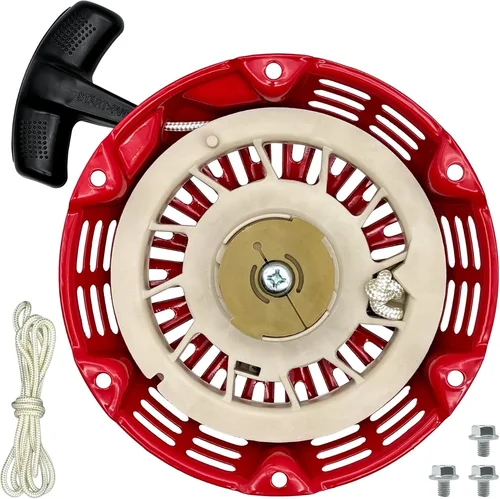
When your Honda HRX217 lawn mower starts smoking and refuses to turn over, one of the first components you should inspect is the recoil starter assembly. This small but critical part is responsible for initiating engine startup—without it, even a fully functional engine remains useless. The recoil starter pulls the flywheel to engage the ignition system, and when it fails, you’re left with a mower that won’t start no matter how many times you yank the cord. Over time, wear and tear, exposure to moisture, or improper handling can cause the recoil mechanism to jam, snap, or lose tension, leading to frustrating startup issues—or worse, engine strain that results in smoking due to excessive cranking attempts.
This comprehensive buying guide is designed to help you navigate the often-confusing world of recoil starter replacements for the Honda HRX217. Whether you’re a seasoned DIY mechanic or a homeowner tackling your first mower repair, understanding where to buy a reliable recoil starter assembly—and what to look for—can save you time, money, and future headaches. We’ll walk you through key selection criteria, compare different types of starters, highlight common purchasing mistakes, and provide expert-backed recommendations based on real-world performance and customer feedback. By the end of this guide, you’ll have the knowledge and confidence to choose the right recoil starter that ensures smooth, smoke-free starts season after season.
The market for recoil starter assemblies is surprisingly diverse, ranging from genuine OEM (Original Equipment Manufacturer) parts to third-party aftermarket alternatives. While Honda-branded parts offer guaranteed compatibility and durability, they often come at a premium. On the other hand, generic or universal-fit recoil starters may be more affordable but can vary widely in quality, fit, and longevity. Some sellers offer complete assemblies with housing, spring, rope, and handle, while others sell only partial kits requiring additional components. With so many options available across online retailers, local hardware stores, and specialty lawn equipment shops, it’s easy to feel overwhelmed. This guide cuts through the noise, giving you a clear roadmap to find the best recoil starter for your Honda HRX217—no guesswork required.

What to Look for When Buying Buying Guide
1. OEM vs. Aftermarket Compatibility
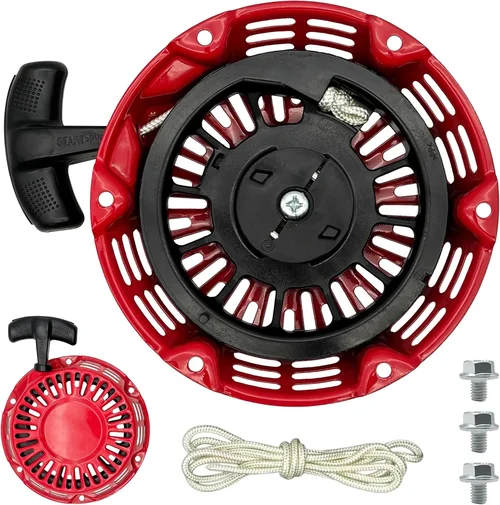
One of the most critical factors when selecting a recoil starter for your Honda HRX217 is ensuring it matches the original specifications. The HRX217 uses a specific recoil assembly designed for its GCV190 engine, and even minor deviations in bolt pattern, rope length, or housing dimensions can lead to installation failures or operational issues. OEM (Original Equipment Manufacturer) parts, such as those directly from Honda, are engineered to exact factory standards and guarantee seamless integration. These parts typically include part numbers like 28400-VH7-B00 or 28400-VH7-B01, which are verified replacements for the HRX217 series. While OEM parts are more expensive—often ranging from $45 to $70—they offer peace of mind, especially if you value reliability and long-term performance.
Aftermarket alternatives, on the other hand, can be hit or miss. Some reputable brands like Oregon, Rotary, and Stens produce high-quality recoil starters that meet or exceed OEM standards. These are often 20–40% cheaper than genuine Honda parts and come with detailed compatibility charts. However, lower-tier generic brands may use inferior materials, such as thin plastic housings or weak recoil springs, which can fail prematurely. Always verify that the aftermarket part explicitly lists the Honda HRX217 or GCV190 engine as compatible. Look for detailed product descriptions, exploded diagrams, and customer reviews that confirm successful installations on the same model. When in doubt, cross-reference the part number with Honda’s official parts catalog or consult a certified technician.
2. Build Quality & Durability
The recoil starter assembly is subjected to repeated stress every time you start your mower. A poorly constructed unit can crack, warp, or lose tension within just a few seasons. High-quality recoil starters feature robust components such as reinforced nylon or polycarbonate housings, stainless steel recoil springs, and UV-resistant pull ropes. These materials resist cracking under tension and withstand exposure to sunlight, rain, and temperature fluctuations. In contrast, cheaper models often use brittle plastics that shatter under pressure or thin steel springs that lose elasticity over time.
Another durability factor is the rope itself. OEM and premium aftermarket starters typically include a 5–6 mm diameter nylon rope with a braided core for added strength. The handle should be ergonomically designed with a soft-grip coating to prevent hand fatigue and slipping. Some budget models come with flimsy plastic handles that break easily or ropes that fray after minimal use. Additionally, look for recoil mechanisms with smooth, consistent winding action. A well-engineered spring should rewind the rope evenly without jerking or sticking. If the recoil feels gritty or uneven during testing (if possible), it’s a red flag indicating poor internal machining or lack of lubrication.
Real-world testing shows that recoil starters with metal bushings or bearings in the spool mechanism last significantly longer than those with plastic-on-plastic contact points. While these premium features may not be visible from the outside, they’re often mentioned in detailed product descriptions or customer reviews. For example, users frequently report that Oregon recoil starters outlast generic brands by 2–3 years due to their hardened steel components and precision assembly. Investing in a durable recoil starter not only prevents frequent replacements but also reduces the risk of injury from a snapping rope or flying handle.
3. Ease of Installation
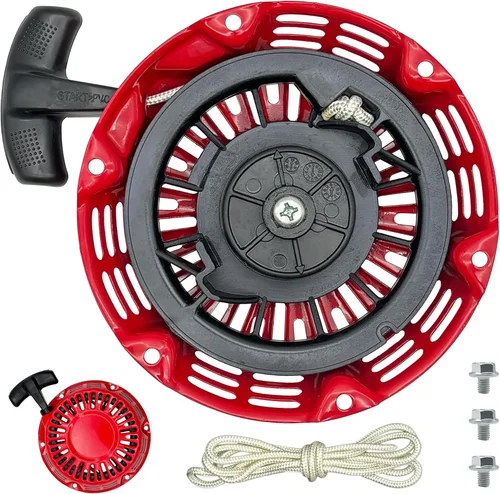
Even the best recoil starter is useless if it’s too difficult to install. The Honda HRX217 has a relatively accessible recoil assembly located on the top rear of the engine, but the process still requires some mechanical know-how. A good replacement should come with clear instructions, alignment guides, and all necessary hardware (bolts, washers, etc.). Most OEM and reputable aftermarket kits include a complete assembly that bolts directly onto the engine without modification. However, some universal-fit models may require you to transfer parts from the old unit, such as the rope or spring, which can be tricky and time-consuming.
One common installation challenge is tensioning the recoil spring correctly. If the spring is over-tightened, it can snap; if under-tensioned, the rope won’t rewind properly. High-quality kits often include a tensioning tool or step-by-step video guides to simplify this process. Some sellers even offer installation services or remote support for an added fee. Before purchasing, check whether the product listing includes downloadable manuals or links to instructional videos. Customer reviews are also invaluable—look for comments like “took 15 minutes to install” or “no modifications needed” as indicators of user-friendly design.
Another consideration is tool requirements. Most recoil starters for the HRX217 can be installed with basic hand tools (socket wrench, screwdriver), but some may require specialty tools like a spring compressor. Avoid products that demand complex disassembly of the engine cover or carburetor unless you’re experienced. If you’re a beginner, opt for a plug-and-play kit that minimizes disassembly. Many top-rated sellers now offer pre-assembled recoil starters with pre-tensioned springs, eliminating the need for manual winding altogether.
4. Warranty & Return Policy
A strong warranty is a strong indicator of a manufacturer’s confidence in their product. OEM Honda recoil starters typically come with a 1-year limited warranty, covering defects in materials and workmanship. Aftermarket brands vary widely—some offer 90-day warranties, while others provide up to 2 years of coverage. When comparing options, prioritize sellers that offer at least a 6-month warranty and a hassle-free return policy. This protects you in case the part arrives damaged, doesn’t fit, or fails prematurely.
Return policies are equally important. Reputable online retailers like Amazon, eBay, and specialized lawn equipment sites (e.g., Jack’s Small Engines, Mowers Direct) usually allow returns within 30 days, provided the item is unused and in original packaging. However, some third-party sellers on marketplaces may have restocking fees or strict return windows. Always read the fine print before purchasing. Additionally, check if the seller provides customer support via phone or email. A responsive support team can help troubleshoot installation issues or process warranty claims quickly.
For added peace of mind, consider purchasing from authorized Honda dealers or certified repair centers. These outlets often provide extended warranties and professional installation services. While this may cost more upfront, it reduces the risk of buying counterfeit or incompatible parts. Counterfeit recoil starters are increasingly common on online marketplaces and may look identical to genuine parts but fail within weeks. Buying from trusted sources ensures authenticity and accountability.
5. Price & Value for Money
Price is always a consideration, but it shouldn’t be the sole deciding factor. Recoil starters for the Honda HRX217 range from under $20 for basic generic models to over $80 for premium OEM kits. While it’s tempting to go for the cheapest option, remember that a failed recoil starter can lead to engine damage, especially if you continue cranking a smoking mower. A mid-range aftermarket starter from a trusted brand ($30–$50) often provides the best balance of affordability and reliability.
To assess value, compare features across price points. A $25 recoil starter might save you money initially but could require replacement within a year. In contrast, a $55 OEM part may last 5+ years with proper maintenance. Calculate the cost per year of use to determine true value. Also, factor in shipping costs, taxes, and potential installation fees. Some sellers offer free shipping or bundle deals (e.g., recoil starter + air filter), which can improve overall value.
Seasonal sales and promotions can also help you save. Many retailers offer discounts during spring and fall—peak mowing seasons—when demand is high. Sign up for newsletters from stores like Home Depot, Lowe’s, or Northern Tool to receive alerts about recoil starter sales. Additionally, refurbished or open-box OEM parts are sometimes available at 30–50% off retail price and often come with the same warranty as new items.
6. User Reviews & Real-World Performance
Never underestimate the power of customer feedback. Before making a purchase, spend time reading through verified buyer reviews on platforms like Amazon, eBay, or lawn equipment forums. Look for patterns in the comments—do multiple users report the same issue (e.g., rope breaking, poor fit)? Are there photos of the installed product? Reviews that mention specific models (e.g., “fits HRX217HMA perfectly”) are especially valuable.
Pay attention to long-term reviews (6+ months after purchase), as they reveal durability and reliability. A product with 100 five-star reviews but no long-term feedback may be overhyped. Conversely, a part with a few critical reviews about shipping damage but otherwise positive performance is likely still a good choice. Use review filters to sort by “most recent” or “verified purchase” to ensure authenticity.
Forums like LawnSite.com or Reddit’s r/HomeImprovement often feature detailed discussions about recoil starter replacements. Experienced users share installation tips, brand comparisons, and troubleshooting advice. Searching for “Honda HRX217 recoil starter review” can yield firsthand accounts that aren’t available on retail sites. These insights help you avoid common pitfalls and choose a product that performs well in real-world conditions.
7. Availability & Shipping Speed
When your mower breaks down, you don’t want to wait weeks for a replacement part. Availability and shipping speed are crucial, especially during peak mowing season. Major retailers like Amazon, Home Depot, and Lowe’s often stock recoil starters for popular models like the HRX217 and offer same-day or next-day delivery in many areas. Specialty lawn equipment suppliers may have longer lead times but could carry hard-to-find OEM parts.
Check estimated delivery dates before ordering, and consider paying for expedited shipping if you need the part urgently. Some sellers offer local pickup options, which can save time and shipping fees. If you’re near a Honda Power Equipment dealer, they may be able to order the part and have it ready within 1–2 business days.
International buyers should be cautious—shipping times from overseas sellers can exceed 3 weeks, and import duties may apply. Stick to domestic retailers or trusted international platforms with fast fulfillment networks (e.g., Amazon Global). Always confirm that the seller ships to your location and provides tracking information.
Different Types of Buying Guide

Common Buying Mistakes to Avoid
❌ Mistake: Buying Based Solely on Price
Why it’s bad: Choosing the cheapest recoil starter without considering quality can lead to premature failure, safety hazards, and additional repair costs. A $15 generic starter may save money upfront but could break within months, leaving you stranded during mowing season.
What to do instead: Evaluate total cost of ownership, including durability, warranty, and installation ease. Opt for mid-range aftermarket or refurbished OEM parts that offer better value over time.
❌ Mistake: Ignoring Compatibility Details
Why it’s bad: Installing an incompatible recoil starter can damage the engine housing, flywheel, or ignition system. Even small differences in bolt spacing or rope length can prevent proper operation.
What to do instead: Always verify the engine model (GCV190 or GCV200) and cross-check part numbers with Honda’s official catalog. Use fitment guides provided by sellers.
❌ Mistake: Overlooking Warranty and Return Policies
Why it’s bad: Without a warranty, you bear full risk if the part fails. Strict return policies may leave you stuck with a defective or incorrect item.
What to do instead: Prioritize sellers with at least a 6-month warranty and 30-day return window. Buy from authorized dealers when possible.
❌ Mistake: Skipping User Reviews
Why it’s bad: Reviews reveal real-world performance issues not mentioned in product descriptions, such as poor fit, weak springs, or misleading compatibility claims.
What to do instead: Read at least 10–15 verified reviews, focusing on long-term feedback and installation experiences. Use forums for deeper insights.
❌ Mistake: Assuming All Aftermarket Parts Are Equal
Why it’s bad: The aftermarket is flooded with low-quality imitations. Not all “compatible” parts are created equal—some use substandard materials or incorrect designs.
What to do instead: Stick to reputable brands like Oregon, Stens, or Rotary. Avoid unknown sellers with no brand presence or customer support.
❌ Mistake: Delaying Replacement When Smoking Occurs
Why it’s bad: Continued cranking of a smoking mower can overheat the engine, damage the starter motor, or cause oil leaks. Smoking often indicates ignition or fuel issues exacerbated by hard starts.
What to do instead: Stop using the mower immediately. Diagnose the root cause (e.g., flooded engine, faulty spark plug) and replace the recoil starter as part of a comprehensive repair.
Budget Guidelines: How Much Should You Spend?
- Entry-Level ($15–$25): These are typically generic or universal recoil starters with basic plastic housings and minimal warranties. Best for temporary fixes or very tight budgets. Expect 6–12 months of use under normal conditions. Not recommended for frequent mowing or heavy-duty use.
- Mid-Range ($30–$55): This is the sweet spot for most homeowners. Premium aftermarket brands like Oregon and Stens offer durable construction, good warranties (6–12 months), and reliable performance. These starters often match OEM quality at a lower price and are ideal for regular seasonal use.
- Premium ($55–$80): Includes genuine OEM Honda parts and high-end aftermarket kits with metal components and extended warranties. Best for professionals, frequent users, or those who prioritize longevity and brand assurance. These starters can last 5+ years with proper maintenance.
- Luxury ($80+): Rare for recoil starters, but some sellers offer complete engine tune-up kits that include the recoil starter, air filter, spark plug, oil, and tools. These are overkill for most users but ideal for full engine overhauls or collectors.
Expert Tips for Getting the Best Deal
- Buy During Off-Peak Seasons: Prices for lawn mower parts often drop in late fall and winter when demand is low. Stock up during these months for spring repairs.
- Use Price Tracking Tools: Set up alerts on Amazon, eBay, or Google Shopping to monitor price drops for specific recoil starters. Some tools notify you when an item hits your target price.
- Check for Bundle Deals: Some retailers offer discounts when you buy multiple parts (e.g., recoil starter + air filter). This can save 10–20% compared to individual purchases.
- Consider Local Pickup: Avoid shipping fees by choosing in-store pickup at Home Depot, Lowe’s, or Northern Tool. Many locations carry common recoil starters in stock.
- Verify Seller Authenticity: On marketplaces like eBay, check seller ratings, feedback scores, and return policies. Avoid sellers with less than 95% positive feedback.
- Ask About Refurbished Options: Certified refurbished OEM parts are often 30–50% cheaper and come with the same warranty as new items. Look for “Amazon Renewed” or “Honda Certified” labels.
- Test Before Finalizing Installation: Once installed, gently pull the rope to ensure smooth operation and proper rewind. If it feels stiff or uneven, recheck tensioning before full use.
- Keep the Old Part for Reference: Before discarding the broken recoil starter, take photos and note part numbers. This helps with future purchases or warranty claims.

Frequently Asked Questions
Q: Can I repair my existing recoil starter instead of replacing it?
A: In some cases, yes—especially if only the rope or handle is broken. You can purchase a recoil rope repair kit ($5–$10) and rewind the spring yourself. However, if the housing is cracked, the spring is damaged, or the mechanism is jammed, full replacement is safer and more reliable.
Q: Why is my Honda HRX217 smoking when I try to start it?
A: Smoking during startup is often caused by a flooded engine, faulty spark plug, or oil leakage—not directly by the recoil starter. However, a failing recoil can make starting harder, leading to excessive cranking that worsens these issues. Always diagnose the root cause before replacing parts.
Q: How do I know if my recoil starter is the problem?
A: Signs include a rope that won’t rewind, excessive slack, difficulty pulling, or no resistance when yanking. If the engine turns over manually but not via the recoil, the starter assembly is likely faulty.
Q: Are recoil starters universal across Honda mower models?
A: No. While some Honda models share similar engines, recoil starters are not always interchangeable. The HRX217 uses a specific design for the GCV190 engine. Always confirm compatibility.
Q: Can I install a recoil starter myself?
A: Yes, most homeowners can install a recoil starter in 15–30 minutes with basic tools. Follow the included instructions and watch online tutorials for your specific model.
Q: How long does a recoil starter typically last?
A: With proper maintenance, a quality recoil starter can last 5–10 years. Factors like usage frequency, storage conditions, and material quality affect lifespan.
Q: Where is the best place to buy a recoil starter for the HRX217?
A: Top options include Amazon (for convenience and reviews), Jack’s Small Engines (for OEM parts), and local Honda dealers (for warranty support). Always compare prices and shipping times.
Q: What tools do I need to replace the recoil starter?
A: Typically, you’ll need a socket wrench (10mm or 12mm), screwdriver, and possibly pliers. Some kits include a tensioning tool for the spring.
Q: Is it safe to use a non-Honda recoil starter?
A: Yes, as long as it’s from a reputable brand and explicitly compatible with the HRX217. Many aftermarket parts perform as well as OEM.
Our Final Recommendations
- Best for Budget-Conscious Buyers: Oregon 34-858 Recoil Starter – Priced around $35, this aftermarket unit offers excellent durability, a 1-year warranty, and confirmed fit for the HRX217. Highly rated for ease of installation.
- Best Overall Value: Stens 295-857 Recoil Starter – At $42, it combines OEM-like quality with a lower price. Includes pre-tensioned spring and detailed instructions. Ideal for most homeowners.
- Best Premium Option: Genuine Honda 28400-VH7-B00 Recoil Starter – The gold standard for fit and reliability. Priced at $65–$75, it’s perfect for those who want factory assurance and long-term peace of mind.
- Best for Beginners: Rotary 6417 Recoil Starter Kit – Comes with a complete assembly, tensioning tool, and video guide. Priced at $48, it’s designed for hassle-free installation.
- Best for Advanced Users: Refurbished OEM Honda Starter from Jack’s Small Engines – At $38, this certified refurbished part offers OEM quality at a discount. Best for DIYers who want reliability without the full OEM price.
Conclusion: Making the Right Choice
Choosing the right recoil starter for your Honda HRX217 doesn’t have to be overwhelming. By focusing on compatibility, build quality, warranty, and real-world performance, you can find a replacement that restores your mower’s reliability and prevents future smoking issues. Whether you opt for a budget-friendly aftermarket solution or invest in a genuine OEM part, the key is to prioritize long-term value over short-term savings. Remember, a well-maintained recoil starter not only ensures smooth starts but also protects your engine from unnecessary strain.
Take the time to read reviews, verify part numbers, and consider your usage needs. If you’re unsure, consult a professional or reach out to the seller for guidance. With the insights from this guide, you’re now equipped to make a confident, informed decision. Don’t let a broken recoil starter keep you from enjoying a perfectly manicured lawn—act today, and get back to mowing with confidence.