
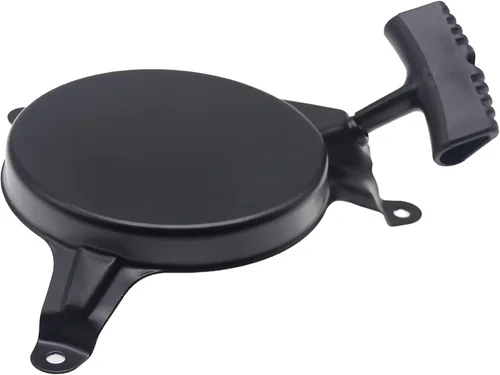
When your Honda HRX217 lawn mower starts acting up—especially when it becomes hard to start—it’s frustrating, time-consuming, and can quickly turn a simple yard chore into a major headache. One of the most common culprits behind this issue is a failing recoil starter assembly. The recoil starter is that small but critical component you pull when starting the engine manually. Over time, due to wear, dirt buildup, or mechanical failure, it can jam, slip, or stop retracting properly, making it nearly impossible to get your mower running.
This comprehensive buying guide is designed specifically for Honda HRX217 owners who are experiencing hard-to-start issues and suspect the recoil starter assembly may be the root cause. Whether you’re a seasoned DIYer or someone tackling their first mower repair, this guide will walk you through everything you need to know before purchasing a replacement recoil starter. You’ll learn how to identify the right part, where to buy it, what to look for in terms of quality and compatibility, and how to avoid common pitfalls that could cost you time and money. We’ll also break down pricing tiers, expert tips for getting the best deal, and answer frequently asked questions to ensure you make a confident, informed decision.
The market for recoil starter assemblies is vast, with options ranging from genuine Honda OEM parts to third-party aftermarket alternatives sold through online retailers, local hardware stores, and specialty lawn equipment shops. While this variety offers flexibility, it also introduces confusion—especially when you’re under pressure to get your mower back in action. Some parts may look identical but lack the precision engineering required for smooth operation. Others might be cheaper upfront but fail prematurely, leading to repeated repairs. Our goal is to cut through the noise and provide you with a clear, actionable roadmap to finding the right recoil starter assembly for your Honda HRX217—one that delivers reliable performance, long-term durability, and value for your investment.

What to Look for When Buying Buying Guide
1. OEM vs. Aftermarket Compatibility
One of the first and most critical decisions you’ll make is whether to go with an Original Equipment Manufacturer (OEM) part from Honda or opt for an aftermarket alternative. OEM parts are made by Honda or its authorized suppliers and are designed to meet the exact specifications of your HRX217 model. This ensures perfect fit, reliable performance, and compatibility with other engine components. If your mower is still under warranty, using an OEM part may also be required to maintain coverage.
Aftermarket parts, on the other hand, are produced by third-party manufacturers and can vary widely in quality. Some aftermarket recoil starters are excellent—built to OEM standards or even improved upon—while others are poorly constructed and may not last more than a season. When considering aftermarket options, always verify that the part is explicitly listed as compatible with the Honda HRX217 (models HXA, HXB, HXC, etc.). Look for detailed product descriptions that include engine model numbers (such as GCV190) and confirm fitment through customer reviews or compatibility charts.
2. Build Quality & Durability
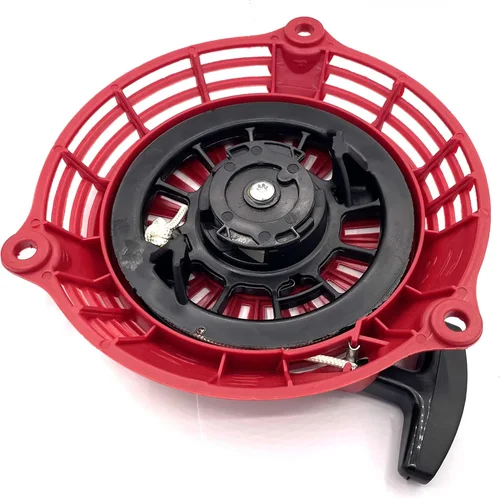
The recoil starter assembly is subjected to repeated stress every time you pull the starter cord. A poorly built unit can fray the rope, jam the spring mechanism, or crack the housing—especially in cold weather or under heavy use. High-quality recoil starters are made from durable materials such as reinforced nylon or polycarbonate for the housing, stainless steel or heat-treated carbon steel for the spring, and high-tensile nylon or polyester for the starter rope.
Pay close attention to the construction details. For example, a well-designed recoil starter will have a smooth, precision-wound recoil spring that returns the rope evenly without binding. The pulley should rotate freely, and the housing should feel solid without flexing or cracking. Avoid units with thin plastic housings, loose rivets, or poorly aligned components—these are red flags for low durability. Reading user reviews can also give you insight into real-world performance; look for comments about how the part holds up after several months of use.
3. Performance Specifications
Not all recoil starters are created equal in terms of performance. Key specifications to evaluate include the length and thickness of the starter rope, the strength and consistency of the recoil spring, and the ease of engagement with the engine’s flywheel. The standard starter rope length for the Honda HRX217 is typically around 36 inches, with a diameter of 4mm. A rope that’s too short may not provide enough leverage, while one that’s too long can tangle or wear prematurely.
The recoil spring should provide a firm but smooth return action—snapping back quickly without jerking or hesitation. Some aftermarket units come with upgraded springs that offer faster retraction, which can be helpful if you frequently start your mower in cold conditions. Additionally, check whether the assembly includes a rope handle that’s ergonomically designed and comfortable to grip. A poorly designed handle can cause hand fatigue or slip during use, especially if your hands are wet or gloved.
4. Ease of Installation
Even the best recoil starter won’t do you any good if it’s difficult to install. The Honda HRX217 has a relatively accessible recoil starter housing located on the side of the engine, but the installation process still requires some mechanical know-how. A good replacement assembly should come with clear instructions, all necessary mounting hardware (such as screws and washers), and ideally, a pre-installed rope and handle to minimize setup time.
Some aftermarket kits include helpful extras like a rope rewinding tool or alignment guides, which can make the process much easier—especially for first-time installers. If you’re not confident in your ability to replace the part yourself, consider purchasing from a retailer that offers installation support or video tutorials. Many online sellers now include step-by-step guides or links to YouTube videos demonstrating the replacement process for the HRX217 model.
5. Brand Reputation & Seller Reliability
Not all sellers are created equal, and buying from an unreliable source can lead to receiving counterfeit, damaged, or incorrect parts. Stick to reputable brands and authorized dealers whenever possible. Honda’s official parts website, as well as certified dealers like MowersDirect, Jacks Small Engines, and PartSelect, are trustworthy sources for both OEM and high-quality aftermarket parts.
When shopping online, check the seller’s ratings and reviews on platforms like Amazon, eBay, or Google. Look for sellers with high feedback scores (95% or above) and read recent customer comments about product accuracy, shipping speed, and customer service. Avoid third-party sellers with vague product descriptions, stock photos, or no return policy. A reputable seller will provide detailed product information, clear return instructions, and responsive support if issues arise.
6. Warranty & Support
A warranty is a strong indicator of a manufacturer’s confidence in their product. OEM Honda parts typically come with a 90-day to 1-year warranty, covering defects in materials and workmanship. Some aftermarket manufacturers also offer warranties ranging from 6 months to 2 years, which can provide peace of mind—especially if you’re investing in a premium aftermarket unit.
Check the warranty terms carefully. Does it cover only the part, or does it include labor if installed by a certified technician? Is the warranty honored by the seller or the manufacturer? Also, consider the availability of customer support. Can you easily reach someone by phone or email if you have questions about installation or compatibility? A good support team can make a big difference if you run into unexpected issues during the replacement process.
7. Price & Value for Money
Price is always a consideration, but it shouldn’t be the only factor. A cheap recoil starter might save you $10–$15 upfront, but if it fails within a few months, you’ll end up spending more in the long run. Conversely, the most expensive option isn’t always the best—sometimes you’re paying for branding rather than performance.
Evaluate the overall value by considering the build quality, warranty, brand reputation, and included features. For most homeowners, a mid-range aftermarket part from a reputable brand offers the best balance of cost and reliability. However, if you use your HRX217 frequently or in demanding conditions (e.g., thick grass, hilly terrain), investing in an OEM or premium aftermarket part may be worth the extra cost for added durability and peace of mind.
8. User Reviews & Real-World Feedback
One of the most valuable resources when buying a recoil starter assembly is feedback from other Honda HRX217 owners who have already made the purchase. User reviews can reveal issues that aren’t apparent in product descriptions, such as compatibility problems, installation difficulties, or premature failures.
Look for reviews that mention specific details like “fits perfectly on my HRX217HXC” or “started on the first pull after installation.” Be cautious of reviews that are overly generic or seem fake (e.g., “Great product!” with no details). Websites like Amazon, Home Depot, and specialized forums like LawnSite.com often have detailed, honest reviews from experienced users. Pay attention to trends—if multiple reviewers mention the same problem (e.g., rope fraying after two months), it’s likely a legitimate concern.
Different Types of Buying Guide

Common Buying Mistakes to Avoid
❌ Mistake: Buying Based Solely on Price
Why it’s bad: Opting for the cheapest recoil starter available might save you money upfront, but low-cost units often use inferior materials and lack quality control. This can lead to premature failure, requiring you to replace the part again within months—costing you more in the long run and wasting your time.
What to do instead: Focus on value, not just price. Compare features, warranties, and user reviews. A $35 part with a 1-year warranty and solid build quality is often a better investment than a $18 part that fails after two uses.
❌ Mistake: Ignoring Compatibility Details
Why it’s bad: The Honda HRX217 has several sub-models (HXA, HXB, HXC, etc.), and while many recoil starters are interchangeable, some are not. Installing an incompatible part can damage the engine or fail to engage properly, leaving your mower still hard to start.
What to do instead: Always verify compatibility using your mower’s model and serial number. Check the product listing for confirmed fitment with your specific HRX217 variant. When in doubt, contact the seller or consult Honda’s official parts diagram.
❌ Mistake: Overlooking Return Policies
Why it’s bad: Even with careful research, you might receive a defective or incorrect part. If the seller has a strict no-return policy, you could be stuck with a useless component and out of pocket.
What to do instead: Only buy from retailers with clear, customer-friendly return policies—ideally 30 days or more. Look for free return shipping and hassle-free exchanges. This protects you in case the part doesn’t fit or arrives damaged.
❌ Mistake: Skipping Installation Instructions
Why it’s bad: The recoil starter involves a tightly wound spring under tension. Improper installation can cause the spring to unwind violently, posing a safety risk. It can also lead to misalignment, rope jamming, or failure to start.
What to do instead: Always follow the manufacturer’s installation guide. If the part doesn’t include instructions, search for a video tutorial specific to the Honda HRX217. Take your time, wear safety glasses, and release the spring tension slowly and carefully.
❌ Mistake: Buying from Unverified Sellers
Why it’s bad: Third-party sellers on marketplaces like eBay or Amazon may list counterfeit or low-quality parts that look authentic but perform poorly. These sellers often disappear after a sale, making it hard to get support or a refund.
What to do instead: Purchase from authorized dealers or well-reviewed sellers with a history of positive feedback. Look for badges like “Amazon’s Choice” or “Honda Certified Partner” to ensure legitimacy.
❌ Mistake: Not Testing the Old Part First
Why it’s bad: Assuming the recoil starter is the problem without diagnosing it can lead to unnecessary purchases. The hard-to-start issue could be due to a dirty carburetor, faulty spark plug, or fuel system problem.
What to do instead: Before buying a new recoil starter, inspect the old one for visible damage, test the rope retraction, and check for smooth pulley rotation. Also, rule out other common causes like old fuel or a clogged air filter.
❌ Mistake: Forgetting to Lubricate Moving Parts
Why it’s bad: Even with a new recoil starter, lack of lubrication can cause stiffness, wear, and premature failure. The pulley and spring mechanism need occasional light lubrication to function smoothly.
What to do instead: After installation, apply a small amount of lightweight machine oil or silicone spray to the pulley axle and spring housing. Avoid over-lubricating, as excess oil can attract dirt and debris.
Budget Guidelines: How Much Should You Spend?
- Entry-Level ($15–$25): These are typically generic aftermarket recoil starters with basic construction. They may work for occasional use but often lack durability and precise fit. Best for temporary fixes or budget-conscious buyers who don’t mow frequently. Expect shorter lifespan and potential compatibility issues.
- Mid-Range ($30–$50): This is the sweet spot for most homeowners. Parts in this range often come from reputable aftermarket brands like Rotary, MaxPower, or BladesDirect. They offer good build quality, reliable performance, and often include warranties. Many include upgraded features like stronger springs or ergonomic handles. Ideal for regular use and DIY repairs.
- Premium ($50–$70): This tier includes OEM Honda parts and high-end aftermarket units with enhanced materials and precision engineering. These are built to last and perform flawlessly under heavy use. Recommended for frequent mowers, professionals, or those who want peace of mind and maximum reliability.
- Luxury ($70+): While rare for recoil starters, some specialty or custom-built units may fall into this category. These might include titanium components, anti-corrosion coatings, or advanced recoil mechanisms. Generally unnecessary for the average user, but may appeal to collectors or those restoring vintage mowers.
Expert Tips for Getting the Best Deal
- Buy During Off-Season: Lawn mower parts are often discounted in late fall and winter when demand is low. Retailers like Home Depot, Lowe’s, and online stores frequently run sales from October to February. Stock up during these months for the best prices.
- Check for Bundled Deals: Some sellers offer recoil starter kits that include extra rope, handles, or installation tools. These bundles can save you $5–$10 compared to buying items separately and ensure you have everything needed for the job.
- Use Price Tracking Tools: Websites like Honey, CamelCamelCamel (for Amazon), or Google Shopping allow you to track price history and set alerts. You’ll be notified when the part drops to its lowest price in 90 days.
- Consider Local Lawn Equipment Shops: While online shopping offers convenience, local dealers may offer price matching, free advice, or same-day pickup. They may also provide installation services or trade-in discounts on old parts.
- Read the Fine Print on Shipping: Some retailers offer “free shipping” but inflate the product price. Compare total cost (item + shipping) across multiple sites. Also, check estimated delivery times—some sellers offer expedited shipping for a small fee, which can be worth it if you need the part urgently.
- Ask About Core Returns: Some dealers offer a small credit if you return your old recoil starter as a “core.” This is more common with engines and carburetors but occasionally applies to starters. It’s a win-win: you get money back and help reduce waste.
- Verify Authenticity for OEM Parts: If buying a genuine Honda part online, ensure it’s sold by an authorized dealer. Counterfeit OEM parts are rare but do exist. Look for official Honda packaging and a valid part number.
- Join Owner Forums: Communities like LawnSite, Reddit’s r/lawncare, or Honda-specific forums often have members selling spare parts or sharing discount codes. You might find a lightly used OEM recoil starter at a fraction of the new price.

Frequently Asked Questions
Q: How do I know if my recoil starter is bad?
A: Common signs include a rope that won’t retract, a handle that spins freely without engaging the engine, a broken or frayed rope, or a starter that feels stiff or jerky. If the engine turns over when you pull the rope but doesn’t start, the issue may be elsewhere—but if the rope doesn’t pull at all or slips, the recoil starter is likely faulty.
Q: Can I repair my existing recoil starter instead of replacing it?
A: In some cases, yes. You can replace just the rope or the recoil spring if they’re worn. However, if the housing is cracked or the pulley is damaged, a full replacement is usually safer and more cost-effective. Repair kits are available for around $10–$15, but they require careful handling of the spring.
Q: Will an aftermarket recoil starter void my Honda warranty?
A: Generally, no—under the Magnuson-Moss Warranty Act, using an aftermarket part doesn’t automatically void your warranty unless that part directly causes damage. However, if the recoil starter fails and damages the engine, Honda may deny coverage. To be safe, check your warranty terms or consult a dealer.
Q: How long does a recoil starter typically last?
A: With proper maintenance, a quality recoil starter can last 5–10 years or more. Factors like frequency of use, storage conditions, and maintenance play a big role. OEM and premium aftermarket parts tend to last longer than budget options.
Q: Do I need special tools to install a new recoil starter?
A: Most installations require only basic tools: a socket wrench or screwdriver, pliers, and possibly a drill if mounting holes need adjustment. Some kits include a rope rewinding tool, but you can also use a drill on low speed to rewind the spring safely.
Q: Can I use a recoil starter from a different Honda model?
A: It depends. Some Honda mowers share similar recoil assemblies, but the HRX217 uses a specific design. Always verify compatibility using the part number and engine model. Using an incompatible part can lead to poor performance or damage.
Q: Where is the best place to buy a recoil starter for the HRX217?
A: Top options include Honda’s official parts site, MowersDirect.com, JacksSmallEngines.com, and Amazon (from verified sellers). Local lawn equipment dealers are also reliable, especially if you need installation help.
Q: How much does it cost to have a recoil starter professionally installed?
A: Labor costs vary by region and shop, but expect to pay $50–$100 for installation. If you’re comfortable with basic mechanical work, DIY installation can save you this expense and typically takes 30–60 minutes.
Q: What should I do with my old recoil starter?
A: If it’s beyond repair, recycle it at a local metal or electronics recycling center. Some components like the spring and housing are metal and can be scrapped. If it’s still functional, consider keeping it as a backup or selling it to another owner.
Q: Can a bad recoil starter cause the engine not to start at all?
A: Not directly. The recoil starter only engages the flywheel to turn the engine over. If the engine turns but doesn’t start, the issue is likely fuel, spark, or compression related. However, if the recoil starter is completely seized and won’t turn the engine, then yes—it can prevent starting.
Our Final Recommendations
- Best for Budget-Conscious Buyers: MaxPower 303700 Recoil Starter – Priced around $25, this aftermarket unit offers solid performance and compatibility with the HRX217. It includes a pre-installed rope and handle, making installation straightforward. Great for occasional use and tight budgets.
- Best Overall Value: Rotary 10898 Recoil Starter – At $35–$40, this premium aftermarket part features a durable nylon housing, strong recoil spring, and excellent user reviews. It’s built to last and often outperforms cheaper alternatives. A smart choice for most homeowners.
- Best Premium Option: OEM Honda 28400-VH7-B00 Recoil Starter – For those who want factory-perfect fit and reliability, this is the top pick. Priced at $60–$70, it’s ideal for warranty-covered repairs or users who demand the highest quality.
- Best for Beginners: BladesDirect Recoil Starter Kit with Installation Guide – This kit includes the starter, extra rope, handle, and a detailed video tutorial. Perfect for first-time DIYers who want a hassle-free experience.
- Best for Advanced Users: Custom-Upgraded Aftermarket Unit with Titanium Spring – While rare, some specialty manufacturers offer recoil starters with upgraded springs and corrosion-resistant materials. These are ideal for professionals or those operating in harsh environments.
Conclusion: Making the Right Choice
Replacing a faulty recoil starter on your Honda HRX217 doesn’t have to be a stressful or expensive ordeal. By understanding the key factors—compatibility, build quality, price, and seller reliability—you can make a confident decision that gets your mower running smoothly again. Whether you choose an OEM part for peace of mind or a high-quality aftermarket alternative for better value, the right recoil starter will restore reliable starting performance and extend the life of your mower.
Remember to prioritize your specific needs: if you mow frequently or rely on your HRX217 for professional work, investing in a premium part is worthwhile. If you’re on a tight budget or only mow occasionally, a mid-range aftermarket unit can deliver excellent results without breaking the bank. Always read reviews, check return policies, and don’t rush the decision—your mower deserves the best care possible.
Take the time to diagnose the issue correctly, compare your options, and follow proper installation procedures. With the guidance in this article, you’re well-equipped to find the perfect recoil starter assembly for your Honda HRX217 and get back to maintaining a beautiful lawn with confidence. Don’t let a hard-to-start mower slow you down—make the smart choice today and enjoy years of reliable performance ahead.