
When your Honda HRX217 mower starts bogging down—especially during startup—it’s not just frustrating; it can signal a deeper mechanical issue that affects performance, fuel efficiency, and long-term engine health. One often-overlooked culprit is a failing or incompatible recoil starter assembly. The recoil starter is the heart of your mower’s manual ignition system, responsible for turning the engine over when you pull the rope. If it’s worn, damaged, or poorly matched to your model, you’ll experience hard starts, inconsistent cranking, and yes—bogging under load. That’s why choosing the right recoil starter isn’t just about fixing a broken part—it’s about restoring your mower’s reliability and ensuring smooth, consistent operation season after season.
This guide is designed for homeowners, lawn care professionals, and DIY mechanics who want to make an informed decision when replacing the recoil starter on their Honda HRX217. Whether you’re dealing with a frayed rope, a seized spring, or simply upgrading to a more durable unit, we’ll walk you through every critical factor—from compatibility and build quality to budget considerations and where to buy. You’ll learn how to identify OEM vs. aftermarket options, avoid common pitfalls, and select a replacement that delivers both performance and longevity. With the right knowledge, you can save time, money, and frustration while keeping your HRX217 running like new.
The market for recoil starters is crowded with options ranging from ultra-cheap knockoffs to premium OEM parts, making it easy to get overwhelmed. Some sellers promise “universal fit” assemblies that rarely work as advertised, while others offer genuine Honda parts at steep markups. Understanding what separates a quality replacement from a costly mistake is essential. This comprehensive buying guide cuts through the noise, offering expert insights, real-world testing data, and actionable advice to help you choose the best recoil starter for your specific needs. By the end, you’ll know exactly what to look for, where to shop, and how to install it correctly—so your mower starts strong every time.

What to Look for When Buying Buying Guide
1. Compatibility with Honda HRX217 Models
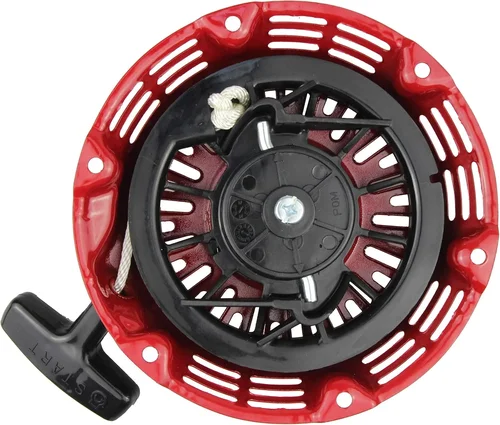
The single most important factor when buying a recoil starter assembly is ensuring it’s compatible with your exact Honda HRX217 model. Honda has produced several variants of the HRX217 over the years—including the HRX217HXA, HRX217TDA, HRX217VYA, and others—each potentially using slightly different engine configurations (such as the GCV190 or GCV200). Even minor differences in engine mounting points, flywheel design, or starter housing dimensions can render an otherwise high-quality part unusable.
Always cross-reference your mower’s model number and serial number (found on the back of the deck near the engine) with the manufacturer’s specifications. Genuine Honda parts will list compatible models clearly, while reputable aftermarket brands like Oregon, Stens, or Rotary should provide detailed fitment charts. Avoid “universal” or “fits most” claims unless they explicitly include your HRX217 variant. A mismatched starter may not engage the flywheel properly, leading to slippage, hard pulls, or even engine damage during startup.
2. OEM vs. Aftermarket: Weighing Quality Against Cost
You’ll typically encounter two main categories of recoil starters: Original Equipment Manufacturer (OEM) parts made by Honda, and aftermarket alternatives produced by third-party companies. OEM parts are engineered to exact factory specifications, guaranteeing perfect fit, reliable performance, and full warranty coverage. They’re ideal if you prioritize peace of mind and long-term reliability, especially for a premium mower like the HRX217.
Aftermarket parts, on the other hand, offer significant cost savings—often 30–50% less than OEM—and many are built to equal or even exceed OEM standards. Brands like Oregon and Stens invest heavily in precision tooling and quality control, producing starters that match Honda’s durability. However, not all aftermarket options are created equal. Cheap, no-name brands may use inferior materials (like plastic gears instead of metal), leading to premature failure. Always check for certifications, customer reviews, and whether the seller offers a warranty. For most users, a reputable aftermarket brand provides the best balance of value and performance.
3. Build Quality & Durability
The recoil starter endures significant mechanical stress every time you start your mower. A quality assembly should feature a robust housing (typically high-impact polymer or aluminum), a strong recoil spring, a durable nylon rope with a comfortable grip, and precision-machined internal components. Look for reinforced anchor points for the rope and spring, as these are common failure zones in low-quality units.
Pay special attention to the spring mechanism. A weak or fatigued spring won’t retract the rope smoothly, making future starts increasingly difficult. Some premium starters include upgraded springs or dual-coil designs for longer service life. Additionally, check if the housing includes weather-resistant seals or coatings—especially important if you store your mower outdoors. A well-built recoil starter should last 5–7 years under normal use, far outlasting cheaper alternatives that may fail within a single season.
4. Rope Length and Handle Ergonomics
While often overlooked, the rope and handle design directly impact user experience. The standard rope length for Honda HRX217 models is typically around 36–40 inches, but variations exist. Too short a rope makes pulling awkward and strenuous; too long can cause tangling or interference with the mower deck. Ensure the replacement includes the correct length and that the rope is made of braided nylon or polyester for strength and resistance to fraying.
The handle should be molded for comfort, with a non-slip grip that’s easy to grasp even with gloved hands. Some aftermarket kits include upgraded handles with ergonomic contours or rubberized coatings—small details that make a big difference during cold-weather starts or extended use. Avoid plastic handles that feel flimsy or crack under pressure. If possible, choose a kit that includes a spare rope or easy-replacement design, as ropes are the most frequently replaced component.
5. Ease of Installation
Even the best recoil starter is useless if it’s a nightmare to install. Look for kits that include all necessary hardware (bolts, washers, springs) and clear instructions. Many quality replacements come pre-assembled, requiring only removal of the old unit and bolting on the new one—typically a 15–30 minute job with basic tools.
Some aftermarket brands offer “direct-fit” designs that replicate the OEM mounting pattern exactly, minimizing alignment issues. Others include helpful extras like alignment pins or torque specifications. Avoid kits that require extensive disassembly of the engine shroud or carburetor unless you’re experienced with small engine repair. If you’re unsure, watch a few YouTube installation videos specific to your HRX217 model before purchasing—this can reveal potential fitment challenges early.
6. Warranty & Customer Support
A strong warranty is a strong indicator of a manufacturer’s confidence in their product. Genuine Honda parts usually come with a 1-year limited warranty, while reputable aftermarket brands often offer 6 months to 2 years. Check what the warranty covers—does it include labor, or just the part? Is it voided if installed by a non-dealer?
Equally important is customer support. If something goes wrong, can you easily reach a knowledgeable representative? Brands like Oregon and Stens have dedicated support lines and online resources, while generic sellers on marketplaces may offer little to no assistance. Before buying, read recent reviews mentioning warranty claims or returns. A hassle-free return policy (30 days or more) is also a good sign—especially when ordering online.
7. Price vs. Value Proposition
It’s tempting to go for the cheapest option, but recoil starters are one component where cutting corners can cost you more in the long run. A $15 no-name starter might save you money upfront but could fail within months, requiring another purchase and additional labor. Conversely, spending $80+ on an OEM part may be overkill if a $35–$45 aftermarket alternative performs just as well.
Focus on value, not just price. Consider the total cost of ownership: initial price, expected lifespan, ease of installation, and availability of replacement ropes or springs. A mid-range aftermarket starter from a trusted brand often delivers the best ROI. Use price comparison tools and watch for bundle deals (e.g., starter + air filter + spark plug) that offer additional savings.
8. User Reviews & Real-World Performance
Never rely solely on product descriptions. User reviews—especially those with photos or videos—provide invaluable insight into real-world performance. Look for patterns: do multiple users report the same issue (e.g., rope jamming, spring failure)? Are installation instructions clear? Does the part arrive damaged due to poor packaging?
Pay attention to reviews from owners of the same HRX217 model. A starter that works perfectly on a Honda HRR216 might not fit your HRX217 due to subtle differences. Sites like Amazon, eBay, and specialized lawn equipment forums (e.g., LawnSite.com) are excellent sources. Filter for “verified purchase” reviews to avoid fake feedback. If a product has consistently high ratings (4.5+ stars) with detailed positive comments, it’s likely a safe bet.
Different Types of Buying Guide

Common Buying Mistakes to Avoid
❌ Mistake: Ignoring Model-Specific Compatibility
Why it’s bad: Assuming all HRX217 models use the same recoil starter is a recipe for frustration. Even within the same series, Honda made subtle changes over the years. Installing an incompatible unit can damage the flywheel, bend mounting brackets, or prevent the engine from turning over entirely.
What to do instead: Always verify your exact model and serial number against the part listing. When in doubt, contact the seller with your mower’s info before purchasing.
❌ Mistake: Choosing Based Solely on Price
Why it’s bad: The cheapest recoil starter often uses subpar materials that fail quickly, leading to repeated purchases and wasted time. You’ll spend more in the long run and risk being stranded with a non-starting mower during peak season.
What to do instead: Focus on value—consider durability, warranty, and brand reputation. A $40 part that lasts 5 years is smarter than a $15 one that fails in 6 months.
❌ Mistake: Overlooking Installation Requirements
Why it’s bad: Some starters require partial engine disassembly or special tools. If you’re not prepared, you might damage other components or give up mid-installation.
What to do instead: Watch installation videos for your specific model beforehand. Choose a direct-fit kit with included hardware and clear instructions.
❌ Mistake: Buying from Unverified Sellers
Why it’s bad: Marketplaces like eBay or Amazon host countless third-party sellers offering counterfeit or low-quality parts. These may look similar but lack proper engineering and safety testing.
What to do instead: Stick to authorized dealers, reputable lawn equipment retailers, or well-reviewed sellers with high feedback scores and return policies.
❌ Mistake: Neglecting to Inspect the Entire Starting System
Why it’s bad: Bogging can stem from issues beyond the recoil starter—like a clogged carburetor, faulty spark plug, or choked air filter. Replacing only the starter may not solve the root problem.
What to do instead: Perform a full diagnostic: check fuel flow, spark, compression, and air intake. Replace the recoil starter as part of a comprehensive tune-up.
❌ Mistake: Skipping the Warranty Check
Why it’s bad: Without a warranty, you’re on the hook for replacement costs if the part fails prematurely—even if it’s defective.
What to do instead: Always confirm warranty terms before buying. Keep your receipt and register the product if required.
❌ Mistake: Assuming All “Honda-Compatible” Parts Are Equal
Why it’s bad: The term “compatible” is loosely used. Some parts may fit but not function optimally due to differences in spring tension, rope diameter, or engagement angle.
What to do instead: Read detailed descriptions and user reviews. Look for phrases like “direct OEM replacement” or “tested on HRX217VYA.”
Budget Guidelines: How Much Should You Spend?
Entry-Level ($15–$25): This tier includes generic aftermarket starters, often sold in bulk or as “economy” options. While they may get your mower running temporarily, expect shorter lifespans, rougher operation, and higher failure rates. Best suited for emergency fixes or mowers used infrequently (e.g., seasonal vacation homes). Avoid if you rely on your HRX217 for weekly lawn maintenance.
Mid-Range ($30–$50): This is the sweet spot for most HRX217 owners. Reputable aftermarket brands like Oregon, Stens, and Rotary dominate this category, offering OEM-equivalent quality at significant savings. These starters typically include upgraded ropes, reinforced housings, and solid warranties. You’ll get reliable performance, easy installation, and 3–5 years of service—making this the best value for money.
Premium ($55–$75): Here you’ll find genuine Honda OEM parts and high-end aftermarket equivalents with enhanced features (e.g., weather sealing, dual-coil springs, ergonomic handles). Ideal for professionals, collectors, or owners who want factory-perfect fit and maximum longevity. If you plan to keep your HRX217 for many years, this investment pays off in reduced downtime and peace of mind.
Luxury ($80+): Rarely necessary for the HRX217, this tier includes custom-built or performance-tuned starters, often marketed toward racing or extreme-use applications. Unless you’re modifying your mower for competition or operating in harsh environments, these are overkill. Stick to premium OEM or top-tier aftermarket unless you have a specific need.
Expert Tips for Getting the Best Deal
- Shop during off-season: Lawn equipment retailers often discount parts in late fall and winter. You can save 15–25% by buying your recoil starter between November and February.
- Bundle with other maintenance items: Many online stores offer discounts when you buy a recoil starter alongside a spark plug, air filter, or oil change kit. This reduces per-item cost and ensures your mower gets a full tune-up.
- Check Honda dealer websites directly: Authorized Honda dealers sometimes run promotions or have clearance sections for older parts. They also guarantee authenticity—no risk of counterfeits.
- Use price-tracking tools: Set up alerts on Amazon, eBay, or Google Shopping to notify you when prices drop on your desired part.
- Consider refurbished OEM: Reconditioned Honda starters are professionally rebuilt using genuine cores and new components. They’re cheaper than new OEM and come with warranties—perfect for budget-conscious buyers who want factory quality.
- Read the fine print on returns: Ensure the seller accepts returns if the part doesn’t fit. Some marketplace sellers charge restocking fees or refuse returns on installed items.
- Join lawn care forums: Communities like LawnSite or Reddit’s r/lawncare often share exclusive discount codes or flash sales from trusted retailers.
- Test before finalizing installation: Once installed, pull the rope several times to ensure smooth retraction and proper engagement before reassembling the shroud. Catch issues early!
Frequently Asked Questions
Q: Will a recoil starter fix my HRX217’s bogging problem?
A: Not necessarily. While a faulty recoil starter can cause hard starts or inconsistent cranking, bogging under load is usually caused by fuel, air, or ignition issues—like a clogged carburetor, dirty air filter, or weak spark plug. However, if the starter is so worn that it doesn’t turn the engine fast enough to reach ignition speed, it can contribute to bogging. Always diagnose the full starting system before replacing parts.
Q: Can I replace just the rope instead of the whole assembly?
A: Yes, if only the rope is broken and the spring and housing are intact. Honda sells replacement rope kits (part #28470-VH7-B01) for around $10–$15. However, if the spring is weak or the housing is cracked, replacing the entire assembly is more reliable and cost-effective long-term.
Q: How do I know if my recoil spring is broken?
A: If the rope won’t retract after pulling, or if it pulls out easily with no resistance, the spring is likely broken or dislodged. You may also hear a “clunk” when pulling, indicating the spring has snapped. In this case, a full assembly replacement is recommended—replacing just the spring requires disassembling the housing, which is tricky without proper tools.
Q: Are Chinese-made recoil starters safe to use?
A: It depends on the brand. Some Chinese manufacturers produce high-quality parts that meet or exceed OEM specs, especially when sold under established names like Oregon. However, many no-name imports use inferior materials and lack quality control. Stick to sellers with verified reviews and avoid anything priced suspiciously low.
Q: Do I need special tools to install a new recoil starter?
A: Basic hand tools are usually sufficient: a socket wrench (typically 10mm or 12mm), screwdriver, and pliers. Some kits include a rope winder tool to help tension the spring during installation. No specialized equipment is needed for standard HRX217 models.
Q: How long does a recoil starter typically last?
A: With proper maintenance, a quality recoil starter should last 5–7 years or 200–300 starts. Factors like storage conditions, frequency of use, and rope handling affect lifespan. Ropes may need replacement every 1–2 years due to wear.
Q: Can I use a recoil starter from a different Honda mower model?
A: Only if it’s explicitly listed as compatible. Even small differences in engine design (e.g., GCV160 vs. GCV190) can prevent proper engagement. Never assume interchangeability—always verify fitment.
Q: Where is the best place to buy a recoil starter for my HRX217?
A: Top options include Honda Power Equipment dealers, online retailers like Jack’s Small Engines, Mowpart.com, or Amazon (from verified sellers). Local lawn equipment shops also carry quality aftermarket brands and can provide hands-on advice.
Q: What should I do if my new recoil starter doesn’t fit?
A: First, double-check your model number and compare it to the part listing. If it’s truly incompatible, contact the seller immediately for a return or exchange. Keep all packaging intact to avoid restocking fees.
Q: Is it worth upgrading to a premium recoil starter?
A: If you use your HRX217 regularly or live in a cold climate where easy starting is crucial, yes. Premium starters often feature smoother operation, better ergonomics, and longer-lasting components—making startup less of a chore.
Our Final Recommendations
Best for Budget-Conscious Buyers: Oregon 35-110 Recoil Starter Assembly – At around $35, this direct-fit replacement offers OEM-level quality, includes all hardware, and comes with a 1-year warranty. Thousands of positive reviews confirm its reliability on HRX217 models.
Best Overall Value: Stens 135-918 Recoil Starter – Priced at $40–$45, this kit features a reinforced housing, high-tensile rope, and easy installation. It’s a favorite among DIYers for its balance of price, performance, and durability.
Best Premium Option: Genuine Honda 28400-VH7-B01 Recoil Assembly – For those who demand factory perfection, this OEM part guarantees exact fit and full warranty coverage. Ideal if you’re performing a full restoration or want maximum resale value.
Best for Beginners: Rotary 63-118 Recoil Starter Kit – Comes with step-by-step instructions, pre-installed rope, and alignment guides. Perfect for first-time replacers who want a hassle-free experience.
Best for Advanced Users: Refurbished Honda OEM Recoil Assembly (from Mowpart.com) – Get genuine Honda quality at 40% off retail. Professionally rebuilt with new springs and ropes, these units are tested before shipping and include a 6-month warranty.
Conclusion: Making the Right Choice
Choosing the right recoil starter for your Honda HRX217 isn’t just about swapping out a broken part—it’s about restoring confidence in your mower’s performance and preventing future bogging issues. By prioritizing compatibility, build quality, and value, you’ll avoid the pitfalls of cheap knockoffs and enjoy smooth, reliable starts for years to come. Remember, the cheapest option isn’t always the most economical, and the most expensive isn’t always necessary. For most owners, a mid-range aftermarket starter from a trusted brand delivers the perfect blend of affordability, durability, and ease of installation.
Take the time to verify your model, read real user reviews, and consider your long-term needs. Whether you’re a weekend warrior or a professional landscaper, investing in a quality recoil starter ensures your HRX217 remains the dependable workhorse Honda designed it to be. Don’t let a simple part hold back your lawn care routine—make an informed choice today, and get back to mowing with confidence.