
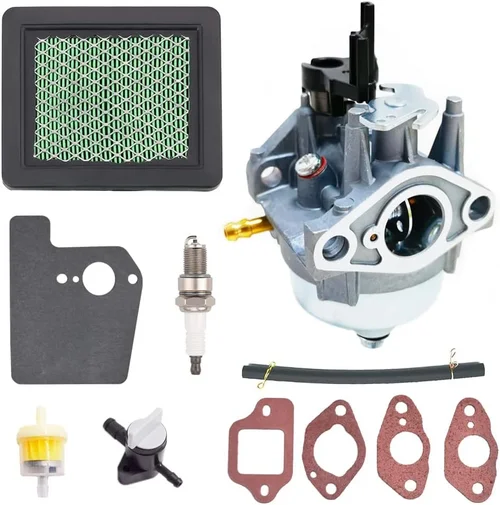
If your Honda HRX217 lawn mower is backfiring during startup or operation, there’s a strong chance the primer bulb is the culprit. The primer bulb plays a critical role in the fuel delivery system—especially in cold starts—by manually drawing fuel into the carburetor to help ignite the engine. When it fails, becomes brittle, cracked, or loses its seal, air can leak into the system, causing lean fuel conditions that lead to hard starting, rough idling, and yes, backfiring. This isn’t just an inconvenience; it can also strain other engine components over time.
That’s why knowing exactly where to buy a replacement primer bulb for your Honda HRX217—and what to look for—is essential. With so many options flooding the market, from OEM (Original Equipment Manufacturer) parts to third-party alternatives, making the right choice can feel overwhelming. Some buyers end up with incompatible parts, others pay too much for overpriced kits, and many don’t realize that even small differences in design can drastically affect performance. This guide cuts through the noise. Whether you’re a seasoned DIYer or a first-time mower owner, you’ll walk away with clear, actionable advice on how to identify, evaluate, and purchase the best primer bulb for your specific needs.
We’ll cover everything from compatibility and build quality to budget considerations and where to shop—both online and in-store. You’ll learn how to avoid common pitfalls, understand price tiers, and even get insider tips on timing your purchase for maximum savings. By the end, you won’t just know where to buy—you’ll know exactly what to buy and why. Let’s get your HRX217 running smoothly again.

What to Look for When Buying Buying Guide
1. Compatibility with Honda HRX217 Models
Not all primer bulbs are created equal—and not all will fit your Honda HRX217. The HRX217 series includes several sub-models (like the HRX217HZA, HRX217HMA, and HRX217TDA), each potentially using slightly different carburetor assemblies. The primer bulb connects directly to the carburetor housing, so even a millimeter of mismatch can cause leaks or installation issues. Always verify the part number before purchasing. The OEM part number for most HRX217 models is 16166-PLWA-005 or 16166-PLWA-015, depending on the year and configuration. Cross-referencing your mower’s serial number (found on the back of the deck) with Honda’s official parts diagrams is the safest approach.
2. OEM vs. Aftermarket: Weighing the Trade-offs
Original Equipment Manufacturer (OEM) parts are made by Honda or its licensed suppliers and are guaranteed to meet factory specifications. They offer perfect fit, reliable performance, and often come with a warranty. However, they’re typically 20–40% more expensive than aftermarket alternatives. Aftermarket bulbs—sold by brands like Briggs & Stratton, Stens, or通用 (Universal)—can be cost-effective and functionally identical, but quality varies widely. Some use inferior rubber compounds that degrade quickly under heat or UV exposure, while others may have slightly different venting designs that affect priming efficiency. If you choose aftermarket, stick to reputable brands with verified customer reviews and clear compatibility listings.
3. Material Quality and Durability
The primer bulb is constantly exposed to fuel, heat, and mechanical stress. Cheap plastic housings can crack, and low-grade rubber or silicone diaphragms can harden, tear, or lose elasticity within a season. Look for bulbs made from nitrile rubber (NBR) or high-grade silicone, which resist swelling from ethanol-blended fuels and maintain flexibility in cold weather. The housing should be rigid yet slightly flexible—enough to snap securely into the carburetor without cracking. Avoid translucent or overly soft materials; these are often signs of low-cost polymers that won’t last.
4. Ease of Installation
A good primer bulb should install in under five minutes without special tools. Most HRX217 models use a snap-in design: you simply press the bulb into the designated slot on the carburetor cover. However, some aftermarket versions require minor modifications—like trimming excess material or using zip ties for reinforcement—which defeats the purpose of a quick fix. Check product descriptions for “direct fit” or “no modification required.” If the listing mentions “universal fit,” proceed with caution—it may not seal properly on your specific model.
5. Included Components and Kits
Many primer bulbs are sold as part of a carburetor rebuild kit, which includes gaskets, O-rings, and sometimes even a new fuel line. While this adds cost upfront, it’s often smarter long-term. A failing primer bulb is frequently a symptom of broader carburetor wear. Replacing just the bulb might solve the immediate backfire issue, but if the surrounding gaskets are dried out, you’ll face recurring problems. Kits like the Honda 06166-PLW-305 Carburetor Overhaul Kit include everything needed for a complete refresh. Evaluate whether a standalone bulb or a full kit offers better value based on your mower’s age and maintenance history.
6. Warranty and Return Policy
Even high-quality parts can arrive defective or be incompatible due to mislabeling. Always buy from retailers or manufacturers that offer at least a 30-day return window and clear warranty terms. Honda OEM parts typically carry a 1-year limited warranty, while reputable aftermarket brands like Stens offer 90-day guarantees. Avoid sellers on third-party marketplaces (e.g., random Amazon or eBay vendors) who don’t provide contact information or return instructions. If something goes wrong, you want recourse—not a dead end.
7. Price vs. Long-Term Value
It’s tempting to grab the cheapest option available—but remember: you often get what you pay for. A $3 generic bulb might save you money today but fail in six months, costing you time, frustration, and another purchase. Conversely, spending $25 on an OEM part ensures longevity and peace of mind. Consider the total cost of ownership: how much is your time worth? How often do you plan to use the mower? For occasional residential use, a mid-tier aftermarket bulb ($8–$12) may suffice. For frequent or commercial use, invest in OEM or premium aftermarket.
8. User Reviews and Verified Purchases
Don’t rely solely on product descriptions. Real-world feedback from other HRX217 owners is invaluable. Look for reviews that mention specific symptoms (e.g., “stopped backfiring after install”) or installation notes (“fit perfectly on my 2018 HRX217HZA”). Be wary of generic praise like “great product” without context. Platforms like LawnSite.com or Honda-specific forums often have detailed discussions comparing part performance. Filter reviews by “verified purchase” to avoid fake testimonials.
Different Types of Buying Guide

Common Buying Mistakes to Avoid
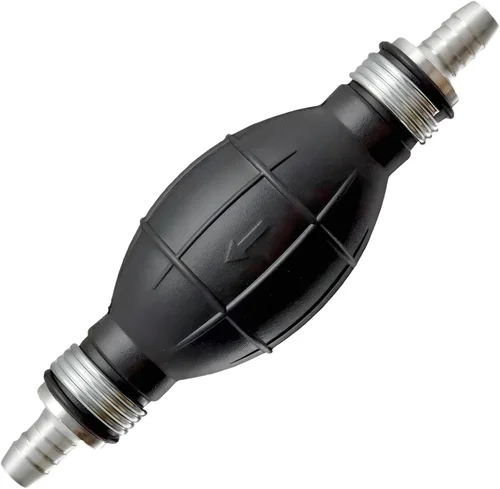
❌ Mistake: Assuming All Primer Bulbs Are Interchangeable
Why it’s bad: Even among Honda mowers, primer bulb designs vary by engine series (e.g., GCV vs. GXV). Using a bulb from a Honda HRR model on an HRX217 can result in poor sealing and continued backfiring.
What to do instead: Always cross-check your model and serial number with Honda’s official parts portal or consult a dealer. When in doubt, buy OEM.
❌ Mistake: Ignoring Ethanol Fuel Compatibility
Why it’s bad: Modern gasoline contains up to 10% ethanol, which degrades low-quality rubber faster. A bulb that works fine with pure gas may swell or crack within months if used with E10 fuel.
What to do instead: Choose bulbs explicitly labeled “ethanol-resistant” or made from nitrile rubber. Avoid natural rubber or unmarked materials.
❌ Mistake: Buying Based Solely on Price
Why it’s bad: The cheapest bulb may save you $5 now but cost you $20 in labor and replacement parts later. Poor sealing leads to air leaks, which cause lean combustion and potential engine damage.
What to do instead: Balance cost with quality. Mid-range aftermarket or OEM offers the best long-term value for most users.
❌ Mistake: Skipping the Gasket Check
Why it’s bad: The primer bulb seals against a gasket. If that gasket is cracked or missing, even a perfect bulb won’t stop air leaks.
What to do instead: Inspect the carburetor housing gasket when replacing the bulb. Replace it if it’s brittle, compressed, or damaged. Many kits include this gasket—use it!
❌ Mistake: Purchasing from Unverified Online Sellers
Why it’s bad: Fake or mislabeled parts are common on large marketplaces. You might receive a bulb for a completely different engine.
What to do instead: Stick to authorized dealers (e.g., Honda Power Equipment dealers), reputable retailers (e.g., Jack’s Small Engines, RepairClinic.com), or well-reviewed third-party brands with clear return policies.
❌ Mistake: Not Testing After Installation
Why it’s bad: A poorly seated bulb may look installed but still allow air infiltration. Without testing, you won’t know if the backfire issue is truly resolved.
What to do instead: After installation, prime the engine 3–5 times, start it, and listen for smooth operation. If backfiring persists, recheck the seal and gasket.
❌ Mistake: Delaying Replacement Due to “It Still Works”
Why it’s bad: A slightly cracked bulb may still function but allow微量 air leaks that worsen over time. This accelerates carburetor wear and increases fuel consumption.
What to do instead: Replace the bulb at the first sign of stiffness, discoloration, or cracking—even if the mower starts. Preventative replacement saves headaches later.
Budget Guidelines: How Much Should You Spend?
Your budget should align with how you use your HRX217 and how long you plan to keep it. Here’s a realistic breakdown:
- Entry-Level ($3–$7): Suitable only for emergency fixes or very occasional use. Expect shorter lifespan (3–6 months) and potential fit issues. Best for those who mow once a month and prioritize immediate cost savings over reliability.
- Mid-Range ($8–$14): The sweet spot for most homeowners. Premium aftermarket brands like Stens or Oregon offer excellent durability, ethanol resistance, and direct fit for under $15. Ideal for weekly mowing and those who want quality without OEM pricing.
- Premium ($15–$25): OEM Honda parts or high-end rebuild kits. Perfect for frequent users, collectors, or those who want guaranteed compatibility and a warranty. If you rely on your mower for professional landscaping or have an older HRX217 nearing retirement, this tier ensures peace of mind.
- Luxury ($25+): Full carburetor overhaul kits with multiple gaskets, fuel lines, and sometimes even a new air filter. While not necessary for every repair, these are wise investments if your mower is 5+ years old or has seen heavy use. Think of it as a “reset” for your fuel system.
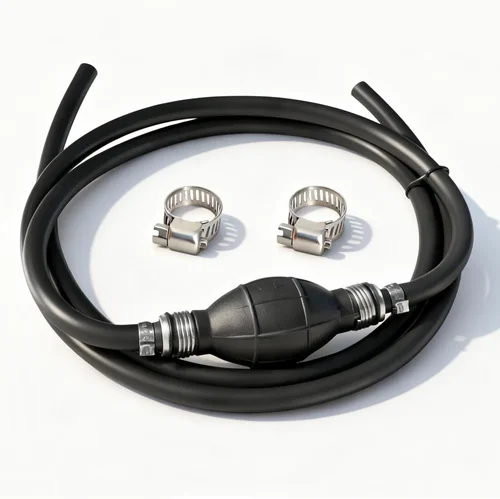
Expert Tips for Getting the Best Deal
- Buy During Off-Season: Late fall and winter are ideal times to purchase small engine parts. Retailers often discount lawn equipment components to clear inventory. You’ll save 10–20% compared to spring buying.
- Use Price Tracking Tools: Websites like CamelCamelCamel (for Amazon) or Honey can alert you when primer bulbs drop in price. Set a tracker for your desired part and wait for a deal.
- Check Local Honda Dealers: Many dealers offer online ordering with in-store pickup and occasional promotions (e.g., 10% off parts for newsletter signups). They also provide expert advice if you’re unsure about compatibility.
- Bundle with Other Maintenance Items: If you need a new air filter, spark plug, or oil, buy them together. Most retailers offer free shipping on orders over $50, and you’ll save on multiple trips.
- Read Return Policies Carefully: Some sellers charge restocking fees or only accept returns in original packaging. Know the terms before clicking “buy.”
- Test Before Final Assembly: Once installed, prime the engine and check for fuel seepage or air bubbles around the bulb. A quick test run ensures everything is sealed before you put the cover back on.
- Join Owner Forums: Communities like LawnSite or Reddit’s r/lawncare often share discount codes or alert members to sales. Fellow HRX217 owners can also recommend trusted sellers.
- Consider Refurbished OEM: Some certified repair shops sell tested, cleaned OEM parts at a discount. These come with a short warranty and are far more reliable than generic alternatives.

Frequently Asked Questions
Q: Can a bad primer bulb really cause backfiring?
A: Absolutely. A leaking primer bulb allows excess air into the carburetor, creating a lean fuel mixture. When this mixture ignites unevenly in the combustion chamber, it causes a small explosion—aka backfire—often heard through the carburetor or exhaust. Replacing the bulb typically resolves the issue immediately.
Q: How often should I replace the primer bulb?
A: There’s no fixed schedule, but inspect it annually during routine maintenance. Replace it if it’s hard, cracked, discolored, or doesn’t spring back when pressed. Most last 2–3 years with regular use.
Q: Will a universal primer bulb work on my HRX217?
A: Possibly, but not reliably. Universal bulbs often lack the precise venting and sealing geometry of OEM designs. If you must use one, choose a high-quality version labeled for Honda GCV190 engines (used in the HRX217) and verify the fit before final installation.
Q: Do I need to drain the fuel tank before replacing the bulb?
A: No. The primer bulb is on the carburetor side and doesn’t require fuel system depressurization. However, it’s wise to run the mower until it stalls to minimize fuel spillage when disconnecting lines.
Q: Can I repair a cracked primer bulb instead of replacing it?
A: Not recommended. Epoxy or tape seals are temporary and unreliable. Fuel and heat will degrade adhesives quickly, leading to leaks and potential safety hazards. Always replace—not patch.
Q: Where is the primer bulb located on the HRX217?
A: It’s on the side of the carburetor, beneath the air filter housing. Remove the air filter cover (two screws), lift out the filter, and you’ll see the black rubber bulb snapped into the plastic housing.
Q: Is it safe to use aftermarket parts on a Honda mower?
A: Yes, if they’re from reputable brands and properly matched to your model. Many aftermarket parts meet or exceed OEM specs. Just avoid no-name generics from unknown sellers.
Q: My new bulb still doesn’t stop backfiring—what now?
A: The issue may lie elsewhere: clogged carburetor jets, faulty ignition coil, or valve clearance problems. Clean the carburetor thoroughly or consult a small engine technician if the problem persists after bulb replacement.
Q: Are primer bulbs covered under Honda’s warranty?
A: Only if the failure is due to a defect and occurs within the warranty period (typically 5 years for residential use). Normal wear and tear—like drying or cracking—is not covered.
Q: Can I install the primer bulb myself?
A: Yes! It’s one of the easiest small engine repairs. No special tools are needed—just a screwdriver to remove the air filter cover. Most replacements take less than 10 minutes.
Our Final Recommendations
- Best for Budget-Conscious Buyers: Stens 265-435 Primer Bulb ($9–$12) – Excellent fit for HRX217, ethanol-resistant, and backed by positive user reviews. A reliable OEM alternative without the premium price.
- Best Overall Value: Honda 16166-PLWA-005 OEM Primer Bulb ($18–$22) – Guaranteed compatibility, durable construction, and peace of mind. Worth the extra cost for most owners.
- Best Premium Option: Honda 06166-PLW-305 Carburetor Overhaul Kit ($28–$35) – Includes bulb, gaskets, and seals. Ideal for older mowers or preventative maintenance. Solves multiple potential issues at once.
- Best for Beginners: RepairClinic.com HRX217 Primer Bulb Kit ($15–$20) – Comes with step-by-step video instructions and a compatible gasket. Great for first-time DIYers who want guidance.
- Best for Advanced Users: Oregon 37-655 Primer Bulb ($10–$13) – High-performance silicone diaphragm, precision-molded housing. Favored by mechanics for its consistency and longevity.
Conclusion: Making the Right Choice
Replacing the primer bulb on your Honda HRX217 isn’t just about stopping backfires—it’s about restoring your mower’s reliability, efficiency, and longevity. By now, you understand that the right choice depends on more than just price. Compatibility, material quality, ease of installation, and long-term value all play crucial roles. Whether you opt for OEM assurance, a trusted aftermarket brand, or a comprehensive rebuild kit, the key is to match the part to your usage patterns and maintenance goals.
Don’t let a $10 part turn into a $200 repair. Invest wisely, avoid common pitfalls, and take advantage of seasonal deals and expert resources. Your HRX217 deserves to run as smoothly as the day you bought it—and with the right primer bulb, it absolutely can. So grab your tools, order with confidence, and get back to mowing with peace of mind.