
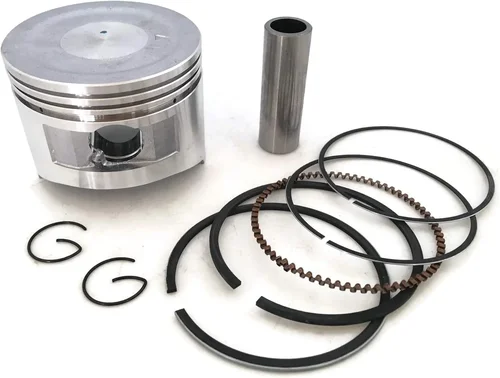
If you’re dealing with a surging issue on your Honda HRX217 lawn mower, chances are the root cause isn’t just a clogged air filter or stale fuel—it could be worn or damaged piston rings. The piston ring set is one of the most critical yet often overlooked components in small engine performance. When these rings fail, they compromise compression, leading to erratic engine behavior like surging, loss of power, hard starting, and excessive oil consumption. Replacing them isn’t just a repair—it’s an investment in restoring your mower’s reliability and extending its lifespan.
This comprehensive buying guide is designed to cut through the confusion and help you make a confident, informed decision when purchasing a piston ring set for your Honda HRX217. Whether you’re a seasoned DIY mechanic or tackling your first engine rebuild, this guide will walk you through everything you need to know—from understanding how piston rings work to evaluating quality, comparing brands, avoiding common pitfalls, and finding the best deals. We’ll also cover where to buy, what to look for in terms of fit and performance, and how to ensure compatibility with your specific model. By the end, you’ll have all the tools to choose the right piston ring set that delivers long-term value and peace of mind.
The market for small engine parts like piston rings can be overwhelming. You’ll find everything from ultra-cheap, no-name kits on discount websites to premium OEM (Original Equipment Manufacturer) parts from Honda itself. In between are reputable aftermarket brands offering high-quality alternatives at competitive prices. With so many options, it’s easy to overspend on unnecessary features or, worse, end up with subpar components that fail prematurely. This guide demystifies the process, helping you navigate price points, material quality, installation considerations, and warranty support—all tailored specifically to the Honda HRX217 and its GCV190 engine. Let’s dive in and get your mower running smoothly again.

What to Look for When Buying Buying Guide
1. Compatibility with Honda HRX217 & GCV190 Engine
The single most important factor when buying a piston ring set is ensuring it’s compatible with your specific mower model. The Honda HRX217 uses the GCV190 engine, a 190cc single-cylinder overhead cam (OHC) engine commonly found in premium residential mowers. Not all piston ring sets labeled “for Honda” are created equal—some may fit multiple models, but only a few are precision-machined for the GCV190’s exact bore diameter, ring thickness, and end gap specifications.
Before purchasing, verify that the product listing explicitly mentions compatibility with the Honda HRX217 or the GCV190 engine. Cross-reference the part number if available—Honda’s OEM piston ring set for this engine is typically part number 13011-Z0H-801. Even if you’re buying an aftermarket version, it should match these dimensions exactly. Installing incompatible rings can lead to poor sealing, increased blow-by, and accelerated engine wear—defeating the purpose of the repair.
2. Material Quality & Construction
Piston rings endure extreme heat, pressure, and friction during operation. As such, their material composition directly impacts durability and performance. Most quality piston ring sets for small engines like the GCV190 are made from cast iron or ductile iron, sometimes with a chrome-plated or molybdenum-coated surface for enhanced wear resistance and reduced friction.
Look for rings that feature a chrome-plated top compression ring and a phosphate-coated second ring, as this combination offers excellent heat resistance and break-in characteristics. Avoid rings made from low-carbon steel or uncoated cast iron unless they’re from a trusted brand with proven track records. Inferior materials may warp under high temperatures or wear out quickly, especially if your mower sees frequent use. Additionally, check whether the rings include a properly designed oil control ring—this is crucial for managing oil consumption and maintaining proper cylinder lubrication.
3. Precision Fit & Tolerances
Even the best materials won’t save you if the rings don’t fit your engine’s cylinder bore correctly. The GCV190 has a standard bore size of approximately 69mm. High-quality piston ring sets will specify exact dimensions, including ring thickness (typically 1.2mm for top and second rings, and 2.0mm for the oil ring), free end gap, and installed end gap recommendations.
When installed, the end gap—the space between the two ends of the ring when compressed into the cylinder—must be within manufacturer specifications (usually around 0.25–0.45mm for the GCV190). Too little gap and the ring can seize when heated; too much and compression suffers. Reputable manufacturers provide detailed specs or even include a gap chart. If a seller can’t provide these details, consider it a red flag. Precision-machined rings ensure optimal sealing, which directly affects engine smoothness, power output, and fuel efficiency—key factors in resolving surging issues.
4. OEM vs. Aftermarket: Weighing the Options
You’ll encounter two main categories: genuine Honda OEM parts and aftermarket alternatives. OEM rings are made by Honda or its authorized suppliers and guarantee perfect fit, finish, and performance. They’re ideal if you prioritize reliability and don’t mind paying a premium (typically $40–$60).
Aftermarket rings, on the other hand, offer significant cost savings (often $15–$30) and can match or even exceed OEM quality—if you choose wisely. Brands like Rotary, Oregon, Stens, and Maxpower have strong reputations in the small engine parts industry. Many aftermarket sets use upgraded materials or improved coatings compared to older OEM designs. However, avoid generic “fits all Honda” kits from unknown sellers—they often lack proper tolerances and may not include all three rings (compression and oil control). Always read reviews and verify that the aftermarket brand specializes in Honda small engine components.
5. Included Components & Completeness
A complete piston ring set for the GCV190 should include three rings: two compression rings (top and second) and one three-piece oil control ring. Some budget kits omit the oil ring or include only two pieces instead of three, which compromises oil regulation and leads to smoking or excessive oil burn.
Additionally, check whether the set includes installation instructions, torque specs, or break-in recommendations. While not always necessary, these extras demonstrate attention to detail and can be invaluable for first-time rebuilders. High-end kits may even come with a warranty card or registration option. Never assume completeness—always confirm the product description lists all three rings explicitly.
6. Brand Reputation & Customer Support
Not all brands are created equal. Established names like Honda, Rotary, and Oregon have decades of experience manufacturing small engine parts and stand behind their products. Look for brands that offer customer support via phone or email, especially if you’re unsure about compatibility or installation.
Check online reviews on platforms like Amazon, eBay, or specialized forums such as LawnSite.com. Pay attention to comments about fitment accuracy, longevity, and whether the rings resolved similar issues (like surging). A brand with consistent positive feedback on real-world performance is far more trustworthy than one with flashy packaging but vague origins. Avoid sellers with no return policy or those who disappear after purchase—you want accountability if something goes wrong.
7. Warranty & Return Policy
A solid warranty is a strong indicator of product confidence. OEM Honda parts typically come with a 90-day to 1-year warranty against defects. Reputable aftermarket brands often offer similar coverage—sometimes even longer. This protects you in case the rings arrive damaged, are defective, or fail prematurely due to manufacturing flaws.
Equally important is the return policy. Engine disassembly is labor-intensive, so you don’t want to be stuck with incompatible or faulty rings. Ensure the retailer allows returns within a reasonable window (at least 30 days) and covers return shipping if the item is defective. Read the fine print: some sellers charge restocking fees or require original packaging. A hassle-free return process reduces risk and gives you peace of mind.
8. Price vs. Value: Avoiding the Cheapest Option
While it’s tempting to grab the lowest-priced piston ring set, remember: you’re not just buying metal—you’re investing in engine health. Extremely cheap rings (under $10) are often made from inferior materials, lack proper coatings, or are poorly machined. They may solve your surging issue temporarily but could fail within a few mowing seasons, requiring another costly teardown.
Instead, focus on value—the balance between price, quality, and expected lifespan. A mid-range aftermarket set from a trusted brand ($20–$35) often delivers 80–90% of OEM performance at half the cost. Only go premium (OEM or high-end aftermarket) if you plan to keep the mower for many years or use it heavily. Think of it this way: spending $10 more now could save you $100 in future repairs.
Different Types of Buying Guide

Common Buying Mistakes to Avoid
❌ Mistake: Buying Based Solely on Price
Why it’s bad: Choosing the cheapest piston ring set without considering quality can lead to premature failure, poor compression, and recurring surging issues. Low-cost rings often lack proper heat treatment or surface coatings, causing them to wear out quickly or seize in the cylinder.
What to do instead: Prioritize value over absolute low cost. Invest in a mid-tier aftermarket set from a reputable brand or genuine OEM if budget allows. Remember, replacing piston rings involves significant labor—doing it twice due to cheap parts doubles your effort and frustration.
❌ Mistake: Ignoring Compatibility Details
Why it’s bad: Assuming “Honda = fits all” is a recipe for disaster. The GCV190 has unique bore and ring specifications that differ from other Honda engines like the GCV160 or GXV series. Installing the wrong rings can cause catastrophic engine damage.
What to do instead: Always verify compatibility by checking your mower’s model number (HRX217HXA, HRX217VXA, etc.) and engine code (GCV190). Cross-reference with the manufacturer’s compatibility list or consult Honda’s official parts diagrams.
❌ Mistake: Overlooking the Oil Control Ring
Why it’s bad: Some budget kits include only two rings, omitting the critical three-piece oil control ring. Without it, oil consumption skyrockets, leading to smoking, fouled spark plugs, and carbon buildup—all of which can mimic or worsen surging.
What to do instead: Confirm the set includes all three rings. If the product image or description is unclear, contact the seller before purchasing. A complete set ensures proper oil regulation and extends engine life.
❌ Mistake: Skipping Break-In Procedures
Why it’s bad: New piston rings require a proper break-in period to seat correctly against the cylinder wall. Running the engine at full throttle immediately can cause glazing, scuffing, or micro-welding, ruining both the rings and cylinder.
What to do instead: Follow the manufacturer’s break-in instructions—typically involving gradual load increases and avoiding prolonged high-RPM operation for the first 5–10 hours. Use fresh oil and check frequently during this period.
❌ Mistake: Buying from Unverified Sellers
Why it’s bad: Marketplaces like eBay or Amazon host countless third-party sellers offering suspiciously low prices. Many sell counterfeit or repackaged junk parts with no quality control or support.
What to do instead: Stick to authorized dealers, well-known retailers (e.g., Jack’s Small Engines, PartsTree, or Honda dealers), or brands with verifiable business addresses and customer service channels. Check seller ratings and avoid those with less than 95% positive feedback.
❌ Mistake: Not Checking Return Policies
Why it’s bad: If the rings don’t fit or are defective, you could be stuck with them—especially if the seller has a “no returns on opened items” policy. Engine work is too involved to risk being unable to exchange faulty parts.
What to do instead: Only buy from retailers with clear, customer-friendly return policies. Look for at least a 30-day window and coverage for defective items. Keep all packaging until you’ve confirmed proper fitment.
❌ Mistake: Assuming Surging Is Only a Ring Issue
Why it’s bad: While worn piston rings are a common cause of surging, other issues—like a clogged carburetor, faulty governor spring, or vacuum leaks—can produce identical symptoms. Replacing rings unnecessarily wastes time and money.
What to do instead: Perform a compression test and leak-down test before disassembling the engine. If compression is low and improves with a squirt of oil in the cylinder, rings are likely the culprit. Otherwise, investigate fuel and air systems first.
Budget Guidelines: How Much Should You Spend?
- Entry-Level ($10–$20): These are typically generic, unbranded rings found on discount sites or local hardware stores. While they may physically fit, expect shorter lifespan, inconsistent quality, and potential compatibility issues. Best suited for temporary fixes or rarely used mowers where longevity isn’t critical.
- Mid-Range ($20–$35): This is the sweet spot for most homeowners. Reputable aftermarket brands like Rotary or Oregon offer precision-machined rings with quality materials and coatings. They deliver reliable performance, proper sealing, and good durability—often matching OEM standards at nearly half the price. Ideal for regular users who want value without compromise.
- Premium ($35–$50): Includes high-end aftermarket sets with advanced features like plasma-moly coatings, improved heat resistance, or tighter tolerances. Also covers OEM-equivalent kits from specialty suppliers. Perfect for those who mow frequently, live in hot climates, or want maximum engine protection.
- Luxury ($50+): Genuine Honda OEM piston ring sets fall here. They come with full manufacturer support, exact specifications, and peace of mind. Recommended for collectors, warranty-conscious owners, or those planning to keep their HRX217 for 10+ years. While costly, they eliminate any guesswork and ensure factory-level performance.
Expert Tips for Getting the Best Deal
- Buy During Off-Season: Lawn mower parts often go on sale in late fall or winter when demand drops. Retailers like Northern Tool, Tractor Supply, or online specialists clear inventory before spring. You can save 15–25% by shopping off-season.
- Compare Authorized Online Retailers: Sites like PartsTree.com, Jack’s Small Engines, and HondaLawnParts.com specialize in genuine and compatible parts. They often price-match and provide detailed fitment guides. Avoid general marketplaces unless the seller is verified.
- Bundle with Other Repairs: If you’re already rebuilding the top end, consider buying a complete engine rebuild kit that includes gaskets, valves, and seals along with the piston rings. These kits often cost less than buying parts individually and ensure everything is fresh and compatible.
- Check for Manufacturer Rebates: Occasionally, brands like Oregon or Stens run promotions or offer mail-in rebates on small engine parts. Sign up for their newsletters or follow them on social media to catch these deals.
- Read Return Policies Carefully: Even reputable sellers may have restrictions. Ensure you can return the item if it doesn’t fit—even after opening the package. Some require unopened boxes, which isn’t practical for engine work.
- Verify Seller Authenticity: On Amazon or eBay, look for “Sold by [Brand Name]” and “Fulfilled by Amazon” badges. Avoid listings with stock photos, vague descriptions, or prices that seem too good to be true.
- Ask for Help Before Buying: Reputable retailers often have tech support lines. Call or email with your model number and ask if the ring set is confirmed compatible. This small step can prevent costly mistakes.
- Consider Used OEM Parts (Cautiously): If budget is extremely tight, you might find used GCV190 engines or parts on forums or salvage sites. However, inspect carefully—used rings may already be worn or improperly stored.
Frequently Asked Questions
Q: How do I know if my Honda HRX217 needs new piston rings?
A: Common signs include engine surging (RPM fluctuating under load), excessive blue smoke from the exhaust, oil fouling on the spark plug, hard starting, or loss of power. A compression test (below 90 PSI) or leak-down test confirming ring leakage confirms the diagnosis.
Q: Can I replace just one ring, or do I need the full set?
A: Always replace the full set. Mixing old and new rings leads to uneven wear, poor sealing, and premature failure. The oil control ring, in particular, works as a system—replacing only part of it compromises oil regulation.
Q: Are aftermarket piston rings as good as Honda OEM?
A: High-quality aftermarket rings from brands like Rotary or Oregon can match or exceed OEM performance, especially in newer formulations. However, OEM guarantees perfect fit and is backed by Honda’s reputation. For most users, a trusted aftermarket set offers excellent value.
Q: Do I need special tools to install piston rings?
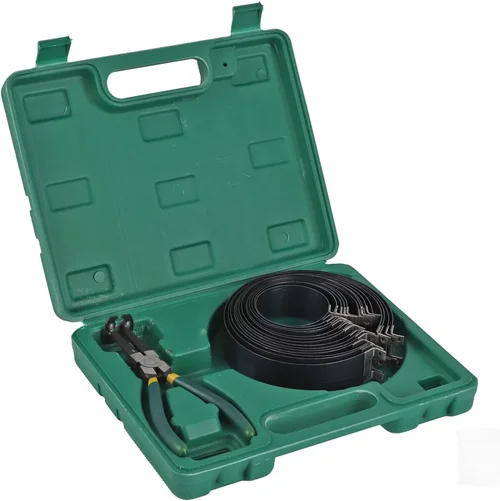
A: Yes. You’ll need a piston ring compressor tool to safely slide the piston into the cylinder without damaging the rings. A torque wrench is also essential for proper head bolt tightening. Basic hand tools (sockets, screwdrivers) are sufficient for disassembly.
Q: How long do piston rings typically last?
A: With proper maintenance, piston rings in a GCV190 engine can last 500–1,000 hours of operation—roughly 5–10 years for average homeowners. Factors like fuel quality, oil changes, and operating conditions significantly affect lifespan.
Q: Will new piston rings fix my surging problem?
A: If worn rings are the confirmed cause (via compression/leak-down testing), then yes—new rings should restore proper compression and eliminate surging. However, always inspect the carburetor, air filter, and governor system during reassembly to rule out other contributors.
Q: Can I install piston rings myself?
A: Absolutely, if you’re comfortable with basic engine disassembly. The process involves removing the cylinder head, oil pan, and connecting rod cap. Follow a service manual for torque specs and assembly order. Take photos during disassembly to aid reassembly.
Q: What’s the difference between a 2-ring and 3-ring set?
A: A 2-ring set includes only the top and second compression rings, omitting the oil control ring. This is inadequate for proper engine function. Always choose a 3-ring set that includes the three-piece oil ring for correct oil management.
Q: Where is the best place to buy a piston ring set for my HRX217?
A: Recommended sources include authorized Honda dealers, specialized small engine parts retailers (e.g., Jack’s Small Engines, PartsTree), and trusted online marketplaces with verified sellers. Avoid generic auction sites unless the seller has strong credentials.
Q: Do piston rings come pre-gapped?
A: Most quality sets are pre-gapped for standard bore sizes, but it’s wise to verify the end gap using a feeler gauge after installation. If your cylinder has been bored or worn, custom gapping may be necessary.
Our Final Recommendations
- Best for Budget-Conscious Buyers: Rotary 49-119 Piston Ring Set – At around $22, this set offers excellent value with chrome-plated top ring, phosphate second ring, and complete 3-ring design. Widely praised for fit and durability on the GCV190.
- Best Overall Value: Oregon 47-119 Piston Ring Set – Priced at $28–$32, Oregon delivers precision-machined rings with enhanced coatings and consistent quality. Ideal for DIYers who want reliability without OEM cost.
- Best Premium Option: Genuine Honda 13011-Z0H-801 Piston Ring Set – For those who demand perfection, Honda’s OEM set guarantees exact fit, finish, and performance. Available through authorized dealers for $50–$60.
- Best for Beginners: Maxpower 521660 Piston Ring Set – Comes with clear instructions and is designed for easy installation. Slightly thicker packaging and user-friendly design make it great for first-time rebuilders.
- Best for Advanced Users: Stens 275-419 Premium Piston Ring Set – Features plasma-moly coated top ring and tighter tolerances for improved sealing. Ideal for those modifying their engine or seeking maximum performance.
Conclusion: Making the Right Choice
Choosing the right piston ring set for your Honda HRX217 isn’t just about fixing a surging engine—it’s about restoring confidence in your mower’s performance and ensuring years of reliable service. Throughout this guide, we’ve emphasized the importance of compatibility, material quality, precision fit, and brand reputation. We’ve also highlighted common pitfalls, budget considerations, and expert strategies to help you avoid costly mistakes and get the best possible value.
Remember, the cheapest option isn’t always the smartest, and the most expensive isn’t always necessary. For most homeowners, a mid-range aftermarket set from a trusted brand strikes the perfect balance between cost, quality, and longevity. If you’re unsure, lean toward reputable retailers with strong return policies and customer support. And never skip the diagnostic step—confirm that worn piston rings are indeed the root cause before diving into a full engine teardown.
Your Honda HRX217 is a premium mower built to last. By investing in the right piston ring set and installing it correctly, you’re not just solving a problem—you’re preserving a machine that delivers a superior cut, smooth operation, and dependable performance season after season. Take your time, do your research, and choose wisely. Your lawn—and your future self—will thank you.