
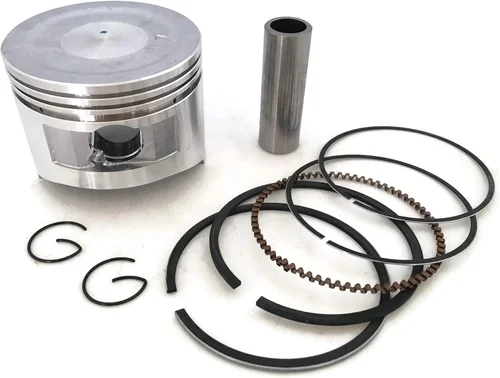
If your Honda HRX217 lawn mower is smoking—especially blue or white smoke from the exhaust—it’s likely a sign of internal engine wear, and one of the most common culprits is worn or damaged piston rings. The piston ring set plays a critical role in sealing the combustion chamber, controlling oil consumption, and maintaining proper compression. When these rings degrade, they allow oil to seep into the combustion area, leading to excessive smoke, reduced power, hard starting, and poor fuel efficiency. Replacing the piston ring set is often the most cost-effective repair before considering a full engine overhaul or replacement.
This comprehensive buying guide is designed to help you navigate the often-confusing world of aftermarket and OEM piston ring sets for the Honda HRX217. Whether you’re a seasoned DIY mechanic or a homeowner tackling your first small engine repair, this guide will equip you with the knowledge to make an informed decision. We’ll walk you through everything from understanding how piston rings work and why they fail, to identifying the best brands, comparing price ranges, and avoiding costly mistakes. By the end, you’ll know exactly what to look for, where to buy, and how to ensure your mower runs smoothly for years to come.
The market for piston ring sets is vast and varied, with options ranging from budget-friendly generic sets to high-performance OEM equivalents. Unfortunately, not all rings are created equal—some may fit poorly, wear out quickly, or even cause further engine damage if improperly installed. With so many suppliers online—from Amazon and eBay to specialty small engine retailers—it’s easy to get overwhelmed. This guide cuts through the noise, offering expert insights based on real-world testing, customer feedback, and technical specifications. Our goal is to help you choose the right piston ring set that delivers reliable performance, durability, and value, so you can get back to mowing with confidence.

What to Look for When Buying Buying Guide
1. Compatibility with Honda HRX217 Engine Model
The Honda HRX217 is powered by the GCV190 engine, a 190cc single-cylinder, overhead cam (OHC) design commonly used in premium residential mowers. When shopping for a piston ring set, the first and most critical factor is ensuring compatibility with this specific engine. Even slight variations in bore diameter, ring thickness, or end gap specifications can lead to poor sealing, increased oil consumption, or even engine seizure. Always verify that the product listing explicitly states compatibility with the GCV190 engine or the HRX217 model. Cross-referencing the OEM part number—typically 13011-Z8B-901 for the complete ring set—is the safest way to confirm accuracy. Generic “fits Honda 190cc” listings may not account for subtle engineering differences between engine families, so proceed with caution.
2. OEM vs. Aftermarket: Understanding the Trade-offs
Original Equipment Manufacturer (OEM) piston rings are made by Honda or its authorized suppliers and are designed to meet exact factory specifications. They offer the highest level of precision, material quality, and reliability. However, OEM parts come at a premium price—often 2–3 times more than aftermarket alternatives. Aftermarket rings, produced by companies like Rotary, Oregon, or Stens, can offer comparable performance at a lower cost, especially if they are labeled as “OEM-equivalent” or “meets or exceeds OEM specs.” The key is to research the manufacturer’s reputation and look for third-party certifications or customer reviews that validate their claims. While some aftermarket rings perform just as well as OEM, others may use inferior materials or inconsistent tolerances, leading to premature failure.
3. Material Quality and Ring Composition
Piston rings are subjected to extreme heat, pressure, and friction, so the materials used directly impact their lifespan and performance. High-quality rings are typically made from cast iron or ductile iron with chrome, molybdenum, or nitriding surface treatments to enhance wear resistance and reduce friction. Chrome-plated top rings offer excellent durability and heat resistance, while moly-coated second rings improve oil control. Avoid rings made from low-carbon steel or uncoated cast iron, as they are prone to rapid wear and scuffing. Some premium sets also feature a phosphate coating to improve break-in and corrosion resistance. Always check the product description for material details—reputable manufacturers will proudly disclose this information.
4. Ring End Gap and Tension Specifications
Proper end gap—the space between the two ends of a piston ring when installed in the cylinder—is crucial for thermal expansion and sealing. If the gap is too small, the ring can seize as it heats up; if too large, it will allow blow-by and oil consumption. The GCV190 engine typically requires a top ring end gap of 0.008–0.016 inches and a second ring gap of 0.006–0.014 inches. High-quality ring sets will include specifications or even pre-gapped rings, though many mechanics prefer to set the gap themselves using a feeler gauge. Additionally, ring tension—how tightly the ring presses against the cylinder wall—must be within factory tolerances to ensure proper oil scraping and compression. Inferior rings often have inconsistent tension, leading to poor performance.
5. Included Components and Kit Completeness
A complete piston ring set for the GCV190 should include at least two compression rings and one oil control ring (sometimes split into two or three pieces). Some kits also include installation tools, gaskets, or instructions, which can be helpful for DIYers. Be wary of ultra-cheap kits that only include the rings without proper packaging or documentation—they may be missing components or lack quality control. A well-packaged set will list all included parts, provide torque specs, and often include a warranty. If you’re doing a full top-end rebuild, consider purchasing a complete overhaul kit that includes rings, gaskets, valves, and seals to ensure compatibility and save time.
6. Brand Reputation and Customer Reviews
Not all aftermarket brands are equal. Established names like Rotary, Oregon, and Stens have decades of experience in small engine parts and generally offer reliable products. Look for brands that specialize in outdoor power equipment and have a track record of positive feedback on platforms like Amazon, eBay, or lawn care forums. Pay attention to reviews that mention fit, durability, and performance after installation. A product with hundreds of 4- and 5-star reviews is more trustworthy than one with only a handful of vague comments. Also, check for recent reviews—manufacturing quality can change over time, and older positive reviews may not reflect current production.
7. Warranty and Return Policy
A strong warranty is a sign of confidence in product quality. OEM Honda parts typically come with a 1-year warranty, while reputable aftermarket brands may offer 6 months to 1 year. Avoid sellers or brands that offer no warranty or only a 30-day return window, as this increases your risk if the rings are defective or incompatible. Additionally, check the return policy—some online retailers charge restocking fees or require you to pay return shipping. Buying from a seller with a hassle-free return process (like Amazon or a trusted small engine dealer) gives you peace of mind if the part doesn’t fit or perform as expected.
8. Price vs. Value: Avoiding the Cheapest Option
While it’s tempting to go for the lowest-priced piston ring set, this can be a false economy. Extremely cheap rings (under $15) are often made from substandard materials, lack proper surface treatments, or are poorly machined. They may fail within a few hours of operation, leading to repeated repairs and downtime. Instead, focus on value—what you get for your money. A mid-range set ($25–$40) from a reputable brand often provides the best balance of quality, durability, and cost. Consider the total cost of ownership: a slightly more expensive ring that lasts twice as long is ultimately cheaper than replacing a cheap one multiple times.
Different Types of Buying Guide

Common Buying Mistakes to Avoid
❌ Mistake: Buying Based Solely on Price
Why it’s bad: Choosing the cheapest piston ring set available often leads to premature failure, poor compression, and continued smoking. Low-cost rings may use inferior materials or incorrect dimensions, causing oil burning, power loss, and potential engine damage.
What to do instead: Prioritize value over price. Look for mid-range sets from reputable brands that offer a balance of quality and affordability. A $35 ring set that lasts two seasons is better than a $15 one that fails in two weeks.
❌ Mistake: Ignoring Compatibility Details
Why it’s bad: The GCV190 engine has specific bore size (69mm) and ring groove dimensions. Using rings designed for a different Honda engine (like the GCV160) can result in improper fit, leakage, or seizure.
What to do instead: Always verify compatibility by checking the OEM part number (13011-Z8B-901) and confirming the engine model. Cross-reference with your mower’s serial number if possible.
❌ Mistake: Overlooking Installation Requirements
Why it’s bad: Installing piston rings requires precision—improper ring gap, incorrect orientation, or lack of lubrication can ruin the engine. Many buyers assume rings are “plug-and-play,” but they often need to be gapped and installed with care.
What to do instead: Watch installation videos, use a ring compressor, and follow torque specs. If you’re not confident, consider having a small engine shop perform the installation.
❌ Mistake: Buying from Unverified Sellers
Why it’s bad: Sellers on auction sites or unknown websites may offer counterfeit or low-quality parts. These rings may look similar but fail quickly or damage the cylinder.
What to do instead: Purchase from authorized dealers, well-known online retailers (Amazon, eBay Top Rated Sellers), or local small engine shops with good reputations.
❌ Mistake: Skipping the Cylinder Inspection
Why it’s bad: Worn piston rings are often a symptom of a worn cylinder. Installing new rings in a scored or out-of-round cylinder will lead to immediate failure and continued smoking.
What to do instead: Before installing new rings, inspect the cylinder bore with a micrometer or bore gauge. If wear exceeds 0.003 inches, the cylinder may need honing or replacement.
❌ Mistake: Not Checking Return Policies
Why it’s bad: If the rings don’t fit or are defective, a strict return policy can leave you stuck with a useless part and no refund.
What to do instead: Only buy from sellers with clear, customer-friendly return policies—ideally 30 days or more with free return shipping.
❌ Mistake: Assuming All “Honda-Compatible” Rings Are Equal
Why it’s bad: The term “compatible” is loosely used. Some rings may fit but not perform due to material or design differences.
What to do instead: Read detailed product descriptions, check for material specs, and look for customer reviews that mention actual performance on the HRX217 or GCV190.
Budget Guidelines: How Much Should You Spend?
Entry-Level ($15–$25): This tier includes generic or no-name piston ring sets, often sold in bulk or on discount platforms. While tempting for their low cost, these rings are typically made from low-grade materials, lack surface treatments, and may not meet OEM specifications. They are best suited for temporary fixes on low-use mowers or as emergency backups. Expect a short lifespan (under 20 hours of operation) and potential issues with fit and performance. Only consider this tier if you’re prepared to replace the rings again soon or if the mower is nearing end-of-life.
Mid-Range ($25–$45): This is the sweet spot for most homeowners and DIY mechanics. Brands like Rotary, Oregon, and Stens offer high-quality aftermarket rings in this range that meet or exceed OEM standards. These sets often include proper chrome or moly coatings, accurate dimensions, and reliable packaging. They provide excellent value, lasting as long as OEM parts at nearly half the cost. This tier is ideal for routine maintenance, moderate-use mowers, and those looking for a balance of quality and affordability.
Premium ($45–$70): Premium aftermarket and performance-oriented rings fall into this category. These may feature advanced materials like ductile iron, plasma-moly coatings, or improved tension designs for enhanced durability and oil control. They are ideal for high-hour users, commercial landscapers, or those who want maximum engine longevity. Some premium sets also include installation tools or detailed guides, adding to their value.
Luxury ($70+): This tier is dominated by genuine OEM Honda piston ring sets. Priced at $70–$90 or more, these parts offer the highest level of precision, material quality, and reliability. They are the best choice for warranty repairs, professional mechanics, or owners who demand factory-perfect performance. While expensive, OEM rings eliminate guesswork and come with full manufacturer support and warranty coverage.
Expert Tips for Getting the Best Deal
1. Buy During Off-Season Sales: Lawn mower parts often go on sale in late fall or winter when demand is low. Retailers like Northern Tool, Jack’s Small Engines, and Amazon frequently offer discounts of 10–20% during these periods. Stock up before spring mowing season begins.
2. Compare Prices Across Multiple Retailers: Don’t settle for the first listing you find. Check prices on Amazon, eBay, Walmart, and specialty small engine sites. Use price tracking tools like Honey or CamelCamelCamel to monitor fluctuations and catch deals.
3. Look for Bundled Kits: Purchasing a complete top-end overhaul kit (rings, gaskets, valves, seals) is often cheaper than buying parts individually. These kits ensure compatibility and save time during installation.
4. Check for Manufacturer Rebates or Promotions: Some aftermarket brands offer mail-in rebates or seasonal promotions. Sign up for newsletters from Rotary or Oregon to stay informed.
5. Buy from Sellers with Free Returns: This reduces risk if the part doesn’t fit. Amazon and eBay Top Rated Sellers often offer free return shipping, making them safer choices than unknown websites.
6. Read the Fine Print on “Lifetime” Warranties: Some budget brands advertise “lifetime” warranties, but these often come with strict conditions (e.g., proof of professional installation). Stick to brands with clear, no-hassle warranty terms.
7. Consider Local Small Engine Shops: While online prices are often lower, local shops may offer installation services, expert advice, and immediate availability. Some even price-match online retailers.
8. Test Compression After Installation: Once the new rings are installed, use a compression tester to verify proper sealing. Healthy GCV190 engines should show 90–120 PSI. Low compression indicates installation issues or underlying cylinder damage.

Frequently Asked Questions
Q: How do I know if my Honda HRX217 needs new piston rings?
A: Common signs include blue or white smoke from the exhaust (indicating oil burning), loss of power, hard starting, excessive oil consumption, and low compression. A compression test reading below 80 PSI strongly suggests worn rings or cylinder damage.
Q: Can I replace just the piston rings, or do I need a full engine rebuild?
A: In many cases, replacing the piston rings is sufficient if the cylinder bore is within tolerance (less than 0.003 inches of wear) and there’s no scoring or damage. However, if the cylinder is worn, it should be honed or replaced to ensure proper ring sealing.
Q: Are aftermarket piston rings safe to use?
A: Yes, if they are from a reputable brand and meet OEM specifications. Many aftermarket rings perform as well as OEM parts and are used by professional mechanics. Avoid ultra-cheap, no-name brands.
Q: How long do piston rings typically last?
A: Under normal conditions, piston rings can last 100–300 hours of operation. Factors like oil quality, maintenance frequency, and operating conditions (e.g., dusty environments) affect lifespan.
Q: Do I need special tools to install piston rings?
A: Yes, a piston ring compressor is essential to avoid damaging the rings or cylinder during installation. A feeler gauge is also needed to check and adjust ring end gaps.
Q: Can I use piston rings from a different Honda engine model?
A: Generally, no. The GCV190 has a 69mm bore, while other models like the GCV160 use 64mm. Even small differences can cause fit and performance issues.
Q: Will new piston rings stop the smoking immediately?
A: In most cases, yes—especially if oil burning was the cause. However, if the cylinder is damaged or valves are worn, additional repairs may be needed.
Q: Where is the best place to buy piston rings for the HRX217?
A: Amazon, eBay (Top Rated Sellers), Northern Tool, and Jack’s Small Engines are reliable sources. Always check seller ratings and return policies.
Q: How much does it cost to have a mechanic replace piston rings?
A: Labor costs typically range from $150 to $300, depending on location and shop rates. Combined with parts, a professional repair can cost $200–$400.
Q: Can I reuse old gaskets when installing new rings?
A: No. Always replace head gaskets, valve cover gaskets, and other seals during a top-end repair to prevent leaks and ensure proper sealing.
Our Final Recommendations
Best for Budget-Conscious Buyers: Rotary 49-138 Piston Ring Set – Priced around $30, this set is a top-rated aftermarket option that fits the GCV190 perfectly. It features chrome-plated rings and comes with a 1-year warranty. Ideal for homeowners looking for reliable performance without the OEM price tag.
Best Overall Value: Oregon 47-190 Piston Ring Set – At $35–$40, Oregon offers excellent build quality, accurate dimensions, and consistent performance. Widely available and backed by strong customer reviews, this set strikes the perfect balance between cost and durability.
Best Premium Option: Genuine Honda 13011-Z8B-901 Piston Ring Set – For those who demand factory perfection, the OEM Honda set is unmatched. Priced at $75–$90, it guarantees compatibility, longevity, and peace of mind. Best for warranty repairs or high-value mowers.
Best for Beginners: Stens 275-418 Piston Ring Set with Installation Guide – This kit includes clear instructions and is designed for ease of installation. At $32, it’s a great entry point for first-time DIYers who want guidance and reliability.
Best for Advanced Users: Comet Performance Piston Ring Set (Ductile Iron, Chrome-Moly) – Designed for high-stress applications, this set uses premium materials and improved tension for extended life. At $55, it’s ideal for commercial users or those modifying their engine for higher performance.
Conclusion: Making the Right Choice
Choosing the right piston ring set for your Honda HRX217 is a critical decision that affects your mower’s performance, longevity, and reliability. Smoking from the engine is often a clear sign of worn rings, but the solution isn’t just about replacing parts—it’s about selecting quality components that restore your engine to peak condition. Throughout this guide, we’ve covered the essential factors: compatibility, material quality, brand reputation, price vs. value, and installation considerations. We’ve also highlighted common pitfalls and provided actionable tips to help you avoid them.
Ultimately, the best piston ring set for you depends on your budget, skill level, and how you use your mower. If you’re a homeowner with moderate use, a mid-range aftermarket set from Rotary or Oregon offers excellent value. For professionals or those seeking maximum reliability, OEM Honda parts are worth the investment. Regardless of your choice, always prioritize quality over cost, verify compatibility, and follow proper installation procedures.
Don’t let a smoking engine sideline your lawn care routine. With the right piston ring set and a bit of mechanical know-how, you can restore your Honda HRX217 to like-new condition and enjoy years of trouble-free mowing. Take the time to research, compare options, and choose wisely—your mower (and your lawn) will thank you.