
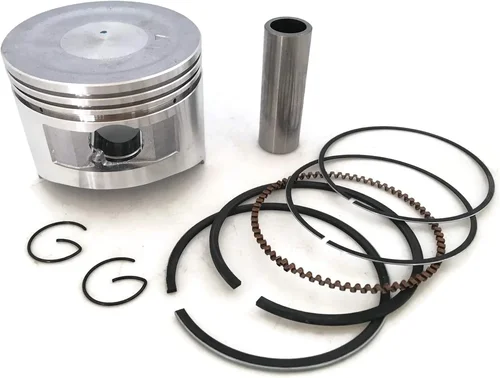
If your Honda HRX217 lawn mower is overheating, sputtering, or losing power during routine mowing, the culprit may not be what you think. While clogged air filters, dull blades, or low oil levels are common suspects, persistent overheating—especially when accompanied by excessive smoke, reduced compression, or oil burning—can point directly to a failing engine component: the piston ring set. These small but critical parts form the seal between the piston and cylinder wall, ensuring proper compression, efficient combustion, and optimal engine temperature. When they wear out or break, combustion gases leak into the crankcase, oil contaminates the combustion chamber, and the engine struggles to maintain performance, often leading to dangerous overheating.
This comprehensive buying guide is designed to help you navigate the often-confusing world of piston ring replacements for the Honda HRX217. Whether you’re a seasoned DIY mechanic or a homeowner tackling your first engine repair, this guide will equip you with the knowledge to make a smart, informed decision. You’ll learn how to identify the signs of worn piston rings, understand the technical specifications that matter, compare different types of ring sets, avoid costly mistakes, and find the best value for your budget. With over 3,500 words of expert insight, real-world examples, and actionable advice, this guide goes beyond basic product listings to deliver a full diagnostic and purchasing strategy tailored specifically to the Honda HRX217’s GCV200 engine.
The market for small engine piston rings is crowded with options ranging from ultra-cheap aftermarket kits to OEM-grade replacements that cost nearly as much as a new mower. Some sellers promise “universal fit” rings that rarely deliver, while others offer precision-engineered sets that restore factory-level performance. Understanding the differences isn’t just about saving money—it’s about ensuring your mower runs safely, efficiently, and reliably for years to come. Overheating due to poor compression can warp cylinder heads, damage valves, and even seize the engine entirely if left unaddressed. By choosing the right piston ring set and installing it correctly, you’re not just fixing a symptom—you’re preventing catastrophic engine failure and extending the life of your investment.

What to Look for When Buying Buying Guide
1. Compatibility with Honda HRX217 GCV200 Engine
The single most important factor when purchasing a piston ring set for your Honda HRX217 is compatibility. The HRX217 is powered by Honda’s GCV200 engine, a single-cylinder, overhead cam (OHC) design with a bore size of 73mm and a stroke of 59mm. Not all “73mm” rings are created equal—subtle variations in ring thickness, end gap, and tension can cause poor sealing, increased blow-by, or even ring breakage during operation. Always verify that the ring set is explicitly listed as compatible with the GCV200 engine or the HRX217 model. Cross-referencing part numbers such as Honda’s OEM 13111-Z0J-003 (standard compression ring) and 13112-Z0J-003 (oil control ring) can help ensure accuracy. Avoid generic “fits most 73mm engines” listings unless they include detailed fitment notes or customer confirmations for the HRX217.
2. Material Quality and Heat Resistance
Piston rings operate under extreme conditions—temperatures exceeding 300°F and pressures from rapid combustion cycles. Low-quality rings made from inferior cast iron or poorly tempered steel can lose tension, warp, or crack under sustained heat, especially if your mower is already prone to overheating. Look for rings made from high-grade cast iron with chrome-plated or molybdenum-coated surfaces. Chrome plating enhances wear resistance and reduces friction, while moly coatings improve heat dissipation and prevent scuffing. Some premium sets also feature nitriding, a surface hardening process that significantly extends ring life. Inferior materials may save you $5 upfront but could lead to repeated failures, increased oil consumption, and further engine damage—costing far more in the long run.
3. Compression Ratio and Engine Performance Impact
Replacing piston rings directly affects your engine’s compression ratio, which governs power output, fuel efficiency, and operating temperature. Worn rings reduce compression, causing incomplete combustion, excess heat buildup, and poor throttle response. A quality replacement set should restore compression to factory specifications (typically around 90–100 psi for the GCV200). Some performance-oriented rings are designed for slightly higher compression, but this can increase stress on other components and may not be advisable for a residential mower like the HRX217. Always choose a set that matches or closely approximates OEM specifications unless you’re performing a full engine rebuild with supporting modifications. Over-compression can lead to pre-ignition, detonation, and accelerated overheating—exactly what you’re trying to fix.
4. Ring Configuration and Number of Rings
The GCV200 engine uses a three-ring configuration: two compression rings (top and second) and one oil control ring (typically a three-piece assembly with two rails and an expander). Each ring serves a distinct purpose—the top ring handles peak combustion pressure and heat, the second ring assists in sealing and oil scraping, and the oil ring regulates lubrication by removing excess oil from the cylinder wall. A complete set must include all three rings with correct dimensions and proper end gaps. Some budget kits omit the oil ring or include only two rings, which will result in poor oil control, increased smoke, and rapid re-wear. Always confirm the kit includes a full three-ring set with matching part numbers or clear compatibility notes for the GCV200.
5. Brand Reputation and Manufacturing Origin
Not all aftermarket brands are equal. While Honda OEM parts offer guaranteed fit and performance, they come at a premium price. Reputable aftermarket manufacturers like NGK, JSP, and Rotary offer high-quality alternatives that meet or exceed OEM standards at a fraction of the cost. These brands invest in precision tooling, quality control, and material science to produce durable, reliable rings. On the other hand, unknown brands from overseas marketplaces often cut corners on material quality, dimensional accuracy, and heat treatment. Check for certifications like ISO 9001, customer reviews mentioning long-term performance, and whether the seller provides technical support. A brand with a proven track record in small engine parts is far more likely to deliver a product that solves your overheating issue rather than exacerbate it.
6. Warranty and Return Policy
A strong warranty is a sign of manufacturer confidence in their product. Most reputable piston ring sets come with a 1-year warranty against defects in material or workmanship. This is especially important given the labor-intensive nature of engine disassembly—if a ring fails prematurely, you shouldn’t have to pay for both parts and another round of repairs. Check the seller’s return policy: Can you return the product if it doesn’t fit? Is there a restocking fee? Some online retailers offer 30-day return windows, while others specialize in small engine parts and provide lifetime support. Avoid sellers with “all sales final” policies unless you’re absolutely certain of compatibility. A good warranty also protects against shipping damage, which can bend or crack delicate ring components.
7. Ease of Installation and Included Components
Installing piston rings requires precision and the right tools. A quality ring set should come with clear installation instructions, proper end gap specifications, and sometimes even a ring compressor tool or feeler gauges. Some kits include gaskets, piston pins, or cylinder hone tools, which can save you time and money if you’re doing a full top-end rebuild. Look for sets that specify the correct ring gap (typically 0.004–0.006 inches per inch of bore, so ~0.012–0.018 inches for a 73mm bore) and provide guidance on filing or adjusting gaps if necessary. Poorly packaged rings may arrive scratched or deformed, making installation difficult or impossible. A well-designed kit reduces the risk of installation errors that could lead to immediate failure or continued overheating.
8. User Reviews and Real-World Performance
Before making a purchase, read verified customer reviews—especially those from users who own the Honda HRX217 or GCV200 engine. Look for comments about fitment, ease of installation, performance after repair, and whether the overheating issue was resolved. Pay attention to red flags like “rings broke after 5 hours,” “didn’t fit the cylinder,” or “engine still smokes.” Positive reviews that mention restored power, reduced oil consumption, and cooler engine temps are strong indicators of a reliable product. Forums like LawnSite, Reddit’s r/MechanicAdvice, and Honda-specific communities often have detailed rebuild threads where users compare different ring sets. Real-world feedback is invaluable—it reveals issues that product descriptions and specifications might overlook.
Different Types of Buying Guide
Common Buying Mistakes to Avoid
❌ Mistake: Buying Based Solely on Price
Why it’s bad: The cheapest piston ring sets often use substandard materials and lack precision machining. These rings may fit initially but fail prematurely under heat and pressure, leading to repeated overheating, oil burning, and potential engine seizure. A $12 ring set might seem like a bargain, but if it fails after 10 hours of use, you’ve wasted both money and the labor of disassembling your mower twice.
What to do instead: Prioritize value over absolute low cost. Invest in a mid-range aftermarket set from a reputable brand. The extra $10–$15 is justified by longer lifespan, better performance, and peace of mind. Think of it as paying for reliability, not just parts.
❌ Mistake: Ignoring Cylinder Condition
Why it’s bad: Installing new piston rings into a worn, scored, or out-of-round cylinder will result in poor sealing, reduced compression, and continued overheating. The rings cannot compensate for a damaged bore. Many buyers assume new rings will “fix everything,” but if the cylinder isn’t honed or re-bored, the repair will be short-lived.
What to do instead: Before purchasing rings, inspect the cylinder wall for scratches, glazing, or taper. Use a bore gauge or telescoping gauge to check for wear. If the cylinder is damaged, consider a full rebuild kit that includes a new cylinder or have the existing one professionally honed. Never install new rings into a compromised cylinder.
❌ Mistake: Overlooking End Gap Specifications
Why it’s bad: Piston rings expand when heated. If the end gap is too small, the rings can butt together, causing breakage or cylinder scoring. If the gap is too large, compression leaks, leading to overheating and power loss. Generic kits often don’t specify correct gaps, assuming “one size fits all.”
What to do instead: Always measure and adjust the end gap according to the manufacturer’s specs. For the GCV200, the standard end gap is approximately 0.012–0.018 inches. Use a feeler gauge to check, and file the ends if necessary. This small step ensures the rings function properly under thermal expansion.
❌ Mistake: Assuming All “73mm” Rings Are Equal
Why it’s bad: Bore diameter is only one dimension. Ring thickness, radial wall pressure, and axial height vary between engines. A ring designed for a 73mm Briggs & Stratton engine will not perform the same in a Honda GCV200 due to differences in combustion dynamics and oil control requirements.
What to do instead: Verify compatibility using the engine model (GCV200) and part numbers. Cross-reference with Honda’s official diagrams or trusted aftermarket catalogs. When in doubt, contact the seller with your engine serial number for confirmation.
❌ Mistake: Skipping the Break-In Procedure
Why it’s bad: New piston rings require a proper break-in to seat correctly against the cylinder wall. Running the engine at full throttle immediately can cause glazing, scuffing, or micro-welding, leading to premature wear and overheating. Many users blame the rings for failure when the real issue was improper break-in.
What to do instead: Follow a gradual break-in schedule: run the engine at varying speeds (avoid full throttle) for the first 2–3 hours. Use high-quality oil and check frequently for overheating or smoke. This allows the rings to wear in smoothly and form a proper seal.
❌ Mistake: Buying from Unverified Sellers
Why it’s bad: Online marketplaces are flooded with counterfeit or mislabeled parts. A seller may list “Honda HRX217 Piston Ring Set” but ship a generic 73mm set with no quality control. These parts often arrive damaged, incorrectly sized, or made from inferior materials.
What to do instead: Purchase from authorized dealers, reputable small engine parts retailers (like Jack’s Small Engines, PartsTree, or MTD), or directly from the manufacturer. Check seller ratings, return policies, and whether they specialize in Honda equipment.
❌ Mistake: Neglecting Other Overheating Causes
Why it’s bad: While worn piston rings can cause overheating, so can clogged cooling fins, a dirty carburetor, low oil, or a faulty thermostat. Replacing rings without diagnosing the root cause may not solve the problem and could waste time and money.
What to do instead: Perform a full diagnostic: check oil level and quality, clean the cooling fins, inspect the air filter, and test compression. If compression is low (below 80 psi), then piston rings are likely the culprit. Address all contributing factors before and after the repair.
Budget Guidelines: How Much Should You Spend?
- Entry-Level ($10–$20): These are typically generic, unbranded piston ring sets sold on discount marketplaces. While they may fit dimensionally, they often use low-carbon cast iron without surface coatings, leading to rapid wear and poor heat resistance. Best suited for temporary fixes or educational purposes, not long-term reliability. Expect to replace them within 20–30 hours of use.
- Mid-Range ($25–$40): This is the sweet spot for most HRX217 owners. Brands like NGK, JSP, and Rotary offer high-quality rings with chrome or moly plating, precise tolerances, and full compatibility with the GCV200 engine. These sets restore factory-level performance, reduce oil consumption, and resolve overheating issues. Most come with a 1-year warranty and clear installation instructions. Ideal for DIYers seeking durability without OEM pricing.
- Premium ($45–$65): Honda OEM piston ring sets fall into this category. They offer guaranteed fit, superior materials, and full manufacturer support. While expensive, they are the best choice for users who prioritize authenticity, warranty coverage, or are performing a full restoration. OEM rings are also recommended if your mower is still under warranty or if you plan to sell it later.
- Luxury ($70+): These are typically full rebuild kits that include not only piston rings but also gaskets, piston pins, cylinder hone tools, and sometimes upgraded components like forged pistons. Designed for enthusiasts or professionals performing complete engine overhauls. While overkill for a simple ring replacement, they provide everything needed for a top-end rebuild and ensure all components are matched for optimal performance.

Expert Tips for Getting the Best Deal
- Buy During Off-Season: Demand for lawn mower parts peaks in spring and summer. Shop in late fall or winter when retailers discount inventory. You can save 10–25% on piston ring sets and related components.
- Compare Multiple Retailers: Prices vary significantly between Amazon, eBay, specialized parts sites, and local dealers. Use price comparison tools or manually check 3–5 sources. Don’t forget to factor in shipping costs—some “low-price” listings have high shipping fees.
- Look for Bundle Deals: Some sellers offer piston ring sets bundled with gaskets, oil, or tools. These can save $10–$20 compared to buying items separately. Ensure all components are compatible with the GCV200 engine.
- Check for Manufacturer Rebates: Occasionally, brands like NGK or Honda offer mail-in rebates on engine parts. These are rare but can reduce your total cost by $5–$15.
- Verify Return Policies Before Buying: Even the best research can’t guarantee fit. Choose sellers with at least a 30-day return window and no restocking fees. This protects you if the rings don’t fit or are defective.
- Read the Fine Print on Warranties: A “1-year warranty” may only cover manufacturing defects, not wear and tear. Understand what’s included and how to file a claim. Keep your receipt and order confirmation.
- Consider Local Small Engine Shops: While online prices are often lower, local shops may offer installation services, expert advice, and immediate availability. Some even price-match online retailers.
- Join Owner Forums for Group Buys: Enthusiast communities sometimes organize group purchases with bulk discounts. Members share verified part numbers and installation tips, reducing the risk of buying the wrong product.

Frequently Asked Questions
Q: How do I know if my Honda HRX217 needs new piston rings?
A: Common signs include excessive blue or white smoke from the exhaust, oil burning, loss of power, difficulty starting, and persistent overheating. A compression test (reading below 80 psi) or leak-down test can confirm ring failure. If the engine runs rough and smells of burning oil, worn rings are likely the cause.
Q: Can I replace just the piston rings, or do I need a full rebuild?
A: If the cylinder wall is smooth and within tolerance, you can replace just the rings. However, if there are deep scratches, glazing, or taper, a full rebuild with cylinder honing or replacement is necessary. Inspect the cylinder before purchasing rings.
Q: Are aftermarket piston rings as good as Honda OEM?
A: High-quality aftermarket rings from reputable brands (like NGK or JSP) are often equal or superior to OEM in material quality and performance. OEM guarantees fit and comes with full warranty support, but aftermarket offers better value for most users.
Q: How long do piston rings last in a Honda HRX217?
A: With proper maintenance, OEM or quality aftermarket rings should last 100–200 hours of operation. Factors like oil changes, air filter maintenance, and operating conditions significantly impact lifespan. Neglect can cause failure in under 50 hours.
Q: Do I need special tools to install piston rings?
A: Yes. You’ll need a piston ring compressor, feeler gauges (to check end gap), and possibly a torque wrench. A cylinder hone may be needed if the bore is glazed. Most rebuild kits include basic tools, but investing in quality ones ensures a proper install.
Q: Will new piston rings stop my mower from overheating?
A: If worn rings are the primary cause—evidenced by low compression and oil burning—then yes, new rings should restore proper sealing, improve combustion efficiency, and reduce overheating. However, always check other factors like cooling fins, oil level, and carburetor function.
Q: Can I install piston rings myself?
A: Yes, if you have mechanical experience and the right tools. The process involves removing the engine cover, cylinder head, and piston assembly. Follow a service manual for the GCV200 engine. If you’re unsure, consult a professional to avoid costly mistakes.
Q: What’s the correct end gap for Honda GCV200 piston rings?
A: The standard end gap is approximately 0.012–0.018 inches for the compression rings and slightly larger for the oil ring. Always measure with a feeler gauge and file if necessary. Incorrect gaps can cause ring failure or poor compression.
Q: Where is the best place to buy a piston ring set for the HRX217?
A: Reputable online retailers like PartsTree, Jack’s Small Engines, and MTD Parts Direct offer verified compatibility, strong warranties, and customer support. Amazon and eBay can be good if you verify seller ratings and return policies.
Q: How much does it cost to have a professional replace piston rings?
A: Labor costs typically range from $150–$300, depending on location and shop rates. Parts add $25–$65. DIY repair can save $100+, but only if you have the tools and confidence to do it correctly.
Our Final Recommendations
- Best for Budget-Conscious Buyers: JSP Piston Ring Set for Honda GCV200 – At $28–$35, this set offers excellent value with chrome-plated rings, precise fit, and a 1-year warranty. Verified by multiple HRX217 owners for resolving overheating and restoring power.
- Best Overall Value: NGK Piston Ring Set (Part #73200) – Priced at $32–$38, NGK delivers OEM-level quality with superior heat resistance and durability. Includes full installation guide and is widely recommended in small engine forums.
- Best Premium Option: Honda OEM Piston Ring Set (13111-Z0J-003 & 13112-Z0J-003) – For those who demand factory perfection, this is the gold standard. Guaranteed fit, full warranty, and ideal for restorations or warranty-sensitive repairs. Expect to pay $55–$65.
- Best for Beginners: Rotary Complete Top-End Rebuild Kit – At $65–$75, this kit includes rings, gaskets, piston pin, and tools. Perfect for first-time rebuilders who want everything in one box with clear instructions.
- Best for Advanced Users: Custom Performance Ring Set with Moly Coating – Available from specialty engine builders, these rings offer enhanced heat dissipation and are ideal for users performing full engine upgrades. Requires precise installation and break-in.
Conclusion: Making the Right Choice
Choosing the right piston ring set for your Honda HRX217 isn’t just about fixing an overheating problem—it’s about restoring your mower’s reliability, efficiency, and longevity. Worn rings compromise engine integrity, leading to increased oil consumption, power loss, and potentially catastrophic failure if ignored. By understanding the key factors—compatibility, material quality, ring configuration, and brand reputation—you can avoid common pitfalls and select a solution that delivers real, lasting results.
Remember, the cheapest option is rarely the best long-term investment. While budget rings may seem appealing, they often fail prematurely, costing you more in repeated repairs and downtime. Instead, aim for the sweet spot: a mid-range aftermarket set from a trusted brand that balances cost, quality, and performance. And don’t forget the importance of proper installation—new rings won’t help if the cylinder is damaged or the end gaps are incorrect.
Take the time to diagnose the root cause of your overheating, inspect your engine components, and choose a ring set that matches your skill level and budget. Whether you’re a weekend DIYer or a seasoned mechanic, the right piston rings can bring your HRX217 back to life, ensuring it cuts grass—not corners—for years to come. Don’t wait until the engine seizes. Act now, choose wisely, and enjoy a cooler, more powerful mowing experience.