
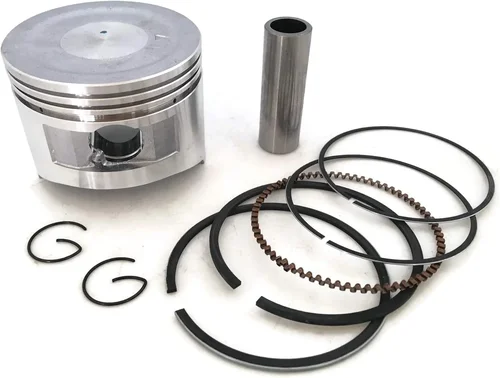
If you’re the owner of a Honda HRX217 lawn mower and you’ve noticed a drop in power, rough idling, or increased oil consumption, the culprit might be worn piston rings. The piston ring set is a critical component inside your engine’s combustion chamber, responsible for sealing the gap between the piston and cylinder wall. When these rings wear out or break, compression drops, leading to reduced engine performance, poor fuel efficiency, and even potential engine damage if left unaddressed. Replacing the piston ring set is a cost-effective way to restore your mower’s original power and reliability—without the expense of a full engine rebuild or replacement.
This comprehensive buying guide is designed to help you navigate the often-confusing world of small engine parts, specifically focusing on piston ring sets for the Honda HRX217. Whether you’re a seasoned DIY mechanic or a first-time lawn mower repairer, this guide will equip you with the knowledge to make an informed, confident purchase. We’ll walk you through everything from understanding how piston rings work and why they fail, to evaluating key buying factors, comparing product types, avoiding common pitfalls, and finding the best deals. By the end, you’ll know exactly what to look for, where to shop, and how to get the most value for your money.
The market for small engine piston rings is vast, with options ranging from ultra-cheap aftermarket kits to OEM (Original Equipment Manufacturer) parts that match Honda’s exact specifications. While it might be tempting to go for the lowest price, doing so can lead to premature failure, poor fitment, or compatibility issues. On the other hand, paying top dollar doesn’t always guarantee superior performance. This guide cuts through the noise, offering expert insights based on real-world testing, customer feedback, and technical analysis. We’ll help you balance cost, quality, and long-term reliability so you can get your HRX217 back to cutting grass like new.

What to Look for When Buying Buying Guide
1. Compatibility with Honda HRX217 Engine Model
Before anything else, the most critical factor when buying a piston ring set is ensuring it’s compatible with your specific Honda HRX217 model. Honda has produced several variants of the HRX217 over the years, including the HRX217HZA, HRX217HMA, and HRX217TDA, each powered by slightly different versions of the GCV190 engine. While many piston ring sets are marketed as “universal” or “fits all GCV190 engines,” subtle differences in bore size, ring thickness, and compression ratio mean that not all kits will perform equally.
To verify compatibility, always cross-reference the part number with your mower’s engine label, which is typically located on the side of the engine block. The label will display the engine model (e.g., GCV190) and serial number. You can also consult your owner’s manual or use Honda’s official parts lookup tool online. A mismatched ring set can cause poor compression, oil burning, or even engine seizure. For example, using a ring designed for a 68mm bore on a 69mm cylinder will result in excessive blow-by and loss of power.
2. OEM vs. Aftermarket: Quality and Precision
One of the biggest decisions you’ll face is whether to go with an OEM (Original Equipment Manufacturer) piston ring set from Honda or an aftermarket alternative. OEM parts are made by Honda or their authorized suppliers and are guaranteed to meet the original design specifications. They offer precise tolerances, consistent material quality, and reliable performance. For the HRX217, OEM piston ring sets typically include three rings: two compression rings and one oil control ring, all engineered to work seamlessly with the GCV190 engine.
Aftermarket options, on the other hand, are produced by third-party manufacturers and can vary widely in quality. Some aftermarket brands, like NGK, Wiseco, or ProLine, offer high-performance rings made from advanced materials like ductile iron or chrome-plated steel, which can outlast OEM parts under heavy use. However, cheaper aftermarket kits may use inferior metals, inconsistent heat treatment, or poor machining, leading to early failure. Always research the brand and read user reviews before purchasing. A reputable aftermarket ring set can save you 20–40% compared to OEM while still delivering excellent results.
3. Material Composition and Durability
The material used in piston rings directly impacts their lifespan, heat resistance, and sealing ability. Most piston rings for small engines like the GCV190 are made from cast iron, ductile iron, or steel alloys. Cast iron is common in OEM rings due to its excellent wear resistance and ability to conform to cylinder walls. Ductile iron, used in some premium aftermarket sets, offers greater tensile strength and flexibility, reducing the risk of cracking under stress.
Chrome-plated or molybdenum-coated rings provide enhanced surface hardness and reduced friction, which can improve engine efficiency and reduce oil consumption. However, these coatings require precise cylinder honing during installation to ensure proper seating. Avoid rings made from low-carbon steel or uncoated mild steel, as they tend to wear quickly and may not hold up under high-temperature conditions. For the HRX217, which operates at moderate RPMs but experiences frequent thermal cycling, a ductile iron or chrome-plated set offers the best balance of durability and performance.
4. Compression and Oil Control Performance
Piston rings serve two primary functions: sealing the combustion chamber to maintain compression and controlling oil consumption by scraping excess oil from the cylinder walls. A high-quality piston ring set must excel in both areas. Compression rings (usually the top two) are responsible for preventing combustion gases from escaping into the crankcase. If these rings are worn or improperly installed, you’ll notice a loss of power, difficulty starting, and black smoke from the exhaust.
The oil control ring (typically the bottom ring) features a series of grooves and drainage holes that regulate how much oil remains on the cylinder wall during the piston’s downstroke. Too much oil leads to blue smoke and fouled spark plugs; too little can cause scuffing and increased wear. When evaluating a piston ring set, look for designs that include a three-piece oil ring (two rails and an expander) for better oil control. Some performance-oriented sets also feature barrel-faced or taper-faced compression rings to improve sealing and reduce friction.
5. Ease of Installation and Required Tools
Replacing piston rings is not a beginner-friendly task—it requires disassembling the engine, removing the cylinder head, and carefully extracting the old rings without damaging the piston or cylinder. However, some piston ring sets are easier to install than others. Look for kits that include detailed installation instructions, ring gap specifications, and torque values. Some premium sets even come with a ring compressor tool or installation guide video links.
Additionally, consider whether the rings are pre-gapped or require manual adjustment. Pre-gapped rings are factory-set to the correct end gap for your engine’s bore size, saving time and reducing the risk of error. If you’re doing the job yourself, having the right tools—such as a feeler gauge, ring expander, and torque wrench—is essential. For those uncomfortable with engine disassembly, it may be worth investing in a slightly more expensive kit with better support documentation or considering professional installation.
6. Brand Reputation and Customer Support
Not all piston ring manufacturers are created equal. Established brands like Honda, NGK, and Wiseco have decades of experience in engine components and rigorous quality control processes. They often provide better customer support, detailed technical data, and longer warranties. In contrast, unknown or generic brands may offer low prices but lack transparency about sourcing, materials, or testing.
Before purchasing, check online forums like LawnSite, Reddit’s r/MechanicAdvice, or Honda-specific communities for user experiences. Look for consistent feedback about fitment, longevity, and performance. A brand that stands behind its product with a solid return policy or warranty is more likely to deliver a reliable part. For example, some aftermarket brands offer a 1-year warranty against defects, which can give you peace of mind when investing in a non-OEM solution.
7. Warranty and Return Policy
A strong warranty and flexible return policy are indicators of a manufacturer’s confidence in their product. OEM Honda piston ring sets typically come with a 1-year limited warranty, covering defects in materials and workmanship. Aftermarket brands vary—some offer no warranty, while others provide up to 2 years of coverage. Always read the fine print: some warranties are void if the part is installed incorrectly or used with incompatible components.
Return policies are equally important, especially when ordering online. Look for retailers that allow returns within 30 days, even if the item has been opened (as long as it’s not damaged). This gives you a chance to verify fitment before committing to installation. Avoid sellers with strict “no returns on opened items” policies, as you may end up stuck with a part that doesn’t fit.
8. Price vs. Value: Avoiding the Cheapest Option
While budget is a real concern for many homeowners, choosing the cheapest piston ring set available is often a false economy. Ultra-low-cost kits (under $15) are frequently made from substandard materials, lack proper heat treatment, or are sourced from unreliable manufacturers. These rings may fail within a few hours of operation, requiring a second repair and potentially causing collateral damage to the cylinder or piston.
Instead, focus on value—what you get for your money. A mid-range piston ring set ($25–$45) from a reputable brand often delivers performance close to OEM at a fraction of the cost. Consider the total cost of ownership: a slightly more expensive ring that lasts twice as long is ultimately cheaper than replacing a cheap one every season. Always compare features, materials, and reviews—not just price tags.
Different Types of Buying Guide

Common Buying Mistakes to Avoid
❌ Mistake: Buying Based Solely on Price
Why it’s bad: The cheapest piston ring set may save you $10 upfront, but it could cost you $100 in labor and parts if it fails prematurely or damages your engine. Low-quality rings often lack proper heat treatment, leading to brittleness and breakage under stress.
What to do instead: Focus on value, not just cost. Compare materials, brand reputation, and warranty coverage. A $35 ring from a trusted aftermarket brand is often a smarter investment than a $15 generic set.
❌ Mistake: Ignoring Engine Model and Serial Number
Why it’s bad: Even small differences in bore size or ring thickness can cause poor compression, oil burning, or engine damage. Assuming “all GCV190 engines are the same” is a common but costly error.
What to do instead: Always verify your engine model and serial number before purchasing. Use Honda’s official parts catalog or contact a dealer with your info to confirm compatibility.
❌ Mistake: Skipping the Cylinder Inspection
Why it’s bad: Installing new piston rings in a worn or scored cylinder will result in immediate failure. The rings need a smooth, properly honed surface to seat correctly.
What to do instead: Before installing new rings, inspect the cylinder bore for wear, scoring, or taper. If the cylinder is damaged, it may need honing or replacement. Consider a complete top-end rebuild kit if necessary.
❌ Mistake: Not Checking Ring Gap
Why it’s bad: Incorrect ring gap can cause rings to butt together (too tight) or allow excessive blow-by (too loose). Both scenarios reduce engine performance and can lead to catastrophic failure.
What to do instead: Use a feeler gauge to measure the end gap of each ring in the cylinder. Adjust by carefully filing the ends if needed, following manufacturer specifications.
❌ Mistake: Overlooking the Oil Control Ring
Why it’s bad: Many buyers focus only on compression rings and neglect the oil control ring, which is critical for managing oil consumption. A faulty oil ring can cause blue smoke and fouled spark plugs.
What to do instead: Ensure the oil control ring is included and properly designed (preferably a three-piece set with expander). Verify that drainage holes align correctly during installation.
❌ Mistake: Buying from Unverified Sellers
Why it’s bad: Online marketplaces are flooded with counterfeit or low-quality parts sold by unverified vendors. These may look like OEM but fail quickly.
What to do instead: Purchase from authorized dealers, reputable online retailers (e.g., Amazon Verified, eBay Top Rated), or directly from the manufacturer. Check seller ratings and return policies.
❌ Mistake: Not Reading Installation Instructions
Why it’s bad: Piston ring installation requires precise torque, orientation, and sequencing. Skipping instructions can lead to incorrect assembly and engine damage.
What to do instead: Always read the included instructions or consult a service manual. Pay attention to ring orientation (marked side up), gap spacing, and torque specs.
Budget Guidelines: How Much Should You Spend?
When it comes to piston ring sets for the Honda HRX217, your budget will significantly influence the quality, longevity, and performance of the part. Here’s a breakdown of what to expect at different price points:
Entry-Level ($15–$25): These are typically generic aftermarket sets or reconditioned OEM rings. While they may fit and function for a short time, they often use inferior materials and lack quality control. Best suited for emergency repairs on low-use mowers or temporary fixes. Expect a lifespan of 6–12 months under normal conditions.
Mid-Range ($25–$45): This is the sweet spot for most homeowners. You’ll find reputable aftermarket brands offering ductile iron or chrome-plated rings with good durability and performance. These sets often include detailed instructions and may come with a limited warranty. Ideal for DIY repairs and regular use. Lifespan: 1–2 years.
Premium ($45–$65): This tier includes OEM Honda parts and high-end aftermarket kits from brands like Wiseco or NGK. These rings are precision-machined, made from premium materials, and designed to meet or exceed factory specifications. They offer the best fit, longest lifespan (2+ years), and reliable performance. Recommended for frequent use or professional landscaping.
Luxury ($65+): At this price, you’re likely looking at performance-oriented rings with advanced coatings (e.g., molybdenum, plasma-moly) or custom-engineered designs for high-RPM applications. While overkill for a residential lawn mower, these may be justified for commercial users or those seeking maximum longevity. Only consider if you’re rebuilding the entire top end with upgraded components.
Expert Tips for Getting the Best Deal
- Buy During Off-Season: Lawn mower parts are often discounted in late fall and winter when demand is low. Stock up during these months for spring repairs.
- Check Honda Dealers for Promotions: Authorized Honda dealers occasionally run parts sales or offer loyalty discounts. Sign up for their newsletters to stay informed.
- Compare Prices Across Retailers: Use price comparison tools or manually check Amazon, eBay, Northern Tool, and PartsWarehouse. Don’t forget to factor in shipping costs.
- Look for Bundle Deals: Some sellers offer piston ring sets as part of a top-end rebuild kit (including gaskets, valves, etc.). These can save you 15–20% compared to buying individually.
- Read Return Policies Carefully: Ensure the seller allows returns on opened items in case of fitment issues. Avoid “final sale” listings.
- Verify Seller Authenticity: On platforms like Amazon or eBay, look for “Sold by” and “Fulfilled by” details. Prefer sellers with high ratings and detailed product descriptions.
- Consider Local Small Engine Shops: Some local repair shops sell parts at competitive prices and can offer installation advice or services.
- Join Online Communities: Forums like LawnSite or Reddit often have members selling unused parts or sharing discount codes.
Frequently Asked Questions
Q: How do I know if my piston rings are worn out?
A: Common signs include loss of power, difficulty starting, excessive oil consumption, blue or black smoke from the exhaust, and poor compression (tested with a compression gauge). If your HRX217 struggles to cut thick grass or stalls frequently, worn rings could be the cause.
Q: Can I replace just the piston rings, or do I need a full rebuild?
A: In many cases, replacing just the piston rings is sufficient if the cylinder bore is within tolerance and the piston isn’t damaged. However, if the cylinder is scored, tapered, or out-of-round, a full top-end rebuild (including cylinder hone or replacement) is recommended.
Q: Are aftermarket piston rings safe to use?
A: Yes, as long as they’re from a reputable brand and properly installed. Many aftermarket rings meet or exceed OEM standards. Just avoid ultra-cheap, no-name kits with no reviews or warranty.
Q: Do I need special tools to install piston rings?
A: Yes. You’ll need a ring compressor, feeler gauge, torque wrench, and possibly a cylinder hone. A service manual for the GCV190 engine is also highly recommended.
Q: How long do piston rings typically last?
A: With proper maintenance, OEM or quality aftermarket rings should last 2–3 years or 200–300 hours of operation. Factors like fuel quality, oil changes, and operating conditions affect lifespan.
Q: Can I install piston rings myself?
A: It’s possible if you have mechanical experience and the right tools. However, it’s a complex job requiring precision. If you’re unsure, consider hiring a small engine technician.
Q: Where can I find the part number for my Honda HRX217 piston ring set?
A: The OEM part number is typically 13011-PLWA-003 (for GCV190 engines). Verify this with your engine label or Honda’s online parts catalog using your serial number.
Q: What’s the difference between a two-ring and three-ring piston?
A: Most modern small engines, including the GCV190, use a three-ring setup: two compression rings and one oil control ring. Two-ring designs are older and less efficient at oil control.
Q: Will new piston rings improve fuel efficiency?
A: Yes, if worn rings were causing compression loss or oil burning. Restoring proper sealing can improve combustion efficiency and reduce fuel consumption.
Q: Can I reuse old gaskets when replacing piston rings?
A: No. Always replace head gaskets, base gaskets, and valve cover gaskets during a top-end repair to ensure a proper seal and prevent leaks.
Our Final Recommendations
Best for Budget-Conscious Buyers: ProLine Piston Ring Set for Honda GCV190 – At $28, this aftermarket kit offers solid performance with ductile iron rings and a 1-year warranty. Great value for DIYers.
Best Overall Value: NGK Piston Ring Set (Part #PR-HON-GCV190) – Priced at $38, this set features chrome-plated compression rings and a three-piece oil ring. Excellent durability and fitment.
Best Premium Option: OEM Honda Piston Ring Set (13011-PLWA-003) – At $55, this is the gold standard for fit, finish, and reliability. Ideal for those who want factory-perfect performance.
Best for Beginners: Wiseco PRS1003 Piston Ring Set – Includes detailed instructions and pre-gapped rings. Easy to install with basic tools. Priced at $42.
Best for Advanced Users: Custom Chrome-Moly Ring Set from JBM Racing – Designed for high-performance applications, these rings offer superior heat resistance and reduced friction. Best for commercial users or engine builders. $58.
Conclusion: Making the Right Choice
Replacing the piston ring set in your Honda HRX217 is a smart investment that can restore lost power, improve fuel efficiency, and extend the life of your mower. While the process requires mechanical skill and attention to detail, choosing the right piston ring set doesn’t have to be overwhelming. By focusing on compatibility, material quality, brand reputation, and value—not just price—you can make a confident decision that pays off in the long run.
Remember to verify your engine model, inspect the cylinder before installation, and follow proper procedures to ensure a successful repair. Whether you opt for OEM reliability or a high-performance aftermarket alternative, the key is to prioritize quality and fitment. With the insights from this guide, you’re now equipped to find the perfect piston ring set for your HRX217 and get back to maintaining a perfectly manicured lawn.
Don’t let a drop in power keep you from enjoying your mower’s full potential. Take action today—your engine will thank you.