
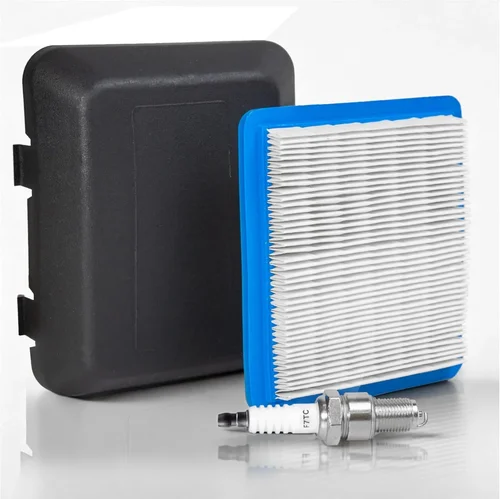
When your Honda HRX217 mower starts vibrating more than usual or emits a loud, rumbling exhaust noise, it’s often a sign that the muffler assembly needs attention. The muffler plays a critical role in reducing engine noise, controlling emissions, and maintaining optimal engine performance. Over time, heat, moisture, and debris can cause corrosion, cracks, or blockages in the muffler, leading to reduced efficiency and increased vibration. Replacing a worn or damaged muffler isn’t just about restoring quiet operation—it’s about ensuring your mower runs safely and efficiently for years to come.
This comprehensive buying guide is designed to help you navigate the often-confusing world of replacement muffler assemblies for the Honda HRX217. Whether you’re a first-time buyer or a seasoned DIYer, you’ll learn how to identify the right muffler, understand key performance factors, avoid common pitfalls, and make a smart purchase that fits your budget and needs. We’ll walk you through everything from OEM vs. aftermarket options to where to buy, how to install, and what to look for in terms of durability and compatibility. By the end of this guide, you’ll have the confidence and knowledge to choose the best muffler assembly for your Honda HRX217—and keep your lawn care routine running smoothly.
The market for lawn mower mufflers is surprisingly diverse, with options ranging from genuine Honda parts to third-party manufacturers offering budget-friendly alternatives. While OEM (Original Equipment Manufacturer) parts guarantee perfect fit and performance, aftermarket options can offer significant savings and sometimes even enhanced features. However, not all aftermarket mufflers are created equal. Some may lack proper sealing, use inferior materials, or fail to meet noise and emission standards. This guide will help you cut through the noise and make an informed decision based on real-world performance, reliability, and value.
What to Look for When Buying Buying Guide
1. Compatibility with Honda HRX217
The most critical factor when selecting a muffler assembly is ensuring it’s compatible with your specific model—the Honda HRX217. This mower uses a unique engine configuration and mounting system, so a muffler designed for a different model or brand may not fit properly. Always verify the part number before purchasing. The OEM part number for the Honda HRX217 muffler assembly is typically 18300-ZJ1-801 or a close variant, depending on the production year. Cross-referencing your mower’s serial number with the manufacturer’s parts diagram is the best way to confirm compatibility.
Using an incompatible muffler can lead to poor engine performance, excessive vibration, exhaust leaks, or even safety hazards. For example, a muffler that doesn’t seal correctly can allow hot exhaust gases to escape near flammable components, increasing the risk of fire. Additionally, improper fitment may cause the muffler to rattle or loosen during operation, worsening vibration issues rather than solving them. Always double-check fitment guides provided by retailers or manufacturers, and when in doubt, consult a Honda dealer or certified technician.
2. OEM vs. Aftermarket Options
One of the biggest decisions you’ll face is whether to go with an OEM (Original Equipment Manufacturer) muffler or an aftermarket alternative. OEM parts are made by Honda or its authorized suppliers and are designed specifically for the HRX217. They offer guaranteed compatibility, reliable performance, and often come with a manufacturer warranty. However, they tend to be more expensive, sometimes costing 30–50% more than aftermarket options.
Aftermarket mufflers, on the other hand, are produced by third-party companies and can vary widely in quality. Some reputable brands, such as Rotary, Oregon, and MaxPower, offer high-quality replacements that meet or exceed OEM standards. These often feature improved materials, better corrosion resistance, or enhanced noise reduction. However, cheaper aftermarket options may use thin-gauge steel, poor welds, or substandard internal baffling, leading to premature failure.
When choosing between OEM and aftermarket, consider your priorities. If you value peace of mind, long-term reliability, and exact fit, OEM is the way to go. If you’re on a tight budget or looking for a quick replacement, a well-reviewed aftermarket option from a trusted brand can be a smart choice—just be sure to read customer feedback and check for certifications or warranties.
3. Build Quality & Durability
The durability of a muffler assembly directly impacts how long it will last and how well it will perform under real-world conditions. Lawn mowers are exposed to harsh environments—moisture, dirt, heat, and physical impacts—so the muffler must be built to withstand these challenges. Look for mufflers made from high-quality materials such as aluminized steel or stainless steel, which resist rust and corrosion better than standard mild steel.
Pay attention to construction details like weld quality, seam integrity, and the thickness of the metal. A well-built muffler will have smooth, consistent welds and a solid feel when handled. Avoid products that feel flimsy or have visible defects. Internal components, such as baffles and sound-dampening materials, should also be robust. Some aftermarket mufflers use perforated internal tubes and fiberglass packing, which can degrade over time and clog the exhaust flow.
Another durability factor is resistance to heat. The muffler operates at high temperatures, and repeated heating and cooling cycles can cause metal fatigue. A quality muffler will have heat-resistant coatings or treatments to prolong its lifespan. If you mow frequently or in hot climates, investing in a more durable option can save you money and hassle in the long run.
4. Noise Reduction Performance
One of the primary functions of a muffler is to reduce engine noise, making your mowing experience more pleasant and less disruptive to neighbors. The Honda HRX217 is known for its quiet operation, thanks in part to its advanced muffler design. When replacing the muffler, it’s important to choose one that maintains or improves upon this level of noise control.
Muffler performance is influenced by internal design elements such as baffle configuration, chamber size, and sound-absorbing materials. OEM mufflers are engineered to meet specific noise reduction standards set by Honda. Aftermarket options vary—some are designed to be quieter than stock, while others may actually increase noise due to poor design.
To evaluate noise performance, look for user reviews that mention sound levels. Phrases like “quieter than the original” or “noticeably louder” can be telling. Some manufacturers provide decibel (dB) ratings, though these are less common for lawn mower parts. If noise is a top concern, consider mufflers with multi-chamber designs or those specifically marketed as “low-noise” or “quiet flow.”
Keep in mind that overly restrictive mufflers can reduce engine efficiency and increase backpressure, potentially leading to reduced power and fuel economy. The goal is a balance between noise reduction and performance—something a well-designed muffler should deliver.
5. Emission Compliance & Environmental Impact
Modern lawn mowers, including the Honda HRX217, are designed to meet strict emissions standards to reduce their environmental impact. The muffler plays a role in this by helping to control exhaust gases and ensure complete combustion. A damaged or poorly designed muffler can increase harmful emissions, such as carbon monoxide and unburned hydrocarbons.
When purchasing a replacement, ensure the muffler complies with EPA (Environmental Protection Agency) or CARB (California Air Resources Board) standards, especially if you live in a state with strict emissions regulations. OEM parts are guaranteed to meet these standards. Aftermarket options should clearly state compliance on the packaging or product description.
Using a non-compliant muffler not only harms the environment but may also violate local laws or void your mower’s warranty. In some areas, modified or non-certified exhaust systems can result in fines or failed inspections. Always verify that the replacement muffler is legal for use in your region.
Additionally, consider the environmental impact of the manufacturing process. Some aftermarket brands use more sustainable materials or production methods, which can be a factor for eco-conscious buyers. While this may not affect performance directly, it’s worth considering as part of a holistic purchasing decision.
6. Ease of Installation
Even the best muffler won’t do you any good if it’s difficult to install. The Honda HRX217 is designed for relatively straightforward maintenance, and replacing the muffler should be manageable for most homeowners with basic tools. However, some muffler assemblies come with pre-installed gaskets, mounting hardware, or alignment guides that make the process easier.
Look for products that include detailed installation instructions, especially if you’re a beginner. Some aftermarket kits come with everything you need—bolts, gaskets, and even torque specifications—while others require you to reuse old parts. Reusing worn gaskets or bolts can lead to leaks or improper sealing, so it’s best to replace them when possible.
Another factor is access. On the HRX217, the muffler is typically located near the engine block and may require removing the air filter housing or other components for access. A well-designed replacement should fit without requiring modifications or special tools. If a muffler requires welding, drilling, or bending to install, it’s likely not the right choice for a DIY replacement.
User reviews can be a great resource for gauging installation difficulty. Look for comments like “took 15 minutes to install” or “had to modify the bracket” to get a sense of what to expect. If you’re not comfortable with mechanical work, consider having the replacement done by a professional—many lawn equipment dealers offer affordable installation services.
7. Warranty & Support
A good warranty is a strong indicator of a manufacturer’s confidence in their product. OEM mufflers from Honda typically come with a 1-year limited warranty, covering defects in materials and workmanship. Aftermarket brands vary—some offer 6-month to 2-year warranties, while others provide no warranty at all.
When evaluating warranty terms, pay attention to what’s covered. Does it include labor costs? Is there a restocking fee for returns? Can you get a replacement or just a refund? Also, check the return policy—most reputable retailers allow returns within 30 days if the part is unused and in original packaging.
Customer support is another important consideration. If you have questions about fitment, installation, or performance, can you easily reach a knowledgeable representative? Brands with strong customer service often provide phone, email, or live chat support, and some even offer installation videos or troubleshooting guides.
A solid warranty and responsive support can save you time and money if something goes wrong. For example, if a muffler fails prematurely due to a manufacturing defect, a good warranty ensures you won’t be stuck with the cost of a second replacement. Always register your purchase if required, and keep your receipt and warranty documentation in a safe place.
8. Price & Value for Money
Price is always a factor, but it shouldn’t be the only one. A cheap muffler may save you $20 upfront but could cost you more in the long run if it fails quickly or causes engine problems. Conversely, the most expensive option isn’t always the best—sometimes you’re paying for branding rather than performance.
To assess value, consider the cost per year of expected use. For example, a $40 muffler that lasts 3 years offers better value than a $25 muffler that fails after 1 year. Factor in installation costs, warranty coverage, and potential repair expenses when comparing options.
Look for sales, promotions, or bundle deals. Some retailers offer discounts when you buy multiple parts, such as air filters or spark plugs, at the same time. Online marketplaces like Amazon, eBay, and Walmart often have competitive pricing and customer reviews to help you make an informed choice.
Different Types of Buying Guide

Common Buying Mistakes to Avoid
❌ Mistake: Buying Based Solely on Price
Why it’s bad: Choosing the cheapest muffler available often leads to poor quality, premature failure, and additional repair costs. Low-cost options may use thin metal, weak welds, or inadequate internal components that degrade quickly under heat and vibration.
What to do instead: Focus on value, not just price. Compare warranties, materials, and user reviews. A slightly more expensive muffler that lasts twice as long is a better investment.
❌ Mistake: Ignoring Compatibility
Why it’s bad: Installing a muffler not designed for the HRX217 can result in poor fit, exhaust leaks, increased vibration, and potential engine damage. It may also void your warranty.
What to do instead: Always verify the part number and cross-reference it with your mower’s model and serial number. Use Honda’s official parts lookup tool or consult a dealer if unsure.
❌ Mistake: Overlooking Installation Requirements
Why it’s bad: Some mufflers require special tools, modifications, or professional installation. Attempting a DIY install on a complex system can lead to mistakes, injuries, or further damage.
What to do instead: Read product descriptions and reviews to assess installation difficulty. Choose a muffler that includes hardware and instructions, or hire a technician if needed.
❌ Mistake: Skipping the Warranty Check
Why it’s bad: Without a warranty, you’re responsible for all repair or replacement costs if the muffler fails. This can be especially costly if the failure causes secondary damage.
What to do instead: Always check the warranty terms before purchasing. Prefer products with at least a 1-year warranty and clear return policies.
❌ Mistake: Buying from Unreliable Sellers
Why it’s bad: Purchasing from unknown online sellers or unauthorized dealers increases the risk of receiving counterfeit, damaged, or incorrect parts. Customer support is often nonexistent.
What to do instead: Buy from reputable retailers such as Honda dealers, Home Depot, Lowe’s, Amazon (sold by verified sellers), or specialized lawn equipment stores.
❌ Mistake: Not Considering Long-Term Use
Why it’s bad: A muffler that works fine for a few months may fail prematurely if it’s not built for frequent use. This is especially true for economy models used on large properties.
What to do instead: Match the muffler to your usage level. For heavy use, invest in a premium or OEM option. For occasional mowing, a mid-range aftermarket model may suffice.
❌ Mistake: Forgetting About Maintenance
Why it’s bad: Even the best muffler will fail early if it’s not properly maintained. Carbon buildup, rust, and debris can clog the system and reduce performance.
What to do instead: Clean the muffler regularly, inspect for damage, and replace gaskets during installation. Follow Honda’s maintenance schedule for optimal longevity.
Budget Guidelines: How Much Should You Spend?
Entry-Level ($20 – $30): These are typically economy aftermarket mufflers made from basic steel with minimal internal baffling. They’re suitable for occasional use or as a temporary fix. Expect shorter lifespan (1–2 seasons) and potential fitment issues. Best for users on a tight budget who mow infrequently.
Mid-Range ($35 – $55): This is the sweet spot for most homeowners. Premium aftermarket brands like Rotary and Oregon offer durable, well-designed mufflers that often outperform OEM in terms of noise reduction and corrosion resistance. These typically last 3–5 years with proper maintenance and come with solid warranties.
Premium ($60 – $90): OEM Honda mufflers fall into this category. They offer exact fit, reliable performance, and full warranty coverage. Ideal for users who prioritize peace of mind, long-term reliability, and maintaining resale value. Also a good choice for commercial users or those with multiple HRX217 mowers.
Luxury ($90+): High-end performance or modified mufflers designed for enthusiasts. These may feature stainless steel construction, advanced baffle systems, or increased airflow for a slight power boost. While not necessary for typical use, they can enhance the mowing experience for those who enjoy tinkering with their equipment.
Expert Tips for Getting the Best Deal
1. Buy During Off-Season: Retailers often discount lawn equipment parts in late fall and winter. Purchasing a muffler in November or December can save you 15–25% compared to spring prices.
2. Compare Multiple Retailers: Check prices at Honda dealers, Home Depot, Lowe’s, Amazon, and specialized online stores like Jack’s Small Engines or MowerPartsZone. Use price comparison tools to find the best deal.
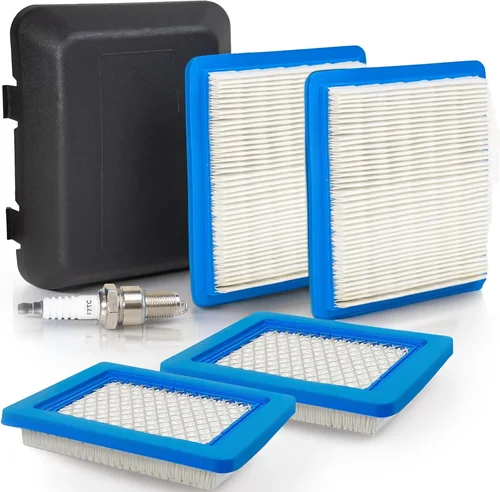
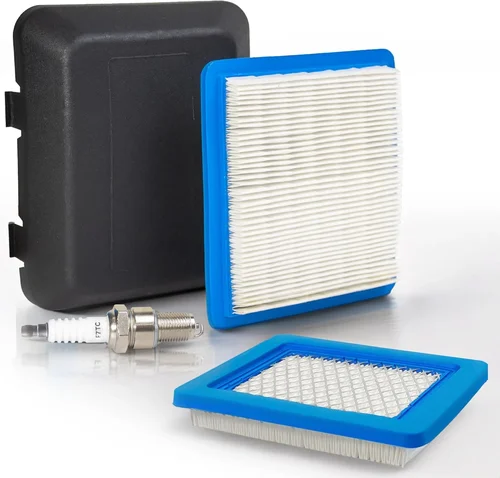
3. Look for Bundle Deals: Some stores offer discounts when you buy multiple parts together. For example, a muffler, air filter, and spark plug kit might cost less than buying each item separately.
4. Read Customer Reviews: Focus on reviews that mention fit, durability, and noise levels. Look for patterns—if multiple users report the same issue, it’s likely a real problem.
5. Check Return Policies: Ensure the seller allows returns within 30 days. This gives you time to test the muffler and return it if it doesn’t fit or perform as expected.
6. Consider Free Shipping: Many online retailers offer free shipping on orders over a certain amount. Add a few small parts to your cart to qualify and save on delivery costs.
7. Verify Seller Authenticity: On marketplaces like Amazon or eBay, only buy from sellers with high ratings and “ships from” or “sold by” verified retailers. Avoid third-party sellers with no feedback.
8. Register Your Warranty: If the muffler comes with a warranty, register it promptly. This ensures you’re covered in case of defects and may provide access to technical support.

Frequently Asked Questions
Q: How do I know if my Honda HRX217 muffler needs replacement?
A: Common signs include excessive noise, increased vibration, black smoke from the exhaust, reduced engine power, or visible damage like rust holes or cracks. If the muffler is clogged, you may also notice difficulty starting or poor fuel efficiency.
Q: Can I clean my muffler instead of replacing it?
A: In some cases, mild carbon buildup can be cleaned with a wire brush or solvent. However, if the muffler is rusted, cracked, or internally damaged, cleaning won’t fix the problem. Replacement is usually the safest and most effective solution.
Q: Will a new muffler improve my mower’s performance?
A: A properly functioning muffler ensures optimal exhaust flow, which can restore lost power and fuel efficiency. However, it won’t significantly increase performance beyond factory specifications unless you’re using a performance-modified version.
Q: How often should I replace the muffler?
A: Most mufflers last 3–5 years with regular use. Inspect it annually for damage, and replace it at the first sign of failure to avoid engine issues.
Q: Can I install the muffler myself?
A: Yes, most homeowners can replace the muffler with basic tools (socket wrench, screwdriver). The process typically takes 15–30 minutes. Refer to your owner’s manual or online tutorials for step-by-step guidance.
Q: Are aftermarket mufflers legal to use?
A: As long as they meet EPA or CARB emissions standards, aftermarket mufflers are legal. Check the product description for compliance information.
Q: What tools do I need to replace the muffler?
A: You’ll need a socket wrench set, possibly a torque wrench, and new gaskets. Some kits include all necessary hardware.
Q: Will a new muffler reduce vibration?
A: Yes, if the vibration is caused by a damaged or loose muffler. A properly installed, high-quality replacement will restore smooth operation.
Q: Where can I find the part number for my muffler?
A: Check your owner’s manual, the Honda parts website, or the existing muffler for a stamped part number. You can also contact a Honda dealer with your mower’s serial number.
Q: Is it safe to use a universal muffler?
A: Only if it’s specifically designed to fit the HRX217 and includes proper mounting hardware. Universal mufflers often require modifications and may not seal correctly, leading to leaks or performance issues.
Our Final Recommendations
Best for Budget-Conscious Buyers: Rotary 18300-ZJ1-801 Muffler Assembly – Offers excellent value at around $40, with durable construction and positive user reviews. Compatible with HRX217 and includes a 1-year warranty.
Best Overall Value: Oregon 34-120 Muffler – Priced at $45–$50, this aftermarket option features aluminized steel, superior noise reduction, and easy installation. A favorite among DIYers for its balance of quality and affordability.
Best Premium Option: Genuine Honda 18300-ZJ1-801 Muffler – The OEM choice for those who want guaranteed fit, performance, and warranty coverage. Ideal for users who prioritize reliability and long-term value.
Best for Beginners: MaxPower 335060 Muffler – Comes with detailed instructions, pre-installed gasket, and all necessary hardware. Easy to install and priced under $50, making it perfect for first-time replacements.
Best for Advanced Users: Performance Stainless Steel Muffler (e.g., from MufflerTech) – Designed for enthusiasts, this option offers increased airflow, reduced weight, and a deeper exhaust tone. Requires careful installation but delivers noticeable performance gains.
Conclusion: Making the Right Choice
Choosing the right muffler assembly for your Honda HRX217 doesn’t have to be overwhelming. By focusing on compatibility, build quality, noise performance, and value, you can find a replacement that restores your mower’s smooth operation and keeps it running efficiently for years. Whether you opt for the peace of mind of an OEM part or the cost savings of a trusted aftermarket brand, the key is to make an informed decision based on your specific needs and usage patterns.
Remember to avoid common pitfalls like buying solely on price or ignoring installation requirements. Take advantage of seasonal sales, read customer reviews, and always verify compatibility before purchasing. With the right muffler, you’ll enjoy quieter mowing, reduced vibration, and the confidence that your Honda HRX217 is performing at its best.
Now that you’re equipped with expert knowledge and practical tips, it’s time to take action. Inspect your current muffler, compare your options, and make a purchase that delivers both performance and value. Your lawn—and your ears—will thank you.