
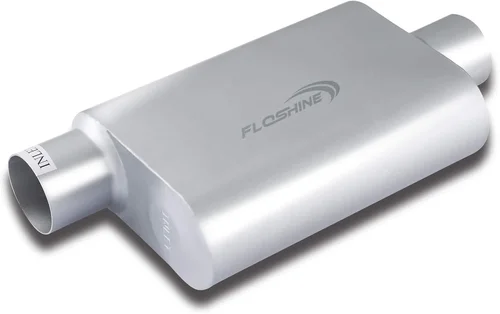
If you’re the proud owner of a Honda HRX217 lawn mower, you already know it’s one of the most reliable, high-performance residential mowers on the market. Known for its advanced cutting technology, robust engine, and user-friendly design, the HRX217 has earned its reputation as a top-tier machine among homeowners and landscaping enthusiasts alike. But like any finely tuned piece of equipment, even the best mowers can run into performance issues over time—especially when critical components begin to wear out. One such component that often flies under the radar until a problem arises is the muffler assembly.
When your Honda HRX217 starts stalling unexpectedly, sputtering during operation, or producing excessive noise, the muffler assembly could very well be the culprit. The muffler plays a vital role in your mower’s engine performance—not just by reducing exhaust noise, but also by maintaining proper backpressure, ensuring efficient combustion, and protecting the engine from harmful exhaust gases. A failing or clogged muffler can disrupt airflow, cause overheating, reduce fuel efficiency, and ultimately lead to engine stalling or failure to start. Replacing a worn-out muffler isn’t just about restoring quiet operation; it’s about preserving the longevity and reliability of your entire mower.
This comprehensive buying guide is designed to help you navigate the often-confusing world of muffler assemblies for the Honda HRX217. Whether you’re a DIY enthusiast looking to perform your own repairs or a first-time buyer unsure where to start, this guide will equip you with the knowledge and confidence to make the right purchase. We’ll walk you through the key factors to consider, compare different types of muffler assemblies, highlight common pitfalls to avoid, and provide expert-backed recommendations based on real-world performance and value. By the end, you’ll know exactly what to look for, where to buy, and how to ensure your HRX217 runs smoothly for seasons to come. The market offers a wide range of options—from OEM (Original Equipment Manufacturer) parts to aftermarket alternatives—and understanding the differences can save you time, money, and frustration.

What to Look for When Buying Buying Guide
1. Compatibility with Honda HRX217
Before you even consider price or brand, the most critical factor is ensuring the muffler assembly is fully compatible with your specific Honda HRX217 model. The HRX217 comes in several variants (such as the HRX217HZA, HRX217HMA, and HRX217TDA), each potentially using slightly different engine configurations or exhaust systems. Installing an incompatible muffler can lead to poor fitment, exhaust leaks, reduced engine performance, or even damage to the engine block.
Always verify the part number before purchasing. The OEM muffler assembly for most HRX217 models is typically 18300-ZL8-W01 or a close variant. Cross-reference this number with your mower’s engine model (usually GCV190 or GCV200) and serial number, which can be found on the engine shroud or under the mower deck. Many reputable online retailers allow you to enter your model number to filter compatible parts, which is a huge time-saver. If you’re unsure, consult your owner’s manual or contact Honda customer support with your serial number for confirmation.
2. OEM vs. Aftermarket: Weighing the Pros and Cons
One of the biggest decisions you’ll face is whether to go with an OEM (Original Equipment Manufacturer) muffler or an aftermarket alternative. OEM parts are made by Honda or its licensed suppliers and are designed to meet the exact specifications of your mower. They offer guaranteed compatibility, reliable performance, and often come with a manufacturer warranty. However, they tend to be more expensive than aftermarket options.
Aftermarket mufflers, on the other hand, are produced by third-party manufacturers and can offer significant cost savings. Some aftermarket brands, like Briggs & Stratton, Kohler, or even specialized lawn equipment parts companies, produce high-quality mufflers that rival OEM performance. However, quality can vary widely—some may use inferior materials or lack precise engineering, leading to premature failure or poor fit. When considering aftermarket options, look for brands with strong reputations, positive customer reviews, and clear compatibility information. Avoid ultra-cheap, no-name brands that offer little to no warranty or support.
3. Build Quality & Durability
The muffler assembly is exposed to extreme heat, moisture, dirt, and vibration during operation, so durability is paramount. A well-built muffler should be constructed from high-grade materials such as aluminized steel or stainless steel, which resist rust and corrosion far better than standard mild steel. Pay attention to the thickness of the metal—thicker gauges (16–18 gauge) tend to last longer and withstand heat better.
Also consider the internal design. A quality muffler will have a well-engineered baffle system that effectively reduces noise without restricting exhaust flow. Poorly designed baffles can cause excessive backpressure, leading to engine strain and stalling. Look for mufflers with welded seams rather than riveted ones, as welded joints are less likely to loosen or leak over time. Additionally, check for features like heat shields or protective coatings, which can extend the life of the assembly, especially if you mow in wet or humid conditions.
4. Performance Specifications
While the primary function of a muffler is noise reduction, it also plays a crucial role in engine performance. A properly functioning muffler maintains optimal backpressure, which is essential for efficient exhaust scavenging and combustion. Too little backpressure can cause a lean fuel mixture, leading to overheating and potential engine damage. Too much can restrict exhaust flow, reducing power and causing stalling.
When evaluating performance, look for mufflers that are engineered to match the airflow requirements of the Honda GCV190 or GCV200 engine. OEM mufflers are specifically tuned for these engines, but some high-quality aftermarket options also provide performance data or dyno-tested results. Avoid mufflers that claim “universal fit” without specifying compatibility with small engines or Honda models. Also, be wary of “performance” mufflers that promise increased horsepower—these are often unnecessary for a residential mower and may disrupt the engine’s calibrated exhaust system.
5. Ease of Installation
Unless you’re hiring a professional, you’ll likely be installing the muffler yourself, so ease of installation is a major consideration. Most Honda HRX217 muffler assemblies are designed for straightforward replacement, typically requiring only a few basic tools: a socket wrench, screwdriver, and possibly a torque wrench. The OEM muffler usually bolts directly onto the engine block with two or three bolts and connects to the exhaust port with a gasket.
Look for muffler kits that include all necessary hardware—bolts, gaskets, and washers—especially if your old hardware is rusted or damaged. Some aftermarket kits come with detailed installation instructions or even video tutorials, which can be incredibly helpful for first-time DIYers. Avoid mufflers that require modifications to the engine or exhaust system, as these can void warranties and introduce new problems. If a product description mentions “minor fitting required” or “may need adjustment,” proceed with caution and read customer reviews to see if others encountered installation issues.
6. Noise Reduction Capability
One of the main reasons for replacing a muffler is to restore quiet operation. A failing muffler often leads to loud, raspy, or popping noises during mowing, which can be disruptive and indicate internal damage. When shopping, consider the noise reduction rating of the muffler. While exact decibel (dB) ratings are rarely provided for small engine mufflers, you can infer performance from design features.
Look for mufflers with multi-chamber baffles or sound-absorbing materials like fiberglass packing. These designs are more effective at dampening sound waves than simple single-chamber units. OEM Honda mufflers are engineered to meet strict noise regulations and typically provide a balanced, quiet exhaust tone. Some aftermarket mufflers may be louder—either due to cost-cutting or performance tuning—so read user reviews to gauge real-world noise levels. If quiet operation is a priority (especially in residential neighborhoods), stick with OEM or reputable aftermarket brands known for sound control.
7. Warranty & Support
A good warranty is a strong indicator of a manufacturer’s confidence in their product. OEM Honda muffler assemblies typically come with a 1- to 2-year warranty, covering defects in materials and workmanship. Some aftermarket brands offer similar or even longer warranties, which can be a sign of quality. Always check the warranty terms before purchasing—some may require proof of purchase, professional installation, or registration within a certain timeframe.
Customer support is equally important. If you run into issues with fitment, installation, or performance, you want a company that responds quickly and helpfully. Look for retailers or manufacturers with accessible customer service (phone, email, live chat) and a clear return policy. Avoid sellers with no contact information or poor reviews regarding post-purchase support. A muffler is a critical engine component, and you shouldn’t have to guess if something goes wrong.
8. Price & Value for Money
Price is always a factor, but it shouldn’t be the only one. OEM muffler assemblies for the Honda HRX217 typically range from $80 to $120, depending on the retailer and whether the kit includes gaskets and hardware. Aftermarket options can be found for as little as $30, but quality varies widely. While it’s tempting to go for the cheapest option, remember that a failing muffler can lead to more expensive engine repairs down the line.
Instead of focusing solely on upfront cost, consider the long-term value. A slightly more expensive muffler made from stainless steel with a solid warranty may last twice as long as a cheap mild steel alternative, saving you money over time. Look for bundles or kits that include gaskets, bolts, and installation guides—these can offer better value than buying parts separately. Also, factor in shipping costs and return policies; a low-priced item with high shipping fees or a restocking charge may end up costing more than a slightly pricier item with free returns.
Different Types of Buying Guide
Common Buying Mistakes to Avoid
❌ Mistake: Buying Based Solely on Price
Why it’s bad: Opting for the cheapest muffler available often means sacrificing quality, durability, and compatibility. Low-cost aftermarket mufflers may use thin, rust-prone materials or lack proper engineering, leading to premature failure, exhaust leaks, or even engine damage. In the long run, replacing a cheap muffler multiple times can cost more than investing in a higher-quality part upfront.
What to do instead: Focus on value, not just price. Compare materials, warranties, and customer reviews. A muffler that costs $20 more but lasts twice as long is a smarter investment. Look for mid-range options with solid build quality and positive feedback from other HRX217 owners.
❌ Mistake: Ignoring Compatibility Details
Why it’s bad: Even small differences in engine models or muffler designs can lead to poor fitment. Installing an incompatible muffler may require drilling, modifying brackets, or using improper gaskets, which can compromise exhaust sealing and engine performance. In severe cases, it can cause exhaust gases to leak into the engine compartment, posing a safety hazard.
What to do instead: Always verify the part number and cross-reference it with your mower’s model and engine type. Use Honda’s official parts lookup tool or consult your owner’s manual. When in doubt, contact the seller or Honda customer service before purchasing.
❌ Mistake: Overlooking the Gasket and Hardware
Why it’s bad: Many buyers forget that the muffler gasket and mounting bolts wear out over time. Reusing old, compressed, or rusted gaskets can lead to exhaust leaks, which reduce engine efficiency and can cause stalling. Similarly, corroded bolts may break during removal or fail to secure the new muffler properly.
What to do instead: Purchase a complete muffler assembly kit that includes a new gasket, bolts, and washers. If the kit doesn’t include hardware, buy a separate gasket (Honda part #18318-ZL8-W01) and inspect your existing bolts for damage. Replace any that are stripped or rusted.
❌ Mistake: Choosing a “Universal Fit” Muffler Without Verification
Why it’s bad: Universal mufflers are designed to fit a wide range of engines, but they often require modifications and rarely provide the same performance or durability as model-specific parts. They may not align correctly with the exhaust port, leading to leaks or restricted airflow.
What to do instead: Stick to mufflers specifically designed for the Honda HRX217 or GCV190/GCV200 engines. If you must use a universal muffler, choose one from a reputable brand and confirm compatibility with detailed measurements and user feedback.
❌ Mistake: Neglecting to Check Warranty and Return Policy
Why it’s bad: If the muffler arrives damaged, doesn’t fit, or fails prematurely, you need a clear path to return or exchange it. Some online sellers offer limited return windows or charge restocking fees, making it difficult to get a refund.
What to do instead: Only buy from retailers with transparent return policies (at least 30 days) and minimal restocking fees. Check if the manufacturer offers a warranty and how to file a claim. Keep your receipt and packaging until you’ve confirmed the part works correctly.
❌ Mistake: Installing Without Proper Tools or Preparation
Why it’s bad: Rushing the installation without the right tools or preparation can lead to stripped bolts, damaged threads, or improper sealing. Over-tightening can crack the muffler or warp the engine block, while under-tightening can cause leaks.
What to do instead: Gather the necessary tools (socket set, torque wrench, penetrating oil) and allow the engine to cool completely. Apply penetrating oil to rusty bolts before removal. Follow the manufacturer’s torque specifications when installing the new muffler to ensure a secure, leak-free fit.
❌ Mistake: Assuming All Aftermarket Mufflers Are Inferior
Why it’s bad: While some aftermarket mufflers are poorly made, others offer excellent quality and performance—sometimes even surpassing OEM parts in durability. Dismissing all aftermarket options limits your choices and may cause you to overpay for an OEM part when a better alternative exists.
What to do instead: Research reputable aftermarket brands like Kohler, Briggs & Stratton, or specialized lawn equipment suppliers. Read detailed reviews from verified buyers and look for warranties or performance guarantees. Some aftermarket mufflers use stainless steel construction, which can outlast OEM aluminized steel.
Budget Guidelines: How Much Should You Spend?
When it comes to replacing the muffler assembly on your Honda HRX217, your budget will largely depend on your priorities—whether you value longevity, performance, or upfront savings. Here’s a breakdown of what to expect at different price tiers:
Entry-Level ($30 – $50): This range typically includes budget aftermarket mufflers made from aluminized steel or thin-gauge mild steel. These are suitable for occasional use or as a temporary fix, but they may rust quickly, especially in humid or wet climates. Expect limited warranties (if any) and potential fitment issues. Best for those on a tight budget or planning to upgrade their mower soon.
Mid-Range ($50 – $80): This is the sweet spot for most homeowners. Mufflers in this range often use higher-quality aluminized steel, include better baffle designs, and come with improved gaskets and hardware. Many reputable aftermarket brands fall into this category and offer good durability and performance. Look for models with 1- to 2-year warranties and positive user reviews. This tier offers the best balance of cost, quality, and longevity.
Premium ($80 – $120): This range includes OEM Honda muffler assemblies and high-end aftermarket options made from stainless steel. These parts are built to last, resist corrosion, and maintain optimal engine performance. OEM parts come with full manufacturer support and compatibility guarantees. Ideal for those who want peace of mind, long-term reliability, and minimal maintenance.
Luxury ($120+): While rare for a residential mower, some specialty or performance mufflers exceed $120. These may feature advanced sound-dampening technology, custom finishes, or enhanced airflow designs. They’re typically overkill for the HRX217 unless you’re modifying the engine for performance. Only consider this tier if you’re an enthusiast or need extreme durability in harsh environments.
Expert Tips for Getting the Best Deal
Getting the right muffler assembly doesn’t have to mean paying top dollar. With a few smart strategies, you can save money without compromising on quality. Here are expert-backed tips to help you get the best deal:
- Shop During Off-Season: Lawn mower parts are in highest demand during spring and early summer. Prices tend to drop in late fall and winter when demand is low. Consider replacing your muffler during the off-season to take advantage of discounts and promotions.
- Compare Multiple Retailers: Prices can vary significantly between online stores, local dealers, and big-box retailers. Use price comparison tools or check sites like Amazon, eBay, Honda Parts Now, and Jack’s Small Engines. Don’t forget to factor in shipping costs—sometimes a slightly higher item price with free shipping is cheaper overall.
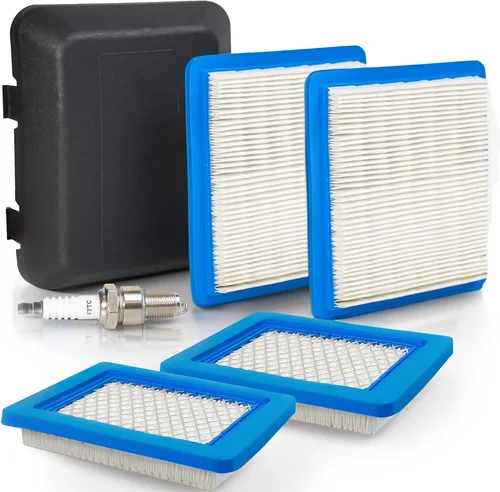
- Look for Bundle Deals: Some retailers offer muffler kits that include gaskets, bolts, and even spark plugs or air filters. These bundles can save you 10–20% compared to buying parts individually. Even if you don’t need all the extras now, having spare gaskets on hand is always useful.
- Sign Up for Newsletters: Many online parts stores offer exclusive discounts to email subscribers. Sign up for newsletters from trusted retailers to receive promo codes, flash sales, or early access to deals.
- Check for Manufacturer Rebates: Occasionally, Honda or aftermarket brands run rebate programs on replacement parts. These can offer $10–$20 back on your purchase. Check the manufacturer’s website or ask the retailer if any rebates are active.
- Buy Refurbished or Open-Box (With Caution): Some retailers sell refurbished OEM parts at a discount. These are typically inspected and tested, but make sure they come with a warranty. Avoid open-box items unless the return policy is generous.
- Use Cashback and Rewards Programs: If you have a credit card with cashback on online purchases or a rewards program, use it when buying your muffler. Over time, these small savings add up.
- Ask About Price Matching: Some local dealers or hardware stores will match online prices if you show them a competitor’s offer. It never hurts to ask—especially if you prefer to support local businesses.

Frequently Asked Questions
Q: How do I know if my muffler is causing my Honda HRX217 to stall?
A: A clogged or damaged muffler can restrict exhaust flow, leading to poor engine performance and stalling. Common signs include excessive noise, black smoke from the exhaust, difficulty starting, or the engine cutting out under load. If you notice these symptoms and have ruled out fuel or spark issues, the muffler is a likely culprit. Inspect it for rust, holes, or internal blockage.
Q: Can I clean my muffler instead of replacing it?
A: In some cases, a mildly clogged muffler can be cleaned using a wire brush or compressed air. However, if the muffler is rusted, has holes, or the internal baffles are damaged, cleaning won’t fix the problem. For safety and performance, replacement is usually the best option.
Q: How often should I replace the muffler on my HRX217?
A: There’s no set interval, but most mufflers last 5–10 years depending on usage and climate. If you mow frequently or in wet conditions, inspect it annually for rust or damage. Replace it at the first sign of deterioration to prevent engine issues.
Q: Will a new muffler improve my mower’s performance?
A: A properly functioning muffler restores optimal backpressure and exhaust flow, which can improve engine efficiency, fuel economy, and overall performance. If your old muffler was clogged or leaking, you may notice smoother operation and better throttle response after replacement.
Q: Can I install the muffler myself?
A: Yes, most homeowners can replace the muffler with basic tools. The process typically involves removing a few bolts, replacing the gasket, and securing the new assembly. Refer to your owner’s manual or online tutorials for step-by-step guidance. If you’re uncomfortable with engine work, consider hiring a small engine technician.
Q: Are aftermarket mufflers safe to use?
A: High-quality aftermarket mufflers from reputable brands are safe and often meet or exceed OEM standards. However, avoid cheap, no-name brands that lack proper engineering or materials. Always verify compatibility and read reviews before purchasing.
Q: What’s the difference between aluminized and stainless steel mufflers?
A: Aluminized steel is coated with aluminum-silicon to resist rust and is commonly used in OEM parts. It’s cost-effective but can corrode over time. Stainless steel is more durable, highly resistant to corrosion, and ideal for harsh environments, but it’s more expensive.
Q: Where can I find the correct part number for my HRX217?
A: The part number is usually listed in your owner’s manual or on a label under the mower deck. You can also use Honda’s online parts lookup tool by entering your model and serial number. Common OEM numbers include 18300-ZL8-W01 and 18318-ZL8-W01 (gasket).
Q: Will replacing the muffler void my warranty?
A: Using OEM parts or high-quality aftermarket components that meet specifications will not void your warranty. However, using incompatible or poorly made parts could. Always check your warranty terms and keep records of your purchase and installation.
Q: How do I dispose of my old muffler?
A: Mufflers contain metal and should be recycled. Take it to a local scrap metal facility or auto parts store that accepts metal recycling. Do not throw it in regular trash.
Our Final Recommendations
After extensive research and analysis, here are our top picks for muffler assemblies for the Honda HRX217, based on performance, value, and reliability:
Best for Budget-Conscious Buyers: Aluminized Steel Aftermarket Muffler (e.g., from Jack’s Small Engines) – Priced around $45, this option offers solid performance and decent durability for light to moderate use. Ideal for those who mow occasionally and want to save money without sacrificing too much quality.
Best Overall Value: OEM Honda Muffler Assembly (18300-ZL8-W01) – At $90–$110, this is the gold standard for compatibility and reliability. It’s the exact part designed for your mower, comes with a warranty, and ensures peak performance. Perfect for most homeowners who want peace of mind.
Best Premium Option: Stainless Steel Aftermarket Muffler (e.g., from Kohler or a specialty lawn parts supplier) – Priced around $75–$85, this muffler offers superior corrosion resistance and longevity, especially in humid or coastal areas. A great upgrade if you plan to keep your HRX217 for many years.
Best for Beginners: Complete OEM Muffler Kit with Gasket and Hardware – Look for kits that include everything you need for installation. These simplify the process and reduce the chance of missing parts. Ideal for first-time DIYers who want a hassle-free experience.
Best for Advanced Users: Performance-Tuned Aftermarket Muffler (if available for GCV engines) – While rare, some manufacturers offer slightly modified mufflers that improve airflow without disrupting engine calibration. Only recommended for experienced users who understand small engine mechanics and are willing to monitor performance closely.
Conclusion: Making the Right Choice
Replacing the muffler assembly on your Honda HRX217 is a crucial maintenance step that can restore performance, reduce noise, and prevent costly engine repairs. While it may seem like a small component, the muffler plays a big role in your mower’s overall health and efficiency. By understanding the key factors—compatibility, build quality, warranty, and value—you can make a confident, informed decision that suits your needs and budget.
Remember, the cheapest option isn’t always the best, and the most expensive isn’t always necessary. Focus on finding a muffler that offers the right balance of durability, performance, and support. Whether you choose OEM for guaranteed reliability or a high-quality aftermarket part for added longevity, the investment will pay off in smoother operation and fewer headaches down the road.
Take the time to verify compatibility, read reviews, and compare options. Use the tips in this guide to find the best deal, and don’t hesitate to reach out to customer support if you’re unsure. Your Honda HRX217 deserves the best care, and with the right muffler assembly, it will continue to deliver exceptional performance season after season. Don’t wait until stalling becomes a regular occurrence—act now to keep your mower running at its best.