
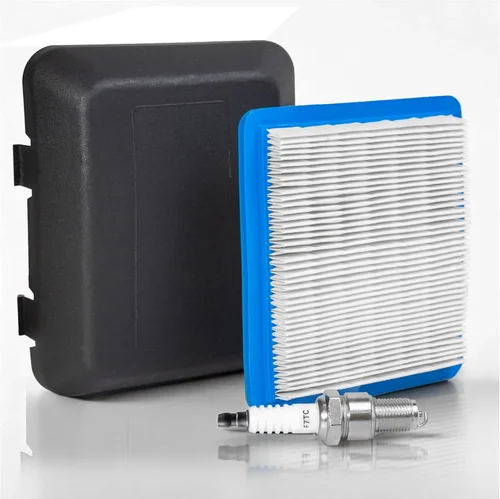
If you own a Honda HRX217 lawn mower and it’s been hard to start, sputtering on ignition, or making unusual noises during operation, the muffler assembly might be the culprit. The muffler plays a critical role in your mower’s engine performance—not just reducing noise, but also maintaining proper backpressure, exhaust flow, and combustion efficiency. When it becomes clogged with carbon buildup, corroded, or damaged, it can directly impact how easily your engine starts and runs smoothly. That’s why replacing a faulty muffler assembly isn’t just about noise control—it’s about restoring your mower’s reliability and longevity.
This comprehensive buying guide is designed to help you navigate the often-confusing world of replacement parts for small engines. Whether you’re a seasoned DIY mechanic or a first-time lawn mower owner, you’ll learn exactly what to look for when purchasing a muffler assembly for your Honda HRX217. We’ll walk you through key factors like compatibility, build quality, pricing tiers, brand reputation, and where to buy—so you can make a confident, informed decision. With so many options flooding online marketplaces and retail stores, it’s easy to end up with an incompatible part or a low-quality knockoff that fails within weeks. Our goal is to arm you with expert-level knowledge to avoid those pitfalls and get your HRX217 running like new again.
The market for Honda HRX217 muffler assemblies is surprisingly diverse. You’ll find OEM (Original Equipment Manufacturer) parts directly from Honda, high-quality aftermarket alternatives from reputable brands like Oregon, Rotary, and FixTech, and budget-friendly generic options on sites like Amazon and eBay. Each category comes with its own trade-offs in terms of price, durability, and ease of installation. Some sellers even bundle gaskets, screws, or installation tools to sweeten the deal. But not all deals are created equal—some “bargains” come with hidden costs like poor fitment, premature wear, or lack of warranty support. By the end of this guide, you’ll know exactly how to identify the best value for your specific needs and budget.
What to Look for When Buying Buying Guide
1. OEM vs. Aftermarket Compatibility
One of the most critical decisions you’ll make is whether to go with an OEM (Original Equipment Manufacturer) part or an aftermarket alternative. OEM muffler assemblies are made by Honda or their authorized suppliers and are guaranteed to match the exact specifications of your HRX217’s original equipment. This ensures perfect fitment, optimal performance, and compliance with emissions standards. However, OEM parts typically come at a premium price—often 30–50% more than aftermarket options.
Aftermarket mufflers, on the other hand, are produced by third-party manufacturers and can offer excellent value if you choose wisely. Reputable brands like Oregon and Rotary design their parts to meet or exceed OEM standards, using similar materials and precision engineering. The key is verifying compatibility: always cross-check the part number (typically 18310-VH7-A00 or 18310-VH7-A01 for the HRX217) and confirm it fits your specific model year. Some aftermarket units may require minor modifications, so read customer reviews carefully. Avoid no-name brands with vague descriptions—they often use inferior metals that rust quickly or don’t seal properly, leading to exhaust leaks and poor engine performance.
2. Build Quality & Durability
The material and construction of the muffler assembly directly affect its lifespan and performance. Most OEM and high-end aftermarket mufflers are made from aluminized steel or stainless steel, which resist rust and withstand high exhaust temperatures. Cheaper alternatives often use plain carbon steel coated with a thin layer of paint—this may look fine initially, but it will corrode quickly, especially if you mow in wet conditions or store your mower outdoors.
Pay attention to welding quality, seam integrity, and the thickness of the metal. A well-built muffler should feel solid and heavy, not flimsy or hollow. Look for reinforced mounting points and a secure flange design that ensures a tight seal against the engine block. Poorly welded joints can crack under thermal stress, leading to exhaust leaks that reduce engine efficiency and create safety hazards. Additionally, check if the muffler includes a heat shield or protective coating—these features extend service life and protect surrounding components from excessive heat.
3. Performance Specifications
While the primary function of a muffler is noise reduction, it also plays a subtle but important role in engine performance. The HRX217’s GCV190 engine relies on precise backpressure to maintain efficient combustion. A clogged or improperly designed muffler can disrupt this balance, causing hard starting, reduced power, or even engine stalling.
When evaluating performance specs, focus on internal baffle design and airflow dynamics. OEM mufflers are engineered to maintain factory-specified backpressure, ensuring smooth operation. Some aftermarket models advertise “performance” enhancements, but unless they’re specifically tuned for small engines like the GCV190, these modifications can do more harm than good. Stick to mufflers that replicate the original design unless you’re experienced with engine tuning. Also, ensure the outlet diameter matches the original—typically around 1.25 inches—to avoid exhaust restriction or turbulence.
4. Ease of Installation
Even the best muffler won’t help if it’s a nightmare to install. The Honda HRX217 uses a simple bolt-on design, but access can be tricky due to the engine’s placement under the deck. Look for muffler assemblies that come with clear installation instructions, pre-installed gaskets, and all necessary hardware (bolts, nuts, washers). Some kits even include a new exhaust gasket and thread locker, saving you a trip to the hardware store.
Consider whether the muffler requires disassembly of other components. On the HRX217, you’ll typically need to remove the air filter housing and possibly the recoil starter to access the mounting bolts. A well-designed replacement should slide into place without forcing or bending. If reviews mention “tight fit” or “had to file down edges,” proceed with caution—these are red flags for poor manufacturing tolerances.
5. Warranty & Support
A solid warranty is a strong indicator of a manufacturer’s confidence in their product. OEM Honda parts usually come with a 1-year limited warranty, covering defects in materials and workmanship. Reputable aftermarket brands often offer similar or even longer coverage—some provide up to 2 years. Avoid sellers who offer no warranty or only a 30-day return window, as this suggests low confidence in product quality.
Customer support matters too. If you encounter installation issues or receive a defective part, you want a company that responds promptly and offers hassle-free replacements. Check if the seller provides technical support via phone or email, and read recent reviews to gauge their responsiveness. Brands with dedicated small engine parts divisions (like Oregon’s PowerCare line) tend to offer better post-purchase support than generic resellers.
6. User Reviews & Ratings
Never underestimate the power of real-world feedback. Before making a purchase, spend time reading verified customer reviews on platforms like Amazon, Home Depot, or lawn care forums. Look for patterns: if multiple users report the same issue—such as rust after one season, poor fitment, or missing hardware—it’s likely a systemic problem.
Pay special attention to reviews from owners of the exact same model (HRX217HMA, HRX217VKA, etc.). Generic “fits Honda mowers” claims can be misleading. Also, watch for photos uploaded by buyers—they often reveal fitment issues or quality concerns that descriptions miss. Aim for products with an average rating of 4.5 stars or higher and at least 50 reviews to ensure statistical reliability.
7. Price vs. Value
It’s tempting to go for the cheapest option, but with muffler assemblies, you often get what you pay for. A $15 generic muffler might save you money upfront, but if it rusts out in six months or causes starting problems, you’ll end up spending more in the long run. Conversely, paying $80+ for an OEM part may be overkill if a $35 aftermarket alternative performs just as well.
Focus on value, not just price. Consider the total cost of ownership: includes initial price, expected lifespan, ease of installation, and warranty coverage. A mid-range aftermarket muffler from a trusted brand often delivers the best balance—offering OEM-like quality at 20–30% lower cost. Use price comparison tools and track historical pricing (sites like CamelCamelCamel for Amazon) to avoid overpaying during peak seasons.
8. Environmental & Safety Compliance
Modern lawn mowers must meet strict emissions standards, and the muffler plays a role in controlling harmful exhaust gases. Ensure your replacement muffler complies with EPA (Environmental Protection Agency) regulations for small non-road engines. OEM parts are guaranteed compliant, but some aftermarket units may not be—especially those imported from unregulated markets.
Safety is equally important. A damaged or leaking muffler can release carbon monoxide near the operator, posing a serious health risk. Choose mufflers with intact heat shields and secure mounting to prevent contact with plastic components or grass clippings. If you notice black soot around the exhaust port or smell unusual fumes after installation, shut down the mower immediately and inspect for leaks.
Different Types of Buying Guide

Common Buying Mistakes to Avoid
❌ Mistake: Ignoring Part Number Compatibility
Why it’s bad: The Honda HRX217 uses specific muffler part numbers (18310-VH7-A00/A01). Buying a generic “fits Honda mowers” muffler without verifying compatibility can result in incorrect fitment, exhaust leaks, or engine damage due to improper backpressure.
What to do instead: Always cross-reference your mower’s model and serial number with the manufacturer’s parts diagram. Use Honda’s official parts lookup tool or consult your owner’s manual.
❌ Mistake: Choosing Based Solely on Price
Why it’s bad: Extremely low-priced mufflers often use thin, untreated steel that rusts quickly or lacks proper baffling. This leads to premature failure, safety hazards, and potentially costly engine repairs.
What to do instead: Prioritize value over absolute lowest cost. Invest in a mid-tier aftermarket or OEM part that balances affordability with durability and performance.
❌ Mistake: Overlooking Warranty and Return Policies
Why it’s bad: If the muffler arrives damaged or doesn’t fit, you could be stuck with a useless part and no recourse. Some sellers charge restocking fees or refuse returns on installed items.
What to do instead: Only buy from retailers with clear return policies (30+ days) and responsive customer service. Check if the seller offers free return shipping for defective items.
❌ Mistake: Skipping Installation Prep
Why it’s bad: Rusted bolts, seized nuts, or missing gaskets can turn a simple replacement into a multi-hour ordeal. Forcing components can strip threads or crack the engine block.
What to do instead: Before ordering, inspect the current muffler area. Apply penetrating oil to bolts days in advance. Purchase a new exhaust gasket and thread locker as preventative measures.
❌ Mistake: Assuming All Aftermarket Parts Are Equal
Why it’s bad: The aftermarket is flooded with low-quality clones. A muffler that looks identical may use inferior materials or incorrect internal geometry, affecting engine performance.
What to do instead: Stick to established brands with positive track records. Read detailed reviews and look for certifications or compliance statements.
❌ Mistake: Neglecting Post-Installation Testing
Why it’s bad: A poorly sealed muffler can leak exhaust gases, creating a carbon monoxide risk. It may also cause the engine to run rough or fail emissions.
What to do instead: After installation, run the mower in a well-ventilated area. Listen for unusual noises, check for soot around joints, and ensure smooth starting and idle.
Budget Guidelines: How Much Should You Spend?
- Entry-Level ($15–$25): Suitable only for temporary fixes or mowers used infrequently. Expect thin steel, minimal corrosion resistance, and short lifespan (6–12 months). Best avoided unless absolutely necessary.
- Mid-Range ($30–$50): The sweet spot for most homeowners. Includes reputable aftermarket brands offering aluminized steel construction, proper fitment, and 1–2 year warranties. Delivers 90% of OEM performance at 60% of the cost.
- Premium ($55–$75): Ideal for those who want peace of mind and long-term reliability. Covers OEM Honda parts and top-tier aftermarket equivalents with stainless steel options and extended support.
- Luxury ($80+): Typically reserved for collectors or commercial users. May include custom finishes, enhanced heat shielding, or bundled service kits. Overkill for average residential use.
Expert Tips for Getting the Best Deal
- Buy during off-season: Late fall and winter see lower demand for lawn equipment. Retailers often discount parts to clear inventory—perfect time to snag a deal.
- Use price tracking tools: Sites like Honey or Keepa alert you when prices drop on Amazon or eBay. Set alerts for your desired muffler model.
- Check local dealers: Authorized Honda dealers sometimes offer online ordering with in-store pickup discounts or loyalty programs.
- Bundles save money: Look for kits that include gaskets, bolts, and installation guides. You’ll save 15–20% versus buying separately.
- Read the fine print: “Free shipping” may exclude heavy items like mufflers. Calculate total landed cost before clicking buy.
- Test before finalizing: If buying locally, inspect the muffler for dents, rust, or missing components. Ask if you can test-fit before purchase.
- Leverage warranty claims: If your mower is still under Honda’s 5-year engine warranty, the muffler may be covered for defects—contact your dealer.

Frequently Asked Questions
Q: Can a clogged muffler cause my Honda HRX217 to be hard to start?
A: Yes. A blocked muffler restricts exhaust flow, increasing backpressure and making it harder for the engine to turn over. This leads to extended cranking, weak sparks, and poor combustion—especially noticeable in cold starts.
Q: How often should I replace the muffler on my HRX217?
A: There’s no fixed interval, but inspect it annually. Replace if you see rust holes, excessive carbon buildup, or damage. With proper maintenance, a quality muffler lasts 5–7 years.
Q: Will an aftermarket muffler void my Honda warranty?
A: Not necessarily. Under the Magnuson-Moss Warranty Act, manufacturers can’t void your warranty solely for using aftermarket parts—unless they prove the part caused the damage. Keep receipts and choose reputable brands.
Q: Do I need special tools to replace the muffler?
A: Basic hand tools suffice: socket wrench (10mm), screwdriver, and pliers. A torque wrench is helpful but not required. Penetrating oil makes bolt removal easier.
Q: Can I clean my old muffler instead of replacing it?
A: Light carbon buildup can be cleaned with a wire brush and solvent, but severe clogging or rust compromises structural integrity. Replacement is safer and more effective long-term.
Q: Are universal mufflers safe for the HRX217?
A: Generally no. Universal designs rarely match the HRX217’s precise backpressure requirements. Stick to model-specific parts to avoid engine issues.
Q: Where is the muffler located on the HRX217?
A: It’s mounted on the right side of the engine, beneath the air filter housing. You’ll need to tilt the mower (carburetor up) for safe access.
Q: Does the muffler affect fuel efficiency?
A: Indirectly. A properly functioning muffler maintains optimal exhaust flow, supporting efficient combustion. A clogged or leaking muffler can reduce fuel economy by 5–10%.
Q: Can I install a performance muffler for more power?
A: Not recommended. The GCV190 engine is finely tuned; altering backpressure can cause overheating, lean fuel mixture, or valve damage. Stick to stock-spec replacements.
Q: What’s the difference between 18310-VH7-A00 and A01?
A: Both fit the HRX217, but A01 may include minor design updates for better durability. Either will work, but match your original part number if possible.
Our Final Recommendations
- Best for Budget-Conscious Buyers: Rotary 18310-VH7-A00 Muffler – Reliable aluminized steel construction, excellent reviews, and priced under $35. Includes gasket and hardware.
- Best Overall Value: Oregon 37-038 Muffler Assembly – Near-OEM fit and finish, stainless steel option available, backed by a 2-year warranty. Ideal for daily use.
- Best Premium Option: Honda Genuine 18310-VH7-A01 Muffler – Direct from Honda, perfect fit, full warranty coverage. Worth the investment for long-term owners.
- Best for Beginners: FixTech Complete Muffler Kit – Comes with step-by-step video guide, pre-installed gasket, and labeled hardware. Great for first-time DIYers.
- Best for Advanced Users: Custom Powder-Coated OEM Core – For enthusiasts who want durability and aesthetics. Choose ceramic-coated stainless steel for extreme weather resistance.
Conclusion: Making the Right Choice
Replacing the muffler assembly on your Honda HRX217 isn’t just a repair—it’s an investment in your mower’s performance, safety, and longevity. A hard-starting engine often signals underlying exhaust issues that, if ignored, can lead to more serious problems down the line. By prioritizing compatibility, build quality, and reputable sourcing, you’ll restore your mower to peak condition without overspending.
Remember, the cheapest option isn’t always the best value, and the most expensive isn’t always necessary. For most homeowners, a mid-range aftermarket muffler from a trusted brand offers the ideal balance of cost, quality, and reliability. Take the time to verify part numbers, read real user reviews, and prepare for installation. And don’t forget to factor in warranties and return policies—they’re your safety net if things go wrong.
Ultimately, the right muffler assembly will get your HRX217 starting smoothly, running quietly, and cutting grass efficiently for seasons to come. Use this guide as your roadmap, trust your research, and don’t hesitate to reach out to experts or local dealers if you’re unsure. Your lawn—and your back—will thank you.