
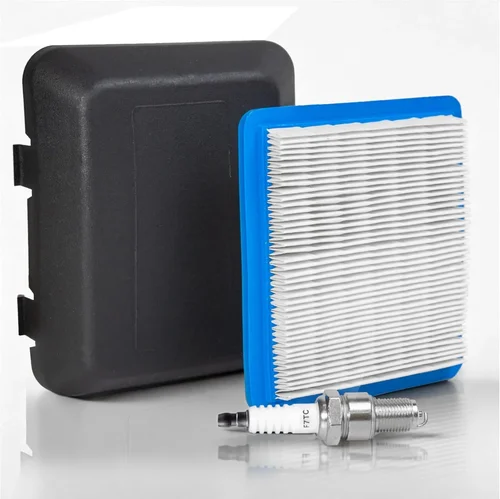
If your Honda HRX217 mower is bogging down during operation—especially under load or when cutting thick grass—you might be dealing with a clogged, damaged, or failing muffler assembly. While it’s easy to overlook the muffler as a simple exhaust component, it plays a critical role in engine performance, backpressure regulation, and overall mower efficiency. A compromised muffler can restrict exhaust flow, leading to poor combustion, reduced power, overheating, and that frustrating bogging sensation that leaves your lawn unfinished.
This comprehensive buying guide is designed to help you understand why your HRX217 is struggling and how replacing the muffler assembly can restore peak performance. Whether you’re a seasoned DIY mechanic or a homeowner tackling your first mower repair, this guide will walk you through everything you need to know—from diagnosing the problem to selecting the right replacement part, comparing top brands, avoiding common pitfalls, and finding the best deals. We’ll also cover budget considerations, expert tips for installation and maintenance, and answer frequently asked questions so you can make a confident, informed decision.
The market for Honda HRX217 muffler assemblies is surprisingly diverse. You’ll find OEM (Original Equipment Manufacturer) parts directly from Honda, high-quality aftermarket alternatives from reputable brands like Briggs & Stratton, Oregon, and FixKatech, and budget-friendly options from lesser-known suppliers. Each comes with its own trade-offs in terms of price, durability, compatibility, and ease of installation. Some are direct bolt-on replacements, while others may require minor modifications or additional gaskets. With so many choices, it’s essential to know what to look for to ensure you’re getting a part that not only fits but also enhances your mower’s longevity and performance. This guide cuts through the noise and delivers actionable insights tailored specifically to the Honda HRX217 model.
What to Look for When Buying Buying Guide
1. OEM vs. Aftermarket Compatibility
One of the most critical decisions when replacing your Honda HRX217 muffler assembly is whether to go with an OEM part or an aftermarket alternative. OEM parts are manufactured by Honda or its authorized partners and are designed to meet exact factory specifications. They guarantee a perfect fit, reliable performance, and full compatibility with your mower’s engine and exhaust system. For the HRX217, the OEM muffler assembly (typically part number 18310-VH7-A00 or 18310-VH7-A01) is engineered to work seamlessly with the GCV190 engine, ensuring optimal backpressure and exhaust flow.
Aftermarket options, on the other hand, are produced by third-party manufacturers and can vary widely in quality. Some aftermarket mufflers are built to OEM standards or even exceed them in durability, while others are poorly constructed and may cause fitment issues or performance degradation. When considering an aftermarket part, always verify that it is explicitly listed as compatible with the Honda HRX217 and the GCV190 engine. Look for detailed fitment notes, customer reviews mentioning the HRX217, and compatibility charts on retailer websites. A mismatched muffler can lead to exhaust leaks, increased engine temperature, and continued bogging—defeating the purpose of the repair.
2. Build Quality & Durability
The muffler assembly is exposed to extreme heat, moisture, and physical stress during operation, so build quality is paramount. A well-constructed muffler should feature thick-gauge steel or aluminized metal to resist rust and warping. Internal components, such as baffles and spark arrestors, should be securely welded or riveted to prevent disintegration over time. Cheap mufflers often use thin metal that corrodes quickly, especially in humid or salty environments, leading to holes, leaks, and eventual failure.
For the Honda HRX217, look for mufflers with a powder-coated or galvanized finish to enhance corrosion resistance. Some premium aftermarket options include stainless steel internals or enhanced heat shielding, which can extend service life significantly. Additionally, check for reinforced mounting points and secure gasket interfaces—these ensure a tight seal and prevent exhaust gases from escaping, which can affect engine performance and safety. A durable muffler not only solves the immediate bogging issue but also reduces the likelihood of future repairs, saving you time and money in the long run.
3. Performance Specifications
The muffler plays a vital role in maintaining proper engine backpressure, which directly impacts combustion efficiency and power output. If the muffler is too restrictive, it can cause the engine to bog down under load. Conversely, if it’s too open or damaged, it may reduce backpressure to unsafe levels, leading to poor fuel economy, overheating, and potential engine damage. The Honda HRX217’s GCV190 engine is designed to operate within a specific backpressure range, and the muffler must support that balance.
When evaluating a replacement muffler, consider whether it maintains OEM-level flow characteristics. Some aftermarket mufflers are marketed as “performance” upgrades but may alter exhaust dynamics in ways that harm small engines. Stick to parts that replicate the original design unless you’re working with a certified performance tuner. Also, check for features like integrated spark arrestors—required in many regions for fire safety—and noise-reduction technology. A properly functioning muffler should reduce exhaust noise without compromising engine responsiveness. If your mower still bogs after installation, the muffler may not be providing the correct backpressure, indicating a mismatch in performance specs.
4. Ease of Installation
Even the best muffler won’t help if it’s difficult to install. The Honda HRX217 has a relatively accessible engine compartment, but the muffler is mounted near the cylinder head and may require removing other components like the air filter housing or fuel tank for full access. A good replacement muffler should come with clear instructions, all necessary gaskets, and mounting hardware. Some kits include a new exhaust gasket, which is essential for preventing leaks.
Look for mufflers that are direct bolt-on replacements, meaning they require no drilling, welding, or modification. Many OEM and high-quality aftermarket parts are designed for tool-free or minimal-tool installation. If a product requires significant disassembly or custom fitting, it may not be worth the hassle—especially for a routine maintenance item. Additionally, consider the orientation of the exhaust outlet. The HRX217’s muffler typically exits to the side or rear, and the replacement should match this configuration to avoid interference with the mower deck or operator.
5. Brand Reputation & Reliability
Not all brands are created equal when it comes to small engine parts. Honda OEM parts are the gold standard for reliability and precision, but they come at a premium. Aftermarket brands like Oregon, FixKatech, and Rotary offer strong alternatives with proven track records in the lawn care industry. These companies often supply parts to major retailers and service centers, indicating a level of trust and quality control.
Avoid generic or no-name brands sold on auction sites or discount marketplaces unless they have extensive positive reviews specifically mentioning the HRX217. A reputable brand will provide detailed product descriptions, compatibility information, and customer support. They’re also more likely to honor warranties and offer replacement parts if something goes wrong. Reading user reviews on platforms like Amazon, Home Depot, or lawn care forums can reveal real-world experiences with fit, durability, and performance. A brand with consistent 4- and 5-star ratings is generally a safer bet than one with mixed or sparse feedback.
6. Warranty & Support
A solid warranty is a strong indicator of a manufacturer’s confidence in their product. Most OEM Honda muffler assemblies come with a 1- to 2-year warranty, covering defects in materials and workmanship. Aftermarket brands vary—some offer 6 months to 1 year, while others provide lifetime warranties on select parts. Always check the warranty terms before purchasing, especially if you’re buying online.
Customer support is equally important. If you encounter fitment issues or defects, you’ll want a responsive support team that can help with returns, exchanges, or troubleshooting. Brands with dedicated customer service lines or live chat support tend to provide better post-purchase experiences. Additionally, some retailers like Honda Power Equipment dealers or authorized online sellers offer installation support or access to service manuals, which can be invaluable for DIYers. A good warranty and support system not only protect your investment but also give you peace of mind knowing help is available if needed.
7. Price & Value for Money
Price is always a consideration, but it shouldn’t be the only factor. OEM Honda muffler assemblies typically range from $80 to $120, reflecting their precision engineering and brand assurance. Aftermarket options can be found for as little as $30, but these often sacrifice quality and longevity. Mid-range aftermarket parts ($50–$70) usually offer the best balance of cost and performance, especially from trusted brands.
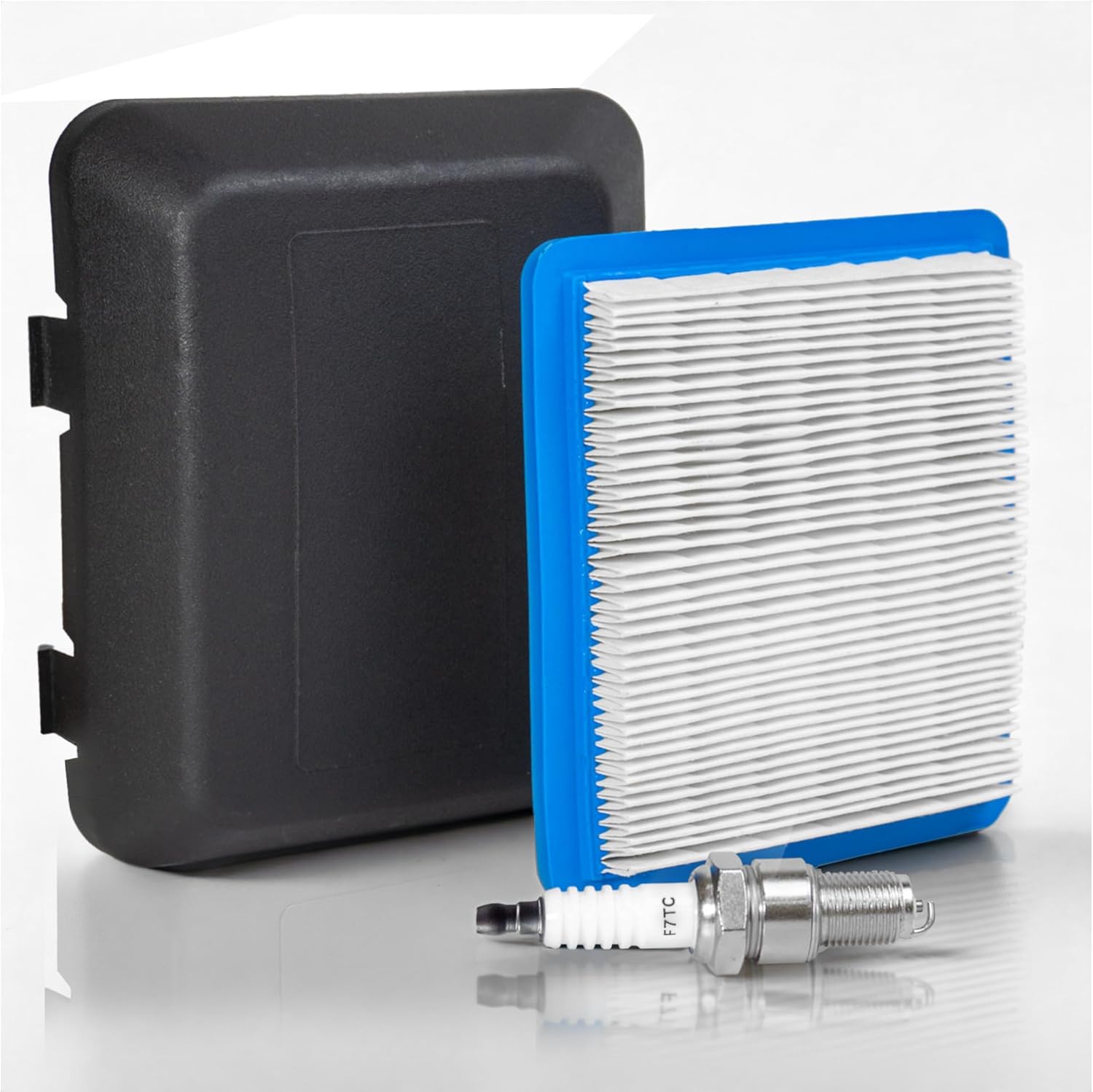
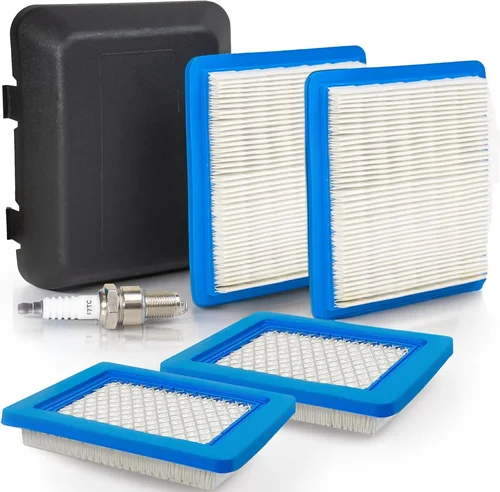
When evaluating value, consider the total cost of ownership. A cheaper muffler that fails in six months may end up costing more than a durable $70 part that lasts three years. Factor in shipping costs, return policies, and whether the price includes gaskets and hardware. Some retailers offer bundle deals—such as a muffler with a new air filter or spark plug—which can provide additional savings. Always compare prices across multiple platforms, including Honda dealers, Amazon, eBay, and specialty lawn equipment stores, to ensure you’re getting a fair deal.
8. User Reviews & Real-World Feedback
User reviews are one of the most reliable sources of information when buying a replacement muffler. They provide insights that specs sheets and marketing materials can’t match—such as how the part performs after months of use, whether it truly fits the HRX217, and if it resolves bogging issues. Look for reviews that mention specific symptoms like “engine bogs when cutting tall grass” or “muffler was clogged with carbon buildup.”
Pay attention to patterns in feedback. If multiple users report the same issue—such as poor fit, rust after a few mows, or no improvement in performance—it’s a red flag. Conversely, consistent praise for ease of installation, noise reduction, and restored power is a strong endorsement. Use review filters to focus on verified purchases and recent feedback, as product quality can change over time. Forums like LawnSite or Reddit’s r/lawncare community can also offer detailed discussions and recommendations from experienced users who’ve tackled the same problem.
Different Types of Buying Guide

Common Buying Mistakes to Avoid
❌ Mistake: Buying Based Solely on Price
Why it’s bad: Opting for the cheapest muffler available often leads to poor fit, rapid corrosion, and continued performance issues. A $30 muffler may seem like a bargain, but if it fails in a few months or doesn’t resolve the bogging problem, you’ll end up spending more on replacements and repairs.
What to do instead: Focus on value, not just cost. Invest in a mid-range aftermarket part from a reputable brand or go OEM if budget allows. Consider the long-term savings of a durable, well-made muffler.
❌ Mistake: Ignoring Compatibility
Why it’s bad: Not all mufflers labeled “for Honda” are compatible with the HRX217. Using a part designed for a different model or engine can cause exhaust leaks, incorrect backpressure, and engine damage.
What to do instead: Always verify compatibility using the mower’s model number (HRX217) and engine type (GCV190). Cross-reference part numbers and read fitment notes carefully.
❌ Mistake: Skipping the Gasket
Why it’s bad: Reusing an old or damaged exhaust gasket can lead to leaks, reduced engine efficiency, and continued bogging. Many buyers forget to replace this small but critical component.
What to do instead: Purchase a new exhaust gasket (Honda part 18315-VH7-A00) or choose a muffler kit that includes one. A proper seal ensures optimal exhaust flow and engine performance.
❌ Mistake: Overlooking Installation Requirements
Why it’s bad: Some mufflers require disassembly of multiple components or special tools. If you’re not prepared, the installation can become frustrating and time-consuming.
What to do instead: Review installation instructions before buying. Choose a direct-fit replacement and gather necessary tools (socket wrench, screwdrivers, torque wrench) in advance.
❌ Mistake: Not Diagnosing the Root Cause
Why it’s bad: Bogging can be caused by issues other than the muffler, such as a clogged air filter, bad spark plug, or carburetor problems. Replacing the muffler won’t fix these underlying issues.
What to do instead: Perform a full engine check before replacing parts. Clean or replace the air filter, inspect the spark plug, and check fuel quality. Only replace the muffler if it’s visibly damaged or clogged.
❌ Mistake: Buying from Unreliable Sellers
Why it’s bad: Purchasing from unknown online sellers or auction sites increases the risk of receiving counterfeit, defective, or incompatible parts. Return policies may be unclear or nonexistent.
What to do instead: Buy from authorized Honda dealers, reputable retailers (Home Depot, Lowe’s, Amazon), or trusted online parts stores with strong customer reviews and return policies.
❌ Mistake: Ignoring Warranty and Support
Why it’s bad: If the muffler fails prematurely, you may be stuck with a defective part and no recourse. Lack of support makes troubleshooting difficult.
What to do instead: Choose products with clear warranties and accessible customer service. Keep your receipt and register the product if required.
Budget Guidelines: How Much Should You Spend?
- Entry-Level ($30–$45): These are typically generic aftermarket mufflers or used OEM parts. They may fit and function for a short time but often lack durability and precise engineering. Best for temporary fixes or mowers used infrequently. Expect potential rust, poor seals, and shorter lifespan.
- Mid-Range ($50–$70): This is the sweet spot for most homeowners. Premium aftermarket brands like Oregon and FixKatech offer high-quality, direct-fit replacements with good corrosion resistance and reliable performance. These parts often include gaskets and hardware, providing excellent value for the price.
- Premium ($70–$100): Includes OEM Honda parts and high-end aftermarket options with enhanced materials (e.g., stainless steel internals, powder coating). Ideal for frequent users, those in harsh climates, or anyone prioritizing longevity and factory-level performance.
- Luxury ($100+): Reserved for custom or performance-modified mowers. These mufflers may offer noise reduction, improved airflow, or aesthetic upgrades. Not necessary for standard HRX217 use but appealing to enthusiasts.
Expert Tips for Getting the Best Deal
- Buy During Off-Season: Lawn equipment parts are often discounted in late fall and winter when demand is low. Stock up before spring mowing season begins.
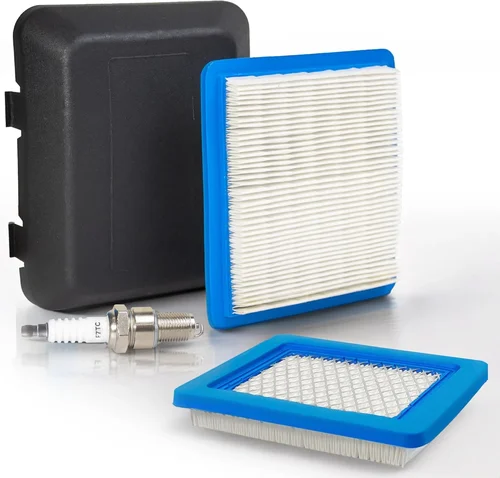
- Check Honda Dealer Promotions: Authorized dealers sometimes offer seasonal sales or bundle deals (e.g., muffler + air filter + spark plug). Sign up for newsletters to stay informed.
- Use Price Tracking Tools: Websites like CamelCamelCamel (for Amazon) or Honey can alert you when prices drop on specific muffler models.
- Compare Retailers: Prices can vary significantly between Home Depot, Lowe’s, Amazon, and specialty parts stores. Don’t forget to factor in shipping costs.
- Look for Open-Box or Refurbished Deals: Some retailers sell returned or lightly used OEM parts at a discount. These are often inspected and come with warranties.
- Join Lawn Care Forums: Communities like LawnSite often share exclusive discount codes or group buy opportunities.
- Consider Local Pickup: Some online retailers offer free local pickup, saving on shipping and allowing you to inspect the part before taking it home.
- Read Return Policies: Ensure the seller accepts returns if the part doesn’t fit or work as expected. Avoid sellers with restocking fees or short return windows.

Frequently Asked Questions
Q: How do I know if my muffler is causing the bogging?
A: A clogged or damaged muffler restricts exhaust flow, leading to poor engine performance. Signs include black smoke, excessive heat, loud exhaust noise, and bogging under load. Remove the muffler and check for carbon buildup or physical damage. If it’s blocked, cleaning or replacement is needed.
Q: Can I clean my muffler instead of replacing it?
A: Yes, if the muffler is only clogged with carbon deposits. Remove it and soak in a degreaser or use a wire brush to clean internal baffles. However, if it’s rusted, warped, or has holes, replacement is the only safe option.
Q: Will a new muffler improve fuel efficiency?
A: A properly functioning muffler maintains optimal backpressure, which can improve combustion efficiency and fuel economy. If your old muffler was restrictive, a new one may result in slightly better mileage.
Q: How often should I replace the muffler on my HRX217?
A: There’s no set interval, but inspect it annually. Replace it if you notice rust, holes, loud noise, or performance issues. With proper maintenance, a quality muffler can last 5–7 years.
Q: Do I need special tools to install a new muffler?
A: Most replacements require basic tools: a socket wrench, screwdriver, and possibly a torque wrench. No special equipment is needed for standard bolt-on installations.
Q: Can I use a muffler from a different Honda model?
A: Not recommended. Even small differences in design can affect backpressure and fit. Always use a part specifically designed for the HRX217 and GCV190 engine.
Q: Is it safe to run the mower without a muffler?
A: No. Running without a muffler exposes you to hot exhaust gases, increases fire risk, and can damage the engine due to improper backpressure. Always replace a damaged muffler promptly.
Q: Where can I find the correct part number for my HRX217?
A: Check your owner’s manual, the engine label, or Honda’s official parts website. The most common muffler part numbers are 18310-VH7-A00 and 18310-VH7-A01.
Q: Will a performance muffler void my warranty?
A: Using non-OEM parts can void your warranty if the manufacturer determines the part caused damage. Stick to OEM or approved aftermarket parts if your mower is still under warranty.
Q: How do I prevent future muffler clogs?
A: Use fresh, clean fuel, avoid over-revving the engine, and perform regular maintenance (air filter, spark plug, oil changes). These steps reduce carbon buildup and extend muffler life.
Our Final Recommendations
- Best for Budget-Conscious Buyers: Oregon 35-101 Muffler Assembly – A reliable aftermarket option at around $55, known for solid build quality and compatibility with the HRX217.
- Best Overall Value: FixKatech 18310-VH7-A00 Replacement Muffler – Priced at $60–$65, this part includes a new gasket and offers OEM-like performance with excellent user reviews.
- Best Premium Option: Honda OEM 18310-VH7-A00 Muffler Assembly – The gold standard for fit and reliability, ideal for long-term owners and warranty protection.
- Best for Beginners: Rotary 5218 Muffler with Gasket Kit – Easy to install, includes all hardware, and comes with clear instructions—perfect for first-time DIYers.
- Best for Advanced Users: Custom Stainless Steel Performance Muffler (e.g., from Small Engine Performance) – For those modifying their HRX217 for increased power or noise reduction, these offer enhanced durability and airflow.
Conclusion: Making the Right Choice
Choosing the right muffler assembly for your Honda HRX217 is more than just a repair—it’s an investment in your mower’s performance, longevity, and reliability. A failing muffler can cause frustrating bogging, reduced power, and even engine damage if left unaddressed. By understanding the key factors—compatibility, build quality, performance specs, and brand reputation—you can make a confident decision that restores your mower to peak condition.
Remember, the cheapest option isn’t always the best, and skipping essential components like gaskets can lead to repeated problems. Take the time to diagnose the issue thoroughly, compare your options, and choose a part that aligns with your budget and usage needs. Whether you go OEM for peace of mind or opt for a high-quality aftermarket alternative, a proper muffler replacement will eliminate bogging, improve efficiency, and extend the life of your HRX217.
Use the expert tips in this guide to find the best deals, avoid common pitfalls, and ensure a smooth installation. And don’t hesitate to consult user reviews or seek advice from lawn care communities if you’re unsure. With the right muffler, your Honda HRX217 will be back to cutting clean, powerful passes across your lawn—season after season.