
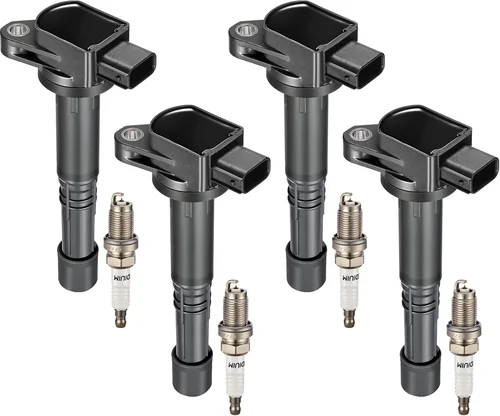
If your Honda HRX217 lawn mower starts up just fine but then sputters and dies within seconds or minutes of operation, you’re likely dealing with an ignition coil issue—one of the most common yet often misunderstood problems in small engine repair. The ignition coil is a critical component responsible for generating the high-voltage spark needed to ignite the air-fuel mixture in the engine’s combustion chamber. When it fails intermittently or under load, symptoms like stalling, rough idling, or failure to restart after warming up can leave even experienced homeowners frustrated and stranded mid-mow.
This comprehensive buying guide is designed to cut through the confusion and help you make a smart, informed decision when selecting a replacement ignition coil for your Honda HRX217. Whether you’re a DIY enthusiast tackling your first small engine repair or a seasoned technician looking for reliable parts sourcing strategies, this guide will walk you through everything you need to know—from understanding how ignition coils work in Honda’s GCV-series engines to comparing OEM versus aftermarket options, evaluating build quality, avoiding costly mistakes, and finding the best deals without sacrificing reliability. We’ll also cover real-world testing tips, warranty considerations, and expert-backed recommendations tailored specifically to the HRX217 model and its common failure modes.
The market for small engine ignition coils is flooded with options ranging from ultra-cheap generic units that fail within weeks to premium OEM replacements that cost nearly as much as a new mower. Navigate this landscape confidently by learning what truly matters—not just price, but performance under heat stress, electrical consistency, compatibility with your specific engine model (typically the Honda GCV160 or GCV190 used in the HRX217), and long-term durability. By the end of this guide, you’ll have a clear roadmap to identify the right ignition coil, source it from trustworthy suppliers, install it correctly, and get your HRX217 running smoothly again—without overspending or falling for common pitfalls.

What to Look for When Buying Buying Guide
1. OEM vs. Aftermarket Compatibility
One of the most critical decisions you’ll make is whether to choose an Original Equipment Manufacturer (OEM) ignition coil from Honda or opt for an aftermarket alternative. OEM coils are engineered to exact specifications for your HRX217’s engine and undergo rigorous testing for reliability, heat resistance, and electrical output. They typically include precise air gap tolerances and high-quality insulation materials that prevent arcing under load—a common cause of “starts then dies” behavior. However, genuine Honda ignition coils come at a premium price, often costing $60–$90.
Aftermarket coils, on the other hand, can range from $15 to $50 and vary dramatically in quality. Some reputable brands like Kohler, Briggs & Stratton (for compatible models), and specialized small-engine suppliers offer coils that meet or exceed OEM specs. Look for aftermarket units explicitly labeled as compatible with Honda GCV160 or GCV190 engines—the two most common powerplants in the HRX217 series. Avoid no-name brands sold solely by price; many use inferior windings or substandard magnetic cores that overheat and fail prematurely, especially when the engine reaches operating temperature.
2. Electrical Output and Spark Consistency
The ignition coil’s primary job is to transform the mower’s 12-volt battery voltage into a high-voltage spark (typically 20,000–30,000 volts) strong enough to jump the spark plug gap reliably. A failing coil often produces a weak or intermittent spark—especially when hot—which explains why your HRX217 might start cold but die once the engine warms up. This thermal breakdown is a hallmark of low-quality coils with poor insulation or inadequate core materials.
When evaluating a replacement, look for specifications indicating stable output under load and resistance to heat soak. Reputable manufacturers will provide data on primary and secondary resistance values (usually 0.5–2.0 ohms primary, 5,000–15,000 ohms secondary). While you likely won’t test these yourself before purchase, knowing these ranges helps you assess technical descriptions. Avoid coils that lack any electrical specs—they’re often unreliable. Additionally, some premium aftermarket coils feature improved epoxy potting or better heat-dissipating designs that reduce the risk of thermal failure.
3. Build Quality and Durability Features
Small engine ignition coils operate in harsh environments—exposed to vibration, moisture, grass clippings, and extreme temperature swings. A well-built coil should feature robust housing (typically high-impact nylon or reinforced polymer), sealed windings to prevent moisture ingress, and secure terminal connections that won’t corrode or loosen over time. Inspect product images or descriptions for signs of quality: thick insulation, clean solder joints, and minimal plastic flash or mold lines.
Pay special attention to the coil’s mounting design. The HRX217’s coil mounts directly to the engine block near the flywheel, with precise alignment required to maintain the correct air gap (usually 0.010–0.012 inches). Some aftermarket coils come with adjustable mounts or shims, while others are fixed. Fixed-gap coils must match Honda’s original dimensions exactly—otherwise, you risk misfires or no spark at all. Higher-end units often include corrosion-resistant terminals and silicone-sealed connectors for added longevity.
4. Warranty and Return Policy
A strong warranty is a strong indicator of a manufacturer’s confidence in their product. OEM Honda coils typically come with a 1-year limited warranty, while reputable aftermarket brands may offer 6 months to 2 years. Avoid sellers or brands that offer no warranty or only a 30-day return window—this is often a red flag for low-quality components. A good warranty not only protects your investment but also gives you peace of mind if the coil fails prematurely due to manufacturing defects.
Equally important is the retailer’s return policy. Even the best coils can be damaged in shipping or incompatible due to mislabeling. Choose suppliers that allow hassle-free returns (ideally 30–60 days) and provide clear instructions for exchanges. Online marketplaces like Amazon or eBay may have buyer protection, but specialized small-engine parts stores (e.g., Jack’s Small Engines, PartSelect, or Repair Clinic) often offer better technical support and faster resolution for compatibility issues.
5. Brand Reputation and User Reviews
In the world of small engine parts, brand reputation matters more than flashy packaging. Stick with established names known for reliability: Honda (OEM), Kohler, Rotary, Oregon, and Stens are generally trustworthy. Read verified purchase reviews—not just star ratings—to spot recurring issues like “failed after 2 mows” or “no spark when hot.” Look for detailed reviews that mention installation ease, fitment accuracy, and performance under real-world conditions (e.g., mowing thick grass or uphill).
Beware of fake reviews or overly generic praise (“Great product!”). Instead, seek out reviewers who describe symptoms similar to yours (“My mower kept dying after 5 minutes—this coil fixed it!”). Forums like LawnSite.com or Reddit’s r/MechanicAdvice often contain honest, technical feedback from users who’ve tested multiple brands. If a coil has consistently positive feedback from HRX217 owners, it’s likely a safe bet.
6. Price vs. Value Consideration
It’s tempting to grab the cheapest ignition coil available—but this often leads to repeated failures and wasted time. A $15 coil that lasts one season isn’t a bargain if it leaves you stranded during peak mowing season. Conversely, spending $90 on an OEM coil may be overkill if a $40 aftermarket unit offers comparable performance and a solid warranty.
Think in terms of cost per season of reliable use. Mid-range aftermarket coils ($30–$50) from reputable brands often represent the best value—they’re significantly cheaper than OEM but built to higher standards than budget knockoffs. Factor in shipping costs, return windows, and whether the seller offers technical support. Sometimes paying $10 more for faster shipping or a longer warranty saves you headaches down the line.
7. Ease of Installation and Included Components
While replacing an ignition coil on an HRX217 is generally straightforward (usually 2–4 bolts and two wire connections), some coils make the job easier than others. Look for units that include mounting hardware, dielectric grease, or alignment tools. Some premium kits even come with a spark tester or gap gauge—useful for diagnosing future issues.
Check if the coil requires adjustment. Most modern replacements are pre-gapped, but if yours isn’t, ensure you have a feeler gauge and the manual’s specified gap measurement handy. Poorly designed coils may have hard-to-reach terminals or awkward orientations that complicate installation in the HRX217’s tight engine compartment. Reading installation videos or guides before purchasing can help you avoid surprises.
8. Availability and Shipping Speed
When your mower is down, waiting weeks for a part is frustrating. Prioritize retailers with fast shipping (2–3 days) and local pickup options if available. Big-box stores like Home Depot or Lowe’s rarely stock HRX217-specific coils, but online specialists often ship same-day. Consider keeping a spare coil on hand during mowing season—especially if you rely on your mower weekly.
Also, verify stock availability before ordering. Some popular aftermarket coils sell out quickly during spring and summer. Subscribing to restock alerts or choosing retailers with multiple warehouses can prevent delays. If you’re in a pinch, some local small engine shops may carry compatible coils or can special-order them within 24–48 hours.
Different Types of Buying Guide

Common Buying Mistakes to Avoid
❌ Mistake: Buying Based Solely on Price
Why it’s bad: The cheapest ignition coil often uses subpar materials that fail under heat stress—exactly when your HRX217 needs consistent spark most. You’ll end up replacing it multiple times, wasting time and potentially damaging other components.
What to do instead: Focus on value, not just cost. A $40 coil with a 1-year warranty and proven reliability is smarter than a $15 one that dies in 30 days. Read reviews and prioritize brands with track records in small engines.
❌ Mistake: Ignoring Engine Model Compatibility
Why it’s bad: Not all Honda mowers use the same ignition coil. The HRX217 may have a GCV160 or GCV190 engine, and coils aren’t always interchangeable. Installing the wrong one can result in no spark, incorrect timing, or physical mounting issues.
What to do instead: Always check your engine’s model and serial number (stamped on the metal shroud near the spark plug). Cross-reference this with the coil’s compatibility list before purchasing.
❌ Mistake: Overlooking Thermal Performance
Why it’s bad: Many coils work fine when cold but fail once the engine heats up—precisely the symptom you’re trying to fix. This “heat soak” failure is common in low-quality units with poor insulation.
What to do instead: Look for coils specifically noted for “hot-start reliability” or “thermal stability.” Premium aftermarket and OEM coils are designed to maintain spark under load and high temps.
❌ Mistake: Skipping the Warranty Check
Why it’s bad: Without a warranty, you’re stuck with a defective part and no recourse. Some sellers offer “final sale” items that can’t be returned even if incompatible.
What to do instead: Only buy from retailers that clearly state warranty terms and return policies. Aim for at least a 6-month warranty and 30-day return window.
❌ Mistake: Assuming All Aftermarket Coils Are Equal
Why it’s bad: The aftermarket is wildly inconsistent. A coil from a trusted brand like Oregon is vastly different from a no-name import with identical packaging.
What to do instead: Stick to reputable aftermarket brands with verifiable customer feedback. Avoid products with no brand name, vague descriptions, or suspiciously low prices.
❌ Mistake: Not Testing the Old Coil First
Why it’s bad: The “starts then dies” issue could stem from a faulty fuel pump, clogged carburetor, or bad spark plug—not the ignition coil. Replacing the coil unnecessarily wastes money.
What to do instead: Use a spark tester to confirm weak or intermittent spark before buying a new coil. This simple test takes 5 minutes and saves guesswork.
❌ Mistake: Rushing the Purchase During Peak Season
Why it’s bad: Waiting until your mower breaks during mowing season often leads to panic buying—choosing the first available option without research.
What to do instead: Keep a spare ignition coil on hand or order early in the season. Many retailers offer off-season discounts in fall and winter.
Budget Guidelines: How Much Should You Spend?
Entry-Level ($15–$25): These coils are best suited for emergency replacements or very light-use mowers. Expect shorter lifespans (6–12 months), potential thermal issues, and limited or no warranty. Only consider this tier if you’ve confirmed the coil is the culprit and need a temporary fix.
Mid-Range ($30–$50): This is the sweet spot for most HRX217 owners. Coils in this range from brands like Rotary, Oregon, or Stens offer excellent reliability, solid warranties (6–18 months), and performance close to OEM. They’re ideal for weekly mowing and handle heat stress well.
Premium ($55–$75): For those who want near-OEM quality without the Honda price tag, premium aftermarket coils deliver superior materials, tighter tolerances, and enhanced durability. Great for heavy users or those who keep their mower for 10+ years.
Luxury ($75+): This tier is dominated by genuine Honda OEM coils. While expensive, they offer unmatched peace of mind, perfect fitment, and the longest service life. Recommended if your mower is still under warranty or you prioritize originality.
Expert Tips for Getting the Best Deal
- Buy in the Off-Season: Retailers often discount small engine parts in late fall and winter. Stock up when demand is low for 20–30% savings.
- Use Price Tracking Tools: Websites like CamelCamelCamel (for Amazon) or Honey can alert you when your desired coil drops in price.
- Check Local Small Engine Shops: Many offer price matching and can order parts same-day. Plus, they provide expert advice you won’t get online.
- Bundle with Other Repairs: If you’re already replacing the spark plug or air filter, buy them together—some retailers offer multi-item discounts.
- Verify Seller Authenticity: On marketplaces like eBay, check seller ratings and feedback. Avoid accounts with less than 98% positive ratings or new listings with stock photos.
- Ask About Core Returns: Some suppliers offer a discount if you return your old coil as a “core”—common with remanufactured parts.
- Read the Fine Print on Returns: Ensure the return policy covers compatibility issues, not just defects. Some sellers charge restocking fees.
- Join Owner Forums: Communities like LawnSite often share exclusive promo codes or group-buy opportunities for trusted parts vendors.

Frequently Asked Questions
Q: Can a bad ignition coil cause my Honda HRX217 to start but then die?
A: Yes—absolutely. A failing ignition coil often produces a strong spark when cold but loses output as it heats up, causing the engine to stall under load. This is one of the most common symptoms of coil failure in the HRX217.
Q: How do I test if my ignition coil is bad?
A: Use a spark tester: remove the spark plug wire, insert the tester, ground it, and pull the starter. Look for a bright blue spark. No spark or a weak orange spark indicates coil failure. Always wear safety glasses.
Q: Will an aftermarket coil void my Honda warranty?
A: Generally, no—under the Magnuson-Moss Warranty Act, using aftermarket parts doesn’t void your warranty unless the part directly caused the damage. However, check your specific warranty terms to be sure.
Q: Do I need special tools to replace the ignition coil?
A: Basic hand tools (socket wrench, screwdriver) are usually sufficient. A feeler gauge helps verify the air gap, but many modern coils are pre-gapped. No specialized equipment is required.
Q: How long does an ignition coil typically last?
A: With proper maintenance, a quality coil should last 5–10 years or 500–1,000 hours of operation. Cheap coils may fail in under a year.
Q: Can I clean or repair a faulty ignition coil?
A: No—ignition coils are sealed units with internal windings. Once they fail, replacement is the only reliable solution.
Q: Why does my new coil still not fix the problem?
A: Double-check compatibility, ensure correct installation, and verify the spark plug is new. Also, inspect the fuel system—dirty carburetors can mimic ignition issues.
Q: Are remanufactured coils reliable?
A: Reputable remanufacturers test and refurbish coils to OEM specs. They’re a good eco-friendly option if backed by a solid warranty.
Q: Where is the ignition coil located on the HRX217?
A: It’s mounted on the engine block, near the flywheel and spark plug. You’ll see two wires connected to it and 2–4 mounting bolts.
Q: Should I replace the spark plug when changing the coil?
A: Yes—it’s cheap insurance. A worn spark plug can overload a new coil and shorten its lifespan.
Our Final Recommendations
Best for Budget-Conscious Buyers: Rotary 20-10017 Ignition Coil – At around $35, this coil offers excellent reliability, a 1-year warranty, and consistent performance. It’s compatible with GCV160/190 engines and widely praised in user reviews.
Best Overall Value: Oregon 35-107 Ignition Coil – Priced at $42–$48, this premium aftermarket option delivers near-OEM quality with superior heat resistance and a 2-year warranty. Ideal for weekly mowers.
Best Premium Option: Honda Genuine Part #30500-Z0D-013 – If budget isn’t a concern, go OEM. Perfect fit, unmatched durability, and full manufacturer support. Available through authorized Honda dealers or online parts portals.
Best for Beginners: Stens 135-101 Ignition Coil Kit – Includes mounting hardware, dielectric grease, and clear instructions. Great for first-time DIYers who want everything in one box.
Best for Advanced Users: Universal Adjustable Ignition Coil (e.g., from Electrosport) – Allows fine-tuning of air gap and timing. Best for those comfortable with small engine tuning and diagnostics.
Conclusion: Making the Right Choice
Replacing the ignition coil on your Honda HRX217 doesn’t have to be a gamble. By understanding the key factors—compatibility, build quality, thermal performance, and warranty—you can avoid the frustration of repeated failures and get your mower back in action quickly and affordably. Remember, the goal isn’t just to fix the “starts then dies” issue today, but to ensure reliable performance for seasons to come.
Prioritize your needs: if you’re a casual user, a mid-range aftermarket coil offers the best balance. If you rely on your mower for professional landscaping or have a high-mileage unit, investing in OEM or premium aftermarket is worth the extra cost. And always test before you replace—confirming the coil is the root cause saves time, money, and unnecessary repairs.
With the insights from this guide, you’re now equipped to make a confident, informed decision. Don’t rush—take the time to compare options, read real user experiences, and choose a coil that matches your usage, budget, and expectations. Your HRX217 deserves a reliable spark, and so do you.