
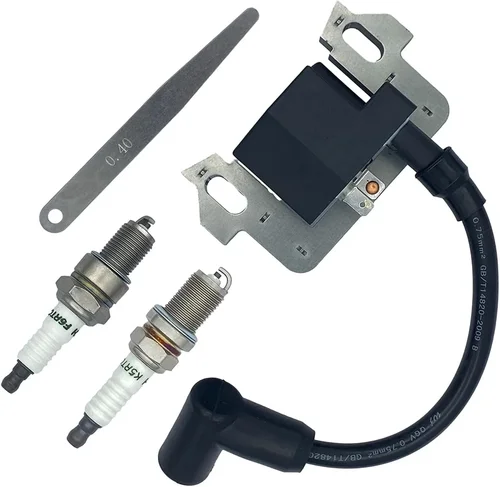
If your Honda HRX217 mower is stalling unexpectedly—especially during operation or under load—you’re likely dealing with an ignition coil failure. The ignition coil is a small but critical component that transforms the mower’s low-voltage battery power into the high-voltage spark needed to ignite the fuel-air mixture in the engine. When it fails, your mower may sputter, lose power, refuse to start, or stall mid-cut. This isn’t just frustrating—it can also lead to unsafe operating conditions or further engine damage if ignored.
This comprehensive buying guide is designed to help you navigate the often-confusing world of replacement ignition coils for the Honda HRX217. Whether you’re a seasoned DIY mechanic or a first-time homeowner tackling lawn equipment maintenance, we’ll walk you through everything you need to know to make a smart, informed purchase. You’ll learn how to identify a failing ignition coil, understand the key factors that differentiate quality parts from cheap knockoffs, compare OEM versus aftermarket options, avoid common pitfalls, and find the best deals without sacrificing reliability.
The market for small engine ignition coils is flooded with options—from genuine Honda parts to budget-friendly alternatives from lesser-known brands. While it might be tempting to grab the cheapest option available, doing so could result in premature failure, inconsistent performance, or even compatibility issues. Our goal is to arm you with expert-level knowledge so you can confidently choose the right ignition coil that fits your budget, performance needs, and long-term maintenance goals. By the end of this guide, you’ll not only know where to buy but why certain coils are better than others—and how to ensure your HRX217 runs smoothly season after season.

What to Look for When Buying Buying Guide
1. OEM vs. Aftermarket Compatibility
When shopping for an ignition coil for your Honda HRX217, the first and most crucial decision is whether to go with an Original Equipment Manufacturer (OEM) part or an aftermarket alternative. OEM coils are made by Honda or its authorized suppliers and are designed specifically for your model. They offer guaranteed compatibility, precise fit, and consistent performance. Aftermarket coils, on the other hand, are produced by third-party manufacturers and vary widely in quality.
Why does this matter? The HRX217 uses a specific GCV190 engine, and even minor deviations in coil output voltage or physical dimensions can cause misfires, hard starts, or stalling. While many aftermarket coils claim compatibility, not all are created equal. Always verify that the part number matches your mower’s specifications—typically found in the owner’s manual or on the existing coil. Cross-referencing part numbers like Honda 30500-Z0D-V01 or equivalent aftermarket codes ensures you’re getting a true fit.
2. Performance Specifications
Ignition coils are rated by their output voltage, primary and secondary resistance, and spark gap capability. For the Honda HRX217’s GCV190 engine, the ideal coil should produce a strong, consistent spark—typically around 20,000 to 30,000 volts—to reliably ignite the fuel mixture under varying loads and temperatures.
Check the technical specs listed by the manufacturer. A quality coil will specify resistance values (e.g., primary: 0.5–1.5 ohms, secondary: 5,000–10,000 ohms). Deviations from these ranges can indicate poor construction or materials. Also, look for coils that mention “high-energy output” or “enhanced spark duration,” as these features improve cold starts and reduce stalling during heavy cutting.
Avoid coils that lack detailed specifications. Vague descriptions like “fits most Honda mowers” are red flags. Precision matters—especially in small engines where timing and spark strength directly affect performance.
3. Build Quality & Durability
The ignition coil lives in a harsh environment: exposed to heat, vibration, moisture, and dust. A poorly built coil may work initially but fail prematurely due to cracked housings, corroded terminals, or degraded internal windings.
Look for coils with robust, heat-resistant plastic housings and sealed connections to prevent moisture ingress. Metal mounting brackets should be corrosion-resistant, preferably zinc-plated or stainless steel. Internal components should be potted in high-temperature epoxy to withstand engine heat cycles.
Real-world durability also depends on the manufacturer’s quality control. Brands with a reputation for small engine parts—like Kohler, Briggs & Stratton, or reputable aftermarket specialists—tend to produce more reliable coils than generic no-name brands. Reading user reviews can reveal patterns of early failure or longevity.
4. Features & Functionality
While ignition coils are relatively simple devices, some modern versions include enhancements that improve performance and longevity. Look for features such as:
– Integrated ground wires: Simplify installation and reduce connection issues.
– High-temperature insulation: Prevents internal shorting under heat stress.
– Anti-vibration mounting: Reduces stress on internal components.
– Corrosion-resistant terminals: Ensure consistent electrical contact.
Some aftermarket coils also offer “performance” versions with higher output for modified engines, though these are unnecessary for standard HRX217 use. Stick to coils designed for stock applications unless you’ve made engine modifications.
Additionally, consider ease of installation. Coils with pre-attached wires or plug-and-play designs save time and reduce the risk of wiring errors. However, always double-check polarity and grounding requirements to avoid reverse installation, which can damage the coil.
5. Brand Reputation
Not all brands are equal when it comes to small engine ignition coils. Honda OEM parts are the gold standard, but several aftermarket brands have earned trust through consistent quality and reliability.
Top-tier aftermarket brands include:
– Rotary: Known for durable, affordable small engine parts.
– Stens: Offers high-quality replacements with strong warranties.
– Oregon: Popular among landscapers for rugged reliability.
– MTD Genuine Parts: Often compatible with Honda engines.
Avoid ultra-cheap brands sold on marketplaces with no brand name or customer support. These are often sourced from low-cost manufacturers with inconsistent quality control. A quick search for “Honda HRX217 ignition coil review” can reveal which brands users consistently recommend.
6. Warranty & Support
A solid warranty is a strong indicator of a manufacturer’s confidence in their product. Most reputable brands offer at least a 1-year warranty on ignition coils, covering defects in materials or workmanship.
Check the warranty terms carefully. Some only cover replacement parts, while others include labor or shipping costs. Also, verify that the seller provides customer support—especially important if you need help with installation or troubleshooting.
OEM Honda parts typically come with a 1-year warranty when purchased through authorized dealers. Aftermarket brands vary, so read the fine print. A longer warranty (e.g., 2 years) often signals higher build quality.
7. Price Range & Value
Ignition coil prices for the Honda HRX217 range from under $20 for generic aftermarket units to over $80 for genuine Honda OEM parts. While price isn’t always an indicator of quality, extremely low prices often reflect subpar materials or shortcuts in manufacturing.
Set a realistic budget based on your usage. If you mow weekly during a long season, investing in a higher-quality coil makes sense. For occasional use, a mid-range aftermarket option may suffice.
Remember: the cost of a failed coil isn’t just the part—it’s also the downtime, potential engine damage, and repeated repairs. Spending $10–$20 more for a reliable coil can save you hundreds in the long run.
8. User Reviews & Ratings
Before buying, read verified customer reviews—especially those from users with the same mower model. Look for patterns in feedback:
– Do multiple users report stalling or no-start issues after installation?
– Are there complaints about fitment or wiring?
– Do reviews mention longevity (e.g., “still working after 2 seasons”)?
Platforms like Amazon, eBay, and lawn equipment forums often include detailed user experiences. Pay attention to reviews that mention specific symptoms like “stalls when hot” or “won’t start in humid weather”—these can help confirm whether a coil is truly reliable.
Avoid products with mostly 5-star reviews and no critical feedback. These may be fake or incentivized. Balanced reviews with both pros and cons are more trustworthy.
Different Types of Buying Guide

Common Buying Mistakes to Avoid
❌ Mistake: Buying the Cheapest Option Available
Why it’s bad: Ultra-low-cost ignition coils often use inferior materials, lack proper insulation, and fail within weeks or months. This leads to repeated repairs, wasted time, and potential engine damage from weak or inconsistent sparks.
What to do instead: Prioritize value over price. Spend a little more on a reputable brand with good reviews and a solid warranty. A $40 coil that lasts two seasons is far better than a $20 coil that fails after one cut.
❌ Mistake: Ignoring Part Number Compatibility
Why it’s bad: Not all “Honda-compatible” coils are created equal. Using a coil designed for a different engine model (e.g., GCV160 instead of GCV190) can result in poor performance, no spark, or electrical damage.
What to do instead: Always cross-reference the part number. The correct OEM number for the HRX217 is typically 30500-Z0D-V01. Verify this against your mower’s manual or existing coil before purchasing.
❌ Mistake: Overlooking Installation Requirements
Why it’s bad: Some coils require specific grounding methods or wire routing. Incorrect installation can cause short circuits, blown fuses, or coil burnout.
What to do instead: Read the installation instructions carefully. Ensure you have the right tools (e.g., torque wrench for mounting bolts) and follow Honda’s recommended procedures. If unsure, consult a service manual or video tutorial.
❌ Mistake: Buying from Unverified Sellers
Why it’s bad: Marketplaces like eBay or Amazon host many third-party sellers offering counterfeit or low-quality parts. These may look like OEM but perform poorly or fail quickly.
What to do instead: Purchase from authorized dealers, reputable lawn equipment retailers, or trusted online stores with verified reviews. Look for “sold by” and “fulfilled by” information to confirm legitimacy.
❌ Mistake: Skipping Diagnostic Steps
Why it’s bad: Stalling can be caused by fuel issues, air leaks, or carburetor problems—not just the ignition coil. Replacing the coil without proper diagnosis may waste money and not fix the problem.
What to do instead: Test the coil with a multimeter or spark tester before replacing it. Check for spark at the plug, inspect fuel flow, and ensure the air filter is clean. Rule out other causes first.
❌ Mistake: Ignoring Warranty and Return Policies
Why it’s bad: If the coil fails prematurely, you may be stuck with a defective part and no recourse. Some sellers don’t accept returns on electrical components.
What to do instead: Choose sellers with clear return policies (e.g., 30-day returns) and manufacturers that honor warranties. Keep your receipt and packaging in case you need to file a claim.
❌ Mistake: Assuming All Aftermarket Coils Are Equal
Why it’s bad: The aftermarket market is vast, with huge quality variations. A coil from a trusted brand like Stens is not the same as a no-name import.
What to do instead: Research brands and read user feedback. Stick to well-known aftermarket manufacturers with a history of small engine parts.
Budget Guidelines: How Much Should You Spend?
– Entry-Level ($18–$30): These are typically generic aftermarket coils with minimal branding and limited specs. Best for emergency replacements or infrequent use. Expect shorter lifespan and potential fitment issues. Only consider if you’re on a tight budget and plan to upgrade soon.
– Mid-Range ($35–$55): This is the sweet spot for most HRX217 owners. Brands like Rotary, Stens, and Oregon offer reliable coils with good build quality, solid warranties, and verified compatibility. These coils balance cost and performance, making them ideal for regular homeowners and weekend warriors.
– Premium ($55–$75): Includes high-end aftermarket coils and some OEM alternatives. These often feature enhanced materials, better heat resistance, and longer warranties. Great for users who want maximum reliability without paying full OEM prices.
– Luxury ($75+): Genuine Honda OEM coils fall into this category. While expensive, they offer unmatched compatibility, performance, and peace of mind. Recommended for professionals, collectors, or those who plan to keep their mower for many years.
Expert Tips for Getting the Best Deal
– Buy During Off-Season: Lawn equipment parts are often discounted in late fall and winter. Stock up when demand is low to save 10–20%.
– Compare Prices Across Retailers: Check Honda dealers, Amazon, eBay, Northern Tool, and local lawn shops. Prices can vary significantly for the same part.
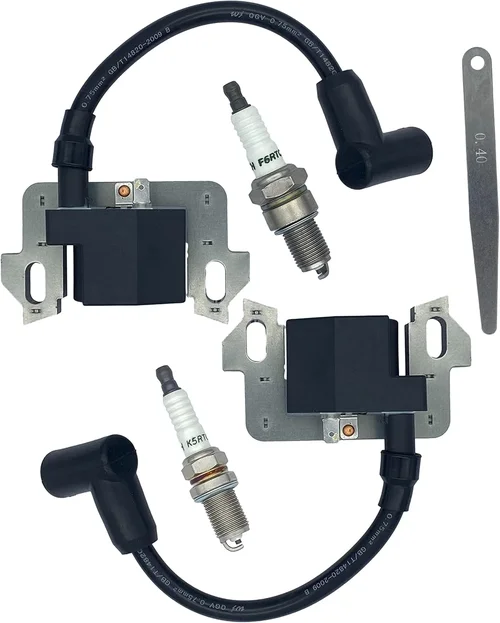
– Look for Bundle Deals: Some retailers offer ignition coils with spark plugs or air filters at a discount. These kits can save money if you’re doing full maintenance.
– Use Price Tracking Tools: Set alerts on Google Shopping or CamelCamelCamel (for Amazon) to monitor price drops.
– Check for Manufacturer Rebates: Occasionally, brands like Stens or Rotary offer mail-in rebates on small engine parts.
– Verify Return Policies: Ensure you can return the part if it doesn’t fit or fails to resolve the stalling issue.
– Test Before Finalizing: After installation, run the mower under load to confirm the stalling issue is resolved. If problems persist, the coil may not be the root cause.
– Keep Records: Save receipts, warranty info, and installation notes. This helps with future troubleshooting and resale value.
Frequently Asked Questions
Q: How do I know if my ignition coil is bad?
A: Common signs include hard starting, stalling when hot, loss of power, or no spark at the plug. Use a spark tester or multimeter to check resistance and spark output. If the coil fails these tests, it likely needs replacement.
Q: Can I replace the ignition coil myself?
A: Yes, most homeowners can replace it with basic tools. The process involves removing the engine shroud, disconnecting the spark plug wire, unbolting the old coil, and installing the new one. Always disconnect the spark plug before starting.
Q: Is a genuine Honda coil worth the extra cost?
A: If you value reliability and long-term performance, yes. OEM coils are engineered specifically for your mower and come with a warranty. However, high-quality aftermarket options can offer similar performance at a lower price.
Q: How long does an ignition coil last?
A: With proper maintenance, a good ignition coil can last 5–10 years or 500+ hours of use. Premature failure is often due to overheating, moisture, or poor-quality parts.
Q: Will a new coil improve fuel efficiency?
A: A properly functioning coil ensures complete combustion, which can slightly improve fuel efficiency and reduce emissions. However, the difference is usually minimal unless the old coil was severely degraded.
Q: Can I use a coil from a different Honda model?
A: Only if it’s specifically listed as compatible. The GCV190 engine in the HRX217 has unique requirements. Using a coil from a GCV160 or other model may cause performance issues.
Q: What tools do I need to replace the coil?
A: Basic tools include a socket wrench, spark plug socket, screwdriver, and multimeter (for testing). A torque wrench is recommended for proper bolt tightening.
Q: Should I replace the spark plug at the same time?
A: Yes, it’s a good practice. A worn spark plug can mask coil performance issues and reduce overall efficiency. Use a Honda-recommended plug like the NGK BPR6ES.
Q: Where can I buy a genuine Honda ignition coil?
A: Authorized Honda dealers, HondaPartsNow.com, and some large lawn equipment retailers carry genuine parts. Always verify the seller’s authorization status.
Q: What if my mower still stalls after replacing the coil?
A: The issue may be fuel-related (clogged carburetor, bad fuel), air intake (dirty filter), or electrical (faulty kill switch). Perform a full diagnostic to identify the root cause.
Our Final Recommendations
– Best for Budget-Conscious Buyers: Rotary 104-102 Ignition Coil – Reliable, well-reviewed, and priced under $40. Offers great value for occasional users.
– Best Overall Value: Stens 135-105 Ignition Coil – Combines OEM-like performance with a mid-range price. Backed by a 2-year warranty and excellent user feedback.
– Best Premium Option: Genuine Honda 30500-Z0D-V01 Ignition Coil – The gold standard for compatibility and longevity. Ideal for professionals or long-term owners.
– Best for Beginners: Oregon 36-716 Ignition Coil – Easy to install, clearly labeled, and comes with detailed instructions. Great for first-time DIYers.
– Best for Advanced Users: Performance Coil by Echo (compatible upgrade) – Offers higher spark energy for modified engines. Requires technical knowledge but delivers enhanced performance.
Conclusion: Making the Right Choice
Choosing the right ignition coil for your Honda HRX217 isn’t just about fixing a stalling issue—it’s about ensuring your mower runs safely, efficiently, and reliably for years to come. We’ve covered everything from identifying symptoms and understanding technical specs to comparing OEM and aftermarket options, avoiding common mistakes, and finding the best deals.
Remember, the cheapest part isn’t always the best value. Invest in quality, prioritize compatibility, and don’t skip diagnostic steps. Whether you’re a weekend warrior or a seasoned landscaper, the right ignition coil will keep your HRX217 performing at its peak—cut after cut.
Take the time to research, read reviews, and choose a coil that matches your needs and budget. And when in doubt, consult a professional or refer to your owner’s manual. Your lawn—and your peace of mind—will thank you.
Now that you’re equipped with expert knowledge, it’s time to take action. Replace that faulty coil, restore your mower’s performance, and get back to maintaining a beautiful lawn with confidence.