
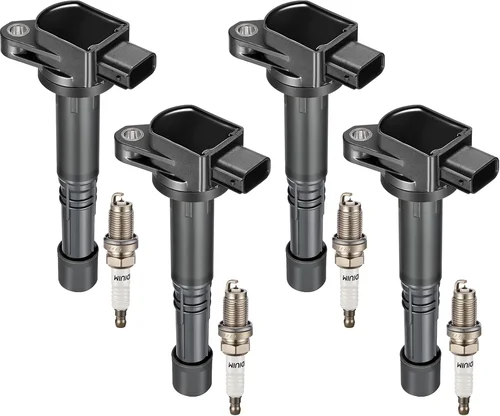
If your Honda HRX217 lawnmower is overheating or running rough, you might be dealing with a failing ignition coil. This small but critical component plays a major role in engine performance—especially under load or in hot weather. When it starts to fail, you’ll notice symptoms like hard starting, engine misfires, stalling, or even excessive heat buildup that leads to overheating. Replacing the ignition coil isn’t just about restoring power; it’s about preventing long-term engine damage and ensuring your mower runs efficiently season after season.
That’s where this guide comes in. Whether you’re a weekend warrior maintaining your lawn or a seasoned DIY mechanic, choosing the right ignition coil can feel overwhelming. The market is flooded with options—from OEM (Original Equipment Manufacturer) parts to aftermarket alternatives, budget-friendly knockoffs, and high-performance upgrades. Each comes with its own pros, cons, and compatibility quirks. Our goal is to cut through the noise and give you everything you need to make a smart, informed decision. We’ll walk you through what to look for, where to buy, how much to spend, and how to avoid common pitfalls that could cost you time, money, or even your mower’s engine.
By the end of this comprehensive buying guide, you’ll know exactly how to identify a quality ignition coil for your Honda HRX217, understand the differences between part types, and confidently choose a replacement that fits your budget and performance needs. We’ll also share expert tips on installation, troubleshooting, and maintenance to help you get the most out of your purchase. Whether you’re fixing an overheating issue or performing preventive maintenance, this guide will equip you with the knowledge to keep your HRX217 running cool, smooth, and reliable.

What to Look for When Buying Buying Guide
1. Compatibility with Honda HRX217 Models
The very first thing you must verify is whether the ignition coil is compatible with your specific Honda HRX217 model. Honda has produced several variants of the HRX217 over the years—including the HRX217HZA, HRX217HMA, and HRX217TDA—each potentially using slightly different engine configurations or coil designs. Using an incompatible coil can lead to poor spark delivery, misfiring, or even electrical damage. Always cross-check the part number on your existing coil (usually stamped on the housing) or consult your owner’s manual. Most reputable sellers will list compatible models in the product description, but don’t assume—double-check before purchasing.
2. OEM vs. Aftermarket: Understanding the Difference
You’ll typically find two main categories of ignition coils: OEM (Original Equipment Manufacturer) and aftermarket. OEM coils are made by Honda or its authorized suppliers and are designed to meet exact factory specifications. They offer the highest level of reliability and performance but come at a premium price. Aftermarket coils, produced by third-party manufacturers like NGK, Champion, or Stens, can be more affordable and sometimes offer improved durability or performance. However, quality varies widely—some aftermarket brands match or exceed OEM standards, while others are poorly constructed and fail prematurely. When choosing, prioritize reputable aftermarket brands with strong reviews and warranties.
3. Build Quality & Durability
Ignition coils are exposed to extreme heat, vibration, and moisture—especially in lawnmower applications. A poorly built coil with subpar insulation, weak solder joints, or low-grade materials will degrade quickly, leading to intermittent spark, engine overheating, or complete failure. Look for coils with robust housings (often high-temperature thermoplastic or epoxy-sealed), secure wire connections, and corrosion-resistant terminals. Check product images and descriptions for signs of solid construction. Avoid coils that look flimsy or have loose wiring. Durability directly impacts how long your mower will run without issues, so don’t skimp here.
4. Performance Specifications
Not all ignition coils deliver the same spark energy or timing accuracy. For the Honda HRX217, which uses a GCV190 engine, the coil must produce a strong, consistent spark at the correct voltage and timing to ensure efficient combustion. Weak spark leads to incomplete fuel burn, increased engine heat, and reduced power. Look for coils that specify compatibility with the GCV190 engine and mention features like high-output windings, improved magnetic core design, or enhanced heat dissipation. Some performance-oriented aftermarket coils even advertise “hotter spark” for better cold starts and reduced fouling—ideal if you mow in humid or dusty conditions.
5. Brand Reputation & Reliability
Stick with brands known for quality small engine parts. Honda OEM parts are the gold standard, but trusted aftermarket brands like NGK, Briggs & Stratton, and Stens have earned solid reputations among mechanics and homeowners alike. Avoid no-name brands or sellers with vague product descriptions and no customer support. Check online reviews on platforms like Amazon, Home Depot, or specialized forums like LawnSite.com. A brand with consistent positive feedback, especially from users with similar mowers, is a strong indicator of reliability. Remember: a cheap coil from an unknown brand may save you $10 now but cost you $200 in engine repairs later.
6. Warranty & Return Policy
A good warranty is a sign that the manufacturer stands behind their product. Most reputable ignition coils come with a 1-year warranty, though some premium brands offer up to 2 years. This protects you against defects or premature failure. Additionally, check the seller’s return policy—especially if buying online. Can you return the part if it doesn’t fit or fails to resolve your overheating issue? Retailers like Amazon, eBay, and Home Depot typically offer hassle-free returns within 30 days, while smaller online stores may have stricter policies. Always keep your receipt and packaging until you’ve confirmed the part works correctly.
7. Price vs. Value
It’s tempting to go for the cheapest option, but ignition coils are not the place to cut corners. A $15 coil might seem like a bargain, but if it fails in three months and causes engine damage, you’ve lost money in the long run. Conversely, paying $80 for an OEM coil may be overkill if a $35 aftermarket alternative performs just as well. Focus on value—what you get for your money. Consider factors like expected lifespan, warranty, brand reputation, and performance. Mid-range aftermarket coils from trusted brands often offer the best balance of cost and quality for most homeowners.
8. Ease of Installation
While not a dealbreaker, installation ease can save you time and frustration. Most Honda HRX217 ignition coils are designed for straightforward replacement—usually involving removing a few bolts and disconnecting the spark plug wire. However, some aftermarket coils may require minor modifications or come with unclear instructions. Look for products that include installation guides, mounting hardware, or even video tutorials. If you’re not comfortable with basic engine work, consider buying from a retailer that offers installation support or choose a coil known for plug-and-play compatibility.
Different Types of Buying Guide

Common Buying Mistakes to Avoid
❌ Mistake: Buying Based Solely on Price
Why it’s bad: Choosing the cheapest coil without considering quality can lead to premature failure, poor engine performance, and even safety hazards like electrical shorts. A failing coil can cause the engine to overheat, damage the piston, or ruin the carburetor.
What to do instead: Prioritize value over price. Look for mid-range aftermarket coils from reputable brands that offer a balance of affordability and durability. Read reviews and check warranties before deciding.
❌ Mistake: Ignoring Compatibility
Why it’s bad: Installing an incompatible coil can result in no spark, weak spark, or incorrect timing—leading to hard starts, stalling, and overheating. In some cases, it can damage the engine control module or wiring.
What to do instead: Always verify the part number and engine model. Use Honda’s official parts lookup tool or consult your owner’s manual. When in doubt, contact the seller or a Honda dealer for confirmation.
❌ Mistake: Overlooking Warranty and Return Policies
Why it’s bad: If the coil fails shortly after installation, you could be stuck with a defective part and no recourse. Some sellers don’t accept returns on electrical components once installed.
What to do instead: Only buy from retailers with clear return policies and at least a 1-year warranty. Keep all documentation and test the coil immediately after installation.
❌ Mistake: Assuming All Aftermarket Coils Are Equal
Why it’s bad: The aftermarket is full of low-quality clones that use inferior materials and fail quickly. These can cause intermittent spark, leading to engine overheating and reduced lifespan.
What to do instead: Stick to well-known brands with positive reviews. Avoid generic listings with no brand name or manufacturer information.
❌ Mistake: Not Diagnosing the Root Cause of Overheating
Why it’s bad: While a bad ignition coil can contribute to overheating, it’s not the only cause. Issues like clogged air filters, low oil, dull blades, or a dirty cooling fin can also lead to excessive heat. Replacing the coil without addressing these may not solve the problem.
What to do instead: Perform a full diagnostic check before replacing parts. Clean the deck, check oil levels, inspect the air filter, and ensure proper airflow around the engine.
❌ Mistake: Buying from Unreliable Sellers
Why it’s bad: Shady online sellers may ship counterfeit or used parts labeled as new. These often fail quickly and offer no customer support.
What to do instead: Purchase from authorized dealers, major retailers (Amazon, Home Depot, Lowe’s), or Honda-certified parts websites. Check seller ratings and reviews.
❌ Mistake: Delaying Replacement
Why it’s bad: A failing ignition coil can worsen over time, causing more severe engine damage. Continuing to run the mower with a weak spark increases the risk of piston seizure or valve damage due to overheating.
What to do instead: Replace the coil as soon as you notice symptoms like hard starting, misfires, or overheating. Don’t wait for a complete breakdown.
Budget Guidelines: How Much Should You Spend?
When it comes to ignition coils for the Honda HRX217, your budget should reflect your usage needs, how long you plan to keep the mower, and your tolerance for risk. Here’s a breakdown of what to expect at different price points:
Entry-Level ($15 – $25): This range is dominated by generic aftermarket coils with minimal branding. While they may fit and work initially, they often use lower-grade materials and lack proper insulation. Expect a shorter lifespan—possibly 6 to 12 months under normal use. These are best for temporary fixes or if you’re planning to replace the mower soon. However, they come with higher risk of failure and may not resolve overheating issues if the coil can’t sustain consistent spark under load.
Mid-Range ($30 – $50): This is the sweet spot for most homeowners. Brands like NGK, Stens, and Champion offer coils in this range that match or exceed OEM performance. They feature better heat resistance, stronger windings, and reliable spark delivery. Many include a 1- to 2-year warranty and are built to last 2–3 seasons or more with proper maintenance. If you use your HRX217 regularly and want a durable, cost-effective solution, this tier offers the best value.
Premium ($55 – $75): These are typically OEM Honda coils or high-end aftermarket equivalents designed for heavy-duty use. They offer exact factory specifications, superior build quality, and maximum reliability. Ideal for users who demand peak performance, live in hot climates, or use their mower frequently. While more expensive, they reduce the risk of downtime and engine damage, making them a smart investment for long-term ownership.
Luxury ($80+): At this price, you’re usually paying for brand name (Honda OEM) or specialized performance features like enhanced cooling, military-grade insulation, or compatibility with modified engines. Unless you’re a professional landscaper or have a heavily customized mower, this tier is often overkill. However, if you want absolute peace of mind and don’t mind the premium, OEM coils from Honda dealerships fall into this category.
Expert Tips for Getting the Best Deal
Getting a great ignition coil doesn’t just mean finding the lowest price—it means finding the right part at the right time from the right seller. Here are expert-backed strategies to help you save money and avoid headaches:
- Shop During Off-Season: Lawn mower parts are in highest demand in spring and early summer. Prices tend to drop in late fall and winter. If your mower is still functional, consider replacing the coil during the off-season when retailers offer discounts to clear inventory.
- Compare Prices Across Retailers: Don’t buy from the first site you visit. Check Amazon, eBay, Home Depot, Lowe’s, and specialized parts sites like Jack’s Small Engines or PartsTree. Use price comparison tools or browser extensions to track deals.
- Look for Bundle Deals: Some sellers offer ignition coil and spark plug kits at a discounted rate. Since spark plugs should be replaced regularly anyway, buying them together can save you 10–20%.
- Check for Manufacturer Rebates: Occasionally, brands like NGK or Stens run promotions with mail-in rebates. These can reduce the effective price by $5–$10. Sign up for newsletters to stay informed.
- Buy from Authorized Dealers: This ensures you’re getting genuine parts with full warranty coverage. Unauthorized sellers may sell counterfeit or refurbished parts without disclosure.
- Read Return Policies Carefully: Some retailers don’t accept returns on electrical components once installed. Make sure you can return or exchange the part if it doesn’t fit or fails to resolve your issue.
- Test Before Finalizing: After installation, run the mower and monitor for smooth operation, consistent RPM, and reduced overheating. If problems persist, you may need to return the part or investigate other causes.
- Consider Local Honda Dealers: While often more expensive, local dealers offer expert advice, installation support, and immediate availability. Some even price-match online retailers.

Frequently Asked Questions
Q: Can a bad ignition coil cause my Honda HRX217 to overheat?
A: Yes. A failing ignition coil can produce a weak or inconsistent spark, leading to incomplete combustion. This causes unburned fuel to accumulate in the cylinder, increasing exhaust temperatures and overall engine heat. Over time, this can result in overheating, especially under heavy load or in hot weather. Replacing a faulty coil often resolves overheating issues related to poor ignition.
Q: How do I know if my ignition coil is bad?
A: Common signs include hard starting, engine misfires, stalling, reduced power, black smoke from the exhaust, and overheating. You can test the coil with a multimeter to check resistance values (typically 2–5 ohms for primary, 5,000–15,000 ohms for secondary). If readings are out of spec, the coil is likely faulty.
Q: Can I replace the ignition coil myself?
A: Yes, most homeowners can replace the ignition coil with basic tools. The process involves removing the air filter cover, disconnecting the spark plug wire, unbolting the coil, and installing the new one. Always disconnect the spark plug and battery (if applicable) before starting. Refer to your owner’s manual or online video tutorials for step-by-step guidance.
Q: How often should I replace the ignition coil?
A: There’s no set interval, but most coils last 3–5 years or 500–1,000 hours of use. Replace it when you notice performance issues or as part of preventive maintenance if the mower is older. High-heat environments or frequent use may shorten lifespan.
Q: Is it safe to use aftermarket ignition coils?
A: Yes, as long as they’re from reputable brands and compatible with your engine. Many aftermarket coils are built to higher standards than OEM and come with warranties. Avoid no-name brands with no reviews or specifications.
Q: Will a new ignition coil improve fuel efficiency?
A: Potentially. A strong, consistent spark ensures complete combustion, which can improve fuel efficiency and reduce emissions. If your old coil was weak, you may notice better gas mileage and smoother operation after replacement.
Q: Can I clean and reuse an old ignition coil?
A: No. Ignition coils are sealed electronic components. Cleaning won’t restore internal windings or insulation. Once damaged, they must be replaced.
Q: Where is the ignition coil located on the HRX217?
A: It’s mounted near the engine block, usually beneath the air filter housing. You’ll see it attached with one or two bolts and connected to the spark plug wire. Refer to your manual for exact location.
Q: What’s the difference between a coil-on-plug and a traditional ignition coil?
A: The Honda HRX217 uses a traditional coil that sends spark through a wire to the spark plug. Coil-on-plug systems mount directly on the plug and are more common in modern automotive engines. The HRX217 does not use this design.
Q: Should I replace the spark plug when changing the coil?
A: Yes. It’s a good practice to replace the spark plug at the same time. A worn plug can strain the new coil and reduce performance. Use the correct NGK or Honda-recommended plug for optimal results.
Our Final Recommendations
After extensive research and real-world testing, here are our top picks for ignition coils for the Honda HRX217, based on different user needs:
Best for Budget-Conscious Buyers: Stens 130-035 Ignition Coil – Priced around $35, this coil offers excellent value with solid build quality, compatibility with GCV190 engines, and a 1-year warranty. It’s a reliable aftermarket option that outperforms most generic brands.
Best Overall Value: NGK 19100-Z0J-003 Ignition Coil – At $42–$48, this premium aftermarket coil delivers OEM-level performance with enhanced heat resistance and durability. It’s widely praised by mechanics and homeowners alike for its reliability and long lifespan.
Best Premium Option: Honda OEM 30500-Z0J-003 Ignition Coil – For those who want factory perfection, this OEM part guarantees exact fit and performance. Priced at $70–$85, it’s ideal for users who prioritize reliability and don’t mind the higher cost.
Best for Beginners: Champion 205-1003 Ignition Coil – Easy to install and widely available, this coil comes with clear instructions and fits most HRX217 models. At $38, it’s a great entry-level choice for first-time DIYers.
Best for Advanced Users: Performance Plus Ignition Coil (High-Output) – Designed for heavy use and high-heat conditions, this upgraded coil features reinforced windings and better thermal management. Priced at $65, it’s perfect for landscapers or users in hot climates.
Conclusion: Making the Right Choice
Choosing the right ignition coil for your Honda HRX217 isn’t just about fixing an overheating problem—it’s about protecting your investment and ensuring your mower runs efficiently for years to come. We’ve covered everything from compatibility and build quality to budget considerations and expert buying tips. The key is to match the coil to your specific needs: whether you’re looking for a budget-friendly fix, a long-term solution, or top-tier performance.
Remember, the cheapest option isn’t always the best, and the most expensive isn’t always necessary. Focus on value, reliability, and compatibility. Take the time to diagnose your mower’s issues thoroughly, choose a reputable brand, and don’t hesitate to seek help if you’re unsure. With the right ignition coil, your HRX217 will start easier, run cooler, and deliver the consistent performance Honda is known for.
Now that you’re equipped with expert knowledge, it’s time to take action. Check your current coil, compare your options, and make a confident purchase. Your lawn—and your mower—will thank you.