
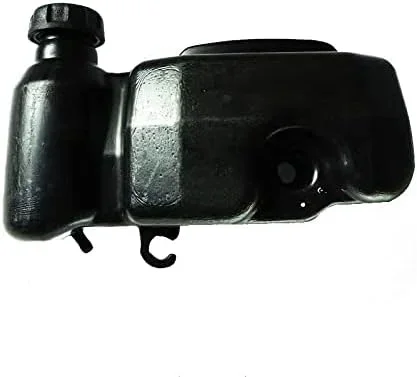
If your Honda HRX217 lawnmower is stalling, sputtering, or failing to start consistently, the fuel tank assembly could be the culprit. This critical component houses the fuel, delivers it to the engine via the fuel line, and often includes integrated features like a fuel cap with venting, filter, and shut-off valve. Over time, these parts can degrade—especially when exposed to modern ethanol-blended fuels—leading to clogs, leaks, or poor fuel flow that directly impacts performance. Replacing a faulty fuel tank assembly isn’t just about restoring function; it’s about ensuring safety, reliability, and long-term efficiency for your mower.
This comprehensive buying guide is designed to help you navigate the often-confusing market for Honda HRX217 fuel tank assemblies. Whether you’re a homeowner tired of mid-mow stalls or a landscaping professional relying on consistent equipment performance, we’ll walk you through everything you need to know before making a purchase. From understanding OEM vs. aftermarket options to evaluating build quality, compatibility, and warranty coverage, this guide equips you with expert-level knowledge to make a confident, informed decision. You’ll also learn where to buy, how to avoid common pitfalls, and what price range offers the best value for your needs.
The market for small engine parts like the HRX217 fuel tank assembly is surprisingly diverse. Original Equipment Manufacturer (OEM) parts from Honda are widely available but can come at a premium. Meanwhile, reputable aftermarket brands offer cost-effective alternatives that may even outperform OEM in certain areas—such as improved materials resistant to ethanol degradation. Online retailers, local lawn equipment dealers, big-box home improvement stores, and specialty small engine shops all carry these components, each with their own pros and cons. With so many options, it’s easy to feel overwhelmed. That’s why this guide breaks down the decision into clear, actionable steps—so you can get your HRX217 running smoothly again without overspending or buying the wrong part.

What to Look for When Buying a Fuel Tank Assembly
1. OEM vs. Aftermarket Compatibility
One of the first decisions you’ll face is whether to go with an OEM (Original Equipment Manufacturer) part directly from Honda or choose an aftermarket alternative. OEM parts are designed specifically for your HRX217 model and guarantee exact fit, material consistency, and performance matching the original. They’re ideal if you prioritize reliability and don’t mind paying a higher price. However, aftermarket parts have come a long way in recent years. Many are engineered to meet or exceed OEM specifications and may use upgraded materials—like ethanol-resistant polymers—that address known weaknesses in the original design. Always verify compatibility by cross-referencing the part number (typically 17510-VH7-A00 or similar for the HRX217 series) and checking fitment notes. A mismatched tank can lead to leaks, poor sealing, or interference with other components.
2. Material Quality and Ethanol Resistance
Modern gasoline often contains up to 10% ethanol (E10), which can degrade certain plastics and rubbers over time. The fuel tank assembly on your HRX217 is no exception. Look for tanks made from high-density polyethylene (HDPE) or other ethanol-resistant polymers that won’t swell, crack, or become brittle. Pay special attention to the fuel line and gaskets—these are common failure points. Some aftermarket kits include upgraded nitrile rubber or Viton-lined fuel lines that resist ethanol corrosion far better than standard OEM versions. If you live in an area with high ethanol blends or store your mower for long periods, investing in a tank with superior chemical resistance can save you from repeat failures.
3. Included Components and Completeness
Not all fuel tank assemblies are created equal in terms of what’s included. A complete kit should contain the tank itself, fuel cap (with proper venting), fuel line, fuel filter, shut-off valve (if applicable), and any necessary gaskets or O-rings. Some budget kits omit the filter or use lower-quality caps that don’t seal properly, leading to vapor lock or contamination. Check product descriptions carefully—many sellers list “tank only” versus “full assembly.” For the HRX217, a full assembly replacement is usually recommended because the integrated design means replacing individual parts can be difficult or impossible without specialized tools. Opting for a complete kit ensures you’re addressing all potential failure points at once.
4. Ease of Installation
Even the best fuel tank assembly is useless if it’s a nightmare to install. The HRX217 has a relatively accessible design, but you’ll still need basic tools and some mechanical confidence. Look for assemblies that come with clear installation instructions, labeled components, and pre-cut fuel lines of the correct length. Some aftermarket kits include helpful extras like zip ties, clamps, or alignment guides. Avoid kits that require extensive modification—such as drilling or trimming—as this increases the risk of leaks or improper fit. If you’re not comfortable doing the work yourself, consider the labor cost of hiring a technician, which can add $50–$100 depending on your location. In such cases, paying slightly more for a foolproof OEM part might be worth it.
5. Warranty and Return Policy
A solid warranty is a strong indicator of a manufacturer’s confidence in their product. OEM Honda parts typically come with a 1-year limited warranty, while reputable aftermarket brands may offer 6 months to 2 years. More importantly, check the retailer’s return policy. Some online sellers allow returns within 30 days even if the part has been opened (as long as it’s not damaged), while others enforce strict “no returns on installed parts” rules. This is crucial because fitment issues aren’t always obvious until you try to install the tank. If a seller doesn’t allow returns or offers only store credit, proceed with caution. A good return policy reduces your risk and gives you peace of mind.
6. Brand Reputation and Reviews
Not all aftermarket brands are equal. Stick to well-known names in the small engine space like Honda (OEM), MTD, Oregon, or PartsPak. Read verified customer reviews—especially those mentioning the HRX217 specifically—to spot recurring issues like poor sealing, brittle plastic, or missing components. Be wary of ultra-cheap listings from unknown sellers on marketplaces like Amazon or eBay; these often use misleading photos or descriptions. Look for sellers with high ratings (4.5+ stars) and detailed feedback. Real-world experiences from other HRX217 owners can reveal hidden flaws that specs alone won’t show. A brand with a proven track record in durability and customer service is always a safer bet.
7. Price vs. Long-Term Value
It’s tempting to grab the cheapest option available, but fuel tank assemblies are not the place to cut corners. A $20 kit might save you money upfront but could fail within a season due to poor materials or missing parts, costing you more in replacements and downtime. Conversely, spending $80+ on an OEM part may be overkill if a $45 aftermarket kit offers comparable quality. Focus on long-term value: how long will it last? Does it include all necessary components? Will it resist ethanol damage? Calculate the cost per year of expected use. For most homeowners, a mid-range aftermarket assembly ($35–$55) offers the best balance of affordability and durability. Professionals or those in harsh climates might justify the OEM premium.
8. Availability and Shipping Time
If your mower is down, you need the part fast. Check estimated delivery times before ordering—some retailers offer same-day or next-day shipping, while overseas sellers can take 2–3 weeks. Local lawn equipment dealers often stock common HRX217 parts and can provide immediate pickup, though at a higher price. Online giants like Amazon, eBay, and specialized sites like Jack’s Small Engines or RepairClinic.com usually have fast shipping and reliable tracking. Consider expedited shipping if you’re on a tight mowing schedule. Also, verify that the seller has the item in stock—not “ships when available”—to avoid delays. Nothing is worse than waiting weeks for a part only to find it’s backordered.
Different Types of Fuel Tank Assemblies

Common Buying Mistakes to Avoid
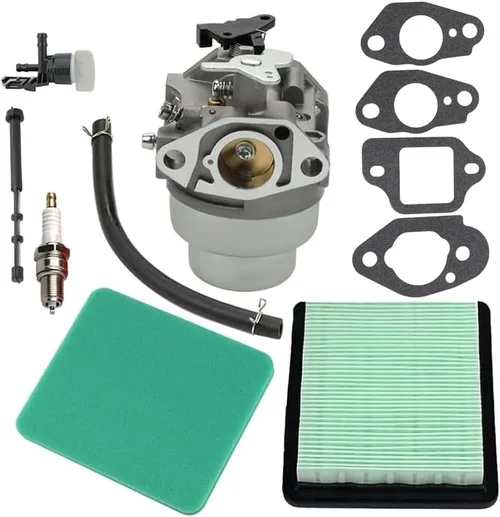
❌ Mistake: Buying Based Solely on Price
Why it’s bad: The cheapest fuel tank assembly often cuts corners on materials and components, leading to premature failure. A $20 kit might save you $40 upfront but could cost you double in replacement parts and labor within a year.
What to do instead: Evaluate total cost of ownership. Consider durability, included parts, and warranty. A $45 mid-range kit that lasts 3+ years is better value than a $20 one that fails in 6 months.
❌ Mistake: Ignoring Ethanol Compatibility
Why it’s bad: Standard plastic and rubber components degrade quickly when exposed to ethanol-blended fuels, causing cracks, leaks, and fuel line swelling. This is a leading cause of HRX217 stalling issues.
What to do instead: Always check product specs for ethanol resistance. Look for terms like “E10 compatible,” “ethanol-resistant polymer,” or “Viton-lined fuel line.” When in doubt, choose OEM or premium aftermarket.
❌ Mistake: Assuming All “Compatible” Parts Are Equal
Why it’s bad: Just because a seller lists “fits Honda HRX217” doesn’t mean it will fit perfectly. Slight variations in tank shape, cap thread, or fuel line length can cause installation headaches or operational issues.
What to do instead: Cross-reference the exact part number (e.g., 17510-VH7-A00) and read fitment notes. Check customer photos and reviews for real-world fit confirmation.
❌ Mistake: Overlooking the Fuel Cap and Venting
Why it’s bad: A faulty or non-vented cap can create vacuum locks, preventing fuel flow and causing stalling—even with a new tank. Many budget kits include generic caps that don’t seal or vent properly.
What to do instead: Ensure the kit includes a vented, OEM-style cap with a proper gasket. Test the cap by blowing into it—air should flow one way only.
❌ Mistake: Skipping the Fuel Filter
Why it’s bad: Without a filter, debris from old fuel or tank corrosion can enter the carburetor, causing clogs and engine damage. Some cheap kits omit the filter entirely.
What to do instead: Only buy assemblies that include a cleanable or replaceable in-line fuel filter. Clean it regularly during maintenance.
❌ Mistake: Not Checking Return Policies Before Buying
Why it’s bad: If the part doesn’t fit or is defective, a strict no-return policy leaves you stuck with a useless component and wasted money.
What to do instead: Always verify the seller’s return window and conditions before purchasing. Prefer retailers with 30-day return windows and free return shipping.
❌ Mistake: Buying from Unverified Sellers
Why it’s bad: Unknown sellers on marketplaces may sell counterfeit, damaged, or incorrect parts. Photos can be misleading, and customer service is often nonexistent.
What to do instead: Stick to authorized dealers, reputable online retailers, or local small engine shops with positive reviews and clear contact information.
Budget Guidelines: How Much Should You Spend?
- Entry-Level ($20–$35): These are typically budget aftermarket kits or used/reconditioned OEM parts. Expect basic materials, possible missing components (like filters), and limited or no warranty. Best for temporary fixes or mowers used infrequently. Not recommended for regular use or high-ethanol fuel areas.
- Mid-Range ($35–$55): This is the sweet spot for most homeowners. Premium aftermarket brands in this range offer ethanol-resistant materials, complete kits with filters and caps, and 6–12 month warranties. They balance cost, quality, and longevity—ideal for typical residential mowing schedules.
- Premium ($55–$80): Includes OEM Honda assemblies and top-tier aftermarket equivalents. You get factory-grade materials, perfect fit, full component inclusion, and strong warranties. Worth it if you rely on your mower for professional work or live in harsh climates.
- Luxury ($80+): Rare for fuel tanks, but some specialty retailers offer upgraded kits with stainless steel components or custom venting systems. Generally unnecessary unless you’re modifying your mower for extreme conditions.
Expert Tips for Getting the Best Deal
- Buy During Off-Season: Late fall and winter are ideal times to purchase small engine parts. Retailers often discount overstock, and you’ll have the part ready for spring. Look for “end-of-season” sales at local dealers or online.
- Compare Retailers Strategically: Check prices across Honda dealers, Amazon, eBay, RepairClinic.com, and Jack’s Small Engines. Sometimes Amazon’s “sold by third party” listings are cheaper but riskier—stick to fulfilled-by-Amazon for faster shipping and better returns.
- Bundle with Other Maintenance Parts: Many sellers offer discounts when you buy multiple items. Pair your fuel tank assembly with a new air filter, spark plug, or carburetor cleaner to save 10–15% overall.
- Use Price Tracking Tools: Set up alerts on Google Shopping or CamelCamelCamel (for Amazon) to notify you when prices drop. Fuel tank assemblies don’t fluctuate wildly, but you can often save $5–$10.
- Verify Seller Authorization: For OEM parts, ensure the seller is an authorized Honda dealer. Counterfeit parts are rare but possible. Authorized dealers are listed on Honda’s official website.
- Inspect Upon Delivery: Before installing, check for cracks, missing parts, or incorrect components. Take photos if anything looks off—this helps with returns or warranty claims.
- Keep Your Old Tank for Reference: If possible, compare the new assembly side-by-side with the old one before installation. This helps confirm fit and identifies any differences in design.
- Document Everything: Save receipts, order confirmations, and warranty info. If issues arise later, you’ll have proof of purchase and terms.
Frequently Asked Questions
Q: Can I replace just the fuel cap or fuel line instead of the whole assembly?
A: While possible in theory, the HRX217’s fuel tank is an integrated unit. The cap, line, and filter are often molded or sealed in place, making individual replacement difficult or impossible without specialized tools. Replacing the entire assembly is usually more reliable and cost-effective in the long run.
Q: Will an aftermarket fuel tank void my Honda warranty?
A: According to the Magnuson-Moss Warranty Act, using aftermarket parts does not automatically void your warranty—unless Honda can prove the part caused the damage. However, some dealers may push back. Keep receipts and choose reputable brands to minimize risk.
Q: How do I know if my stalling is caused by the fuel tank and not the carburetor?
A: Symptoms like hard starting, sputtering at high RPM, or stalling after warming up can point to fuel delivery issues. Check for leaks, clogged filters, or collapsed fuel lines. If the tank shows cracks or the cap doesn’t vent, it’s likely the culprit. A clogged carburetor usually causes consistent poor running, not intermittent stalling.
Q: Are ethanol-free fuels worth it for the HRX217?
A: Yes, if available and affordable. Ethanol-free gas (often labeled “recreational fuel” or “REC-90”) prevents degradation of plastic and rubber components. It’s especially beneficial if you store your mower for months. However, it’s rarely sold at standard gas stations—look for marinas, airports, or specialty fuel retailers.
Q: How often should I replace the fuel tank assembly?
A: There’s no set interval, but most assemblies last 5–7 years with proper maintenance. Replace sooner if you notice cracks, leaks, cloudy fuel, or persistent stalling. Regularly draining old fuel and using stabilizer can extend lifespan.
Q: Can I clean a clogged fuel tank instead of replacing it?
A: You can try flushing it with carburetor cleaner and drying thoroughly, but if the plastic is brittle or the internal components are degraded, cleaning won’t fix the root issue. Replacement is safer and more reliable.
Q: Do I need special tools to install the new assembly?
A: Basic hand tools (screwdrivers, pliers, wrench) are usually sufficient. Some kits include clamps or zip ties. No specialized equipment is needed unless your mower has been modified.
Q: What’s the difference between a vented and non-vented fuel cap?
A: A vented cap allows air to enter the tank as fuel is consumed, preventing vacuum lock. A non-vented cap can cause fuel starvation and stalling. The HRX217 requires a vented cap—check that yours has a small hole or membrane.
Q: Where is the best place to buy a fuel tank assembly online?
A: Top choices include RepairClinic.com (excellent fitment guides), Jack’s Small Engines (trusted specialist), and Amazon (for fast shipping and reviews). Always check return policies and seller ratings.
Q: My new tank leaks after installation. What went wrong?
A: Common causes include over-tightening the cap (cracking the tank), misaligned gaskets, or using incompatible fuel line clamps. Double-check all connections and ensure the cap is snug but not forced. If leaks persist, contact the seller immediately.
Our Final Recommendations
- Best for Budget-Conscious Buyers: PartsPak Fuel Tank Assembly (Part #17510-VH7-A00) – At $42–$48, it includes ethanol-resistant materials, a vented cap, filter, and 1-year warranty. Great value for the price.
- Best Overall Value: OEM Honda Fuel Tank Assembly (Genuine Part #17510-VH7-A00) – Priced around $70–$85, it offers perfect fit, factory reliability, and full warranty support. Ideal for those who want peace of mind.
- Best Premium Option: Oregon Scientific Fuel Tank Kit (Model OR-78921) – Features Viton-lined fuel lines and reinforced HDPE tank. Slightly pricier at $65 but built for harsh conditions and long-term use.
- Best for Beginners: RepairClinic.com Complete HRX217 Fuel Kit – Comes with step-by-step video instructions, labeled parts, and free tech support. Perfect if you’re doing your first repair.
- Best for Advanced Users: Custom Ethanol-Resistant Assembly from SmallEnginePartsPlus.com – Offers upgrade options like stainless steel vents and dual filters. Best for professionals or those in extreme climates.
Conclusion: Making the Right Choice
Choosing the right fuel tank assembly for your Honda HRX217 doesn’t have to be overwhelming. By focusing on compatibility, material quality, included components, and seller reliability, you can avoid common pitfalls and select a solution that restores your mower’s performance—and keeps it running for years to come. Remember, the goal isn’t just to fix the stalling issue today, but to prevent future headaches through smart, informed purchasing.
Prioritize your specific needs: if you’re a weekend warrior with a well-maintained lawn, a mid-range aftermarket kit offers excellent value. If you depend on your HRX217 for daily use or it’s still under warranty, investing in an OEM part makes sense. And no matter what you choose, always verify fitment, read reviews, and understand the return policy before clicking “buy.”
Your lawnmower is more than just a tool—it’s an investment in your property’s appearance and your time. Don’t let a faulty fuel tank assembly keep you from enjoying a perfectly manicured lawn. With the insights from this guide, you’re now equipped to make a confident, cost-effective decision. Order wisely, install carefully, and get back to mowing with confidence.