
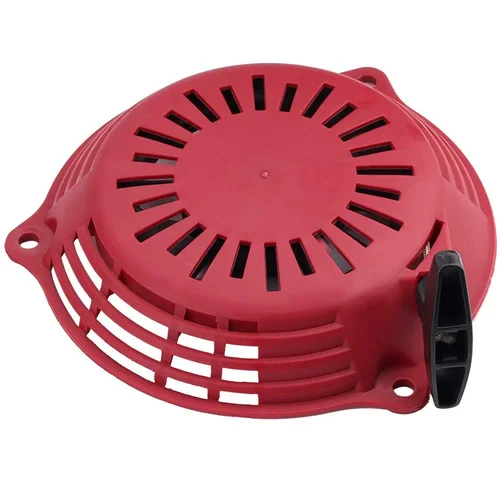
If your Honda HRX217 lawn mower is hard to start, sputtering on ignition, or stalling shortly after firing up, the culprit might not be the spark plug or air filter—it could be a failing fuel tank assembly. While many homeowners instinctively reach for carburetor cleaners or new fuel lines when their mower struggles, the root cause often lies deeper in the fuel delivery system. The fuel tank assembly, though seemingly simple, plays a critical role in maintaining proper fuel pressure, preventing contamination, and ensuring consistent fuel flow to the engine. Over time, plastic tanks can crack, fuel caps can lose their seal, and internal components like the fuel pickup tube or shut-off valve can degrade—especially if ethanol-blended gasoline has been used over several seasons.
This comprehensive buying guide is designed specifically for owners of the Honda HRX217 who are facing hard-starting issues and suspect a faulty or worn-out fuel tank assembly. Whether you’re a seasoned DIYer or a first-time mower repairer, this guide will walk you through everything you need to know—from identifying the signs of a failing fuel tank to selecting the best replacement, comparing types, avoiding common pitfalls, and ultimately making a smart, cost-effective purchase. We’ll cover trusted brands, OEM versus aftermarket options, pricing tiers, and expert tips to help you get your HRX217 back to peak performance without overspending or buying the wrong part.
The market for small engine parts like fuel tank assemblies is surprisingly fragmented. You’ll find everything from genuine Honda OEM parts priced at a premium to budget-friendly aftermarket alternatives that may or may not meet factory specifications. Some sellers offer complete assemblies with gaskets, caps, and mounting hardware, while others sell only the tank itself, requiring you to reuse old components—which can be risky if they’re degraded. Additionally, compatibility varies: not all fuel tanks labeled “for Honda HRX217” are created equal, and some may not fit your specific model year or serial number range. With so many variables at play, making an informed decision requires more than just a quick search. This guide cuts through the noise, offering clarity, actionable advice, and real-world insights so you can confidently replace your fuel tank assembly and restore reliable starts to your mower.

What to Look for When Buying Buying Guide
1. Compatibility with Your HRX217 Model
Before anything else, ensure the fuel tank assembly you’re considering is fully compatible with your specific Honda HRX217 model. Honda has produced several variants of the HRX217 over the years—such as the HRX217HZA, HRX217HMA, and HRX217TDA—each potentially using slightly different fuel system configurations. Even minor differences in tank shape, mounting points, or fuel line connections can render a part unusable. Always cross-reference the part number (typically found on the original tank or in your owner’s manual) with the replacement. Genuine Honda part numbers for the HRX217 fuel tank assembly usually start with 17510- or 17670-, depending on the submodel. If you’re unsure, consult your mower’s serial number using Honda’s official parts lookup tool or contact a certified dealer. Buying an incompatible tank is one of the most common and frustrating mistakes—don’t let it happen to you.
2. OEM vs. Aftermarket Quality
You’ll quickly notice a split in the market: genuine Honda OEM (Original Equipment Manufacturer) parts versus third-party aftermarket alternatives. OEM parts are made to Honda’s exact specifications, ensuring perfect fit, durability, and performance. They’re typically constructed from high-density polyethylene (HDPE) resistant to ethanol corrosion and UV degradation. Aftermarket parts, on the other hand, vary widely in quality. Some reputable brands like Oregon, Rotary, or FixTech produce reliable, cost-effective alternatives that meet or exceed OEM standards. However, cheaper no-name brands may use inferior plastics that crack under pressure or degrade quickly when exposed to modern fuels. While OEM is ideal for long-term reliability, a well-reviewed aftermarket option can save you 30–50% without sacrificing much in performance—just be sure to read verified buyer reviews and check for certifications or warranties.
3. Material and Build Quality
The material of the fuel tank is critical to its longevity, especially given the corrosive nature of today’s ethanol-blended gasoline. Look for tanks made from high-quality, fuel-resistant HDPE that won’t swell, crack, or leach chemicals over time. Avoid tanks made from thin, brittle plastics or those with visible seams or weak weld lines—these are prone to leaks. Additionally, check the quality of included components: the fuel cap should have a proper venting system to prevent vacuum lock (a common cause of hard starting), and the fuel pickup tube should be securely attached and resistant to clogging. Some premium assemblies include a built-in fuel filter or shut-off valve, which can simplify maintenance and improve reliability. A well-built tank should feel solid, have smooth edges, and show no signs of warping or discoloration.
4. Included Components and Completeness
Not all fuel tank assemblies are sold as complete kits. Some include only the bare tank, while others come with essential accessories like gaskets, mounting bolts, fuel caps, and even new fuel lines. For the HRX217, a complete assembly typically includes the tank, cap with seal, fuel shut-off valve, and sometimes a fuel filter. Reusing old gaskets or caps can lead to leaks or pressure issues, so it’s wise to opt for a kit that includes fresh sealing components. Check the product description carefully—many sellers list “tank only” or “assembly with cap,” so don’t assume everything is included. A complete kit saves time, reduces the risk of reusing degraded parts, and ensures a proper seal right out of the box.
5. Warranty and Return Policy
A solid warranty is a strong indicator of a manufacturer’s confidence in their product. Genuine Honda parts usually come with a 1-year limited warranty, while reputable aftermarket brands may offer 6 months to a year. Avoid sellers or brands that offer no warranty or only a 30-day return window—this often signals low-quality components. Additionally, check the return policy: can you return the part if it doesn’t fit? Is there a restocking fee? Some online retailers like Amazon or eBay offer buyer protection, but others may not. If you’re buying from a small parts website, ensure they accept returns for compatibility issues. A good warranty and flexible return policy give you peace of mind and protect your investment.
6. Price vs. Value
Price is important, but it shouldn’t be the only factor. A $40 aftermarket tank might seem like a bargain compared to a $90 OEM unit, but if it fails in six months due to poor materials, you’ve wasted time and money. Conversely, paying top dollar for OEM doesn’t always guarantee better performance if your mower is older and you’re planning to upgrade soon. Consider the total cost of ownership: how long will the part last? Will it require additional purchases (like new gaskets)? Does it come with support? Mid-range aftermarket parts from trusted brands often offer the best balance of price and durability. Set a budget, but prioritize value—look for parts that deliver reliability, compatibility, and longevity without unnecessary markup.
7. Seller Reputation and Customer Support
Where you buy matters as much as what you buy. Stick to reputable retailers like Honda Power Equipment dealers, established online parts stores (e.g., Jack’s Small Engines, PartsWarehouse.com), or major marketplaces with strong seller ratings. Avoid unknown websites with poor reviews or no contact information. A trustworthy seller will provide detailed product descriptions, clear photos, compatibility charts, and responsive customer service. If you have questions about fitment or installation, they should be able to help. Additionally, check if the seller offers installation guides or technical support—some even provide video tutorials for common repairs. Good customer support can make the difference between a smooth repair and a frustrating experience.
8. User Reviews and Real-World Feedback
Never underestimate the power of customer reviews. Look for feedback from other HRX217 owners who’ve installed the same fuel tank assembly. Pay attention to comments about fit, ease of installation, durability, and whether the hard-starting issue was resolved. Be wary of products with only a handful of reviews or those with generic, overly positive feedback (which may be fake). Instead, focus on detailed reviews that mention specific model numbers, installation challenges, or long-term performance. Sites like Amazon, eBay, and specialized forums (e.g., LawnSite.com) are excellent sources of honest, real-world insights. If multiple users report leaks, poor fit, or premature failure, it’s a red flag—no matter how attractive the price.
Different Types of Buying Guide
Common Buying Mistakes to Avoid
❌ Mistake: Buying Based on Price Alone
Why it’s bad: Opting for the cheapest fuel tank assembly might save you $20 upfront, but low-cost no-name brands often use substandard materials that crack, leak, or fail within months. Ethanol-blended fuel accelerates degradation in poor-quality plastics, leading to recurring hard-starting issues and potential safety hazards.
What to do instead: Prioritize value over price. Look for mid-tier aftermarket brands with strong reviews and warranties. A $55 tank that lasts three seasons is a better investment than a $30 one that fails in six months.
❌ Mistake: Ignoring Model-Specific Compatibility
Why it’s bad: The HRX217 has multiple submodels with slight variations in fuel system design. Installing a tank meant for an HRX215 or HRX217HZA on an HRX217TDA could result in misaligned mounting holes, incorrect fuel line connections, or improper venting—leading to leaks or engine starvation.
What to do instead: Always verify compatibility using your mower’s serial number and model code. Cross-check the part number with Honda’s official database or consult a dealer before purchasing.
❌ Mistake: Reusing Old Gaskets and Caps
Why it’s bad: Even if you buy a new tank, reusing old gaskets, O-rings, or fuel caps can compromise the seal. Degraded caps lose their venting ability, creating vacuum locks that prevent fuel flow and cause hard starting—exactly the problem you’re trying to fix.
What to do instead: Replace all sealing components with new ones. Opt for a complete assembly kit that includes a new cap with vent and fresh gaskets to ensure a proper, leak-free installation.
❌ Mistake: Overlooking the Fuel Cap Vent
Why it’s bad: A clogged or non-venting fuel cap is a common but often overlooked cause of hard starting. Without proper venting, a vacuum forms in the tank as fuel is consumed, restricting flow to the carburetor. Many buyers replace the tank but forget to check or replace the cap.
What to do instead: Test the cap by loosening it slightly when the mower won’t start—if it fires up, the cap is the issue. Always replace the cap with a vented, OEM-spec version.
❌ Mistake: Buying from Unverified Sellers
Why it’s bad: Unknown online sellers may list counterfeit or mislabeled parts. You could receive a tank that looks similar but doesn’t fit, or worse—contains harmful chemicals that degrade fuel lines.
What to do instead: Purchase from authorized Honda dealers, reputable small engine parts retailers, or well-reviewed marketplace sellers with clear return policies and customer support.
❌ Mistake: Skipping the Fuel System Flush
Why it’s bad: Simply replacing the tank without cleaning the fuel lines, carburetor, and shut-off valve can leave old, contaminated fuel in the system. This sludge can clog the new tank’s pickup tube or re-contaminate the fresh fuel.
What to do instead: After installing the new tank, drain and flush the entire fuel system. Use a fuel system cleaner and consider rebuilding or cleaning the carburetor to ensure optimal performance.
❌ Mistake: Assuming All “HRX217” Tanks Are Identical
Why it’s bad: Honda has updated the HRX217 design over the years, including changes to tank shape, mounting brackets, and fuel valve placement. A tank from a 2010 model may not fit a 2018 version, even if both are labeled HRX217.
What to do instead: Check the year and serial number range listed in the product description. When in doubt, contact the seller with your mower’s exact model and serial number for confirmation.
Budget Guidelines: How Much Should You Spend?
- Entry-Level ($25–$40): This tier includes budget aftermarket tanks from no-name brands. While they may fit and function initially, they often use thin, low-grade plastics that degrade quickly with ethanol fuel. Expect a lifespan of 6–12 months under normal use. Best for temporary fixes or mowers you plan to replace soon. Avoid if you rely on your HRX217 for regular lawn care.
- Mid-Range ($45–$70): This is the sweet spot for most homeowners. Reputable aftermarket brands like Oregon, Rotary, or FixTech offer tanks made from durable HDPE with proper venting and included gaskets. These typically last 2–3 seasons and offer excellent value. Many come with 6–12 month warranties and are compatible with multiple HRX217 submodels.
- Premium ($75–$100): Genuine Honda OEM assemblies fall into this range. They offer perfect fit, factory-tested materials, and full warranty coverage. Ideal for long-term owners, warranty-sensitive buyers, or those restoring a high-value mower. While more expensive, they provide peace of mind and maximum reliability.
- Luxury ($100+): Some complete repair kits or specialty assemblies (e.g., with upgraded fuel filters or shut-off valves) exceed $100. These are best for enthusiasts performing full fuel system overhauls or commercial users needing maximum uptime. Unless you’re doing a comprehensive restoration, this tier is usually overkill for typical homeowners.

Expert Tips for Getting the Best Deal
- Buy During Off-Season: Lawn mower parts are often discounted in late fall and winter when demand is low. Retailers clear inventory to make room for spring stock. You can save 15–25% by purchasing your fuel tank assembly between November and February.
- Check Honda Dealer Promotions: Authorized Honda dealers occasionally run parts specials, especially during trade-in events or seasonal sales. Sign up for their newsletters or call local dealers to ask about upcoming promotions.
- Compare Total Cost: Don’t just look at the part price. Factor in shipping, taxes, and whether gaskets or caps are included. A $50 tank with $15 shipping and no cap may end up costing more than a $65 kit with free shipping and all components.
- Use Price Tracking Tools: Websites like CamelCamelCamel (for Amazon) or Honey can alert you when prices drop on specific fuel tank assemblies. Set a price alert and wait for a deal.
- Consider Bundling: Some retailers offer discounts when you buy multiple parts together—e.g., fuel tank + air filter + spark plug. If your mower needs other maintenance, bundling can save you 10–20%.
- Read the Fine Print on Returns: Ensure the seller accepts returns for compatibility issues. Some only allow returns if the item is defective, not if it doesn’t fit your model.
- Ask for Help: If you’re unsure about compatibility, contact the seller with your HRX217’s model and serial number. Reputable sellers will confirm fitment before you buy.
- Test Before Finalizing: Once installed, run the mower and check for leaks, proper fuel flow, and smooth starting. If issues persist, inspect the cap vent and fuel lines—sometimes the problem isn’t the tank alone.

Frequently Asked Questions
Q: How do I know if my fuel tank assembly is the cause of hard starting?
A: Start by ruling out other common causes: check the spark plug, air filter, and carburetor. If those are fine, inspect the fuel tank for cracks, leaks, or a clogged cap. Try loosening the fuel cap slightly—if the mower starts easily, the cap isn’t venting properly. Also, listen for a hissing sound when you remove the cap; this indicates a vacuum lock. If the tank is cracked or the pickup tube is broken, fuel won’t reach the engine consistently.
Q: Can I repair a cracked fuel tank instead of replacing it?
A: While epoxy or plastic welding kits exist, they’re not recommended for fuel tanks. Ethanol-blended gasoline can degrade repaired areas quickly, leading to leaks and safety risks. Replacement is the safest and most reliable solution.
Q: Do I need special tools to replace the fuel tank assembly?
A: No, most HRX217 fuel tank replacements require only basic hand tools: a socket wrench, screwdriver, and pliers. The process typically involves draining the fuel, disconnecting the fuel line, removing mounting bolts, and swapping the old tank for the new one. Always work in a well-ventilated area and have a fire extinguisher nearby.
Q: How long does a fuel tank assembly typically last?
A: With proper maintenance and ethanol-free fuel, a high-quality tank can last 5–7 years. However, most fail between 3–5 years due to ethanol corrosion, UV exposure, or physical damage. Regular inspection can help catch issues early.
Q: Are aftermarket fuel tanks safe to use?
A: Yes, if they’re from reputable brands and made from fuel-resistant HDPE. Avoid cheap, unbranded tanks with no material specifications. Look for certifications or mentions of ethanol compatibility in the product description.
Q: Will a new fuel tank fix all hard-starting issues?
A: Not always. While a faulty tank is a common cause, hard starting can also stem from carburetor issues, stale fuel, faulty ignition coils, or clogged fuel lines. Replacing the tank is a good first step, but be prepared to address other components if problems persist.
Q: Can I use a fuel tank from a different Honda mower model?
A: Generally, no. Even small differences in mounting points, fuel line connections, or venting systems can cause fitment or performance issues. Stick to parts specifically designed for the HRX217 series.
Q: Should I replace the fuel lines when changing the tank?
A: Yes, it’s highly recommended. Old fuel lines can harden, crack, or restrict flow. Replacing them ensures optimal fuel delivery and prevents future leaks. Most complete kits include new lines.
Q: Is it worth upgrading to a shut-off valve?
A: If your current tank doesn’t have one, adding a shut-off valve is a smart upgrade. It allows you to stop fuel flow during storage, preventing carburetor flooding and reducing the risk of leaks. Some aftermarket assemblies include this feature.
Q: Where can I find my HRX217’s model and serial number?
A: The model and serial number are usually stamped on a label under the mower’s handle or on the side of the engine deck. You’ll need both to ensure accurate part compatibility.
Our Final Recommendations
- Best for Budget-Conscious Buyers: Oregon 49-840 Fuel Tank Assembly – Priced around $55, this aftermarket tank is made from durable HDPE, includes a new cap and gasket, and fits multiple HRX217 models. It offers excellent value and comes with a 1-year warranty.
- Best Overall Value: Rotary 68-175 Fuel Tank Kit – At $65, this complete kit includes the tank, cap, shut-off valve, and fuel line. It’s well-reviewed for fit and durability, making it ideal for most homeowners seeking reliability without OEM pricing.
- Best Premium Option: Genuine Honda 17510-VH7-A00 Fuel Tank Assembly – For those who want factory-perfect fit and maximum longevity, this OEM part is the gold standard. Priced around $95, it’s backed by Honda’s warranty and designed specifically for the HRX217 series.
- Best for Beginners: FixTech Complete Fuel System Repair Kit – This all-in-one kit ($75) includes the tank, cap, gaskets, fuel line, and step-by-step installation guide. Perfect for first-time DIYers who want everything in one box.
- Best for Advanced Users: Custom-Modified OEM Tank with Upgraded Shut-Off Valve – For enthusiasts doing a full fuel system overhaul, consider sourcing a genuine Honda tank and adding a high-flow shut-off valve and inline filter for enhanced performance and maintenance ease.
Conclusion: Making the Right Choice
Replacing the fuel tank assembly on your Honda HRX217 is a manageable repair that can dramatically improve starting performance and extend the life of your mower. The key to success lies in choosing the right part—one that matches your model, fits your budget, and delivers reliable performance over time. As we’ve explored, this means prioritizing compatibility, material quality, and completeness, while avoiding common pitfalls like reusing old components or buying from untrusted sellers.
Remember, the cheapest option isn’t always the best, and the most expensive isn’t always necessary. For most homeowners, a mid-range aftermarket assembly from a reputable brand offers the ideal balance of cost, quality, and durability. Take the time to verify your model number, read real user reviews, and consider the total value—not just the price tag. And don’t forget to inspect and replace related components like the fuel cap and lines to ensure a complete fix.
Your HRX217 is a precision-engineered machine designed to deliver years of reliable service. By investing in the right fuel tank assembly and following proper installation practices, you’re not just solving a hard-starting issue—you’re preserving the performance, efficiency, and longevity of your mower. So take action today: diagnose the problem, choose wisely, and get back to mowing with confidence.