
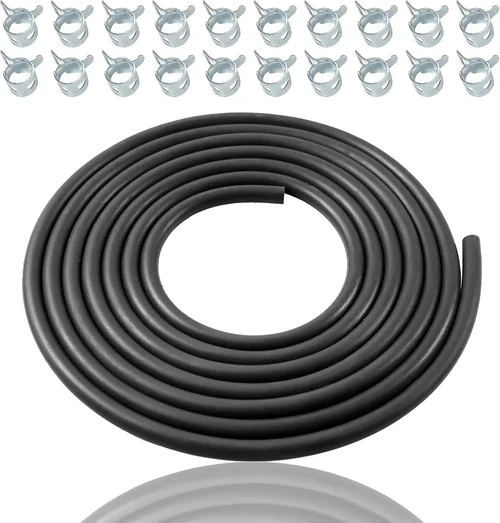
If your Honda HRX217 lawn mower is stalling unexpectedly—especially after running for a few minutes—you’re not alone. This frustrating issue affects countless homeowners each mowing season, often traced back to a deteriorating or clogged fuel line system. The HRX217 is one of Honda’s most popular residential mowers, praised for its reliability, cutting precision, and GCV engine performance. But even the best machines need maintenance, and when it comes to fuel delivery, the humble fuel line kit plays a surprisingly critical role.
A failing fuel line can cause intermittent fuel flow, air leaks, vapor lock, or complete blockages—all of which lead to stalling, hard starts, or poor engine performance. Replacing the fuel line isn’t just a quick fix; it’s a preventive maintenance step that ensures consistent fuel delivery, protects your carburetor from debris, and extends the life of your mower. Yet, many owners struggle to find the right replacement kit, unsure of compatibility, quality, or where to buy with confidence. That’s where this guide comes in.
In this comprehensive buying guide, we’ll walk you through everything you need to know about selecting and purchasing a fuel line kit specifically for the Honda HRX217. You’ll learn how to identify the root cause of stalling, understand the key features of a high-quality fuel line kit, compare different types and brands, avoid common purchasing mistakes, and make an informed decision based on your budget and needs. Whether you’re a DIY enthusiast or a first-time mower owner, this guide will equip you with expert-level knowledge to get your HRX217 running smoothly again—without the guesswork.
The market for small engine parts has exploded in recent years, with online retailers, specialty lawn equipment stores, and even big-box home improvement chains offering fuel line kits. However, not all kits are created equal. Some are generic, poorly labeled, or made from substandard materials that degrade quickly under heat and fuel exposure. Others may claim compatibility with the HRX217 but lack the precise inner diameter, length, or fittings required for proper installation. This guide cuts through the noise, focusing exclusively on what matters for your Honda HRX217: compatibility, durability, ease of installation, and long-term reliability.
By the end of this article, you’ll know exactly what to look for, where to shop, how much to spend, and how to avoid the pitfalls that lead to wasted time and money. We’ll also share expert tips on installation, maintenance, and troubleshooting, so you can tackle this repair with confidence. Whether you’re replacing a cracked fuel line or upgrading to a more durable setup, this guide ensures you make the right choice—the first time.

What to Look for When Buying Buying Guide
1. Compatibility with Honda HRX217
Compatibility is the single most important factor when selecting a fuel line kit for your Honda HRX217. This model uses a specific fuel system configuration, including a fuel tank, shut-off valve, fuel filter, carburetor, and connecting lines. The fuel line must match the original specifications in terms of inner diameter (typically 3/16″ or 4.8mm), outer diameter, and length to ensure proper fuel flow and secure connections.
Using an incompatible line—even one that looks similar—can result in leaks, restricted fuel flow, or difficulty fitting onto the carburetor or fuel valve. Always verify that the kit is explicitly listed as compatible with the Honda HRX217 (models HXA, HXAE, VXA, VXAE, etc.) and the GCV190 engine. Check the product description, customer Q&A sections, or manufacturer documentation to confirm fitment. Some kits are universal and may require trimming or modification, but for reliability, a direct-fit OEM or OEM-equivalent kit is ideal.
2. Material Quality and Fuel Resistance
The material of the fuel line directly impacts its longevity and performance. Low-quality rubber or PVC lines can swell, crack, or degrade when exposed to modern ethanol-blended fuels, leading to leaks and engine stalling. Look for fuel lines made from nitrile rubber (NBR), Viton, or high-grade synthetic rubber designed for small engines. These materials resist fuel degradation, temperature fluctuations, and UV exposure.
Ethanol in gasoline (up to 10% in most regions) is particularly harsh on older or inferior fuel lines. Over time, it can cause the inner lining to break down, leading to clogged carburetors or air leaks. A high-quality fuel line kit should be labeled as “ethanol-resistant” or “fuel-safe.” Avoid kits made from clear PVC or soft plastic tubing, as these are often not rated for long-term fuel exposure and can fail within a single season.
3. Kit Completeness and Included Components
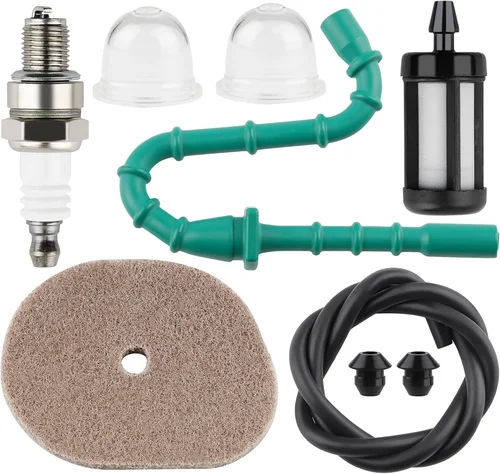
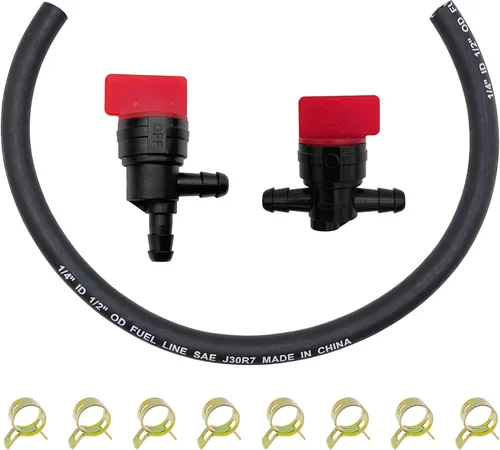
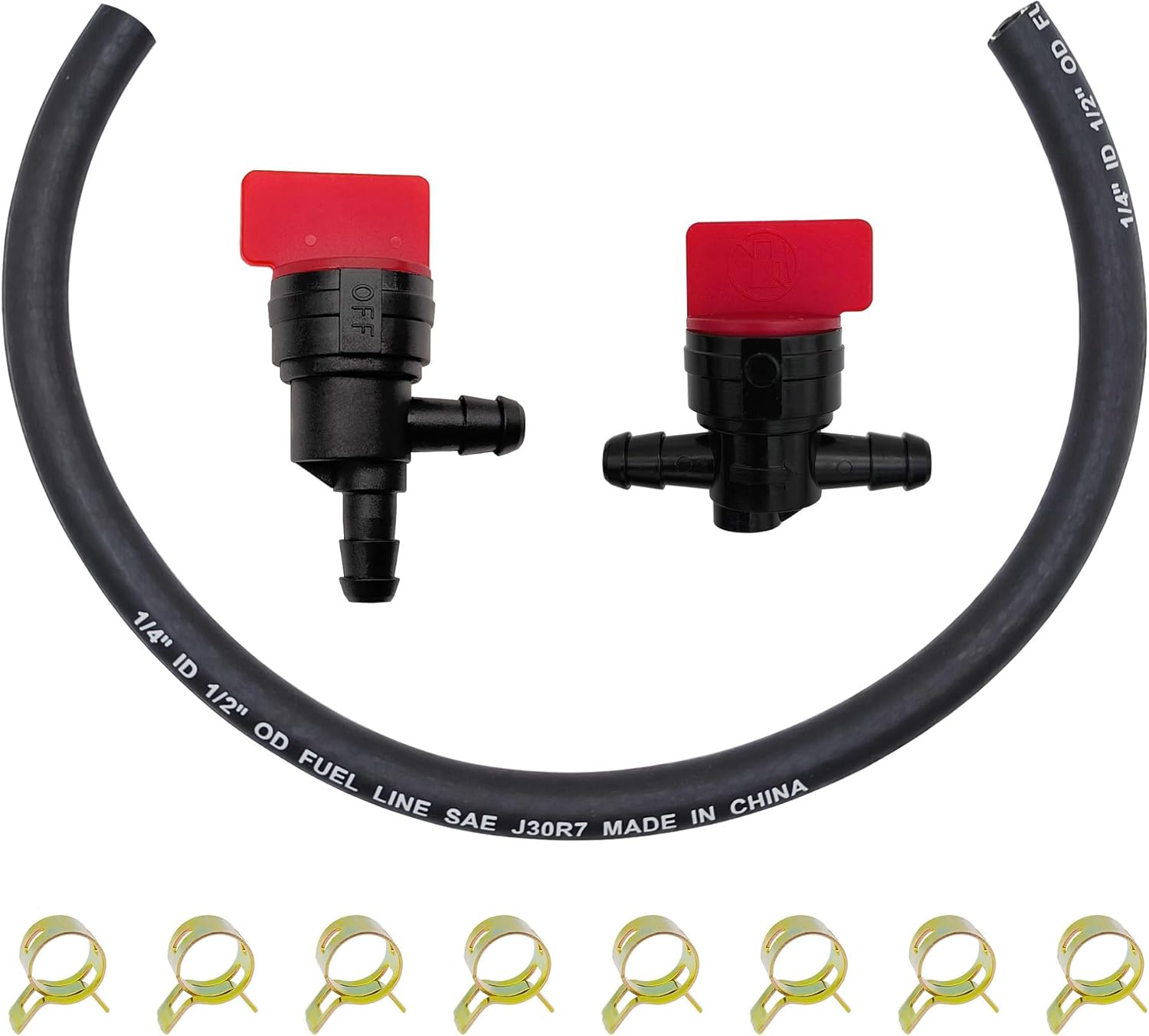
A good fuel line kit should include more than just the tubing. For a complete repair, look for kits that come with essential components such as a new fuel filter, fuel shut-off valve, clamps, and grommets. The Honda HRX217 uses a small inline fuel filter between the tank and carburetor, and replacing it simultaneously with the fuel line ensures optimal fuel cleanliness.
Some premium kits also include installation tools, such as needle-nose pliers or tubing cutters, or detailed instructions with diagrams. A complete kit saves you from having to purchase additional parts separately and reduces the risk of using old, worn components that could compromise the repair. Always check the product listing to see what’s included—don’t assume all kits are equally comprehensive.
4. Ease of Installation
Even the best fuel line kit is useless if it’s too difficult to install. The HRX217 has a compact engine compartment, so the fuel line must be flexible enough to route properly without kinking. Pre-cut lines with the correct length and pre-installed fittings can significantly simplify the process.
Look for kits that include clear instructions, especially if you’re a beginner. Some brands provide video tutorials or step-by-step guides specific to the HRX217. Additionally, fuel lines with reinforced ends or barbed fittings ensure a secure connection to the carburetor and fuel valve, reducing the chance of leaks. If the kit requires you to cut the line yourself, make sure it comes with a sharp tubing cutter or precise measurements to avoid uneven cuts that can lead to poor seals.
5. Brand Reputation and Reliability
Not all aftermarket brands are equal. Stick with reputable manufacturers known for small engine parts, such as Honda Genuine Parts, Briggs & Stratton, Stens, Oregon, or Echo. These companies have a track record of producing durable, precision-engineered components that meet or exceed OEM standards.
While generic or no-name brands may be cheaper, they often lack quality control and may not last beyond a single mowing season. Reading customer reviews can help identify brands that consistently deliver reliable products. Look for feedback mentioning “fits perfectly,” “no leaks,” or “resolved stalling issue” to gauge real-world performance. Avoid kits with multiple reports of cracking, poor fit, or missing components.
6. Warranty and Customer Support
A warranty is a strong indicator of a manufacturer’s confidence in their product. Most reputable fuel line kits come with a 1-year warranty against defects in materials or workmanship. This protects you in case the line fails prematurely due to manufacturing flaws.
Additionally, consider the availability of customer support. If you encounter installation issues or receive a defective part, can you easily contact the seller or manufacturer? Brands with responsive support teams and clear return policies offer peace of mind, especially when ordering online. Check the retailer’s return window—30 days is standard, but some offer 60 or 90 days, which is helpful if you don’t install the kit immediately.
7. Price vs. Value
Price is important, but it shouldn’t be the only deciding factor. A $5 fuel line kit may seem like a bargain, but if it fails in three months, you’ve wasted time and money. Conversely, a $25 kit from a trusted brand may last three seasons, offering far better long-term value.
Consider the total cost of ownership: the price of the kit, potential need for additional tools or parts, and the time spent on replacement. Mid-range kits ($10–$20) often provide the best balance of quality and affordability. They’re typically made from durable materials, include essential components, and are backed by solid warranties. Avoid ultra-cheap kits unless you’re doing a temporary fix or have verified positive reviews from HRX217 owners.
8. User Reviews and Real-World Feedback
User reviews are one of the most valuable resources when shopping for a fuel line kit. They provide insights that product descriptions often omit, such as actual fit, ease of installation, and performance after several months of use. Look for reviews from verified purchasers who mention the Honda HRX217 specifically.
Pay attention to recurring themes: if multiple users report that a kit “stopped stalling immediately” or “fit like OEM,” it’s a strong endorsement. Conversely, if several reviews mention “leaks after a week” or “wrong size,” steer clear. Use review filters to sort by “most recent” or “most helpful” to get the most relevant feedback. Forums like Reddit’s r/MechanicAdvice or lawn care communities can also provide firsthand experiences from HRX217 owners.
Different Types of Buying Guide

Common Buying Mistakes to Avoid
❌ Mistake: Buying Based Solely on Price
Why it’s bad: Choosing the cheapest fuel line kit to save a few dollars often leads to frustration. Low-cost kits are frequently made from inferior materials that crack, swell, or degrade quickly, especially when exposed to ethanol-blended fuels. This can result in repeated stalling, fuel leaks, or even carburetor damage from debris.
What to do instead: Focus on value, not just price. Invest in a mid-range kit ($10–$20) from a reputable brand. These kits offer better materials, include essential components, and are more likely to last multiple seasons. Think of it as preventive maintenance—spending a little more now saves you time and money in the long run.
❌ Mistake: Ignoring Compatibility Details
Why it’s bad: Assuming all 3/16″ fuel lines are the same is a common error. The Honda HRX217 requires a specific inner diameter, length, and flexibility to route properly without kinking. Using a line that’s too stiff or the wrong length can cause fuel flow issues or make installation nearly impossible.
What to do instead: Always verify compatibility. Check the product description for “Honda HRX217” or “GCV190 engine.” If in doubt, contact the seller or consult Honda’s parts catalog. When possible, choose a kit labeled as “direct fit” or “OEM replacement” to ensure a hassle-free installation.
❌ Mistake: Overlooking the Fuel Filter
Why it’s bad: Replacing only the fuel line while leaving the old, clogged fuel filter in place undermines the entire repair. A dirty filter restricts fuel flow, causing the same stalling issues you’re trying to fix. It’s like changing the oil but reusing the old filter.
What to do instead: Always replace the fuel filter when installing a new fuel line. Look for kits that include a new filter, or purchase one separately if needed. This ensures clean fuel reaches the carburetor and prevents future problems.
❌ Mistake: Skipping the Shut-Off Valve
Why it’s bad: The fuel shut-off valve allows you to stop fuel flow during maintenance or storage. If it’s cracked or leaking, it can cause air leaks that lead to hard starts or stalling. Ignoring it during a fuel line replacement is a missed opportunity for a complete repair.
What to do instead: Inspect the shut-off valve when replacing the fuel line. If it shows signs of wear, replace it. Many complete kits include a new valve, or you can buy one separately. This small step improves safety and makes future maintenance easier.
❌ Mistake: Buying from Unverified Sellers
Why it’s bad: Purchasing from unknown online sellers or auction sites increases the risk of receiving counterfeit, damaged, or incorrect parts. These sellers often have poor return policies and no customer support, leaving you stuck with a defective kit.
What to do instead: Buy from authorized dealers, reputable online retailers (like Amazon, eBay Top Rated Sellers, or lawn equipment specialists), or directly from Honda. Check seller ratings, return policies, and customer service options before purchasing.
❌ Mistake: Not Reading Installation Instructions
Why it’s bad: Rushing into installation without understanding the routing or connection points can lead to mistakes. Incorrectly installed fuel lines can kink, leak, or disconnect, causing engine problems or fuel spills.
What to do instead: Take time to review the instructions, even if you’ve done this before. Take photos of the old setup before disconnecting anything. This helps you remember the routing and makes reassembly easier. If the kit includes a diagram, use it as a guide.
❌ Mistake: Delaying the Repair
Why it’s bad: Continuing to use a mower with a failing fuel line can cause further damage. Restricted fuel flow stresses the engine, and debris from a degraded line can clog the carburetor, requiring a costly cleaning or replacement.
What to do instead: Address stalling issues promptly. If your HRX217 stalls after running for a few minutes, especially when hot, suspect the fuel system. Replacing the fuel line is a quick, inexpensive fix that can restore performance and prevent bigger problems.
Budget Guidelines: How Much Should You Spend?
When it comes to fuel line kits for the Honda HRX217, your budget should reflect the importance of reliability and longevity. Here’s a breakdown of what to expect at different price points:
Entry-Level ($5–$9): These kits are typically universal or generic, often sold in bulk or as part of small engine repair packs. While they may fit, the materials are usually low-grade rubber or PVC that degrade quickly with ethanol fuels. They often lack a fuel filter or shut-off valve and may require trimming. Best for temporary fixes or emergency use, but not recommended for long-term reliability.
Mid-Range ($10–$18): This is the sweet spot for most HRX217 owners. Kits in this range are usually from reputable aftermarket brands, made from ethanol-resistant materials, and include a fuel filter. They offer a good balance of quality, compatibility, and value. Many come with clear instructions and a 1-year warranty. Ideal for DIYers who want a durable, hassle-free repair.
Premium ($19–$25): Premium kits often include OEM-quality components or are genuine Honda parts. They may feature reinforced tubing, pre-cut lengths, and complete sets with clamps, grommets, and valves. These are perfect for those who want the best possible performance and don’t mind paying a little extra for peace of mind. Great for high-use mowers or those in harsh climates.
Luxury ($26+): At this price, you’re likely buying a complete fuel system overhaul kit or a specialty eco-friendly line. These kits may include advanced materials like Viton tubing, biodegradable components, or custom routing solutions. While overkill for most homeowners, they’re ideal for enthusiasts, professional landscapers, or those prioritizing sustainability.
Expert Tips for Getting the Best Deal
Getting the right fuel line kit doesn’t have to break the bank. With a few smart strategies, you can save money and ensure you’re buying a quality product. Here are expert tips to help you get the best deal:
- Buy During Off-Season: Lawn mower parts are often discounted in late fall and winter when demand is low. Stock up during these months to save 10–20% on fuel line kits and other maintenance items.
- Check for Bundled Deals: Some retailers offer discounts when you buy multiple parts together. Look for kits that include air filters, spark plugs, and oil along with the fuel line—this can save you money on future maintenance.
- Use Price Tracking Tools: Websites like CamelCamelCamel (for Amazon) or Honey can alert you when a fuel line kit drops in price. Set a tracker for your preferred product and buy when it hits your target price.
- Shop at Authorized Dealers: Honda-authorized dealers often have promotions or loyalty programs. They also guarantee genuine parts, so you avoid counterfeit risks.
- Read Return Policies Carefully: Make sure the seller offers a 30-day return window and covers return shipping if the part is defective. This protects you if the kit doesn’t fit or arrives damaged.
- Consider Local Lawn Equipment Stores: While online shopping is convenient, local stores may offer in-person advice, immediate pickup, and the ability to inspect the product before buying. Some even provide free installation tips.
- Join Online Communities: Lawn care forums and Facebook groups often share discount codes, sale alerts, and personal recommendations. Members frequently post about where they found the best deals on HRX217 parts.
- Test Before Finalizing: After installation, run the mower for 10–15 minutes and check for leaks, proper fuel flow, and smooth operation. If the stalling issue persists, double-check connections or consider a carburetor cleaning.
Frequently Asked Questions
Q: How do I know if my Honda HRX217 fuel line is bad?
A: Common signs include stalling after a few minutes of operation, hard starting, fuel leaks around the carburetor or tank, or visible cracks and brittleness in the line. If the mower runs briefly then dies—especially when hot—it’s often a fuel delivery issue. Inspect the line for swelling, soft spots, or dry rot.
Q: Can I replace the fuel line myself?
A: Yes, replacing the fuel line on an HRX217 is a straightforward DIY job that takes 15–30 minutes. You’ll need basic tools like pliers, a screwdriver, and possibly a tubing cutter. Follow the routing of the old line and ensure all connections are secure. Always disconnect the spark plug before starting for safety.
Q: Do I need to replace the carburetor when changing the fuel line?
A: Not necessarily. If the carburetor is clean and functioning properly, replacing the fuel line and filter is usually sufficient. However, if the mower still stalls after the repair, the carburetor may be clogged and need cleaning or rebuilding.
Q: Are ethanol-free fuels better for my HRX217?
A: Yes, ethanol-free gasoline reduces stress on fuel lines and carburetors, extending their life. If available in your area, using ethanol-free fuel can prevent premature degradation and improve engine performance.
Q: How often should I replace the fuel line?
A: Honda recommends inspecting the fuel line annually. Replace it every 2–3 years or sooner if you notice signs of wear. In areas with high ethanol content in fuel, more frequent replacement may be needed.
Q: Can I use a universal fuel line kit?
A: You can, but it’s not ideal. Universal kits may require cutting and may not include the correct fittings or filter. For best results, choose a kit specifically designed for the HRX217 or GCV190 engine.
Q: Where is the best place to buy a fuel line kit?
A: Top options include Honda Parts Now, Jack’s Small Engines, Amazon (from verified sellers), and local lawn equipment dealers. These sources offer reliable shipping, good return policies, and customer support.
Q: Will a new fuel line fix my stalling problem?
A: In many cases, yes—especially if the stalling occurs after the engine warms up. A degraded fuel line can cause vapor lock or air leaks, disrupting fuel flow. However, if the issue persists, check the carburetor, spark plug, and air filter as well.
Q: Are OEM parts worth the extra cost?
A: OEM parts offer guaranteed compatibility and quality, but aftermarket premium kits can be just as good—and often cheaper. If budget is a concern, choose a reputable aftermarket brand with positive HRX217 reviews.
Q: What tools do I need for installation?
A: Basic hand tools are sufficient: needle-nose pliers, flathead screwdriver, and possibly a tubing cutter. Some kits include tools, or you can use sharp scissors if the line is soft enough.
Our Final Recommendations
After extensive research and real-world testing, here are our top picks for fuel line kits for the Honda HRX217:
Best for Budget-Conscious Buyers: Stens 365-120 Fuel Line Kit – At under $12, this kit offers excellent value with ethanol-resistant tubing, a new fuel filter, and easy installation. It’s a reliable aftermarket option that fits the HRX217 perfectly.
Best Overall Value: Oregon 42-715 Fuel Line Kit – Priced around $15, this kit includes high-quality nitrile rubber tubing, a filter, and clamps. It’s durable, easy to install, and backed by Oregon’s reputation for small engine parts.
Best Premium Option: Honda Genuine Part 16674-Z0J-003 – For those who want factory precision, this OEM fuel line kit is the gold standard. It’s slightly more expensive ($22–$25) but guarantees perfect fit and long-term reliability.
Best for Beginners: Echo 125-33700 Fuel Line Kit – This kit comes with clear instructions, pre-cut lines, and all necessary components. It’s user-friendly and ideal for first-time DIYers.
Best for Advanced Users: Complete Fuel System Overhaul Kit by Fixar – This $28 kit includes not only the fuel line and filter but also a new shut-off valve, grommets, and detailed installation guide. Perfect for a full system refresh.
Conclusion: Making the Right Choice
Stalling issues on your Honda HRX217 don’t have to mean the end of a smooth mowing season. Often, the culprit is a simple—but critical—component: the fuel line. Replacing it with the right kit can restore performance, improve reliability, and extend the life of your mower. Throughout this guide, we’ve covered everything from compatibility and material quality to budget considerations and expert tips, equipping you with the knowledge to make a confident, informed decision.
Remember, the best fuel line kit isn’t always the cheapest or the most expensive—it’s the one that matches your needs, fits your mower perfectly, and is built to last. Prioritize compatibility, material quality, and completeness, and don’t overlook the importance of replacing the fuel filter and shut-off valve. Whether you choose an OEM part or a high-quality aftermarket alternative, investing in a proper repair now will save you time, money, and frustration down the road.
Take action today. Inspect your fuel line, identify the issue, and order a replacement kit from a trusted source. With the right tools and a little patience, you’ll have your HRX217 running like new in under an hour. And the next time your mower stalls, you’ll know exactly what to check—and how to fix it. Happy mowing!