
If your Honda HRX217 lawn mower is smoking excessively, sputtering at startup, or failing to run smoothly, the culprit may be a degraded or clogged fuel line. Over time, ethanol-blended gasoline breaks down rubber and plastic components inside small engines, causing fuel lines to crack, swell, or collapse. This not only leads to poor engine performance but can also pose a fire hazard if fuel leaks occur. Replacing the fuel line with a high-quality fuel line kit is one of the most effective and affordable fixes for restoring your mower’s reliability and safety.
This comprehensive buying guide is designed to help you navigate the often-confusing world of replacement parts for small engines. Whether you’re a seasoned DIY mechanic or a homeowner tackling your first mower repair, understanding what to look for in a fuel line kit can save you time, money, and frustration. We’ll walk you through the key factors to consider, compare different types of kits, highlight common mistakes to avoid, and provide expert-backed recommendations based on real-world performance and value. By the end of this guide, you’ll have the knowledge and confidence to choose the right fuel line kit for your Honda HRX217—and get your mower back in top condition.
The market for small engine parts has grown significantly in recent years, with countless options available online and in-store. While this variety offers more choices, it also increases the risk of purchasing substandard or incompatible components. Many generic kits claim compatibility with Honda models but fail to meet OEM (Original Equipment Manufacturer) specifications, leading to premature failure or installation headaches. Our goal is to cut through the noise and deliver actionable, expert-level advice that empowers you to make an informed decision. From budget-friendly replacements to premium OEM-grade kits, we’ve analyzed the full spectrum of options to ensure you get the best possible solution for your needs.
What to Look for When Buying Buying Guide
1. Compatibility with Honda HRX217
Before considering any other factor, compatibility is non-negotiable. The Honda HRX217 uses a specific fuel system configuration, including precise fuel line diameter, routing paths, and connection points to the carburetor and fuel tank. Using an incompatible kit can result in leaks, poor fuel flow, or even engine damage. Always verify that the kit explicitly lists the HRX217 (and its engine model, typically the GCV190) as a supported application. Cross-referencing your mower’s serial number and engine code—found on the engine shroud or under the seat—can further ensure accuracy.
2. Material Quality and Fuel Resistance
Fuel lines are exposed to harsh chemicals, heat, and constant vibration. Low-quality materials like standard PVC or uncoated rubber degrade quickly when exposed to modern ethanol-blended fuels (E10 or higher). Look for kits made from nitrile rubber (NBR), Viton, or fluoropolymer (FKM)—materials known for superior resistance to gasoline, oil, and temperature fluctuations. These materials resist swelling, cracking, and permeation, ensuring long-term durability. Avoid kits that feel brittle or overly stiff, as this is a sign of poor material formulation.
3. Kit Completeness and Included Components
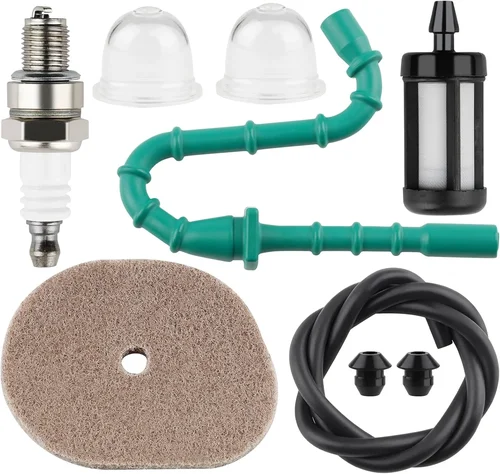
A true fuel line kit should include more than just the tubing. At minimum, it should contain the correct length of fuel line, fuel filters, clamps, and any necessary connectors or grommets. Some premium kits also include inline fuel shut-off valves, replacement fuel caps with vents, or even carburetor gaskets. A complete kit reduces the need for additional purchases and ensures all components work together seamlessly. Incomplete kits may force you to reuse old, degraded parts, undermining the repair’s effectiveness.
4. Ease of Installation
Not all fuel line kits are created equal when it comes to installation. Some require specialized tools, such as fuel line pliers or tubing cutters, while others come pre-cut and pre-bent for direct fitment. Kits labeled “direct fit” or “plug-and-play” are ideal for DIYers, as they minimize the risk of incorrect routing or kinking. Clear, step-by-step instructions with diagrams are a major plus. If the kit doesn’t include instructions or assumes advanced mechanical knowledge, it may not be suitable for beginners.
5. Brand Reputation and OEM vs. Aftermarket
Honda OEM parts are engineered to exact specifications and undergo rigorous testing, making them the safest choice for performance and longevity. However, they come at a premium. Aftermarket brands like Briggs & Stratton, Stens, Oregon, and Echo offer high-quality alternatives at lower prices. Research the manufacturer’s reputation—look for companies with a history of producing reliable small engine parts and positive customer feedback. Avoid no-name brands sold exclusively through third-party Amazon or eBay sellers, as quality control can be inconsistent.
6. Warranty and Return Policy
A reputable seller or manufacturer will stand behind their product with a warranty—typically 1 year for fuel line kits. This protects you against defects in materials or workmanship. Additionally, check the return policy before purchasing. If the kit doesn’t fit or fails prematurely, you should be able to return or exchange it without hassle. Retailers like Home Depot, Lowe’s, and authorized Honda dealers often offer generous return windows, while some online marketplaces may charge restocking fees.
7. Price vs. Value
While it’s tempting to choose the cheapest option, fuel line kits are not an area to cut corners. A $5 kit may save money upfront but could fail within a season, requiring another repair. Conversely, a $30 OEM kit may offer decades of reliable service. Evaluate the cost per year of expected use. Mid-range aftermarket kits ($12–$20) often provide the best balance of quality and affordability. Always consider the total cost of ownership, including potential downtime and labor if professional installation is needed.
8. User Reviews and Real-World Performance
Online reviews are a powerful tool for gauging real-world performance. Look for detailed reviews that mention specific models (e.g., “HRX217VKA”), installation experiences, and longevity. Pay attention to recurring complaints—such as lines cracking after a few months or filters clogging quickly—as these indicate systemic issues. Platforms like Amazon, Home Depot, and lawn care forums (e.g., LawnSite.com) offer authentic user feedback. Avoid reviews that seem overly promotional or lack detail.
Different Types of Buying Guide

Common Buying Mistakes to Avoid

❌ Mistake: Buying Based Solely on Price
Why it’s bad: The cheapest kits often use inferior materials that degrade quickly, leading to repeated repairs and potential safety hazards. A $7 kit that fails in 6 months costs more in the long run than a $20 kit that lasts 5 years.
What to do instead: Focus on value, not just cost. Compare materials, included components, and warranty terms. A mid-range kit with nitrile tubing and a fuel filter offers far better long-term value.
❌ Mistake: Ignoring Fuel Line Diameter and Length
Why it’s bad: The HRX217 uses 1/8-inch (3.2mm) inner diameter fuel line. Using a larger or smaller diameter can cause poor fuel flow, leaks, or carburetor flooding. Incorrect length may lead to kinking or excessive slack.
What to do instead: Measure your existing fuel line or consult the owner’s manual. Choose a kit that specifies the correct ID and includes the right length (typically 24–36 inches total).
❌ Mistake: Overlooking the Fuel Filter
Why it’s bad: A clogged or missing fuel filter allows debris into the carburetor, causing engine stalling and hard starts. Many budget kits omit the filter or include a low-quality one.
What to do instead: Always choose a kit that includes a replaceable inline fuel filter. Check that it’s positioned correctly in the fuel line (usually near the tank outlet).
❌ Mistake: Reusing Old Clamps or Grommets
Why it’s bad: Old clamps may not seal properly, and degraded grommets can allow fuel to leak at the tank or carburetor connection. This defeats the purpose of replacing the fuel line.
What to do instead: Replace all clamps and grommets with new ones included in the kit. Use screw-type or spring clamps designed for fuel applications.
❌ Mistake: Purchasing from Unverified Sellers
Why it’s bad: Third-party sellers on marketplaces may list counterfeit or mislabeled parts. You risk receiving a kit for a different mower model or one made from unsafe materials.
What to do instead: Buy from authorized dealers, reputable retailers (e.g., Home Depot, Lowe’s, Amazon Verified), or directly from the manufacturer. Check seller ratings and return policies.
❌ Mistake: Skipping the Fuel Shut-Off Valve
Why it’s bad: Without a shut-off valve, you must drain the fuel tank or clamp the line every time you service the carburetor. This increases spill risk and makes maintenance more difficult.
What to do instead: Choose a kit that includes an inline fuel shut-off valve or purchase one separately. It’s a small investment that greatly improves usability.
❌ Mistake: Not Testing After Installation
Why it’s bad: Even a properly installed kit can have defects. Running the mower without checking for leaks or proper fuel flow can lead to engine damage or fire.
What to do instead: After installation, inspect all connections, run the mower for 5–10 minutes, and check for leaks, unusual smells, or performance issues. Address any problems immediately.
Budget Guidelines: How Much Should You Spend?
When it comes to fuel line kits for the Honda HRX217, your budget should reflect your usage frequency, mechanical skill, and long-term goals. Here’s a breakdown of what to expect at different price points:
- Entry-Level ($8–$14): These kits are best for occasional users or those on a tight budget. Expect basic rubber tubing, minimal components (often just the line and one clamp), and limited fuel resistance. Lifespan is typically 1–2 seasons. Ideal for temporary fixes or backup mowers.
- Mid-Range ($15–$22): This is the sweet spot for most homeowners. Kits in this range often include nitrile fuel line, a quality filter, multiple clamps, and clear instructions. Brands like Stens and Oregon offer reliable options here. With proper maintenance, these can last 3–5 years.
- Premium ($23–$30): Designed for enthusiasts and frequent users, these kits feature high-grade materials like Viton or fluoropolymer tubing, reinforced connectors, and often include extras like a shut-off valve or carburetor gasket. They offer superior durability and are worth the investment if you mow weekly or in harsh conditions.
- Luxury ($30+): This tier is dominated by OEM Honda kits and specialty performance brands. These are overkill for most residential users but ideal for commercial landscapers or collectors who demand factory-perfect fit and maximum longevity. Expect exact dimensions, OEM-grade materials, and full warranty support.
Expert Tips for Getting the Best Deal
- Buy During Off-Season: Lawn mower parts are often discounted in late fall and winter when demand is low. Retailers clear inventory to make room for spring stock. You can save 15–25% by purchasing between November and February.
- Check Manufacturer Rebates: Honda and aftermarket brands occasionally offer rebates or promotions, especially during spring sales events. Sign up for newsletters from Honda Power Equipment, Stens, or Oregon to stay informed.
- Compare Retailers: Prices can vary significantly between stores. For example, a kit may cost $18 at Home Depot but $24 on Amazon. Use price comparison tools or apps to find the best deal. Don’t forget to factor in shipping costs.
- Bundle with Other Repairs: If you’re already replacing the fuel line, consider buying a carburetor rebuild kit or air filter at the same time. Many retailers offer discounts on multi-item purchases, and you’ll save on shipping.
- Read the Fine Print on Warranties: Some warranties are voided if the part is installed by someone other than a certified technician. If you’re DIY-ing, confirm that the warranty covers self-installation.
- Test Before Final Assembly: Before reassembling the mower deck or engine cover, run the mower with the side panel off to verify fuel flow and check for leaks. This prevents having to disassemble everything again if there’s an issue.
- Keep the Old Parts: Store your old fuel line and components in a labeled bag. They serve as a reference for future repairs and can help diagnose recurring issues.
- Use OEM Part Numbers: Honda’s official part number for the HRX217 fuel line kit is 17680-Z0J-003. Searching by this number ensures you get the exact replacement, even on third-party sites.

Frequently Asked Questions
Q: Can I use a universal fuel line kit for my Honda HRX217?
A: Yes, but only if it includes the correct inner diameter (1/8 inch) and length. Universal kits are cost-effective for mechanics, but ensure all components—especially the filter and clamps—are compatible. OEM or model-specific kits are still recommended for best results.
Q: How often should I replace the fuel line on my HRX217?
A: Honda recommends inspecting the fuel line annually and replacing it every 2–3 years, or sooner if you notice cracking, swelling, or leaks. Ethanol-blended fuels accelerate degradation, so more frequent replacement may be needed in warmer climates.
Q: Will a new fuel line fix my mower’s smoking issue?
A: Excessive smoking is often caused by a rich fuel mixture, which can result from a leaking or collapsed fuel line allowing too much fuel into the carburetor. Replacing the line can resolve this, but also check the carburetor, air filter, and spark plug to rule out other causes.
Q: Do I need special tools to install a fuel line kit?
A: Basic tools like needle-nose pliers, wire cutters, and a screwdriver are usually sufficient. Some kits include a fuel line removal tool. For tight spaces, fuel line pliers with curved jaws can help disconnect old lines without damaging surrounding components.
Q: Can I repair a cracked fuel line instead of replacing it?
A: Temporary fixes like epoxy or tape are unsafe and unreliable. Fuel under pressure can seep through cracks, creating fire hazards. Full replacement is the only safe and long-term solution.
Q: Are aftermarket fuel line kits safe to use?
A: Yes, provided they are made from fuel-resistant materials and are compatible with your mower. Reputable aftermarket brands undergo testing and meet industry standards. Avoid kits made from clear PVC or unmarked rubber.
Q: Where is the fuel line located on the HRX217?
A: The fuel line runs from the fuel tank (under the seat) to the carburetor on the engine. It passes through a grommet in the frame and connects to the fuel pump and inlet nipple. Access requires removing the seat and possibly the side cover.
Q: What’s the difference between nitrile and Viton fuel lines?
A: Nitrile (NBR) is highly resistant to gasoline and oil and is suitable for most residential use. Viton (FKM) offers superior heat and chemical resistance, making it ideal for high-performance or commercial applications. Viton is more expensive but lasts longer in extreme conditions.
Q: Can I install a fuel line kit myself?
A: Absolutely. Most homeowners can complete the installation in 30–60 minutes with basic tools. Follow the kit instructions, take photos before disassembly, and work in a well-ventilated area. If you’re unsure, consult a YouTube tutorial specific to the HRX217.
Q: Will using non-ethanol fuel extend the life of my fuel line?
A: Yes. Ethanol attracts moisture and accelerates the breakdown of rubber and plastic components. Using ethanol-free gasoline (available at marinas or specialty stations) can significantly延长 the life of your fuel system, including the fuel line, filter, and carburetor.
Our Final Recommendations
- Best for Budget-Conscious Buyers: Stens 620-620 Fuel Line Kit – At around $14, this kit includes nitrile tubing, a filter, and clamps. It’s widely available and offers solid performance for the price.
- Best Overall Value: Oregon 48-018 Fuel Line Kit – Priced at $18–$20, this kit features high-quality materials, a durable filter, and clear instructions. It’s a favorite among DIYers for its reliability and completeness.
- Best Premium Option: Honda Genuine 17680-Z0J-003 Fuel Line Kit – For those who want factory perfection, this OEM kit guarantees exact fit and maximum longevity. Ideal for long-term owners or warranty-sensitive users.
- Best for Beginners: Echo 17680-Z0J-003-ASM Fuel Line Assembly – This pre-assembled kit includes everything needed, with color-coded lines and detailed diagrams. Minimal cutting or fitting required.
- Best for Advanced Users: Viton Performance Fuel Line Kit by Fuel Line Pro – Designed for high-heat environments and frequent use, this kit uses aerospace-grade materials and includes a shut-off valve and extra clamps.
Conclusion: Making the Right Choice
Choosing the right fuel line kit for your Honda HRX217 isn’t just about fixing a smoking engine—it’s about restoring safety, reliability, and peace of mind. A degraded fuel line can lead to poor performance, costly repairs, or even dangerous fuel leaks. By prioritizing compatibility, material quality, and kit completeness, you ensure a repair that lasts. Avoid the temptation of ultra-cheap options and instead focus on long-term value.
Remember, the best kit for you depends on your budget, skill level, and how you use your mower. Whether you’re a weekend warrior or a meticulous collector, there’s a fuel line kit that fits your needs. Use the guidelines, tips, and recommendations in this guide to make a confident, informed decision. And once you’ve installed your new kit, take a moment to appreciate the smooth, smoke-free operation of your HRX217—it’s a small repair that makes a big difference.
Don’t wait until your mower won’t start or starts leaking fuel. Inspect your fuel line today, and if it shows signs of wear, replace it promptly. Your lawn—and your safety—will thank you.