
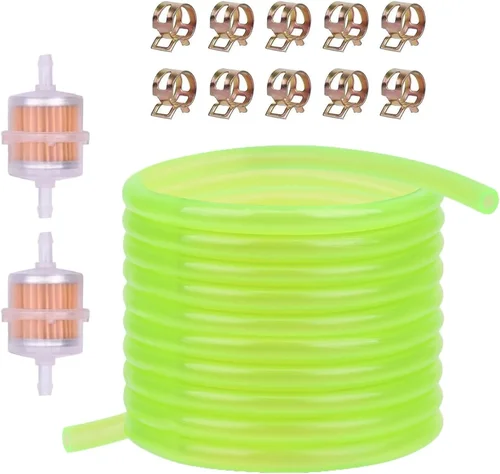
If your Honda HRX217 lawn mower is overheating during routine mowing—especially on hot days or when tackling thick grass—you might be dealing with a fuel delivery issue that goes beyond simple carburetor cleaning. One often-overlooked culprit is a degraded or improperly installed fuel line system. Over time, fuel lines can crack, swell, collapse, or become clogged with debris and ethanol-blended fuels, restricting fuel flow and causing the engine to run lean. A lean fuel mixture burns hotter, which directly contributes to engine overheating, reduced performance, and even long-term damage.
This comprehensive buying guide is designed specifically for Honda HRX217 owners who suspect their mower’s overheating problem stems from fuel system inefficiencies. Whether you’re a seasoned DIY mechanic or a first-time lawn equipment owner, this guide will walk you through everything you need to know about selecting, purchasing, and installing the right fuel line kit. We’ll cover critical factors like compatibility, material quality, brand reliability, and installation requirements. You’ll also learn how to avoid common purchasing mistakes, understand budget expectations, and identify where to buy genuine or high-quality aftermarket kits with confidence.
The market for small engine parts—especially for popular models like the Honda HRX217—is flooded with options ranging from ultra-cheap generic kits to OEM (Original Equipment Manufacturer) replacements and premium aftermarket solutions. While it may be tempting to grab the lowest-priced option, doing so could lead to repeated failures, safety hazards, or even voided warranties. Our goal is to help you make an informed, cost-effective decision that not only resolves your overheating issue but also extends the life of your mower. By the end of this guide, you’ll know exactly what to look for, where to shop, and how to ensure your HRX217 runs cool, efficient, and reliable for seasons to come.

What to Look for When Buying Buying Guide
1. Compatibility with Honda HRX217 Models
Not all fuel line kits are created equal—and not all are compatible with your specific Honda HRX217 model year. The HRX217 has been produced in multiple variants (such as the HRX217HZA, HRX217HMA, and HRX217TDA), each potentially using slightly different fuel line routing, connector types, or hose diameters. Installing an incompatible kit can result in leaks, poor fuel flow, or difficulty during installation.
Always verify the exact model number of your mower, usually found on a label under the handle or near the engine block. Cross-reference this with the product description or compatibility chart provided by the seller. Reputable suppliers will list compatible models explicitly. For example, a kit labeled “Fits Honda HRX217 Series (2003–2010)” may not work on later models that use updated fuel systems. When in doubt, consult your owner’s manual or contact Honda customer service for confirmation.
2. Fuel Line Material and Chemical Resistance
The material of your fuel line directly impacts its longevity and performance, especially when exposed to modern ethanol-blended gasoline. Low-quality rubber or vinyl hoses can degrade quickly, becoming brittle, cracking, or swelling when in contact with ethanol. This degradation restricts fuel flow and can lead to vapor lock or lean-running conditions—both of which contribute to engine overheating.
Look for fuel lines made from nitrile rubber (NBR), Viton, or thermoplastic polyurethane (TPU). These materials offer superior resistance to gasoline, ethanol, oil, and temperature fluctuations. Nitrile rubber is the most common and cost-effective option for small engines, while Viton is more expensive but ideal for high-heat environments. Avoid PVC or standard rubber lines, as they are prone to failure in fuel systems. Additionally, ensure the inner diameter (ID) matches OEM specifications—typically 1/8″ or 3/32″ for the HRX217—to maintain proper fuel pressure and flow rate.
3. Kit Completeness and Included Components
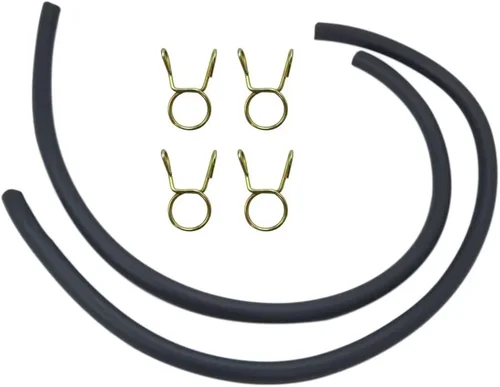
A high-quality fuel line kit should include more than just the hose itself. A complete kit typically contains fuel lines (both main supply and return, if applicable), fuel filters, clamps, grommets, and sometimes even a new fuel shut-off valve or primer bulb. Missing components can lead to incomplete repairs or the need for additional purchases, increasing both cost and downtime.
For the Honda HRX217, a proper kit should include at least two sections of fuel line: one from the tank to the carburetor and another for the primer system (if equipped). Some kits also include a sediment bowl gasket or O-rings. Check the product listing carefully to confirm what’s included. Kits that bundle these extras often provide better value and ensure a full system refresh, reducing the risk of overlooked wear points that could cause future overheating.
4. OEM vs. Aftermarket: Weighing Quality and Cost
Original Equipment Manufacturer (OEM) parts are made by Honda or its certified suppliers and are guaranteed to meet factory specifications. They offer the highest level of compatibility, durability, and reliability. However, OEM fuel line kits can be significantly more expensive than aftermarket alternatives.
Aftermarket kits, on the other hand, are produced by third-party manufacturers and vary widely in quality. Some aftermarket brands—like Echo, Briggs & Stratton, or specialized small engine suppliers—produce kits that meet or exceed OEM standards at a lower price. Others use inferior materials and may fail prematurely. When choosing aftermarket, look for brands with strong reputations in the small engine community, verified customer reviews, and clear compatibility information. Avoid no-name kits sold in bulk packs without branding or specifications.
5. Ease of Installation and DIY Friendliness
Even the best fuel line kit is useless if it’s too difficult to install. The Honda HRX217 has a compact engine layout, and accessing the fuel system requires removing the air filter housing, carburetor cover, and sometimes the fuel tank. A kit that includes pre-cut lines with marked routing, detailed instructions, or labeled components can save hours of frustration.
Look for kits that come with installation guides, diagrams, or QR codes linking to video tutorials. Some premium kits even include zip ties, labeling tape, or routing clips to help secure the new lines properly. Avoid kits that require custom cutting or splicing unless you have experience with small engine fuel systems. Poorly routed lines can kink, rub against hot engine parts, or interfere with moving components—leading to leaks or overheating.
6. Brand Reputation and Customer Support
Not all fuel line kit manufacturers stand behind their products. A brand’s reputation is a strong indicator of quality, consistency, and customer service. Established brands like Honda, Stens, Oregon, and Rotary have decades of experience in small engine parts and are more likely to offer reliable products and responsive support.
Check online reviews on platforms like Amazon, eBay, or lawn care forums. Look for patterns in feedback—consistent praise for durability or complaints about leaks can guide your decision. Additionally, consider whether the seller offers technical support, installation help, or warranty claims. A company that provides a phone number, email support, or a FAQ section demonstrates confidence in its products and commitment to customer satisfaction.
7. Warranty and Return Policy
A warranty is a manufacturer’s promise that their product will perform as advertised. For fuel line kits, a warranty of 6 months to 1 year is common, though OEM parts may be covered under Honda’s broader equipment warranty. A solid warranty protects you against defects in materials or workmanship.
Equally important is the seller’s return policy. If the kit doesn’t fit or fails to resolve your overheating issue, you should be able to return it within a reasonable window (typically 30 days). Avoid sellers with “all sales final” policies or restocking fees. Reputable retailers like Honda dealers, Home Depot, or specialized online parts stores usually offer flexible returns and exchanges.
8. Price vs. Value: Avoiding the Cheapest Option Trap
While it’s tempting to choose the lowest-priced fuel line kit, this often leads to higher long-term costs. Cheap kits may use substandard materials that fail within weeks, require frequent replacement, or contribute to engine damage. Overheating caused by restricted fuel flow can warp cylinder heads, damage pistons, or ruin the engine entirely—repairs that far exceed the cost of a quality kit.
Instead of focusing solely on price, evaluate the overall value: material quality, included components, brand reputation, warranty, and ease of installation. A mid-range kit priced between $15 and $30 often provides the best balance of affordability and reliability. Spending a little more upfront can save you time, money, and frustration down the road.
Different Types of Buying Guide

Common Buying Mistakes to Avoid
❌ Mistake: Buying Based Solely on Price
Why it’s bad: Choosing the cheapest kit available often means sacrificing material quality, compatibility, and durability. Low-cost kits may use inferior rubber that degrades quickly with ethanol fuel, leading to cracks, leaks, and restricted flow—exactly what causes overheating in the first place.
What to do instead: Focus on value, not just cost. Compare kits based on material, included components, brand reputation, and warranty. A slightly more expensive kit that lasts years is far better than a $10 kit that fails in months.
❌ Mistake: Ignoring Model-Specific Compatibility
Why it’s bad: The Honda HRX217 has multiple sub-models with subtle differences in fuel system design. Installing a kit meant for a different model can result in incorrect routing, loose connections, or interference with other components.
What to do instead: Always verify your mower’s exact model number and cross-check it with the product description. When in doubt, contact the seller or consult Honda’s official parts catalog.
❌ Mistake: Overlooking the Fuel Filter
Why it’s bad: A clogged or missing fuel filter is a common cause of restricted fuel flow and engine overheating. Many buyers replace only the fuel line and forget the filter, leaving the root problem unresolved.
What to do instead: Choose a kit that includes a new fuel filter or purchase one separately. Replace it during the fuel line installation to ensure clean fuel delivery.
❌ Mistake: Assuming All “Honda Compatible” Kits Are Equal
Why it’s bad: The term “Honda compatible” is not regulated. Some kits are poorly made and only loosely fit Honda models, leading to leaks or performance issues.
What to do instead: Look for specific model listings (e.g., “Fits Honda HRX217HZA”) and read customer reviews. Prefer kits from brands with a proven track record in small engine parts.
❌ Mistake: Skipping the Inspection of Existing Components
Why it’s bad: Replacing the fuel line without inspecting the carburetor, fuel tank, or primer bulb can leave underlying issues unaddressed. For example, a clogged carburetor jet can still cause lean running and overheating even with new lines.
What to do instead: Perform a full fuel system inspection during installation. Clean or replace the carburetor, check the tank for debris, and test the primer bulb for proper function.
❌ Mistake: Not Testing After Installation
Why it’s bad: Installing a new fuel line kit without testing can leave leaks or flow issues undetected. A small leak may not be obvious until the engine overheats or fuel vapors become a fire hazard.
What to do instead: After installation, run the mower for 5–10 minutes and monitor for leaks, irregular idling, or overheating. Check fuel flow by cracking the line slightly (with safety precautions) to ensure steady delivery.
❌ Mistake: Buying from Unverified Sellers
Why it’s bad: Purchasing from unknown online sellers or auction sites increases the risk of receiving counterfeit, damaged, or incorrect parts. These sellers often have poor return policies and no customer support.
What to do instead: Buy from authorized Honda dealers, reputable retailers (e.g., Home Depot, Lowe’s), or trusted online parts stores with verified reviews and secure payment options.
Budget Guidelines: How Much Should You Spend?
- Entry-Level ($8 – $15): These kits are typically generic or universal, made from basic rubber or vinyl. They may lack proper ethanol resistance and often exclude filters or clamps. Best for temporary fixes or emergency use, but not recommended for long-term reliability. Expect to replace them within 1–2 seasons.
- Mid-Range ($18 – $30): This is the sweet spot for most Honda HRX217 owners. Kits in this range often come from reputable aftermarket brands, use nitrile or TPU fuel lines, and include filters, clamps, and installation guides. They offer excellent value, durability, and compatibility. Ideal for DIYers seeking quality without OEM pricing.
- Premium ($30 – $45): These kits are usually OEM or high-end aftermarket products with superior materials (e.g., Viton-lined hoses), precise fitment, and comprehensive components. They’re perfect for mowers under warranty, professional landscapers, or owners who prioritize longevity and performance. Expect 3–5 years of reliable service.
- Luxury ($45+): At this level, you’re likely purchasing a complete fuel system overhaul kit that includes not just lines but also a rebuilt carburetor, new gaskets, primer bulb, and detailed service manual. These are overkill for most homeowners but ideal for restoring a vintage HRX217 or addressing chronic overheating issues.
Expert Tips for Getting the Best Deal
- Buy During Off-Season: Lawn mower parts are often discounted in late fall and winter when demand is low. Stock up on fuel line kits during these months to save 10–20%.
- Check Honda Dealers for Promotions: Authorized Honda dealers sometimes offer seasonal sales or bundle deals on maintenance kits. Sign up for their newsletters to stay informed.
- Use Price Tracking Tools: Websites like CamelCamelCamel (for Amazon) or Honey can alert you when fuel line kits drop in price. Set a target price and wait for a deal.
- Buy in Multi-Packs for Spares: If you own multiple mowers or plan to keep your HRX217 for years, consider buying a 2- or 3-pack of fuel line kits. This reduces per-unit cost and ensures you have a spare on hand.
- Verify Return Policies Before Buying: Even the best kits can have fitment issues. Ensure the seller accepts returns within 30 days, especially if buying online.
- Combine with Other Maintenance: If you’re replacing the fuel line, consider doing a full tune-up at the same time—air filter, spark plug, oil change. This maximizes the benefit of your repair and prevents future overheating.
- Watch for Free Shipping Thresholds: Many online retailers offer free shipping on orders over $25 or $50. Add a fuel filter or carburetor cleaner to reach the threshold and save on delivery.
- Read the Fine Print on Warranties: Some warranties require professional installation or registration within 30 days. Keep your receipt and follow all terms to ensure coverage.

Frequently Asked Questions
Q: Can a bad fuel line really cause my Honda HRX217 to overheat?
A: Yes. A cracked, collapsed, or clogged fuel line restricts fuel flow to the carburetor, causing the engine to run lean. Lean mixtures burn hotter, increasing cylinder temperatures and leading to overheating. This is especially common in older mowers or those using ethanol-blended fuel.
Q: How often should I replace the fuel line on my HRX217?
A: Honda recommends inspecting fuel lines annually and replacing them every 2–3 years or at the first sign of cracking, swelling, or brittleness. If you notice overheating, hard starting, or fuel leaks, inspect the lines immediately.
Q: Do I need special tools to install a fuel line kit?
A: Basic hand tools are usually sufficient: pliers, screwdrivers, and a socket set. Some kits include clamps that require a small wrench. No specialized tools are needed unless you’re removing the carburetor.
Q: Can I use automotive fuel line on my mower?
A: No. Automotive fuel lines are not designed for small engines and may not handle the lower pressure or ethanol content safely. Always use fuel line rated for small engines or outdoor power equipment.
Q: What’s the difference between 1/8″ and 3/32″ fuel line?
A: The inner diameter affects fuel flow. The HRX217 typically uses 1/8″ line for the main supply and 3/32″ for the primer. Using the wrong size can cause poor performance or leaks. Check your old line or manual for confirmation.
Q: Will a new fuel line kit fix my overheating problem for good?
A: It can, if the fuel line was the root cause. However, overheating can also result from a dirty carburetor, clogged air filter, low oil, or engine wear. Always perform a full diagnostic before assuming the fuel line is the only issue.
Q: Where is the best place to buy a fuel line kit for the HRX217?
A: Authorized Honda dealers, Home Depot, Lowe’s, and online retailers like Amazon, eBay, or PartsTree.com are reliable sources. Look for sellers with high ratings, clear return policies, and detailed product descriptions.
Q: Can I install the fuel line kit myself?
A: Yes, most homeowners can install a fuel line kit in 30–60 minutes with basic tools. Follow the kit instructions and take photos during disassembly to aid reassembly.
Q: What should I do with the old fuel line?
A: Drain any remaining fuel into an approved container and dispose of it according to local regulations. The old line can be discarded with regular trash unless it contains hazardous residues.
Q: Is it safe to run my mower with a leaking fuel line?
A: No. Fuel leaks are a fire hazard and can lead to engine damage or personal injury. Stop using the mower immediately and replace the line before operating it again.
Our Final Recommendations
- Best for Budget-Conscious Buyers: Stens 365-928 Fuel Line Kit – Priced around $19, this kit includes nitrile fuel lines, a filter, and clamps. It’s compatible with most HRX217 models and offers solid performance for the price.
- Best Overall Value: Oregon 52-068 Fuel Line Kit – At $24, this kit features ethanol-resistant tubing, precise fitment, and a detailed installation guide. It’s a favorite among DIY mechanics for its reliability and completeness.
- Best Premium Option: Honda Genuine Fuel Line Kit (Part #16674-VH7-000) – The OEM choice at $38, this kit guarantees perfect compatibility and comes with a manufacturer warranty. Ideal for warranty-covered repairs or collectors.
- Best for Beginners: Rotary 52-068 Fuel Line Repair Kit – Includes labeled lines, color-coded routing, and step-by-step instructions. Perfect for first-time installers who want a hassle-free experience.
- Best for Advanced Users: Custom Nitrile Fuel Line + In-Line Filter (DIY Kit) – For mechanics who prefer full control, buying bulk nitrile line and a high-flow filter allows custom routing and optimization. Best paired with a carburetor cleaning.
Conclusion: Making the Right Choice
Choosing the right fuel line kit for your Honda HRX217 isn’t just about fixing an overheating problem—it’s about ensuring your mower runs safely, efficiently, and reliably for years to come. By focusing on compatibility, material quality, and kit completeness, you can avoid the pitfalls of cheap replacements and invest in a solution that truly addresses the root cause of your issue. Whether you opt for an OEM kit for peace of mind or a high-value aftermarket option, the key is to prioritize long-term performance over short-term savings.
Remember, overheating is often a symptom of a deeper fuel system problem. Replacing the fuel line is a critical step, but don’t forget to inspect the carburetor, air filter, and fuel tank. A holistic approach to maintenance will keep your HRX217 running cool and powerful season after season.
Take the time to research, compare options, and buy from trusted sources. With the insights from this guide, you’re now equipped to make a confident, informed decision. Your lawn—and your mower—will thank you. Don’t wait until the next heatwave to act. Order your fuel line kit today and get back to mowing with confidence.