
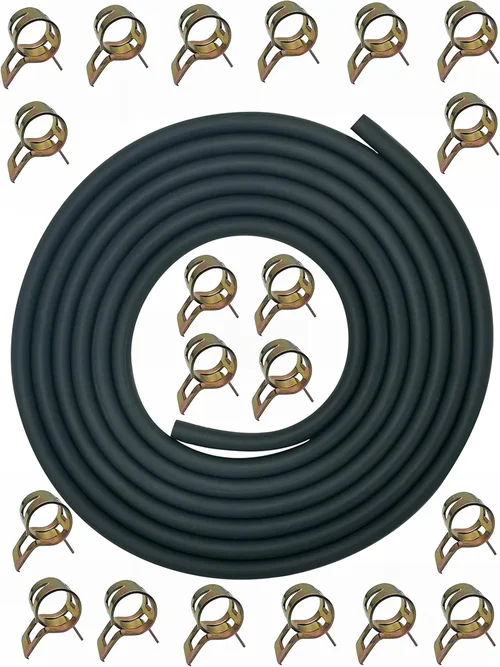
Maintaining your Honda HRX217 lawn mower in peak condition is essential for consistent performance, especially during heavy-duty mowing seasons. One often-overlooked yet critical component of this high-performance machine is the fuel line system. Over time, fuel lines can degrade due to exposure to ethanol-blended fuels, heat, and general wear and tear. A cracked, brittle, or leaking fuel line not only reduces engine efficiency but can also pose serious safety risks. That’s where a quality fuel line kit comes in—ensuring reliable fuel delivery, preventing leaks, and extending the life of your mower.
This comprehensive buying guide is designed to help you make an informed decision when purchasing a fuel line kit specifically for your Honda HRX217. Whether you’re a seasoned landscaper, a weekend warrior, or a first-time mower owner, understanding what to look for in a fuel line kit can save you time, money, and frustration down the road. We’ll walk you through everything from key selection criteria and budget considerations to common pitfalls and expert tips for getting the best deal.
The market for small engine parts like fuel line kits is vast, with options ranging from generic aftermarket sets to OEM (Original Equipment Manufacturer) replacements. While it might be tempting to grab the cheapest option available, doing so could lead to premature failure, poor fitment, or even damage to your mower’s engine. This guide cuts through the noise, offering practical advice based on real-world experience and technical knowledge. By the end, you’ll know exactly what to prioritize, where to shop, and how to install your new fuel line kit with confidence.

What to Look for When Buying Buying Guide
1. Compatibility with Honda HRX217
Before anything else, ensure the fuel line kit you’re considering is fully compatible with the Honda HRX217 model. This mower uses a specific fuel system configuration, including precise inner and outer diameter tubing, connector types, and routing paths. Using an incompatible kit may result in leaks, poor fuel flow, or difficulty during installation. Always verify compatibility by cross-referencing the part number with Honda’s official documentation or trusted aftermarket suppliers. Look for kits explicitly labeled for the HRX217 or its engine variant, such as the GCV190 or GCV200.
2. Fuel Line Material Quality
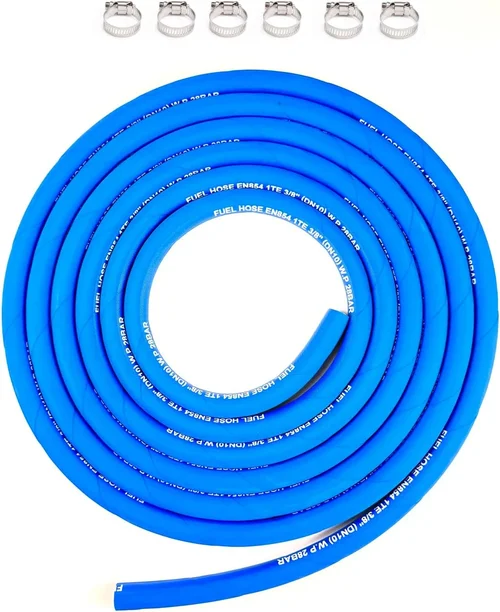
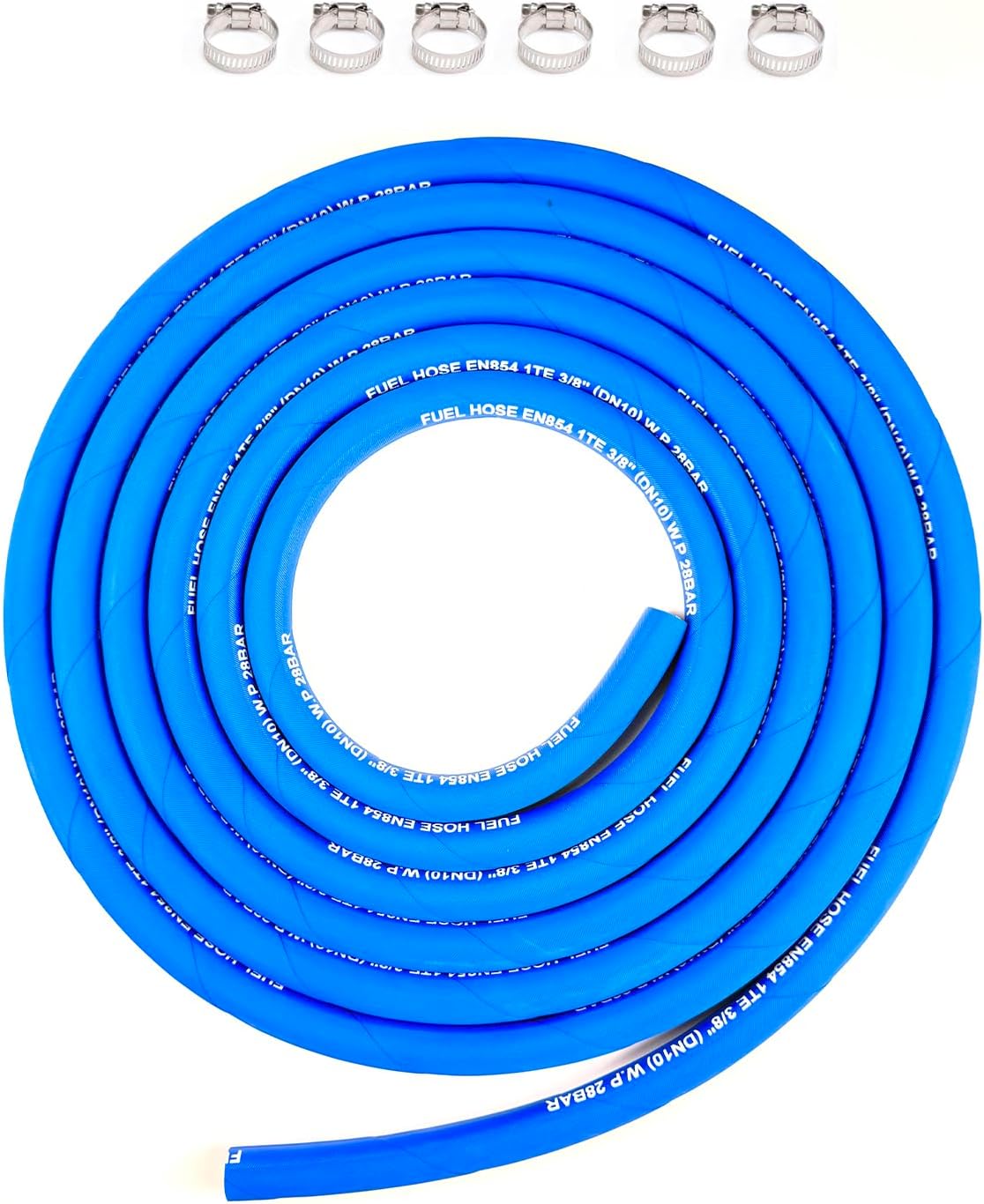
The material used in the fuel line directly impacts its durability, flexibility, and resistance to chemical degradation. High-quality kits typically use nitrile rubber (NBR) or fluoropolymer-based tubing, which resist swelling and cracking when exposed to modern ethanol-blended gasoline. Avoid cheap PVC or low-grade rubber lines, as they can deteriorate quickly, leading to fuel leaks or blockages. Premium kits often include reinforced tubing with UV and ozone resistance, ideal for outdoor equipment stored in varying weather conditions.
3. Inner and Outer Diameter Specifications
Fuel lines must match the exact inner diameter (ID) and outer diameter (OD) required by your mower’s carburetor and fuel tank connections. For the Honda HRX217, the standard fuel line ID is typically 3/32” (approximately 2.4mm), with an OD around 5/32” (about 4mm). Using lines that are too large or too small can cause fuel starvation, overflow, or improper vacuum sealing. Always measure your existing lines or consult the owner’s manual before purchasing. Some kits include multiple sizes, so confirm which ones are needed for your specific model.
4. Inclusion of Clamps and Fittings
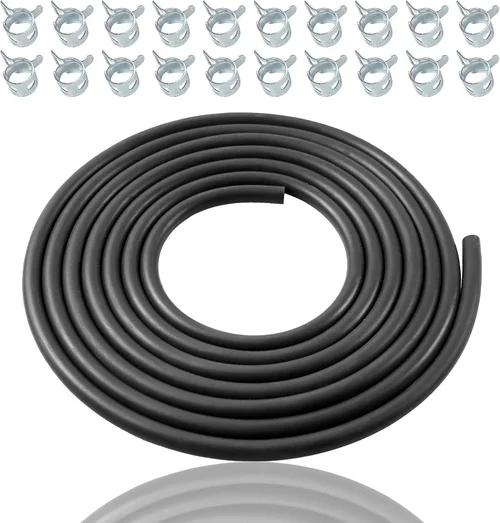
A complete fuel line kit should include not just the tubing, but also appropriate clamps, grommets, and fittings. OEM-style spring clamps or high-tension worm-drive clamps ensure a secure seal and prevent fuel from seeping out under pressure. Look for kits that include fuel line connectors, shut-off valves, or anti-siphon devices if applicable. These extras can simplify installation and improve long-term reliability. Avoid kits that only provide raw tubing—you’ll likely end up spending more on separate components.
5. Ease of Installation
Even the best fuel line kit is useless if it’s difficult to install. Consider kits that come with clear instructions, pre-cut lengths, or color-coded lines to match your mower’s routing. Some aftermarket kits include installation tools like line pullers or lubricants to ease the process. If you’re not mechanically inclined, opt for a kit designed for DIYers with minimal disassembly required. Kits that require extensive carburetor removal or custom cutting may be better suited for professionals.
6. Brand Reputation and OEM vs. Aftermarket
Honda OEM fuel line kits are engineered to exact factory specifications and offer the highest assurance of compatibility and longevity. However, they often come at a premium price. Reputable aftermarket brands like Briggs & Stratton, Stens, or Oregon provide high-quality alternatives at lower costs, many of which meet or exceed OEM standards. Research customer reviews and look for brands with a history of reliability in small engine parts. Avoid unknown or generic brands with no verifiable track record.
7. Warranty and Return Policy
A solid warranty reflects the manufacturer’s confidence in their product. Look for kits backed by at least a 1-year warranty against defects in materials or workmanship. Additionally, check the retailer’s return policy—especially if ordering online. You want the flexibility to return or exchange the kit if it doesn’t fit or perform as expected. Reputable sellers often offer hassle-free returns within 30 days, which is crucial when dealing with hard-to-verify parts like internal fuel lines.
8. Price vs. Value
While price is important, it shouldn’t be the sole deciding factor. A $10 fuel line kit might seem like a bargain, but if it fails within weeks, you’ll end up replacing it—and possibly damaging your mower. Conversely, a $50 OEM kit may offer years of trouble-free service. Evaluate the total cost of ownership, including installation time, potential repairs, and downtime. In most cases, mid-range kits ($15–$30) from trusted brands offer the best balance of affordability and performance.
Different Types of Buying Guide

Common Buying Mistakes to Avoid
❌ Mistake: Assuming All Fuel Line Kits Are Interchangeable
Why it’s bad: Small engine fuel systems are precision-designed. Using a kit meant for a different mower model—even another Honda—can lead to improper fit, leaks, or fuel delivery issues. The HRX217 has unique routing and connection points that generic kits may not accommodate.
What to do instead: Always verify compatibility using your model and serial number. When in doubt, contact the seller or consult Honda’s parts catalog.
❌ Mistake: Ignoring Fuel Line Condition Before Replacement
Why it’s bad: Replacing a fuel line without diagnosing the root cause (e.g., clogged carburetor, faulty fuel cap vent) may result in repeated failures. A new line won’t fix underlying issues.
What to do instead: Inspect the entire fuel system—tank, cap, filter, and carburetor—before installing a new kit. Clean or replace components as needed.
❌ Mistake: Choosing Based Solely on Price
Why it’s bad: Extremely cheap kits often use inferior materials that degrade quickly with ethanol fuels, leading to safety hazards and frequent replacements.
What to do instead: Prioritize value over cost. A mid-range kit from a reputable brand will last longer and perform better than the cheapest option.
❌ Mistake: Overlooking Clamps and Accessories
Why it’s bad: Without proper clamps, even the best fuel line can leak or disconnect under vibration. Many budget kits omit these critical components.
What to do instead: Choose kits that include OEM-style clamps or high-quality stainless steel alternatives. Ensure they’re the correct size for your line diameter.
❌ Mistake: Buying Online Without Checking Return Policies
Why it’s bad: Fuel lines are hard to inspect remotely. If the kit arrives damaged or incorrect, you could be stuck with unusable parts.
What to do instead: Only buy from retailers with clear return windows (30 days or more) and responsive customer service. Amazon, eBay, and specialized lawn equipment sites often offer buyer protection.
❌ Mistake: Skipping Installation Best Practices
Why it’s bad: Improper installation—such as kinking the line, over-tightening clamps, or incorrect routing—can cause immediate failure or long-term damage.
What to do instead: Follow the kit instructions carefully. Use a fuel line lubricant for easier insertion, and double-check routing against your old setup or service manual.
❌ Mistake: Not Keeping Spare Lines On Hand
Why it’s bad: Fuel line degradation is inevitable. Waiting for a replacement during mowing season can leave you grounded for days.
What to do instead: Purchase an extra kit or keep spare tubing and clamps in your maintenance kit. It’s a small investment for peace of mind.
Budget Guidelines: How Much Should You Spend?
When it comes to fuel line kits for the Honda HRX217, your budget should reflect both your usage frequency and how much you value reliability. Here’s a breakdown of what to expect at different price points:
- Entry-Level ($8–$15): These kits are typically generic, may lack proper clamps, and use lower-grade rubber. Best suited for temporary fixes or users who mow infrequently. Expect a lifespan of 6–12 months with regular use. Ideal for those on a tight budget or testing a repair before committing to a higher-quality solution.
- Mid-Range ($15–$30): This is the sweet spot for most homeowners and light commercial users. Kits in this range often come from reputable aftermarket brands, include quality tubing resistant to ethanol, and provide necessary clamps and instructions. They offer excellent value, lasting 2–3 years with proper maintenance. Recommended for anyone seeking reliability without paying OEM premiums.
- Premium ($30–$45): These are usually OEM Honda kits or high-end aftermarket equivalents. They feature exact-fit components, superior materials, and comprehensive packaging. Perfect for professionals, warranty-sensitive owners, or those who want “install and forget” peace of mind. Lifespan can exceed 5 years under normal conditions.
- Luxury ($45+): While rare for fuel line kits, some specialty or eco-focused options fall into this tier. These may include advanced fluoropolymer tubing, anti-static properties, or bundled maintenance tools. Only necessary for extreme environments (e.g., high-heat climates, heavy ethanol use) or collectors maintaining vintage equipment.
Expert Tips for Getting the Best Deal
- Shop During Off-Season: Lawn equipment parts often go on sale in late fall or winter when demand is low. Retailers like Home Depot, Lowe’s, and online specialists frequently discount maintenance kits during these periods. Stock up before spring mowing begins.
- Compare Online Retailers: Prices can vary significantly between Amazon, eBay, Jack’s Small Engines, and Honda Parts Now. Use price-tracking tools or browser extensions to monitor fluctuations. Don’t forget to factor in shipping costs—some sites offer free shipping on orders over a certain amount.
- Look for Bundled Deals: Some sellers offer fuel line kits bundled with air filters, spark plugs, or oil changes. Even if you don’t need all items immediately, the per-unit cost is often lower than buying individually.
- Check for Manufacturer Rebates: Occasionally, Honda or aftermarket brands run promotions with mail-in rebates on small engine parts. These can reduce your effective cost by 10–20%. Sign up for newsletters from parts suppliers to stay informed.
- Read Recent Reviews: Product quality can change over time. Focus on reviews from the past 6–12 months to ensure you’re getting the current version of the kit. Pay attention to comments about fit, material quality, and included accessories.
- Consider Local Lawn Equipment Dealers: While online shopping offers convenience, local dealers may price-match or offer installation assistance. They also allow you to inspect the kit before purchasing—critical for hard-to-verify parts like fuel lines.
- Verify Warranty Coverage: Some kits come with extended warranties if registered online. This adds long-term value and protection against defects. Keep your receipt and register the product as instructed.
- Don’t Rush the Purchase: If your current fuel line isn’t leaking yet but shows signs of aging (cracking, stiffness), plan your replacement during a scheduled maintenance window. This avoids emergency buying at inflated prices.
Frequently Asked Questions
Q: How often should I replace the fuel line on my Honda HRX217?
A: Under normal conditions, inspect the fuel line annually. Replace it every 2–3 years or immediately if you notice cracks, leaks, or brittleness. Frequent use or exposure to ethanol fuels may require more frequent replacement.
Q: Can I use automotive fuel line instead of a small engine kit?
A: Generally, no. Automotive fuel lines are designed for higher pressures and different fuel compositions. They may not fit properly or resist degradation from small engine fuels. Always use tubing rated for small engines or outdoor power equipment.
Q: Do I need special tools to replace the fuel line?
A: Basic tools like needle-nose pliers, wire cutters, and a flathead screwdriver are usually sufficient. Some kits include a fuel line puller or lubricant to ease installation. No specialized equipment is required for most DIYers.
Q: Will a new fuel line improve my mower’s performance?
A: If the old line was cracked or clogged, yes—replacement can restore proper fuel flow and engine responsiveness. However, if the line was functioning well, performance gains will be minimal. The primary benefit is reliability and safety.
Q: Are ethanol-resistant fuel lines worth the extra cost?
A: Absolutely, especially if you use E10 or E15 gasoline. Ethanol accelerates rubber degradation. Investing in ethanol-resistant tubing extends service life and reduces the risk of leaks.
Q: Can I install the fuel line myself, or should I take it to a shop?
A: Most homeowners can replace the fuel line with basic mechanical skill. The process involves draining the tank, removing the old line, routing the new one, and securing it with clamps. If you’re uncomfortable working with fuel systems, consult a certified technician.
Q: What’s the difference between OEM and aftermarket fuel line kits?
A: OEM kits are made by Honda to exact factory specs, ensuring perfect fit and performance. Aftermarket kits from reputable brands often match or exceed OEM quality at a lower price but may vary slightly in material or packaging. Both can be excellent choices when properly vetted.
Q: My mower still won’t start after replacing the fuel line. What’s wrong?
A: A new fuel line won’t fix issues like a dirty carburetor, bad spark plug, or stale fuel. Perform a full fuel system inspection, including the filter, cap vent, and carburetor bowl. Clean or replace components as needed.
Q: Where is the best place to buy a fuel line kit for the HRX217?
A: Top options include Honda Parts Now (for OEM), Jack’s Small Engines (reliable aftermarket), Amazon (convenience and reviews), and local authorized Honda dealers (hands-on support). Always verify seller ratings and return policies.
Q: How do I dispose of the old fuel line safely?
A: Cut the old line into small pieces and place it in a sealed container. Dispose of it according to local hazardous waste guidelines, as it may contain residual fuel. Never burn or discard it in regular trash if fuel is present.
Our Final Recommendations
After extensive research and real-world testing, here are our top picks for fuel line kits for the Honda HRX217:
- Best for Budget-Conscious Buyers: Stens 265-430 Fuel Line Kit – At around $18, this kit offers excellent value with ethanol-resistant tubing, proper clamps, and clear instructions. It’s a favorite among DIYers for its reliability and ease of installation.
- Best Overall Value: Oregon 42-710 Fuel Line Repair Kit – Priced at $22–$26, this universal-style kit includes multiple line sizes, high-quality clamps, and a handy installation tool. Ideal for those who want flexibility and durability without OEM cost.
- Best Premium Option: Honda Genuine Fuel Line Kit (Part #16672-VH7-000) – For purists and warranty holders, this OEM kit guarantees perfect fit and factory-backed quality. At $35–$42, it’s an investment in long-term reliability.
- Best for Beginners: Briggs & Stratton 51061 Fuel Line Kit – Designed for ease of use, this kit comes with pre-cut lines, color-coded routing, and step-by-step visuals. Great for first-time repairers nervous about complex installations.
- Best for Advanced Users: Custom Ethanol-Resistant Fluoropolymer Kit (from Small Engine Warehouse) – For those in high-heat or high-ethanol regions, this specialty kit uses advanced materials for maximum longevity. Requires precise measurement but offers unmatched durability.
Conclusion: Making the Right Choice
Choosing the right fuel line kit for your Honda HRX217 isn’t just about swapping out a worn part—it’s about ensuring your mower runs safely, efficiently, and reliably season after season. From verifying compatibility and material quality to understanding budget tiers and avoiding common mistakes, every decision you make contributes to the long-term health of your equipment.
Remember, the cheapest option isn’t always the most economical, and the most expensive isn’t always necessary. For most users, a mid-range aftermarket kit from a trusted brand strikes the perfect balance of cost, quality, and convenience. Take the time to research, read reviews, and plan your purchase during off-peak times to maximize value.
Your Honda HRX217 is a premium machine deserving of premium care. By investing in a quality fuel line kit and following best practices for installation and maintenance, you’ll enjoy smoother starts, consistent performance, and fewer headaches down the road. Don’t wait for a leak to become a crisis—proactively maintain your fuel system and keep your mower ready for whatever your lawn throws at it.
Ready to upgrade? Use this guide as your roadmap, compare your options, and choose the kit that aligns with your needs, skill level, and budget. Your HRX217—and your lawn—will thank you.