
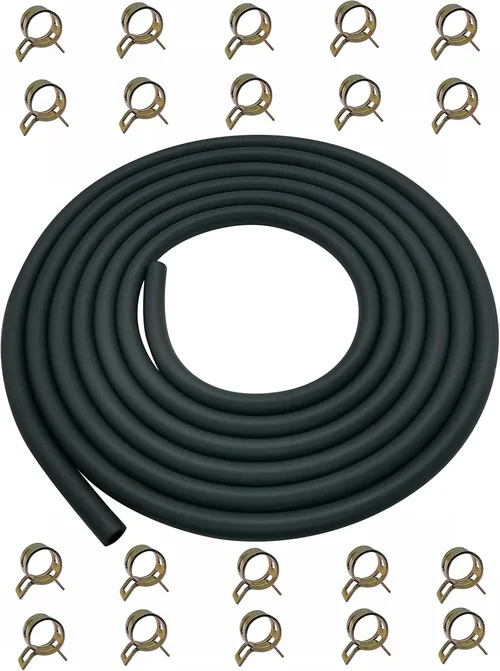
If your Honda HRX217 lawn mower is bogging down under load—especially when you engage the blades or push it through thick grass—you’re not alone. This frustrating issue often stems from fuel delivery problems, and one of the most overlooked yet critical components is the fuel line kit. Over time, rubber fuel lines can crack, harden, or become clogged with debris and ethanol-blended gasoline residue, leading to inconsistent fuel flow and engine performance issues. Replacing the entire fuel line system with a high-quality kit is a smart, cost-effective fix that can restore your mower’s power and reliability without requiring a full engine overhaul.
This comprehensive buying guide is designed to help you navigate the often-confusing world of aftermarket fuel line kits for the Honda HRX217. Whether you’re a seasoned DIY mechanic or a first-time lawn mower owner, understanding what makes a good fuel line kit—and where to buy it—can save you time, money, and repeated trips to the repair shop. We’ll walk you through everything from identifying the root cause of bogging to selecting the right materials, brands, and retailers. You’ll learn how to avoid common pitfalls, compare different product types, and make an informed decision based on your budget and needs.
The market for small engine parts has exploded in recent years, with countless online retailers, specialty suppliers, and even big-box stores offering fuel line kits. But not all kits are created equal. Some are made from substandard materials that degrade quickly, while others lack the precise fitment required for Honda’s GCV-series engines. Worse, many generic kits don’t include essential components like clamps, filters, or shut-off valves—forcing you to source them separately. This guide cuts through the noise, giving you expert-level insights into what truly matters when choosing a fuel line kit. By the end, you’ll know exactly what to look for, where to shop, and how to install your new kit for maximum performance and longevity.

What to Look for When Buying Buying Guide
1. Compatibility with Honda HRX217 Models
Before anything else, ensure the fuel line kit is specifically compatible with your Honda HRX217 model year and engine type. The HRX217 series uses Honda’s GCV190 engine, which has unique fuel system dimensions and routing requirements. Many universal kits claim compatibility but fail to account for the tight engine compartment layout or the precise inner diameter (ID) needed for proper fuel flow. Look for kits that explicitly mention “Honda HRX217,” “GCV190,” or “Honda Select Drive.” Cross-referencing your mower’s serial number with the manufacturer’s specifications can prevent costly mistakes. A mismatched kit may fit physically but cause air leaks or fuel starvation under load—exactly what causes bogging.
2. Fuel Line Material and Chemical Resistance
The material of the fuel line is arguably the most important factor in long-term performance. Standard rubber hoses degrade quickly when exposed to modern ethanol-blended fuels (E10 or higher), leading to swelling, cracking, and internal disintegration. Opt for kits made from ethanol-resistant synthetic rubber or fluoropolymer (FKM/Viton) materials. These resist chemical breakdown, maintain flexibility in cold weather, and prevent permeation—where fuel vapors escape through the hose wall. Avoid cheap PVC or nitrile-based lines, as they’ll fail within a single mowing season. High-quality kits often specify “ethanol-safe” or “fuel-resistant” in their descriptions, which is a strong indicator of durability.
3. Inner Diameter (ID) and Flow Rate
The inner diameter of the fuel line directly affects how much fuel reaches the carburetor. The Honda GCV190 engine requires a consistent flow rate, typically achieved with a 3/16-inch (4.8mm) ID hose. Kits with smaller diameters (like 1/4-inch outer diameter but thinner walls) may restrict flow, especially under heavy load, causing the engine to bog or stall. Conversely, excessively large IDs can lead to fuel pooling or inconsistent delivery. Always verify the ID specification—not just the outer diameter—and choose kits that match OEM Honda specs. Some premium kits even include flow-tested certification, ensuring optimal performance.
4. Inclusion of Essential Components
A complete fuel line kit should include more than just the hose. Look for bundles that come with fuel line clamps, a fuel filter, a fuel shut-off valve, and sometimes even a primer bulb if your model uses one. These components are critical for proper installation and future maintenance. For example, without a shut-off valve, you’ll have to drain the tank every time you work on the carburetor. A clogged filter is a common cause of bogging, so having a replacement on hand is invaluable. Kits that omit these parts often appear cheaper upfront but end up costing more when you buy them separately.
5. Ease of Installation and Fitment
Even the best materials won’t help if the kit is a nightmare to install. Premium kits are pre-cut to length and pre-bent to match the OEM routing path inside the HRX217’s engine bay. This reduces kinking, stress points, and the risk of misrouting, which can cause air leaks or fuel leaks. Look for kits with clear installation instructions, labeled hose ends, and color-coded lines (e.g., red for fuel inlet, blue for return). Some brands include a routing diagram specific to the HRX217, which is a huge time-saver. Avoid kits that require you to cut and measure yourself unless you’re experienced with small engine repairs.
6. Brand Reputation and OEM vs. Aftermarket
Not all aftermarket brands are equal. Stick with reputable names like Honda Genuine Parts, Briggs & Stratton, Stens, Rotary, or Oregon. These companies invest in quality control, material testing, and compatibility verification. Honda OEM kits are the gold standard—they’re engineered to exact specifications and often come with a warranty—but they can be pricey. High-quality aftermarket alternatives can offer 90% of the performance at half the cost. Avoid no-name brands sold on auction sites with vague descriptions like “universal fuel line for lawn mowers.” They’re often made in unregulated factories and lack consistency.
7. Warranty and Customer Support
A good warranty is a sign of confidence in product quality. Look for kits backed by at least a 1-year warranty against defects in materials or workmanship. Some premium brands offer 2–3 years. More importantly, check if the seller or manufacturer provides responsive customer support. If you install the kit and still experience bogging, you’ll want to know whether they’ll help troubleshoot or replace defective parts. Online reviews often mention support experiences—pay attention to how companies handle complaints. A 30-day return policy is also essential, especially when buying online.
8. User Reviews and Real-World Performance
Don’t rely solely on product descriptions. Dive into customer reviews on trusted platforms like Amazon, Home Depot, or specialized forums like LawnSite.com. Look for reviews from users who specifically mention the Honda HRX217 and describe symptoms like “bogging under load” or “stalling when blades engage.” Positive feedback about improved throttle response, smoother idling, or elimination of stalling is a strong indicator of effectiveness. Be wary of kits with mostly 5-star reviews that sound generic or repetitive—these may be fake. Focus on detailed, honest reviews that discuss both pros and cons.
Different Types of Buying Guide

Common Buying Mistakes to Avoid
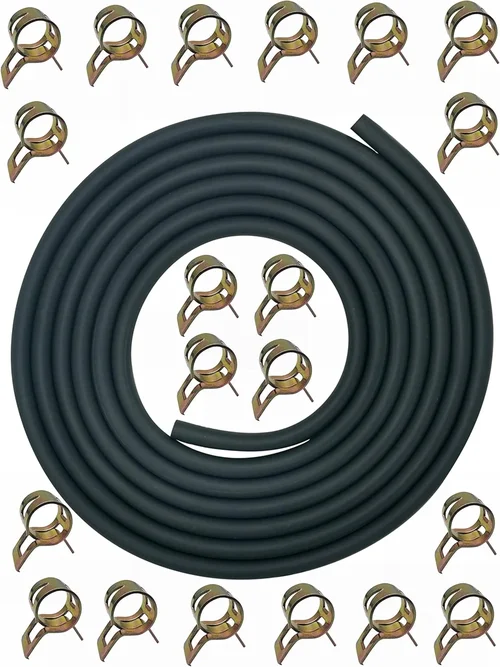
❌ Mistake: Buying Based Solely on Price
Why it’s bad: The cheapest kits often use low-grade rubber that cracks within months, especially with ethanol fuel. You’ll end up replacing it again, doubling your cost and downtime.
What to do instead: Prioritize material quality and compatibility over price. A $20 kit that lasts three seasons is better value than a $8 kit that fails in one.
❌ Mistake: Ignoring the Fuel Filter
Why it’s bad: A clogged filter restricts fuel flow, causing bogging even with a new fuel line. Many budget kits omit the filter, forcing you to reuse the old one.
What to do instead: Always choose a kit that includes a new inline fuel filter. Replace it annually as part of routine maintenance.
❌ Mistake: Assuming All “Universal” Kits Fit
Why it’s bad: Universal kits are designed for generic engines and often don’t account for the HRX217’s tight engine layout or specific hose routing.
What to do instead: Verify compatibility with your exact model. Check forums or contact the seller if unsure.
❌ Mistake: Skipping the Shut-Off Valve
Why it’s bad: Without a shut-off valve, you must drain the fuel tank every time you service the carburetor—a messy and time-consuming process.
What to do instead: Choose a kit that includes a fuel shut-off valve or install one separately. It’s a small addition with big convenience benefits.
❌ Mistake: Not Checking Return Policies
Why it’s bad: If the kit doesn’t fit or solve the bogging issue, you could be stuck with a useless product.
What to do instead: Buy from retailers with clear return policies (e.g., Amazon, Home Depot). Avoid sellers with “all sales final” policies.
❌ Mistake: Overlooking Installation Instructions
Why it’s bad: Incorrect routing can cause kinks, air leaks, or fuel leaks—leading to safety hazards and continued performance issues.
What to do instead: Select kits with detailed, model-specific instructions. Watch YouTube tutorials for the HRX217 if needed.
❌ Mistake: Ignoring Seasonal Timing
Why it’s bad: Buying in peak mowing season means higher prices and limited stock. You might settle for a subpar kit.
What to do instead: Purchase during off-season (late fall or winter) when prices drop and selection improves.
Budget Guidelines: How Much Should You Spend?
– Entry-Level ($5 – $12): These are basic universal kits, often sold in bulk or as part of repair bundles. Expect thin rubber hoses, no clamps or filters, and limited ethanol resistance. Best for temporary fixes or emergency replacements. Not recommended for long-term use on an HRX217.
– Mid-Range ($15 – $30): This is the sweet spot for most homeowners. Kits in this range typically include ethanol-resistant fuel line, clamps, a filter, and sometimes a shut-off valve. Brands like Stens, Rotary, and Oregon offer reliable options here. You get 80–90% of OEM performance at half the price.
– Premium ($30 – $50): Ideal for enthusiasts, frequent users, or those who want peace of mind. These kits often feature fluoropolymer lines, upgraded filters, brass fittings, and detailed installation guides. Some include lifetime warranties. Honda OEM kits fall into this tier.
– Luxury ($50+): Rare for fuel line kits, but some performance-oriented brands offer “pro-grade” systems with custom routing, billet aluminum valves, and flow testing. Only necessary for commercial landscapers or extreme conditions.
Expert Tips for Getting the Best Deal
– Buy During Off-Season: Prices drop significantly in late fall and winter. Retailers clear inventory before spring, so you can save 20–30% on quality kits.
– Check Multiple Retailers: Compare prices on Amazon, Home Depot, Lowe’s, and specialty sites like Jack’s Small Engines or PartsWarehouse.com. Use price-tracking tools like Honey or CamelCamelCamel.
– Look for Bundles: Some sellers offer fuel line kits bundled with carburetor cleaners, air filters, or spark plugs. These can offer better value than buying individually.
– Read Return Policies Carefully: Ensure the seller accepts returns if the kit doesn’t fit or solve the problem. Avoid third-party sellers with restrictive policies.
– Verify Seller Authenticity: On marketplaces like Amazon, buy from “sold by Amazon” or authorized dealers. Counterfeit parts are common with small engine components.
– Test Before Final Assembly: After installation, run the mower without the air filter cover to observe fuel flow and check for leaks. This helps catch issues early.
– Keep the Old Parts: Save your original fuel line as a reference for length and routing. It’s a handy backup if the new kit has issues.
– Join Online Communities: Forums like LawnSite or Reddit’s r/lawncare often have members who’ve tested specific kits on the HRX217. Their real-world feedback is invaluable.

Frequently Asked Questions
Q: Can a bad fuel line really cause my Honda HRX217 to bog down?
A: Absolutely. A cracked, clogged, or degraded fuel line restricts fuel flow to the carburetor, especially under load when the engine demands more fuel. This results in a lean condition, causing hesitation, stalling, or bogging—particularly when engaging the blades.
Q: How often should I replace the fuel line on my HRX217?
A: Honda recommends inspecting the fuel line annually. Replace it every 2–3 years, or sooner if you notice cracks, brittleness, or performance issues. Ethanol fuel accelerates degradation.
Q: Do I need special tools to install a fuel line kit?
A: Basic hand tools are sufficient: needle-nose pliers, wire cutters (if trimming is needed), and a flathead screwdriver. Some kits include a hose removal tool. No specialized equipment is required.
Q: Will a new fuel line kit fix all bogging issues?
A: Not necessarily. While fuel line problems are common, bogging can also stem from a dirty carburetor, faulty spark plug, clogged air filter, or low compression. Use the fuel line replacement as part of a broader diagnostic approach.
Q: Can I use automotive fuel line instead?
A: No. Automotive fuel lines are not designed for small engines and may not handle the vibration, heat, or fuel types used in lawn mowers. Always use small engine-specific fuel line.
Q: Is it safe to work on the fuel system myself?
A: Yes, with precautions. Always work in a well-ventilated area, disconnect the spark plug, and drain the fuel tank before starting. Wear gloves and eye protection.
Q: Where is the best place to buy a fuel line kit for the HRX217?
A: Top options include Amazon (for selection and reviews), Home Depot/Lowe’s (for in-store pickup), and specialized retailers like Jack’s Small Engines (for expert advice and OEM parts).
Q: How do I know if my fuel line is the problem?
A: Look for visible cracks, leaks, or hardening. You can also test by pinching the line while the engine is running—if it stumbles, the line may be restricted. A fuel pressure test is more definitive but requires tools.
Q: Are ethanol-free fuels worth it for延长ing fuel line life?
A: Yes. Ethanol-free gasoline (often labeled “recreational fuel”) causes far less degradation in rubber components. It’s more expensive but can double the life of your fuel system.
Q: Can I reuse the old clamps?
A: It’s not recommended. Old clamps lose tension over time and may not seal properly. Always use new clamps included in the kit for a secure, leak-free connection.
Our Final Recommendations
– Best for Budget-Conscious Buyers: Stens 275-816 Fuel Line Kit – At around $18, it includes ethanol-resistant hose, clamps, and a filter. Highly rated for HRX217 compatibility and easy installation.
– Best Overall Value: Rotary 12-8875 Fuel Line Kit – Priced at $22, this kit offers premium materials, a shut-off valve, and detailed instructions. A favorite among DIYers for its balance of cost and quality.
– Best Premium Option: Honda Genuine Part 16670-Z0J-003 Fuel Line Kit – The OEM choice at $38. Perfect fit, full warranty, and peace of mind. Ideal if you plan to keep the mower long-term.
– Best for Beginners: Oregon 52-035 Fuel Line Kit – Comes with color-coded lines, pre-cut lengths, and a step-by-step guide. Great for first-time installers.
– Best for Advanced Users: Custom Performance Kit from Jack’s Small Engines – Includes high-flow filter, Viton hose, and billet shut-off valve. Designed for users who want maximum reliability and serviceability.
Conclusion: Making the Right Choice
Choosing the right fuel line kit for your Honda HRX217 isn’t just about fixing a bogging engine—it’s about restoring confidence in your mower’s performance and extending its lifespan. By focusing on compatibility, material quality, and included components, you can avoid the frustration of repeated repairs and enjoy smooth, reliable operation season after season. Remember, the cheapest option isn’t always the best value, and skipping essential parts like filters or shut-off valves can lead to bigger headaches down the road.
Take the time to assess your needs: Are you a weekend warrior who mows once a week, or a professional who relies on your HRX217 daily? Your usage pattern should guide your budget and feature priorities. Don’t hesitate to invest in a mid-range or premium kit if you plan to keep your mower for years. And always buy from reputable sources with solid return policies and customer support.
Finally, treat this repair as an opportunity to perform a full fuel system refresh. While replacing the fuel line, consider cleaning the carburetor, replacing the air filter, and checking the spark plug. These small steps compound into big performance gains. With the right kit and a bit of elbow grease, your Honda HRX217 will run like new—no more bogging, no more stalling, just consistent power when you need it most.
Now that you’re armed with expert knowledge, it’s time to take action. Browse our recommended retailers, compare your options, and get your mower back in top shape. Your lawn—and your weekends—will thank you.