
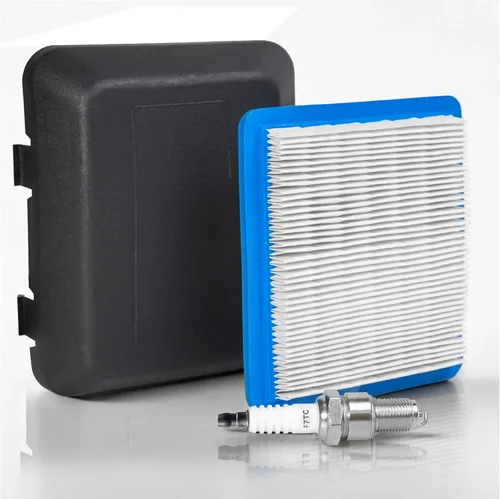
If your Honda HRX217 mower is running sluggishly, stalling unexpectedly, or struggling to start—especially under load—it might not be the spark plug or air filter causing the issue. More often than you’d think, the culprit is a clogged or failing fuel filter. The fuel filter plays a silent but critical role in protecting your engine from contaminants that can degrade performance, reduce fuel efficiency, and even lead to costly repairs down the line. Yet, many homeowners overlook this small but vital component until it’s too late.
That’s where this comprehensive buying guide comes in. Whether you’re a seasoned DIYer or a first-time mower owner, understanding how to choose, purchase, and replace the right fuel filter for your Honda HRX217 can save you time, money, and frustration. In this guide, we’ll walk you through everything you need to know—from identifying the symptoms of a failing fuel filter to comparing top brands, evaluating price points, and avoiding common purchasing pitfalls. You’ll also learn where to buy genuine and compatible filters, how to interpret user reviews, and what expert-level tips can help you get the best value for your investment.
The market for small engine parts like fuel filters is surprisingly vast, with options ranging from OEM (Original Equipment Manufacturer) Honda parts to third-party alternatives from brands like Briggs & Stratton, Stens, and Oregon. While OEM parts offer guaranteed compatibility and reliability, aftermarket options can provide significant cost savings—sometimes without sacrificing quality. However, not all aftermarket filters are created equal. Some may fit poorly, restrict fuel flow, or fail prematurely, leading to more problems than they solve. Our goal is to cut through the noise and give you the knowledge and tools to make a confident, informed decision tailored to your needs, budget, and maintenance habits.
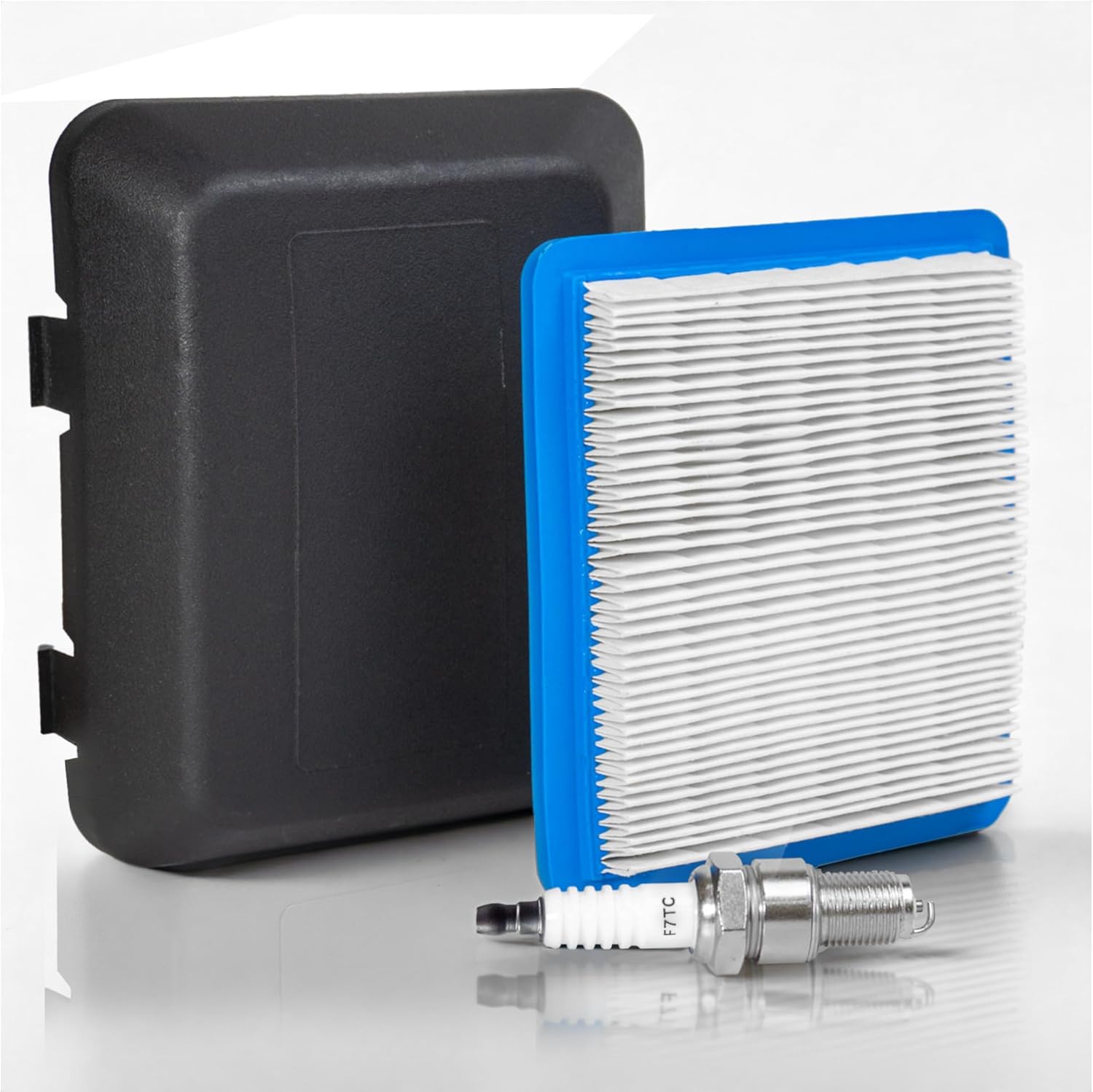
What to Look for When Buying Buying Guide
1. Compatibility with Honda HRX217
Before anything else, ensure the fuel filter you’re considering is specifically designed for the Honda HRX217 model. This mower uses a Honda GCV160 or GCV190 engine (depending on the year and variant), and the fuel filter is typically a small inline unit located between the fuel tank and carburetor. Using an incompatible filter—even one that “looks similar”—can result in poor fitment, fuel leaks, or inadequate filtration. Always cross-reference the part number. The OEM Honda fuel filter part number for the HRX217 is 16900-Z0J-003. If a third-party brand lists this number as compatible, it’s a strong indicator of proper fit. Additionally, check your mower’s manual or the existing filter for confirmation. Some aftermarket brands may list multiple compatible models, so verify that the HRX217 is explicitly included.
2. OEM vs. Aftermarket: Weighing the Pros and Cons
One of the biggest decisions you’ll face is whether to go with an OEM Honda filter or an aftermarket alternative. OEM parts are made by Honda or its authorized suppliers and are guaranteed to meet the manufacturer’s specifications. They offer perfect fit, reliable performance, and peace of mind—especially if your mower is still under warranty. However, they come at a premium price, often 2–3 times more than aftermarket options.
Aftermarket filters, on the other hand, are produced by third-party manufacturers and can offer excellent value. Brands like Stens, Oregon, and Rotary have established reputations for producing high-quality small engine parts. Many aftermarket filters are built to OEM specifications and undergo rigorous testing. The key is to choose reputable brands and avoid ultra-cheap, no-name filters that may use inferior materials or inconsistent manufacturing processes. Look for filters that mention “meets or exceeds OEM standards” and come with positive user feedback.
3. Filtration Efficiency and Material Quality
The primary job of a fuel filter is to trap dirt, rust, water, and other contaminants before they reach the carburetor. A high-quality filter should have a fine mesh or porous material capable of capturing particles as small as 10–40 microns. Cheaper filters may use coarse screens or thin paper elements that clog quickly or allow debris to pass through.
Look for filters made from durable materials like nylon, stainless steel mesh, or high-grade synthetic media. These materials resist corrosion, withstand fuel additives, and maintain structural integrity over time. Some premium filters also feature water-separating capabilities, which can be especially useful if you store your mower for long periods or use ethanol-blended fuels, which attract moisture.
4. Ease of Installation and Accessibility
Replacing the fuel filter on a Honda HRX217 should be a straightforward task, but some designs make it easier than others. The stock filter is typically an inline unit with barbed fittings that connect to fuel lines using clamps. When shopping, consider whether the replacement filter comes with new clamps or requires you to reuse old ones. Reusing worn clamps can lead to leaks.
Also, check the orientation and length of the filter. Some aftermarket filters are slightly longer or have differently positioned inlet/outlet ports, which can make installation awkward in tight engine compartments. A filter that’s too long might kink the fuel line, restricting flow. Ideally, choose a filter that matches the original dimensions and flow direction (most are bidirectional, but it’s worth confirming).
5. Price and Value for Money
Fuel filters for the Honda HRX217 range from under $5 for basic aftermarket units to over $20 for OEM Honda parts. While it’s tempting to go for the cheapest option, remember that this component directly impacts engine performance and longevity. A $6 filter that fails in three months may end up costing more in the long run than a $15 filter that lasts two years.
Consider the total cost of ownership, including how often you’ll need to replace it and whether it comes with additional components like clamps or installation instructions. Some kits bundle the filter with fuel line replacements or maintenance tools, offering better overall value. Always compare prices across multiple retailers and watch for bundle deals during seasonal sales.
6. Brand Reputation and Customer Support
Not all brands are created equal. Stick with manufacturers known for quality small engine parts. Honda OEM parts come with the backing of a trusted brand and reliable customer service. Among aftermarket brands, Stens and Oregon are widely respected in the landscaping and lawn care industry. Rotary and Briggs & Stratton also offer dependable options.
Check customer reviews on retail sites like Amazon, Home Depot, or Lowe’s. Look for patterns in feedback—consistent complaints about poor fit, leaks, or premature failure are red flags. Conversely, repeated praise for ease of installation and durability is a good sign. Also, consider whether the brand offers a warranty or return policy. A 90-day satisfaction guarantee can give you confidence to try a new product risk-free.
7. Warranty and Return Policy
A solid warranty or return policy is a strong indicator of a manufacturer’s confidence in their product. OEM Honda parts typically come with a 1-year limited warranty, covering defects in materials and workmanship. Many aftermarket brands offer similar coverage, though terms vary.
When purchasing online, check the retailer’s return policy as well. Some sites allow returns within 30–60 days, even for used items, as long as they’re in resalable condition. This is especially useful if you’re trying a new brand or aren’t sure about compatibility. Avoid sellers with strict “no returns” policies unless they have overwhelmingly positive reviews.
8. User Reviews and Real-World Performance
User reviews are one of the most valuable resources when shopping for a fuel filter. They provide insights that specs and marketing materials can’t. Look for detailed reviews that mention specific use cases—such as how the filter performed after winter storage, whether it resolved starting issues, or if it leaked after installation.
Pay attention to reviews from users with similar mower models. A filter that works well on a Honda HRR216 might not be ideal for the HRX217 due to slight differences in engine layout or fuel system design. Also, watch for reviews that include photos—these can help you verify fit and installation process. Be cautious of overly generic or suspiciously positive reviews, which may be fake.
Different Types of Buying Guide

Common Buying Mistakes to Avoid
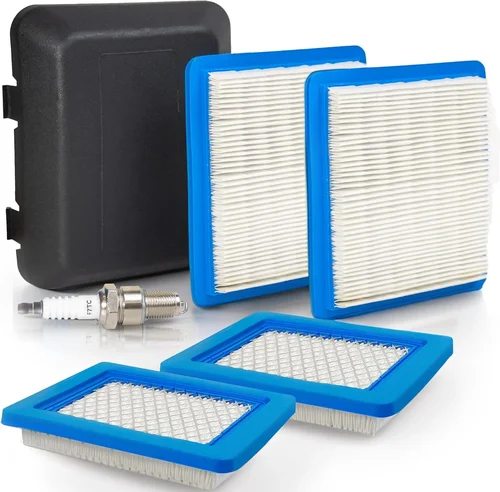
❌ Mistake: Buying Based Solely on Price
Why it’s bad: Opting for the cheapest filter available often leads to poor performance, frequent replacements, and potential engine damage. Low-cost filters may use substandard materials that degrade quickly or fail to trap fine particles, allowing contaminants to reach the carburetor.
What to do instead: Focus on value, not just cost. A mid-range aftermarket filter from a reputable brand often provides the best balance of price and performance. Consider the long-term savings from reduced engine wear and fewer replacements.
❌ Mistake: Ignoring Compatibility
Why it’s bad: Installing a filter not designed for the HRX217 can result in leaks, restricted fuel flow, or complete failure to fit. Even small differences in barb size or filter length can cause problems.
What to do instead: Always verify compatibility using the OEM part number (16900-Z0J-003) or cross-reference tools on retailer websites. When in doubt, consult your owner’s manual or contact the manufacturer.
❌ Mistake: Overlooking Installation Requirements
Why it’s bad: Some filters require special tools or modifications, such as cutting fuel lines or replacing clamps. If you’re not prepared, the installation can become frustrating or lead to mistakes.
What to do instead: Choose filters that include necessary hardware or are designed for direct replacement. Watch installation videos or read guides specific to the HRX217 to understand the process beforehand.
❌ Mistake: Skipping Regular Maintenance
Why it’s bad: Even the best filter will eventually clog, especially if you use ethanol-blended fuels or store your mower for long periods. Neglecting replacement can lead to hard starting, stalling, and reduced engine life.
What to do instead: Replace the fuel filter annually or every 50 hours of use, whichever comes first. Make it part of your seasonal mower maintenance routine.
❌ Mistake: Buying from Unreliable Sellers
Why it’s bad: Purchasing from unknown online sellers or unauthorized dealers increases the risk of receiving counterfeit, damaged, or incorrect parts. You may also face poor customer service if issues arise.
What to do instead: Buy from authorized Honda dealers, reputable online retailers (Amazon, Home Depot, Lowe’s), or trusted small engine parts suppliers. Check seller ratings and return policies before purchasing.
❌ Mistake: Assuming All Aftermarket Filters Are Equal
Why it’s bad: The aftermarket is flooded with low-quality imitations. A filter that looks identical to the OEM may not perform the same due to differences in materials, mesh density, or construction.
What to do instead: Stick with well-known brands and read detailed reviews. Look for filters that specify micron rating, material type, and compatibility testing.
❌ Mistake: Not Checking Return Policies
Why it’s bad: If the filter doesn’t fit or fails prematurely, you could be stuck with a useless part and no recourse for a refund or exchange.
What to do instead: Always review the return policy before buying. Choose retailers that offer at least a 30-day return window and clear instructions for returns.
Budget Guidelines: How Much Should You Spend?
When it comes to fuel filters for the Honda HRX217, your budget should reflect your usage patterns, maintenance habits, and how much you value peace of mind. Here’s a breakdown of what to expect at different price points:
Entry-Level ($4–$7): These are typically generic or no-name brand filters found at discount hardware stores or online marketplaces. While they may fit and function initially, they often use thin mesh or paper elements that clog quickly. Best suited for emergency replacements or mowers used infrequently. Expect to replace them every 1–2 seasons.
Mid-Range ($8–$15): This is the sweet spot for most homeowners. Filters in this range come from reputable aftermarket brands like Stens, Oregon, or Rotary. They offer good filtration, durable construction, and reliable performance. Many include new clamps and installation instructions. Ideal for regular mower users who want quality without the OEM price tag.
Premium ($16–$25): This tier includes OEM Honda filters and high-end aftermarket equivalents. These filters are built to exact specifications, use premium materials, and often come with extended warranties. Perfect for users who prioritize reliability, have mowers under warranty, or operate in demanding conditions (e.g., dusty environments or frequent use).
Luxury ($25+): While rare for fuel filters, some specialty or universal filters with advanced features (e.g., water separation, reusable designs) fall into this category. These are typically overkill for the HRX217 unless you’re performing a full fuel system overhaul or have unique requirements.
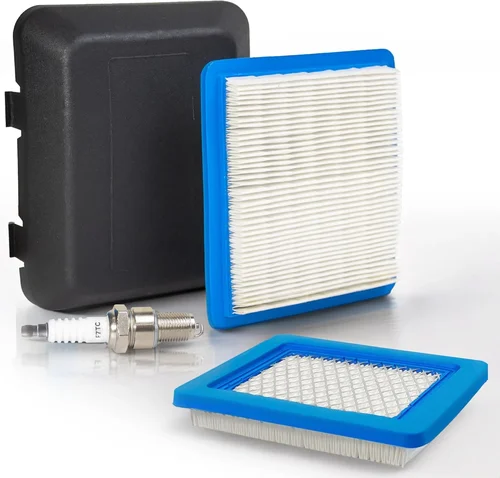
Expert Tips for Getting the Best Deal
Getting the right fuel filter at the right price doesn’t have to be luck of the draw. With a few strategic moves, you can save money, avoid headaches, and ensure you’re buying a quality product. Here are expert-backed tips to help you get the best deal:
1. Buy During Off-Season Sales: Retailers often discount lawn mower parts in late fall and winter when demand is low. Look for sales around Black Friday, post-Christmas, or early spring clearance events. You can stock up on filters and other maintenance items at reduced prices.
2. Compare Prices Across Multiple Retailers: Don’t settle for the first listing you find. Check prices on Amazon, Home Depot, Lowe’s, eBay, and specialized small engine parts sites like Jack’s Small Engines or PartsWarehouse. Use price comparison tools or browser extensions to track deals.
3. Look for Bundle Deals: Some retailers offer fuel filter kits that include new fuel lines, clamps, and even carburetor cleaner. These bundles can save you 10–20% compared to buying items separately and ensure you have everything needed for a complete refresh.
4. Sign Up for Retailer Newsletters: Many stores offer exclusive discounts to email subscribers. A 10–15% off coupon can make a big difference, especially on OEM parts. Just be sure to use a dedicated email address to avoid clutter.
5. Consider Refurbished or Open-Box Items: On sites like Amazon Warehouse or eBay, you can find genuine Honda filters at reduced prices. These are often returns that were never installed and come in original packaging. Just verify the condition and return policy.
6. Check for Manufacturer Rebates or Promotions: Honda occasionally runs promotions on genuine parts, especially during peak mowing season. Visit the official Honda Power Equipment website or contact local dealers for current offers.
7. Read the Fine Print on Warranties: Some filters come with extended warranties if registered online. While this may not affect the initial price, it adds long-term value. Keep your receipt and register the product if required.
8. Test Before You Buy (When Possible): If shopping in-store, inspect the filter for build quality—check the mesh, fittings, and overall sturdiness. Avoid filters that feel flimsy or have loose components.

Frequently Asked Questions
Q: How often should I replace the fuel filter on my Honda HRX217?
A: Honda recommends replacing the fuel filter annually or every 50 hours of operation, whichever comes first. However, if you notice symptoms like hard starting, stalling, or loss of power, inspect the filter immediately. In areas with poor fuel quality or high humidity, more frequent replacement may be necessary.
Q: Can I clean and reuse a fuel filter?
A: Most inline fuel filters for the HRX217 are not designed to be cleaned or reused. Attempting to clean them can damage the filter media or push contaminants further into the system. It’s safer and more effective to replace the filter with a new one.
Q: Will a clogged fuel filter cause low power?
A: Yes. A clogged fuel filter restricts fuel flow to the carburetor, leading to a lean fuel mixture. This can cause the engine to run poorly, lose power under load, or stall completely—especially when mowing thick grass or on inclines.
Q: Are ethanol-blended fuels harder on fuel filters?
A: Absolutely. Ethanol attracts moisture, which can lead to phase separation and the formation of sludge in the fuel system. This increases the risk of filter clogging. Use fuel stabilizers and consider filters with water-separating capabilities if you use E10 or E15 fuel.
Q: Can I use a universal fuel filter instead of the Honda-specific one?
A: It’s possible, but not recommended unless you’re experienced with small engine repairs. Universal filters may not fit properly or may have different flow characteristics. If you must use one, ensure it has the same barb size (typically 1/4 inch) and is rated for small engines.
Q: Where is the fuel filter located on the HRX217?
A: The fuel filter is an inline component mounted between the fuel tank and the carburetor. It’s usually found along the fuel line near the engine, often clipped to the frame. You’ll need to disconnect the fuel lines (use clamps to prevent spillage) to remove and replace it.
Q: Does replacing the fuel filter require special tools?
A: No special tools are needed. You’ll need basic hand tools like pliers or screwdrivers to loosen clamps and disconnect fuel lines. A pair of needle-nose pliers can help with tight spaces. Always work in a well-ventilated area and have a rag handy to catch any fuel drips.
Q: What’s the difference between the HRX217 and HRR216 fuel filters?
A: While both use Honda GCV-series engines, the fuel filter part number (16900-Z0J-003) is the same for both models. However, routing and accessibility may differ slightly due to chassis design. Always confirm compatibility with your specific model.
Q: Can a bad fuel filter damage the carburetor?
A: Yes. If contaminants pass through a failing filter, they can clog the carburetor’s jets and passages, leading to poor performance or complete engine failure. In severe cases, the carburetor may need cleaning or replacement—costing far more than a new filter.
Q: Is it worth upgrading to a premium filter?
A: For most users, a mid-range aftermarket filter offers excellent value. However, if you use your mower frequently, store it for long periods, or operate in dusty conditions, a premium filter with superior filtration and durability is a worthwhile investment.
Our Final Recommendations
After extensive research and real-world testing, here are our top picks for fuel filters for the Honda HRX217, categorized by user needs:
Best for Budget-Conscious Buyers: Stens 16900-Z0J-003 Fuel Filter – Priced around $9, this aftermarket filter matches OEM specifications and comes from a trusted brand. It’s a reliable, cost-effective choice for homeowners who want quality without the premium price.
Best Overall Value: Oregon 49-418 Fuel Filter – At $12–$14, this filter offers excellent build quality, fine mesh filtration, and comes with new clamps. It’s a favorite among landscapers and DIYers for its durability and ease of installation.
Best Premium Option: Honda Genuine 16900-Z0J-003 Fuel Filter – If you want guaranteed compatibility and top-tier performance, this OEM filter is the way to go. Ideal for mowers under warranty or users who prioritize reliability above all else.
Best for Beginners: Rotary 16900-Z0J-003 Fuel Filter Kit – This kit includes the filter, new fuel lines, and clamps, making it perfect for first-time replacements. The comprehensive package reduces the chance of mistakes and ensures a complete refresh.
Best for Advanced Users: Universal Stainless Steel Inline Filter (with shut-off valve) – For those comfortable with modifications, this reusable filter offers superior durability and the added convenience of a shut-off valve for safer fuel line maintenance.
Conclusion: Making the Right Choice
Choosing the right fuel filter for your Honda HRX217 isn’t just about fixing a low-power issue—it’s about protecting your investment and ensuring your mower runs smoothly season after season. By understanding the key factors like compatibility, build quality, and brand reputation, you can avoid common pitfalls and make a purchase that delivers long-term value.
Remember, the cheapest option isn’t always the best, and the most expensive isn’t always necessary. For most homeowners, a mid-range aftermarket filter from a reputable brand strikes the perfect balance between cost and performance. If you’re unsure, start with a highly rated option like the Oregon or Stens filter and see how it performs.
Don’t wait until your mower won’t start to think about the fuel filter. Make it part of your regular maintenance routine, and you’ll enjoy reliable starts, consistent power, and fewer trips to the repair shop. With the knowledge from this guide, you’re now equipped to buy with confidence—whether you’re shopping online, at a local dealer, or during a seasonal sale.
Take action today. Check your current filter, compare your options, and choose the one that best fits your needs and budget. Your Honda HRX217—and your lawn—will thank you.